





 Portuguese
  English
  Spanish
  4 min of reading
  0 comments



In Goiânia, a video from the channel Cars with Thiago reveals how a 1.0 turbo Onix with 130 thousand km had a hard brake and loss of power after the early wear of the oil-soaked timing belt, requiring maintenance of R$ 3 thousand.
On the channel Cars with Thiago, a 1.0 turbo Onix served as an example to clarify doubts about 1.0 three-cylinder engines with oil-soaked timing belts — a topic that divides opinions among drivers and mechanics.
The video shows, in practice, how to identify the problem, what needs to be replaced, and how much the repair costs, with the help of a workshop partner of the YouTuber, in Goiânia (GO).
Hard Brake, Loss of Power, and the Initial Diagnosis
The owner took the vehicle to the workshop after noticing a hard brake and loss of power.
-
Less than a Tera TSI, up to 710 km of range and charging in 9 minutes: the new BYD Song Ultra expands the Chinese brand’s bet on increasingly faster, more technological, and competitively priced electric SUVs.

-
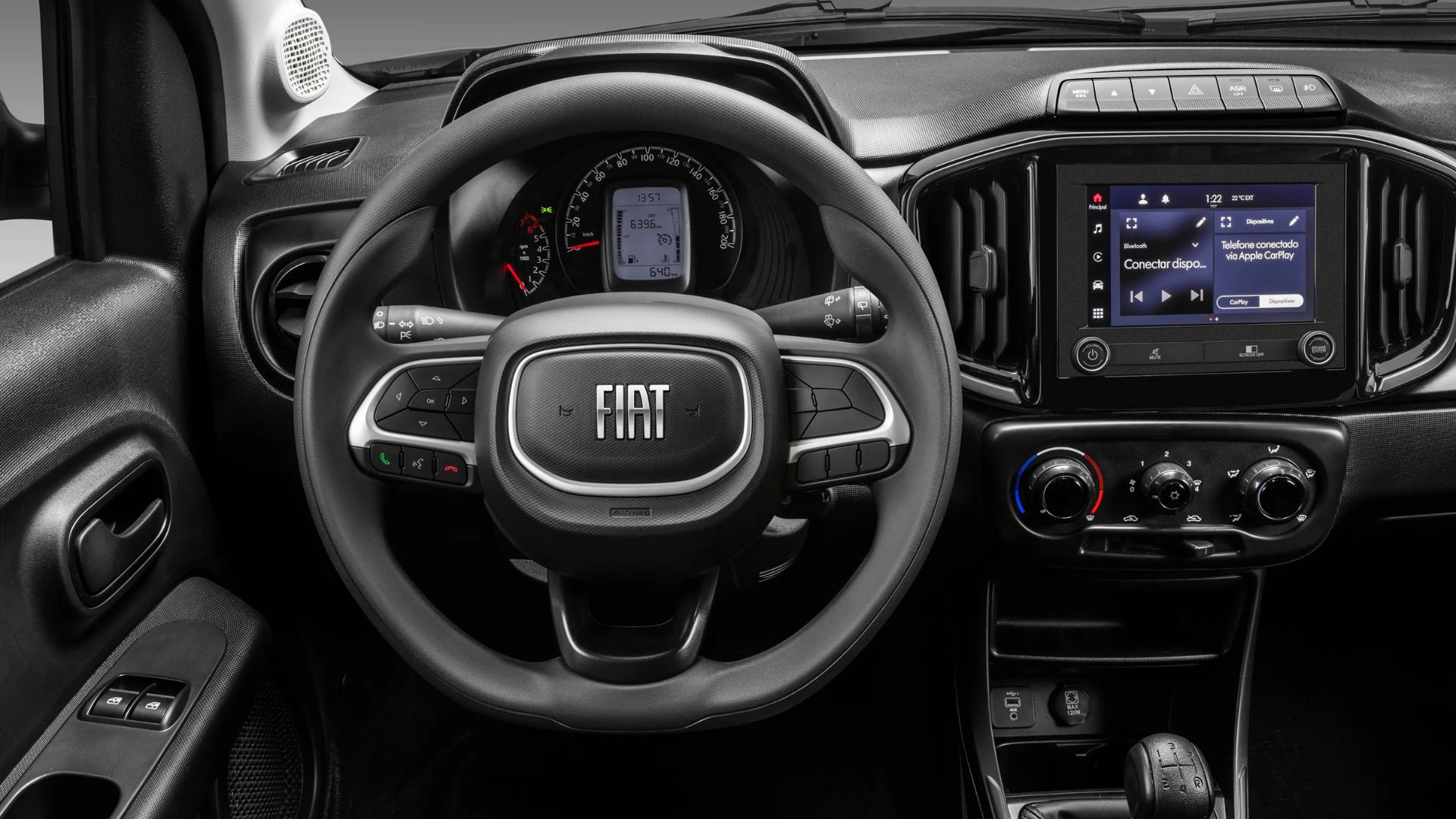
With a 1.0 engine producing 75 hp and costing less than R$ 70,000, Fiat’s car returns to the podium as the cheapest in the country; a temporary promotion for the 2026 Like version reduces the price of the Fiat Mobi.
-
With a mild hybrid system of 48 V, 176 hp and a price of R$ 175,990 in the Sahara version, the new Jeep Renegade changes mostly on the inside, improves slightly in fuel consumption, and remains almost the same car.

-
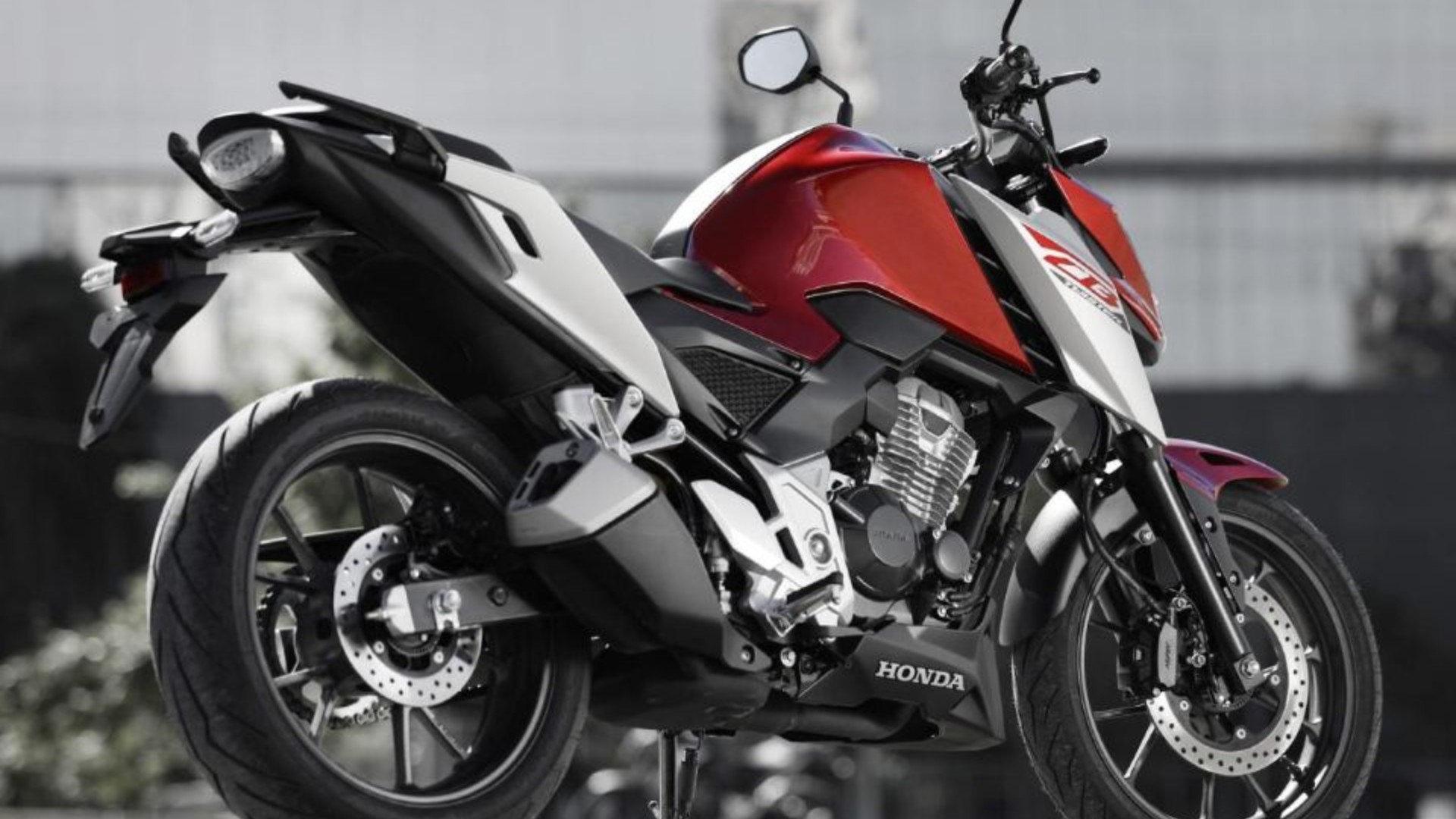
With a 293.5 cm³ engine and a range of up to 400 km with a 14.1-liter tank, the Honda CB 300F Twister 2026 has up to 24.7 hp, an initial price of R$ 25,150, and already exceeds R$ 29,000 in the Fipe Table.

The initial disassembly revealed a large accumulation of debris from the timing belt under the valve cover, a sign of advanced wear. Ricardo explained that this type of debris clogs the vacuum pump — which causes the brake pedal to harden — and, subsequently, the oil pick-up, potentially leading to total engine failure.
The mechanic noted that the oil filter installed was an aftermarket part and of inferior quality, a factor that can accelerate wear.
According to the manufacturer’s manual, the timing belt should be replaced every 240 thousand km, but in the opinion of mechanic Ricardo, this mileage is too high. He recommends replacement every 150 thousand km, even when using the correct oil.
Maintenance Steps and the Internal Condition of the Engine
During the procedure, the team removed the oil pan to check the pick-up and found accumulated timing belt debris at the bottom, along with small fragments of glue and rubber. Cleaning was performed before the replacement of parts.
Ricardo highlighted that, in cases like this, it is not enough to just clean the vacuum pump — it needs to be completely replaced. In the video, he shows the old component filled with residues and the new original GM pump installed.
The engine, with 130 thousand km on it, presented a good overall condition, with no signs of wear on the components. According to the mechanic, the problem was restricted to contamination caused by the timing belt.
He also showed that the model uses two timing belts: the upper one (oil-soaked) and a lower one, responsible for activating the oil pump. Both were replaced.
The Confusion Between “Similar” Oils That Are Not Similar
One of the central points of the video is the explanation about lubricant oil. Although both are 5W30, there are differences between the products. The correct oil for engines with an oil-soaked timing belt needs to have specific GDI additives.
Ricardo showed two 5W30 bottles side by side: one traditional, indicated for engines with a timing chain, and another GDI, compatible with the Onix, Tracker, and Ford Ka.
The appearance and the numbering on the packaging are similar, which confuses many drivers. According to the mechanic, when using the wrong oil, the timing belt absorbs the improper lubricant and deteriorates quickly, potentially breaking.
He emphasized that, once contaminated, the timing belt needs to be replaced even if the correct oil is used afterward. This “trick,” as he called it, is one of the main causes of premature failures in these engines.
Assembly, Testing, and Maintenance Costs
After the cleaning and the replacement of parts, the workshop installed the new vacuum pump, timing belts, tensioner, return hose, and filters, all original GM parts. The engine was reassembled, received AC Delco 5W30 GDI oil, and was put into operation.
The car started normally, without abnormal noises or warning lights on the dashboard. “Running smoothly,” commented Thiago as he showed the final result.
The complete service — including the replacement of both timing belts, vacuum pump, and cleaning — cost about R$ 3,000.
Meanwhile, preventative maintenance, which consists only of replacing the timing belts before problems arise, is around R$ 1,975, considering parts (R$ 810 for the main timing belt, R$ 165 for the auxiliary timing belt) and labor of approximately R$ 1,000.
Final Recommendations for Owners of 1.0 Turbo Engines
Ricardo reinforced that prevention is always cheaper than repairs. He recommends using the correct oil (5W30 GDI), original filter, and replacing the timing belt before 150 thousand km, especially if the car is driven in severe conditions.
Thiago concluded the video by asking viewers to subscribe to the channel Cars with Thiago to follow more real maintenance content, emphasizing that the goal is to clarify doubts and avoid losses from seemingly simple oversights, but with a high impact on the wallet and the engine’s lifespan.








Seja o primeiro a reagir!