





 Portuguese
  English
  Spanish
  4 min of reading
  0 comments


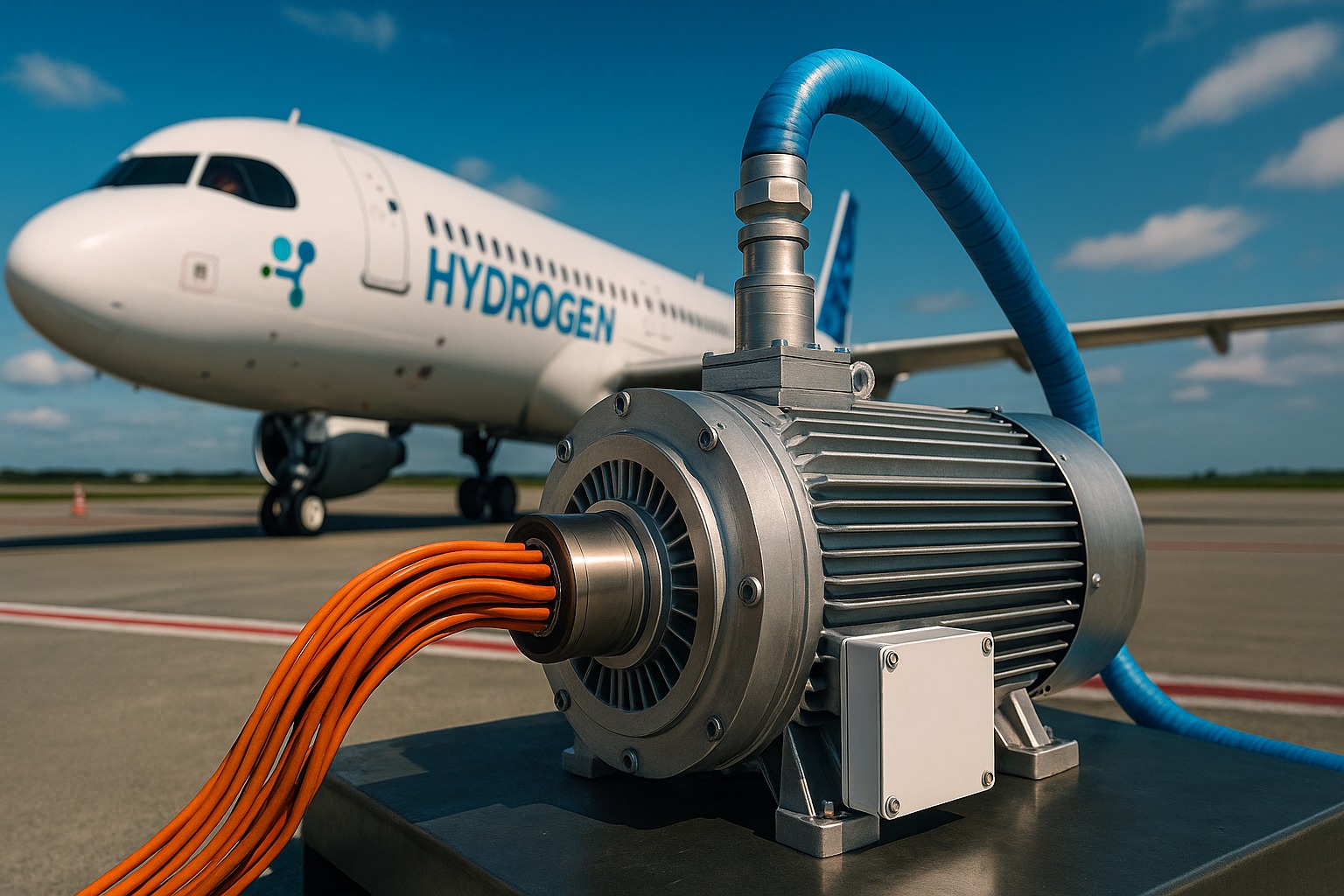
The Partnership Between Airbus and Toshiba Could Redefine the Future of Aviation with a Superconducting Engine Ten Times Lighter, Using Hydrogen at -253 °C and Delivering 2 MW of Power, Bringing the Sector Closer to the Zero Emissions Goal by 2050.
As the aviation industry strives to drastically reduce its emissions and achieve net zero CO₂ emissions by 2050, new technological solutions are emerging as promising alternatives.
In this context, Airbus and Toshiba have decided to join forces to test a superconducting engine that promises to revolutionize air propulsion: compact, extremely light, and with a power of 2 megawatts, it represents a technological leap for hydrogen-powered aircraft.
The prototype developed by Toshiba weighs ten times less than conventional engines with the same power, a key characteristic for the aviation sector, where every kilogram saved directly impacts performance and efficiency.
-
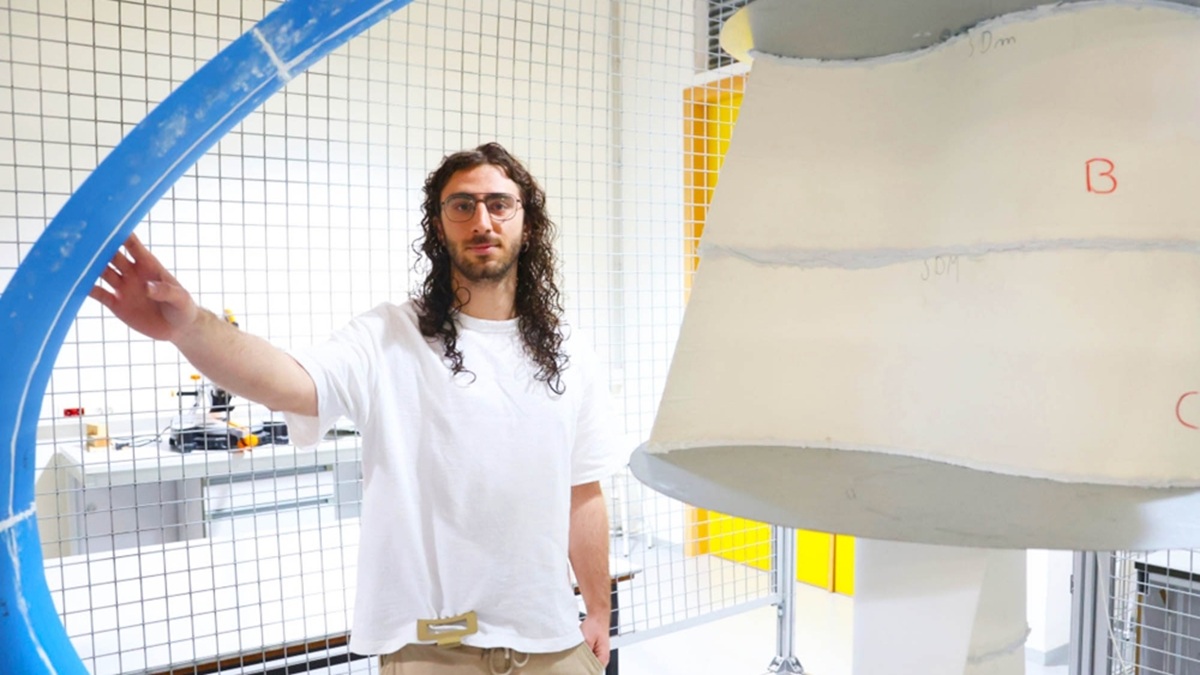
After 10 months of work and six months of almost total dedication, a student creates a wind turbine that exceeds 500 revolutions per minute and could help lower electricity prices in urban areas.
-
Brazil exposes critical fragility in air defense, says site. With few Gepard, Igla-S, and RBS 70 systems, the country does not cover medium altitude and remains vulnerable to drones, missiles, and attacks that cause billions in recent wars.

-
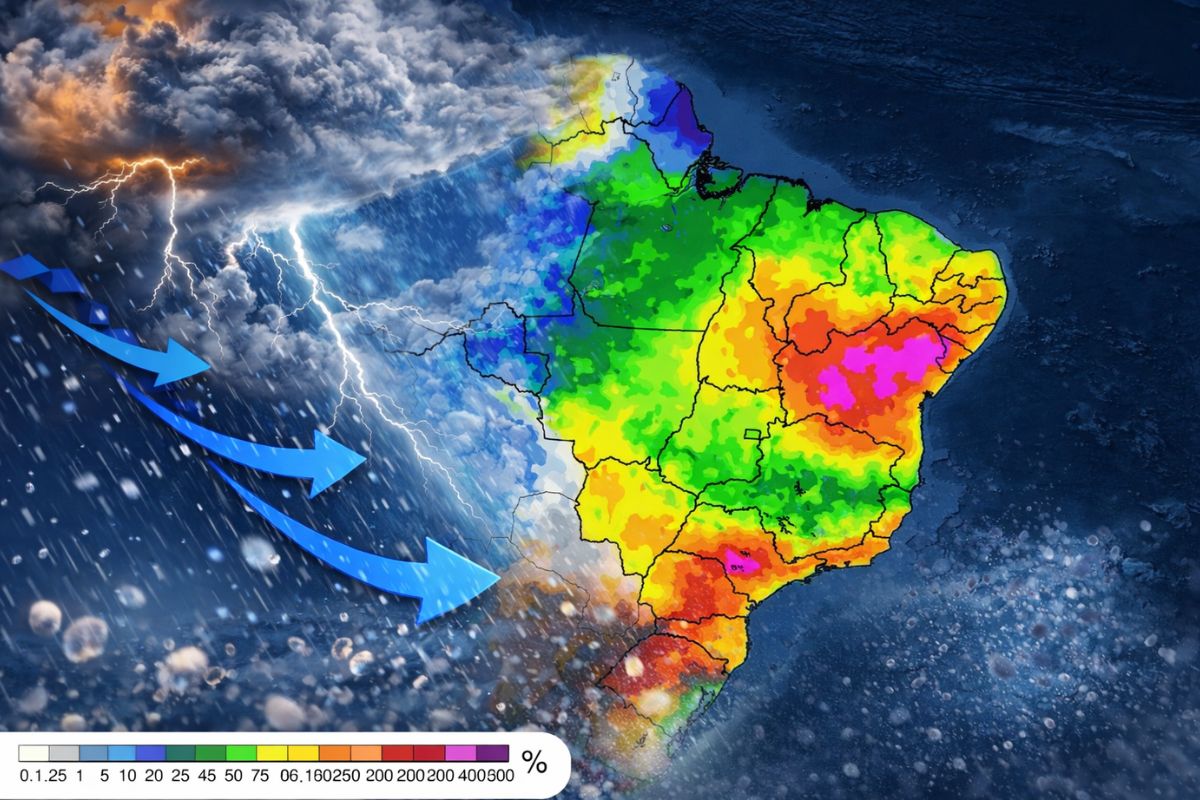
The truce after the last cyclone is over: a new cold front is hitting five states between Saturday and Sunday with up to 100 millimeters of rain, risk of hail, and wind gusts that could cause damage from Rio Grande do Sul to São Paulo.
-
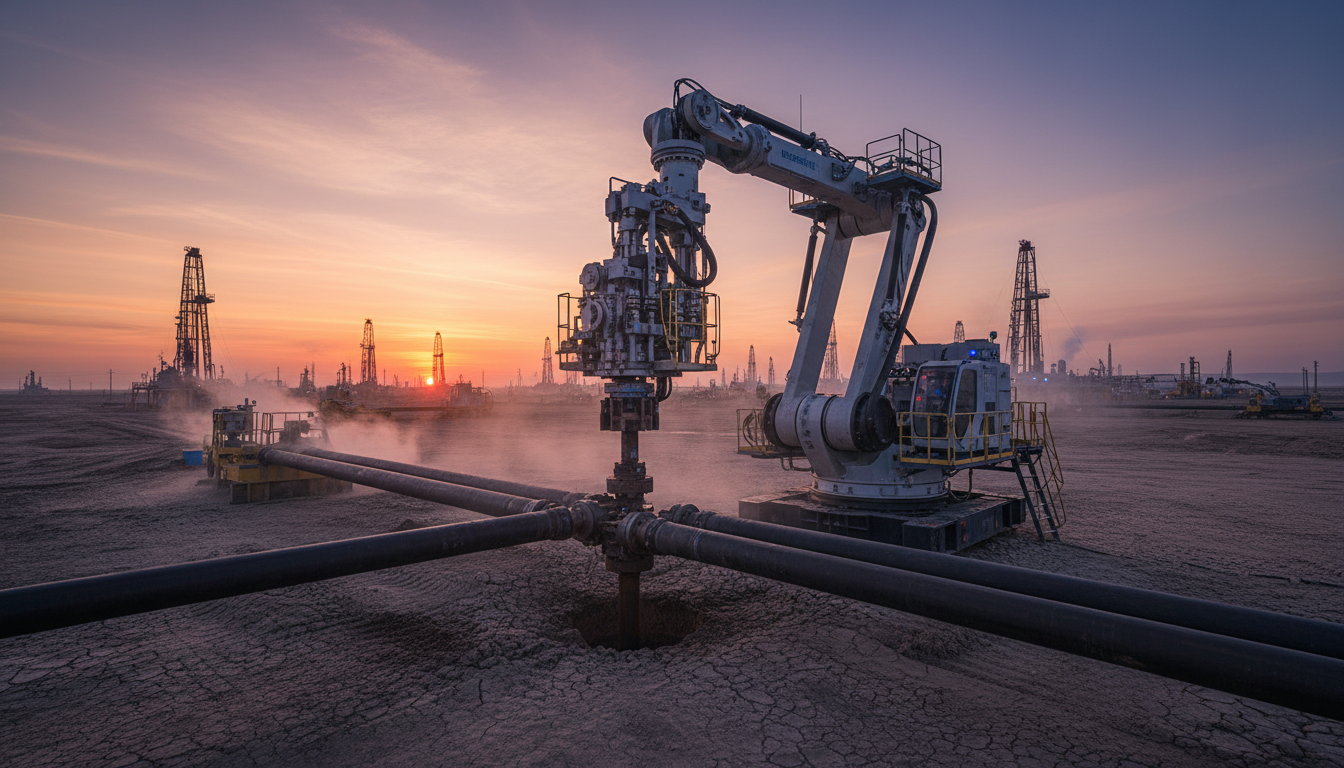
Robots already operate oil rigs without humans, connect pipelines on their own, and inspect platforms in the dark, and the world’s largest drilling company plans to cut 75% of the crew at each well.
The combination of lightness, high power, and energy efficiency places this innovation at the center of the global effort to decarbonize aviation.
A Strategic Partnership Towards 2050
Airbus, the world’s largest aircraft manufacturer, recognized the potential of this technology early on and began investing in hydrogen-based solutions.
After unveiling the first prototype of the superconducting engine in 2022, the company established a strategic collaboration with Toshiba in 2024 to deepen research and make its application feasible in commercial aircraft.
This alliance aims to accelerate the transition to a new era of clean flights, in which electric engines powered by hydrogen fuel cells gradually replace traditional turbines. The partnership also emphasizes the importance of jointly developing disruptive technologies as a key element in achieving ambitious climate goals.
Superconducting Engines: Designed for Hydrogen
The official announcement of the partnership took place at the 2024 Japan Aerospace Exhibition and marked a concrete advancement in integrating technologies that, until recently, seemed distant from the aviation sector.
The key is the compatibility between the cryogenic conditions necessary for superconductivity and the requirements for hydrogen storage.
According to Fumitoshi Mizutani, project leader at Toshiba, the developed engine offers unprecedented performance, reducing weight by up to 90% compared to traditional equipment.
In addition to energy efficiency, another crucial differentiator is the use of hydrogen itself as part of the cooling system.
To remain in a liquid state, hydrogen must be stored at -253 °C — an ideal temperature to keep the engine in superconducting mode, eliminating electrical resistance and maximizing performance.
This synergy creates a double advantage: the fuel also acts as a coolant, simplifying the aircraft architecture and reducing operational costs.
A Solution to Fly Further with Less Impact
The application of superconducting engines represents a significant change in the range and efficiency of flights. So far, electric aircraft have faced range limitations due to the low energy density of batteries.
The use of hydrogen, combined with the high power density of the superconducting engine, could extend the range for regional and even intercontinental routes — all with zero direct emissions.
Challenges still exist, especially in creating the infrastructure necessary for the production, transportation, and storage of green hydrogen generated from renewable sources. However, public policies and strategic initiatives are already underway.
The REPowerEU Plan, for instance, aims to produce 10 million tons of renewable hydrogen by 2030, while regulations like Fit for 55 encourage the advancement of sustainable aviation projects.
Much Beyond Aviation: Maritime, Rail, and Space Transportation
The technology developed by Toshiba goes beyond aviation. According to Kyohei Shibata from the company’s New Business Department, the project is the result of more than fifty years of research in superconductivity and is ready to scale across different sectors.
Merchant ships, responsible for about 3% of global CO₂ emissions, could be equipped with superconducting engines powered by hydrogen or green ammonia, drastically reducing their carbon footprint.
In rail transportation, the technology also opens new possibilities: hydrogen-powered trains are already in operation in countries like Germany and Japan, and the adoption of superconducting engines could expand the range of these trains without the need to electrify large stretches of tracks.
Even spacecraft could benefit from the combination of high power and low weight, paving the way for more efficient and sustainable missions.
Transformative Potential and Combating Climate Change
Widespread adoption of hydrogen-powered superconducting engines represents more than a technological advancement — it is a concrete tool in combating global climate change. The technology offers multiple benefits:
- Drastically reduces CO₂ emissions from the aviation sector, one of the most difficult to decarbonize.
- Optimizes hydrogen use by integrating combustion, cooling, and propulsion into a single system.
- Accelerates the energy transition in strategic sectors such as maritime and rail transport.
- Promotes more sustainable supply chains based on advanced materials and low environmental impact processes.
- Stimulates the development of the infrastructure necessary for the global use of hydrogen.
A New Chapter in the History of Transportation
The joint project of Airbus and Toshiba symbolizes a new chapter in the pursuit of sustainable mobility. By combining applied science, industrial innovation, and environmental commitment, the aviation industry approaches a future in which flying will not mean polluting.
The goal of zero emissions by 2050 seems more achievable when concrete solutions, such as superconducting engines, move out of the laboratory and closer to commercial use. Without miraculous promises, but with real and proven technology, this quiet revolution in engines may be the necessary push to transform how we move across the planet — and, perhaps, beyond it.







-

Uma pessoa reagiu a isso.