





 Portuguese
  English
  Spanish
  4 min of reading
  0 comments


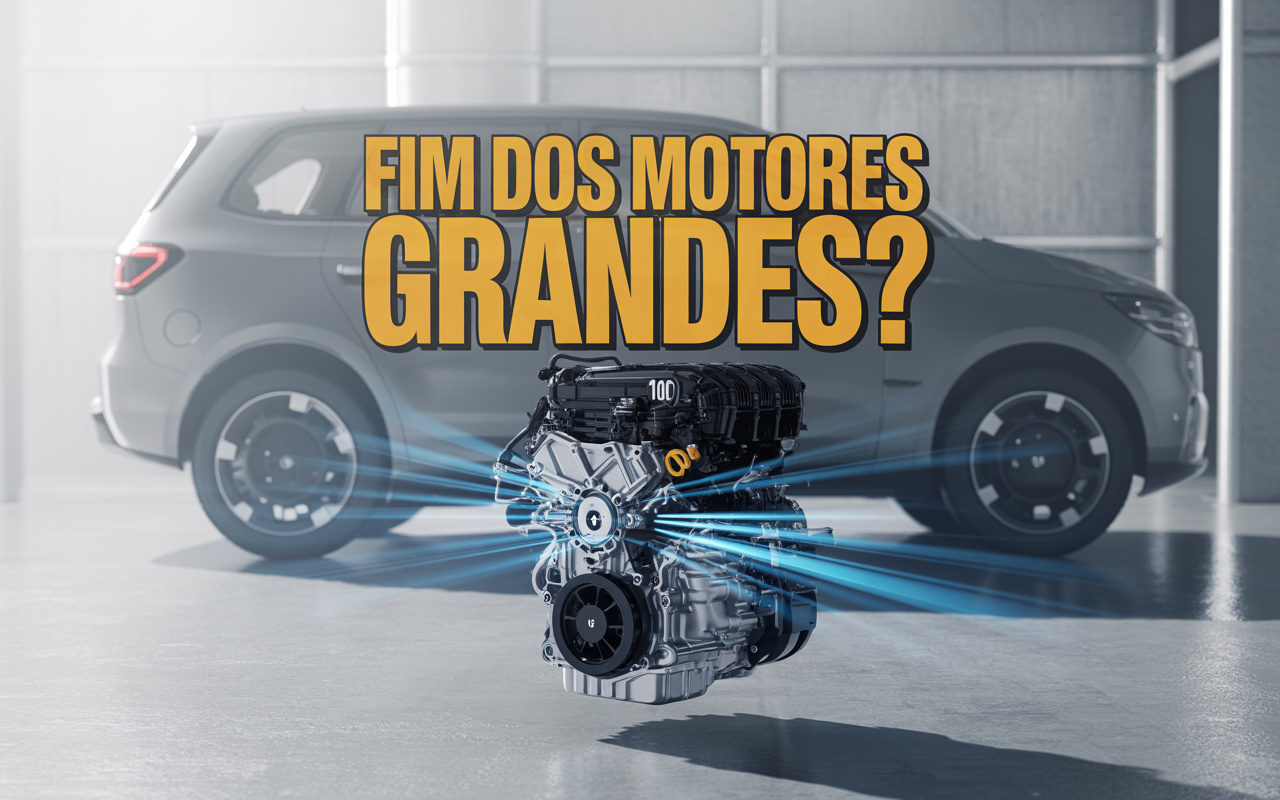
1.0 and 1.3 Turbo Engines with Hybrid Technology and Direct Injection Outperform Old 2.0 in Power and Reduce Consumption by Up to 30%, Marking the End of the Era of Large Engines.
For decades, engine size has been synonymous with status and performance. Having a car with a 2.0, 2.4, or 3.0 engine was a sign of strength, torque, and prestige. But the new generation of compact and medium vehicles is breaking this logic. Thanks to advancements in turbo technology, direct injection, and mild hybrid systems, low-displacement engines — such as 1.0 and 1.3 — now deliver equivalent (or superior) performance to the old naturally aspirated 2.0 engines, with up to 30% lower consumption and much lower emissions.
The phenomenon, known as downsizing, now dominates global automakers and has made a strong entrance in Brazil. By 2025, nearly all major manufacturers will have compact, turbocharged engines in their portfolios, capable of extracting maximum performance with minimum fuel.
The New Era of Efficiency
The principle of downsizing is simple: reduce the size and weight of the engine, compensating for the loss of displacement with boosting technology and precise electronic management. This makes it possible to generate the same power of a larger engine, but with less friction, less weight, and lower consumption.
-
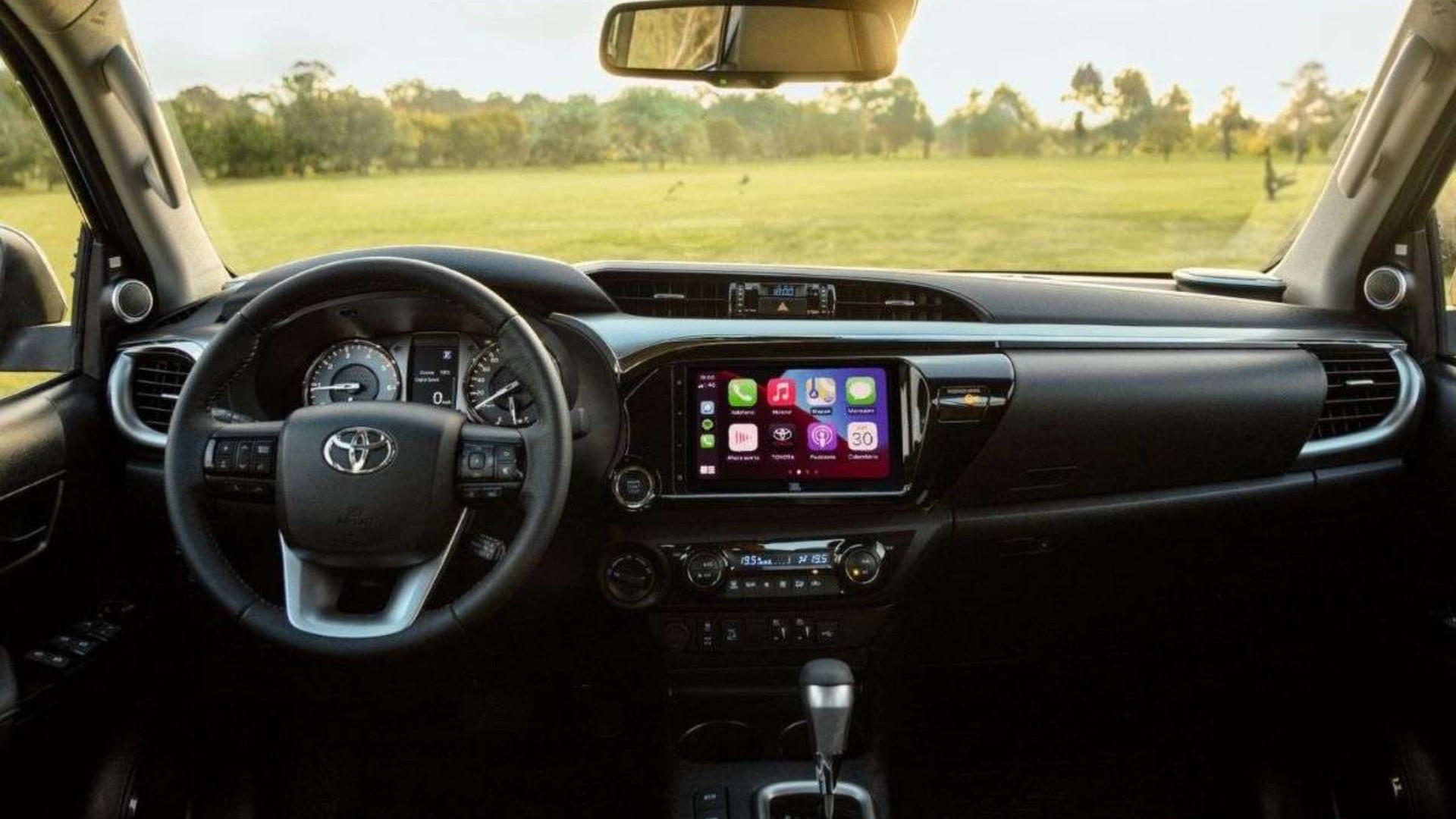
The Toyota Hilux is R$ 75.5 thousand cheaper and bets on the 2.8 turbodiesel engine with up to 204 hp and 50.9 kgfm to catch up with the VW Saveiro, which leads with 4,472 sales.
-
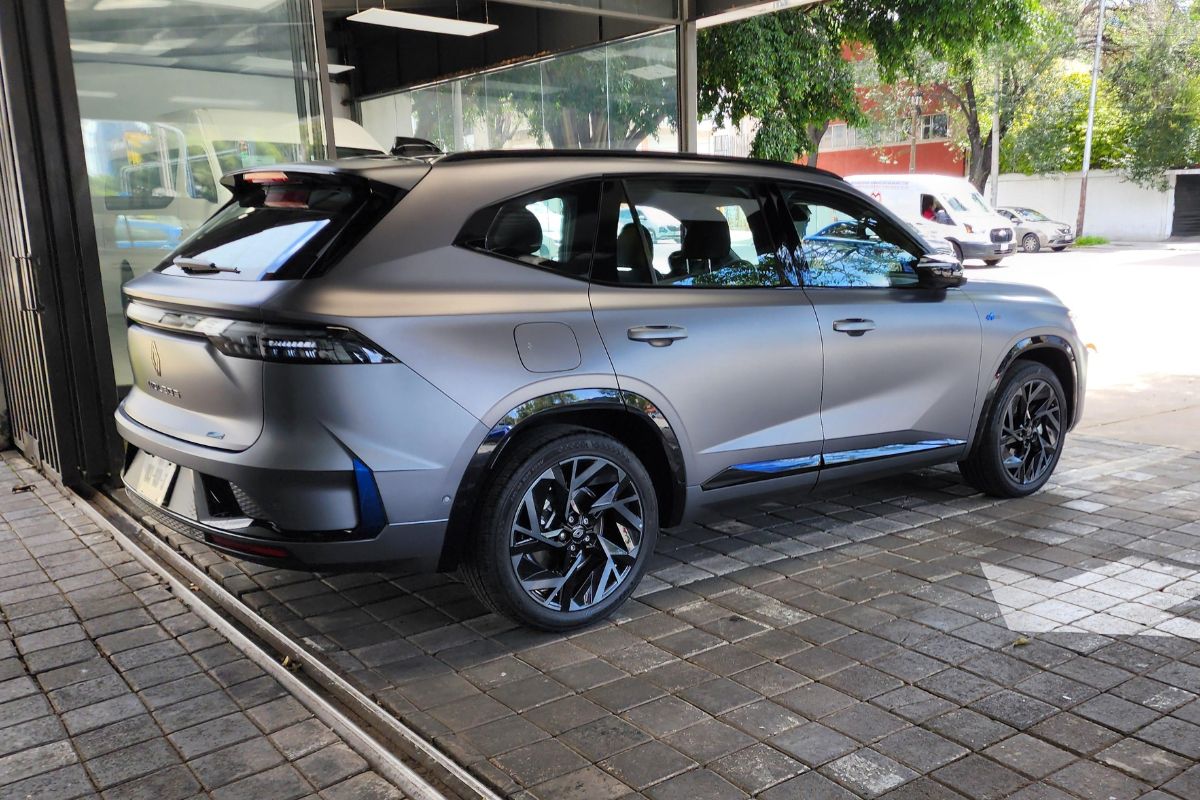
The new Renault Koleos has a screen exclusively for the passenger that is invisible to the driver, heated rear seats, and 29 assistance systems, but its Chinese competitors cost R$ 40,000 less and deliver more power.
-
The car stored for 38 years: when opening the barn door, what appears is breathtaking and looks like a scene from a movie!

-
Fiat works miracles in the Brazilian market, lowers the price of its 0 km hatch to R$ 69,990, reestablishes the model as the cheapest car in the country, and reignites the battle against Kwid and C3.

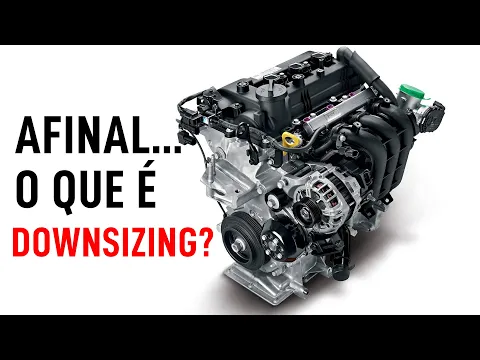

Practical examples are plentiful. The 1.0 Turbo Flex engine from Volkswagen (TSI) delivers up to 128 hp and 20.4 kgfm of torque, figures comparable to those of 2.0 naturally aspirated engines from a decade ago. Fiat, with its 1.0 GSE Turbo (T200), achieves similar performance, with 125 hp and 20.4 kgfm in models like the Pulse and Fastback. Meanwhile, the 1.3 Turbo (T270), found in the Compass and Toro, easily surpasses 185 hp — which previously belonged to 2.4 and 2.5 engines.
These numbers show how automotive engineering has managed to extract more power from smaller engines, leveraging gains in combustion, valve geometry, and thermal efficiency.
Turbo, Direct Injection, and Electronic Control
The secret lies in the integration of three fundamental technologies. The first is the turbocharger, which compresses the incoming air and increases the engine’s efficiency, allowing it to generate more power with less fuel.
The second is direct injection, which sprays fuel with millimeter precision inside the combustion chamber, ensuring an ideal mixture and better energy utilization. And the third is advanced electronic management, capable of adjusting the ignition timing and fuel flow in real time, optimizing performance as needed.
This combination has made three-cylinder engines standard in several categories. Fewer moving parts means less internal friction, better response, and more efficiency — something unthinkable 15 years ago, when 4-cylinder engines were considered the minimum acceptable.
Mild Hybrid Engines: The Next Step
Another technological leap is the mild hybrid system, which is becoming popular in compact models. This configuration uses a small auxiliary electric motor — typically 12V or 48V — to provide support during accelerations and reduce the load on the main engine.
The result is a 10% to 15% efficiency gain and a more immediate response in accelerations. Models like the Fiat Fastback Abarth Hybrid, Chevrolet Tracker MHEV, and Honda Civic e:HEV demonstrate the potential of combining smaller engines with electric support, delivering superior performance to the old 2.0 naturally aspirated engines with an average consumption of up to 18 km/l on highways.
Additionally, mild hybrids have the advantage of maintaining low cost and mechanical simplicity, without requiring external charging — making them more viable in the Brazilian market, where charging infrastructure is still limited.
Less Consumption, More Performance
The impact of the new generation of engines goes beyond performance. According to studies by manufacturers and vehicle efficiency agencies, the new 1.0 turbo engines consume up to 30% less fuel than naturally aspirated 2.0 engines from the previous decade, especially in urban use, where immediate torque makes a difference.

This means driving more kilometers on the same tank, emitting fewer pollutants while maintaining the same level of driving pleasure. That’s why, increasingly, automakers are abandoning large, heavy engines in favor of compact, efficient, and modular blocks that can be adapted for gasoline, ethanol, or partial electrification.
The End of the Era of Large Engines?
There is still room for high-displacement engines — especially in sports cars, large SUVs, and pickups — but the mass market has already been conquered by high-efficiency compacts. The change is not just a matter of trend, but of regulatory survival: CO₂ emissions targets are becoming stricter worldwide, and smaller engines are the fastest and cheapest way to meet new environmental demands.
In Brazil, the progress is so evident that, by 2025, nearly all entry-level and mid-range cars will feature turbo engines — something that was previously exclusive to premium models. And with the arrival of mild hybrids, this efficiency is expected to expand even further in the coming years.
The Future: Intelligent and Sustainable Engines
The next step in downsizing will be the complete integration of thermal and electric engines, creating even more efficient hybrids. Some automakers, such as Toyota, Honda, and Volkswagen, are already testing plug-in hybrid versions and total torque-support electric systems, capable of almost completely eliminating turbo “lag” and delivering instant responses.
What once signified power — large and thirsty engines — is now seen as obsolete. The consumer of 2025 seeks balance between power, consumption, and sustainability, and the new compact engines deliver exactly that.
Size has definitely ceased to be the most important factor. What matters now is how much intelligence fits into each cylinder.









Seja o primeiro a reagir!