





 Português
  Inglês
  Espanhol
  4 min de leitura


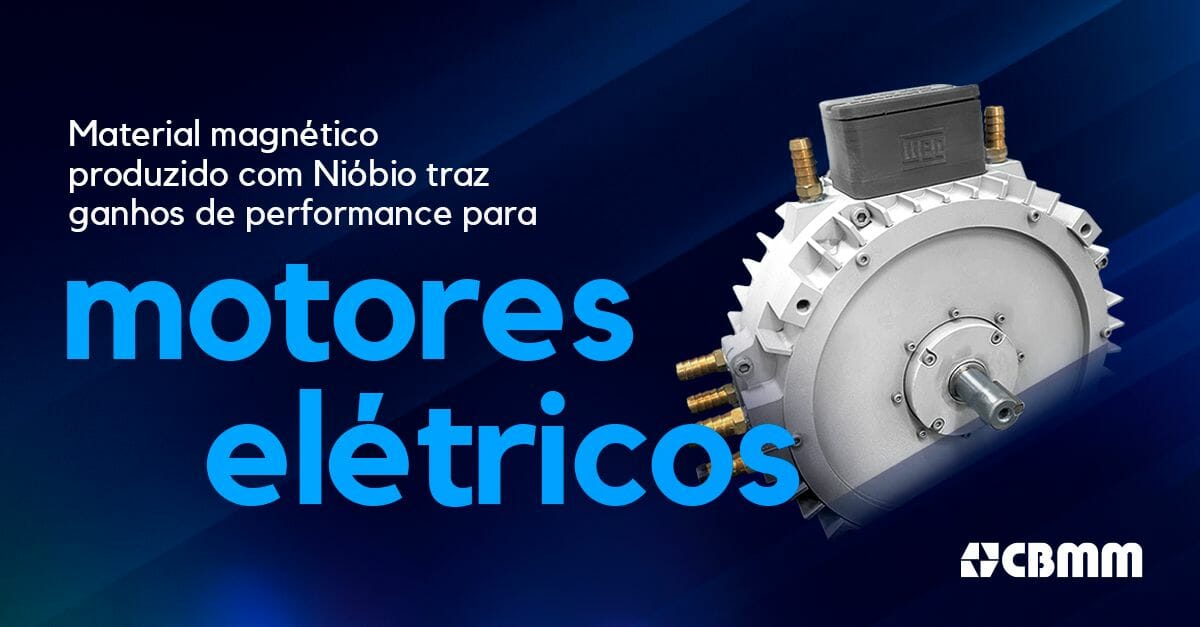
Strategic Partnership Between WEG and CBMM in the Niobium Motor Industry Highlights Brazil as a Global Leader at the Forefront of Industrial Innovation
In the depths of the industry, innovation often emerges from bold collaborations between leading companies in their respective fields. The partnership between WEG, a giant in electric motor manufacturing, and CBMM, one of the world’s leading producers of Niobium, is a testament to this spirit of collaboration. Together, these companies are shaping the future of the electric motor industry, with a revolution that promises to elevate the performance and efficiency of these essential devices.
As these advanced technologies continue to evolve, Brazil stands out as a global leader at the forefront of industrial innovation.
CBMM and Its Global Leadership in Niobium
It is important to understand the role of CBMM in the global landscape. As the world’s leading producer and marketer of niobium products, the Brazilian company has a significant presence in over 50 countries.
-
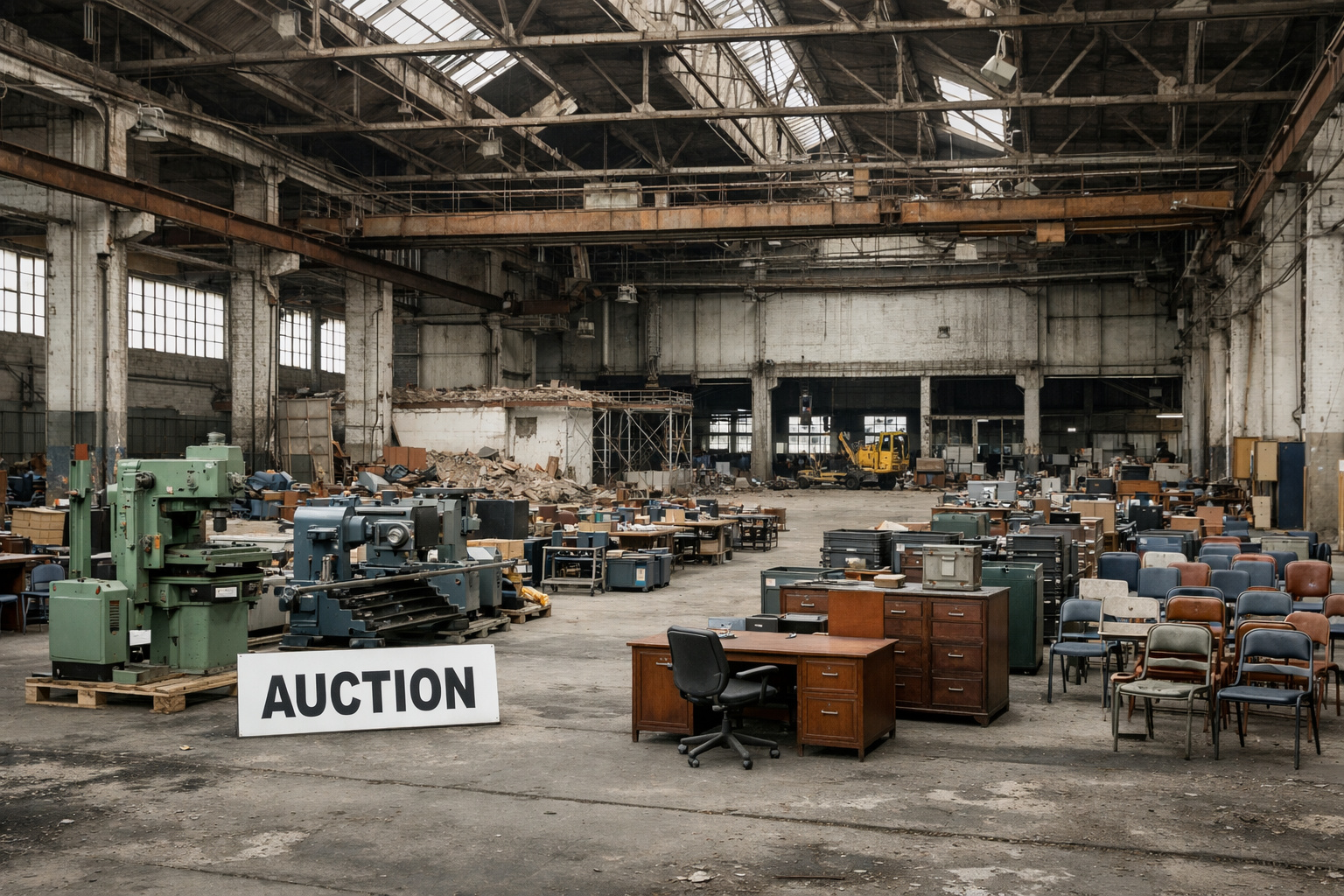
Historic bankruptcy of Centauro shocks the market, and the century-old company puts more than 500,000 products, machines, and complete infrastructure up for online auction.
-
Brazil extracts 26.3 million tons of ore from what was previously treated as waste, transforming residues into wealth, producing over 3 million tons of sand, and demonstrating how national mining is relearning to generate value.

-
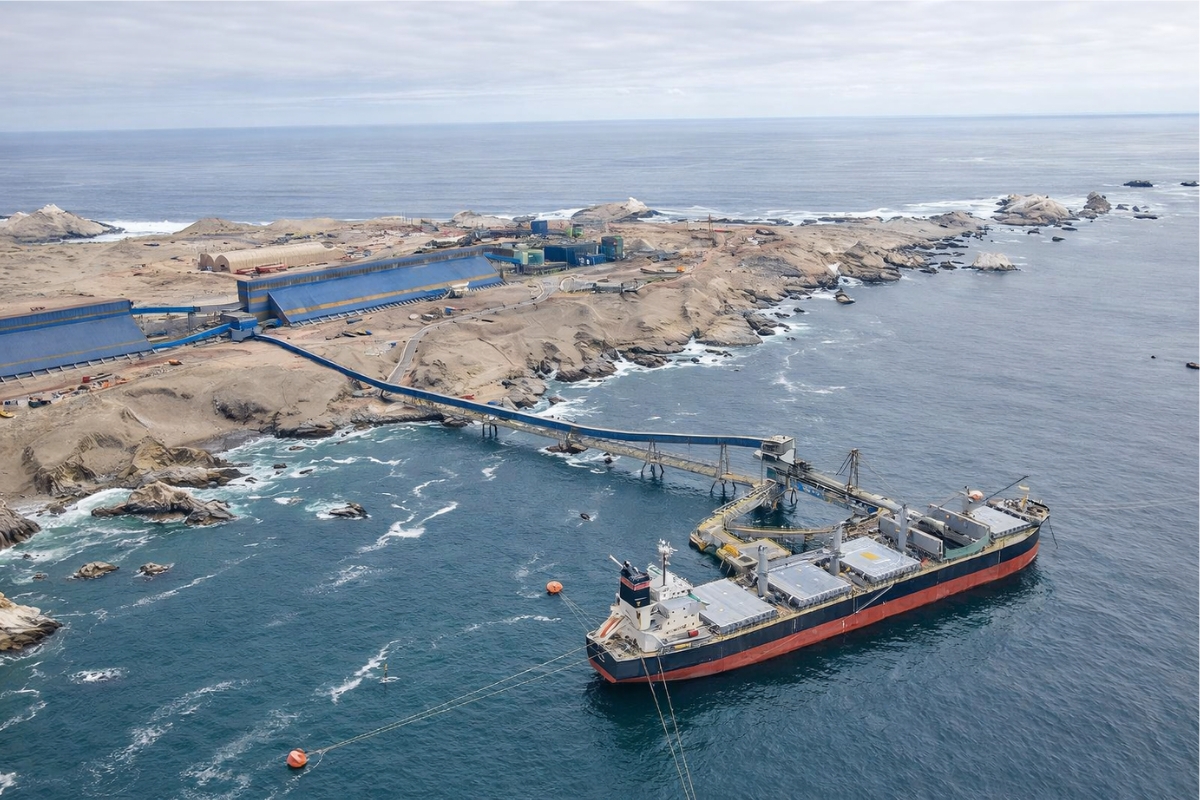
A $3.5 billion megaproject in Latin America pumps desalinated seawater at 1,050 liters per second over 194 km to keep a copper supermine in the Andes operational for another 20 years.
-
New shoe factory in Ceará is expected to create 400 jobs and strengthen the local economy.

Niobium, a transition metal, is a true hidden gem in the mineral industry. Its unique properties make it a valuable element in a wide range of applications. As an incredibly versatile transition mineral, it is capable of transforming the properties of other materials, expanding their range of applications.
In addition to its high thermal and electrical conductivity, Niobium is known for its malleability and resistance to heat and mechanical wear. This makes it an ideal component for innovations in the electronics industry, where performance is essential.
The Revolution of Nanocrystalline Material with Niobium
At the heart of this revolution is the partnership between WEG and CBMM, which aims to incorporate nanocrystalline material with Niobium into the manufacturing of axial flow electric motors. CBMM, the global leader in the production of Niobium products, has provided the necessary expertise to explore the full potential of this mineral in high-performance electric motors.
The choice to use Niobium as a component of the motor magnetic core was a bold step, but the results are truly exciting. Even with the inherent challenges related to the physical properties of Niobium, its introduction significantly reduced magnetic losses at high frequencies, becoming a game changer for high-performance motors.
This is a revolutionary milestone in the industry, as niobium is known for its remarkable properties, including high thermal and electrical conductivity, malleability, heat resistance, and mechanical wear resistance.
Impressive Performance: Reduction of Losses and Increase in Efficiency
The challenges of handling associated with niobium did not stop WEG and CBMM from achieving remarkable results. In rigorous tests conducted at WEG, the nanocrystalline material containing Niobium demonstrated an impressive 53% reduction in total motor losses compared to a similar design based on silicon steel, the material traditionally used in electric motor manufacturing.
This translated into an impressive increase of 6.7 percentage points in the motor’s efficiency level compared to traditional motors made with silicon steel.
These gains not only improved operational efficiency but also resulted in a considerable reduction in operating temperature, which in turn allowed an increase in the power density of the motor. This is a milestone in the electric motor industry, as the search for efficiency and sustainability is a priority.
Axial flow motors have unique structural characteristics that make them ideal for applications requiring high power density and superior performance. They are not only more compact, saving manufacturing resources, but also consume less energy due to their high operational efficiency.
WEG, known for investing in products with advanced technology, embraced this opportunity to contribute to a more sustainable future. By adopting nanocrystalline material with Niobium, the company is leading the way in reducing energy consumption and increasing efficiency in electric motors.
CBMM, as a global leader in niobium, is playing a vital role in accelerating the adoption of this technology across various industries, including infrastructure, mobility, aerospace, health, and energy. Its strategic investments in technology companies, such as Echion and Battery Streak, are opening new horizons for the use of niobium in lithium-ion batteries, contributing to a cleaner and more efficient world.
Steel Revolution: CSN and WEG Join Forces with Graphene for a Sustainable and Profitable Future
The partnership between Companhia Siderúrgica Nacional (CSN) and the renowned multinational WEG is revolutionizing the steel industry. The focus is on incorporating graphene into the production of coated steel, and the initial tests have already shown promising results in the lab.
However, the expectation is that by the end of 2023, industrial-scale tests will determine the economic viability of this innovation. This innovative collaboration led by the teams from CSN Inova and WEG Tintas aims to replace chromium, a toxic metal, with graphene in the resin, strengthening sustainability and providing greater resistance and durability to steel while enhancing its added value.
In addition to its environmental benefit, this change can boost CSN’s profit margins, offering a high-quality product with applications in sectors such as automotive. Sustainable steel with graphene is not only a technological innovation but also an opportunity to meet the growing demand for superior materials, representing a significant step towards a more sustainable and profitable future in the steel industry.










Seja o primeiro a reagir!