Portuguese
  Spanish


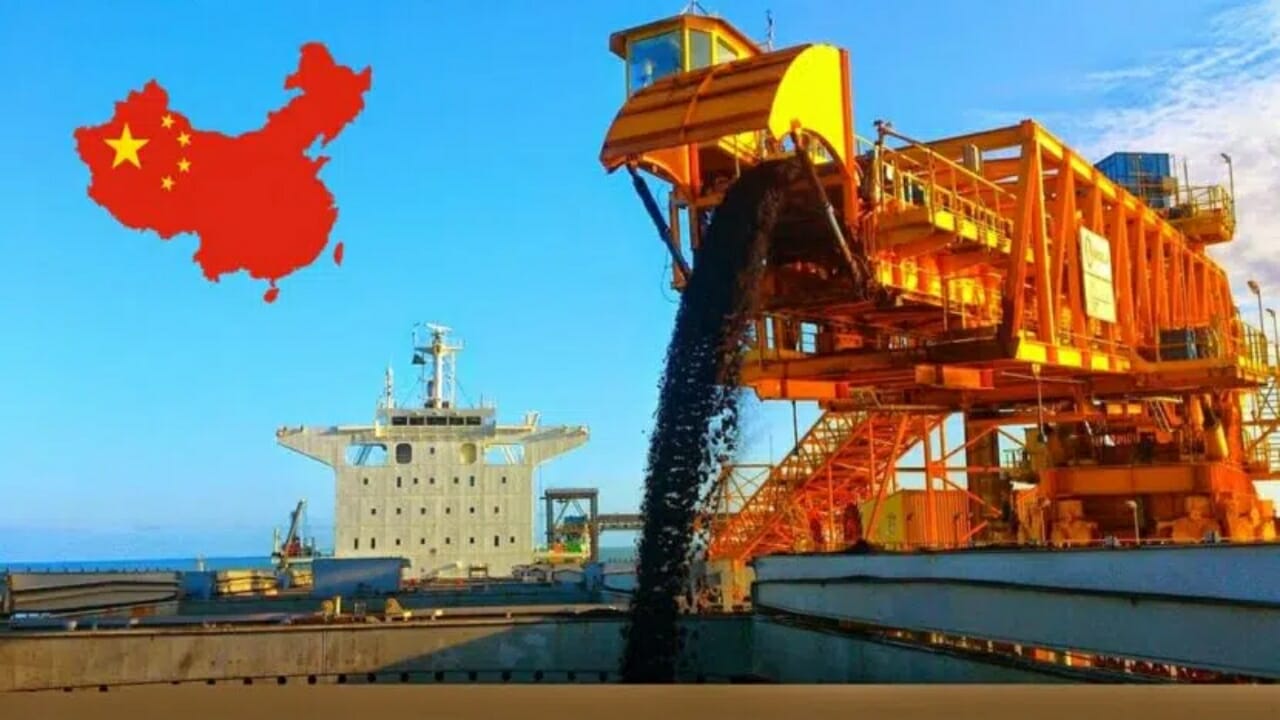

Times of ‘Fat Cows’: Brazil Stands Out as One of the Leading Global Exporters of Iron Ore, Lithium, Niobium, and Graphene
The mining industry in Brazil is undergoing a phase of significant changes, with iron ore, lithium, and niobium prices reaching historic highs in international markets. Recently, the international market has particularly witnessed a constant escalation in the price of a ton of iron ore. This trend is largely driven by China’s voracious demand for ore, which, for example, does not hesitate to pay up to US$ 118.05 per ton of iron, with delivery expected in January 2024.
However, even in the face of this bonanza, Brazil, which stands out as one of the main global suppliers of iron ore, lithium, and niobium, is facing an impasse: there is reluctance from some mining companies to fairly pay the Financial Compensation for Exploitation of Mineral Resources (CFEM), generating controversies regarding taxation and environmental impact.
The Fiscal and Environmental Liability of Mining Companies in Brazil
An additional challenge is the limited capacity of the National Mining Agency (ANM) to adequately oversee the amount of minerals extracted and ensure that mining companies fulfill their fiscal and environmental obligations. This raises questions about the effectiveness of sector regulation and the need for stricter measures to ensure compliance.
-
They exchanged the idea of a large house for a 35 m² warehouse, spent US$ 12,000 on the structure, and created a tiny house in Colorado with space to live and work.

-
While modern cities rely on pumps and electricity, in Iran, ancient tunnels carried water through the desert using only slope and gravity.
-
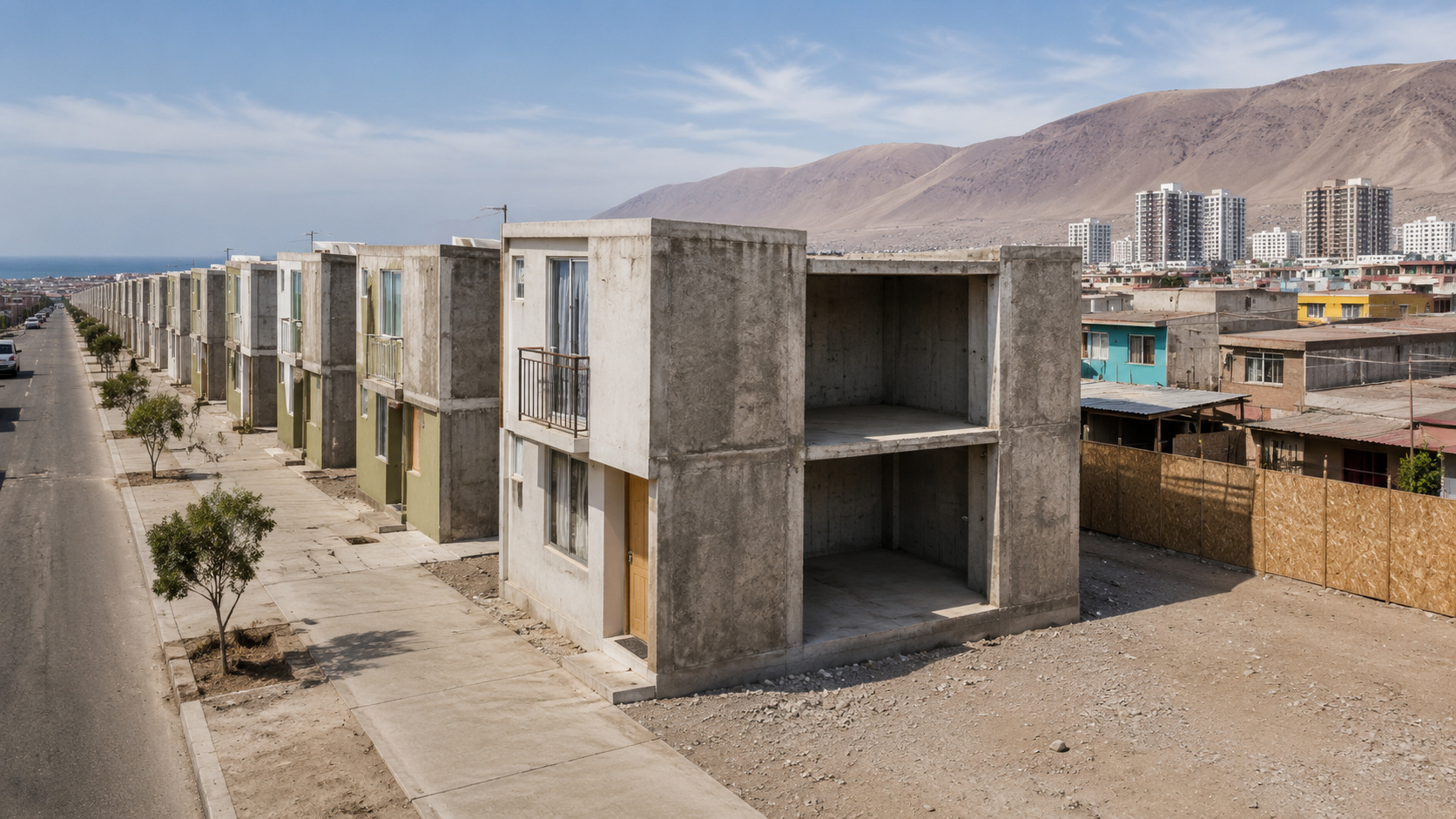
Instead of sending families far from the city, a project in Chile intentionally created incomplete houses on expensive urban land and left technical space for each to grow.
-
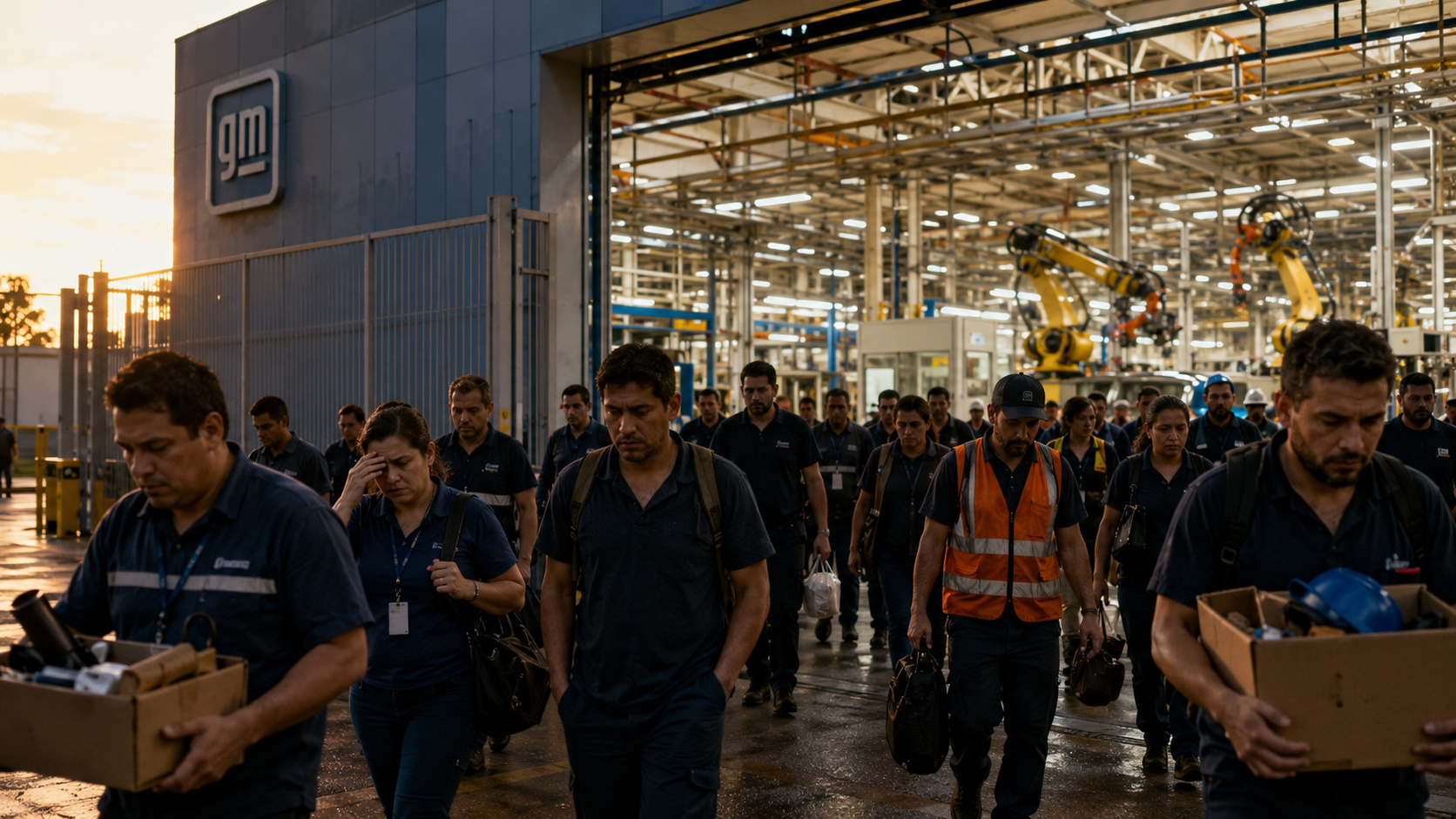
General Motors Replaces Over a Thousand Workers with 50 Cobots at Electric Vehicle Plant, UAW Union Criticizes Move Amid Industry’s Automation Push

Federal Deputy Dandara, representative of Minas Gerais, one of Brazil’s main mining hubs, announced a relevant initiative in the Chamber of Deputies. She proposes to increase the CFEM not only for iron ore but also for lithium and niobium, from 2% to 4%.
The parliamentarian emphasizes that mining companies in Brazil accumulate an immeasurable fiscal liability, while states and municipalities face financial difficulties in dealing with the damage caused by mining activities. Such damage manifests in urban mobility, roads, and public safety, making it imperative that mining companies assume a fair share of responsibility in this equation. “The fiscal liability of mining companies in Brazil is immeasurable, while states and municipalities struggle to repair the damage they cause to urban mobility, roads, and public safety,” concluded Dandara.
As mineral prices continue to rise and the pressure for a more robust CFEM grows, it is evident that the mining sector is facing a moment of assessment and change in Brazil. It is imperative to find a balance that promotes economic development while also ensuring environmental protection and the fair distribution of resources generated by mineral exploitation.
Export of Minerals and Graphene in Brazil
In addition to traditional minerals such as iron, lithium, and niobium, Brazil has excelled in the export of high-tech materials, such as graphene. This substance, with unique properties, has been the subject of research and development around the world. The expansion of this market could represent a new source of revenue for the country, but it also raises questions about adequate regulation and taxation.