





 Portuguese
  English
  Spanish
  4 min of reading
  9 comments


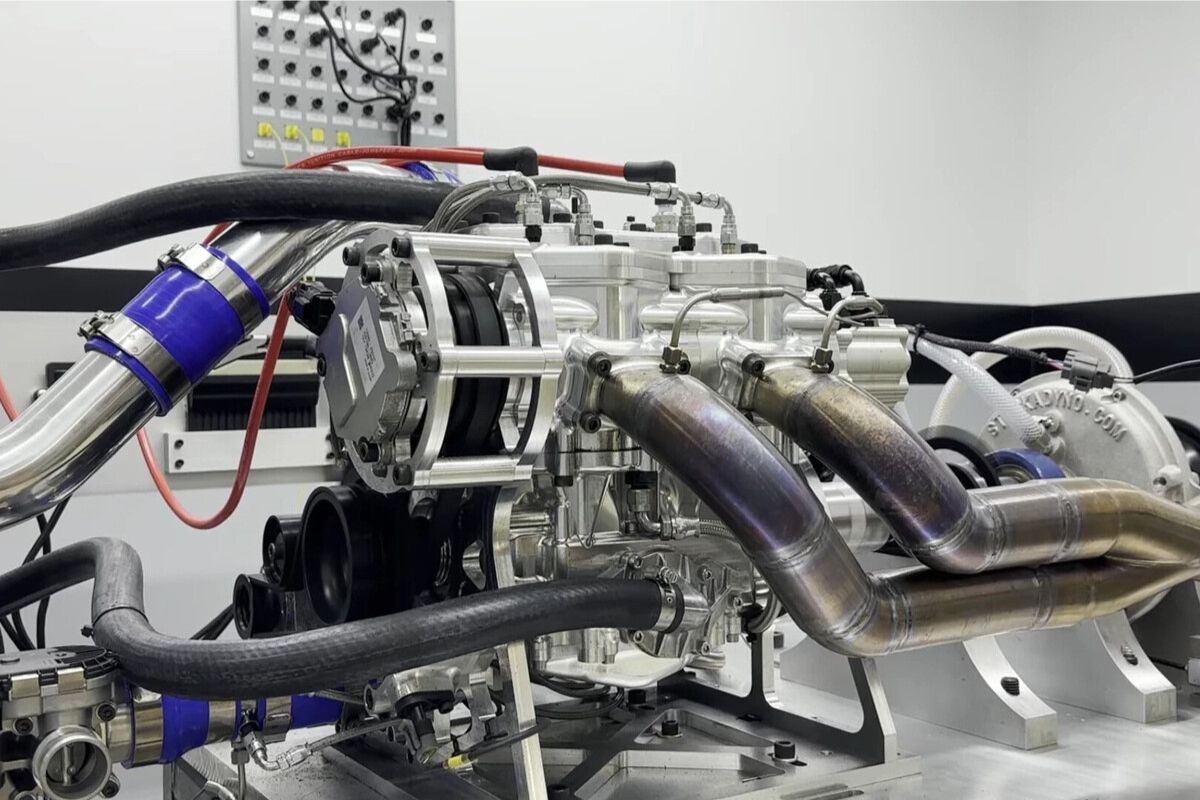


Explosion with Every Crankshaft Turn, Smoke-Free and Oil-Mixed: Meet the Future Two-Stroke Engine That is Already in Testing
For years, it seemed that the fate of two-stroke engines was sealed. Banned by strict environmental regulations and suffocated by the global quest for energy efficiency and emission reduction, these propulsion systems, known for their simplicity and raw power, were gradually replaced by cleaner alternatives. But now, two companies have decided to go against this trend: the Japanese Kawasaki and the promising Alpha-Otto are developing technologies capable of reviving the two-stroke engine – and the impact could be enormous for the future of automotive engineering.
A Radical Proposal with Japanese DNA
The movement of Kawasaki was discovered after the registration of a new patent in 2024. Far from a simple theoretical exercise, the project brings an audacious solution that reinterprets the classic two-stroke engine with direct fuel injection, command-controlled intake valves, and a turbocharging system. Instead of mixing air and fuel in the crankcase like old engines, Kawasaki’s system injects gasoline only at the end of the compression cycle — just enough to preserve the characteristic explosion with each turn of the crankshaft, without compromising efficiency.
The operation is almost a synchronized dance between technology and tradition. The piston descends after combustion, opens the exhaust ports, and allows fresh air to enter, which is then compressed before fuel injection and new ignition. This method avoids the old scavenging losses — that is, the escape of unburned mixture through the exhaust — one of the major problems that led to the end of traditional two-strokes.
-
Less than a Tera TSI, up to 710 km of range and charging in 9 minutes: the new BYD Song Ultra expands the Chinese brand’s bet on increasingly faster, more technological, and competitively priced electric SUVs.

-
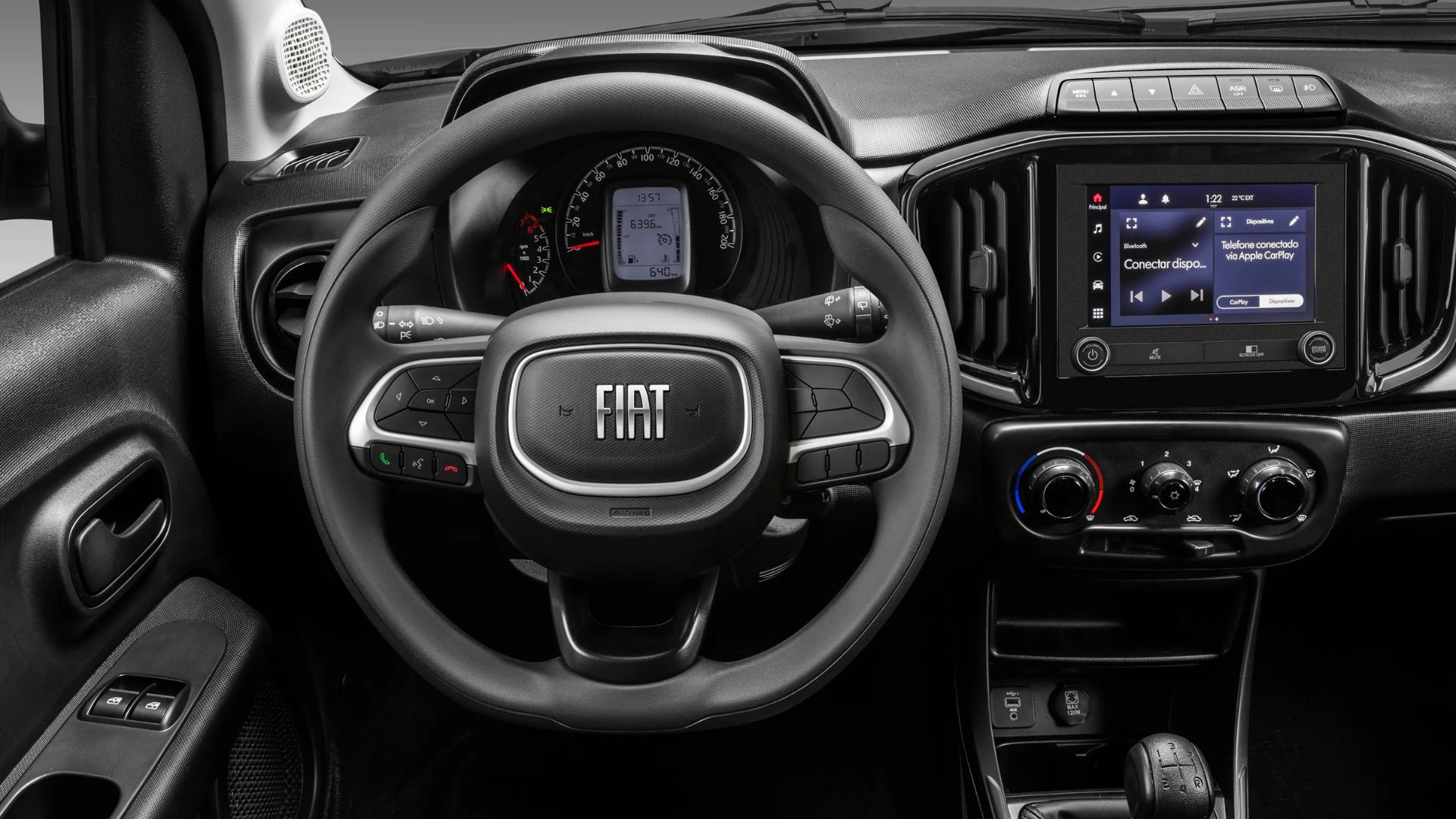
With a 1.0 engine producing 75 hp and costing less than R$ 70,000, Fiat’s car returns to the podium as the cheapest in the country; a temporary promotion for the 2026 Like version reduces the price of the Fiat Mobi.
-
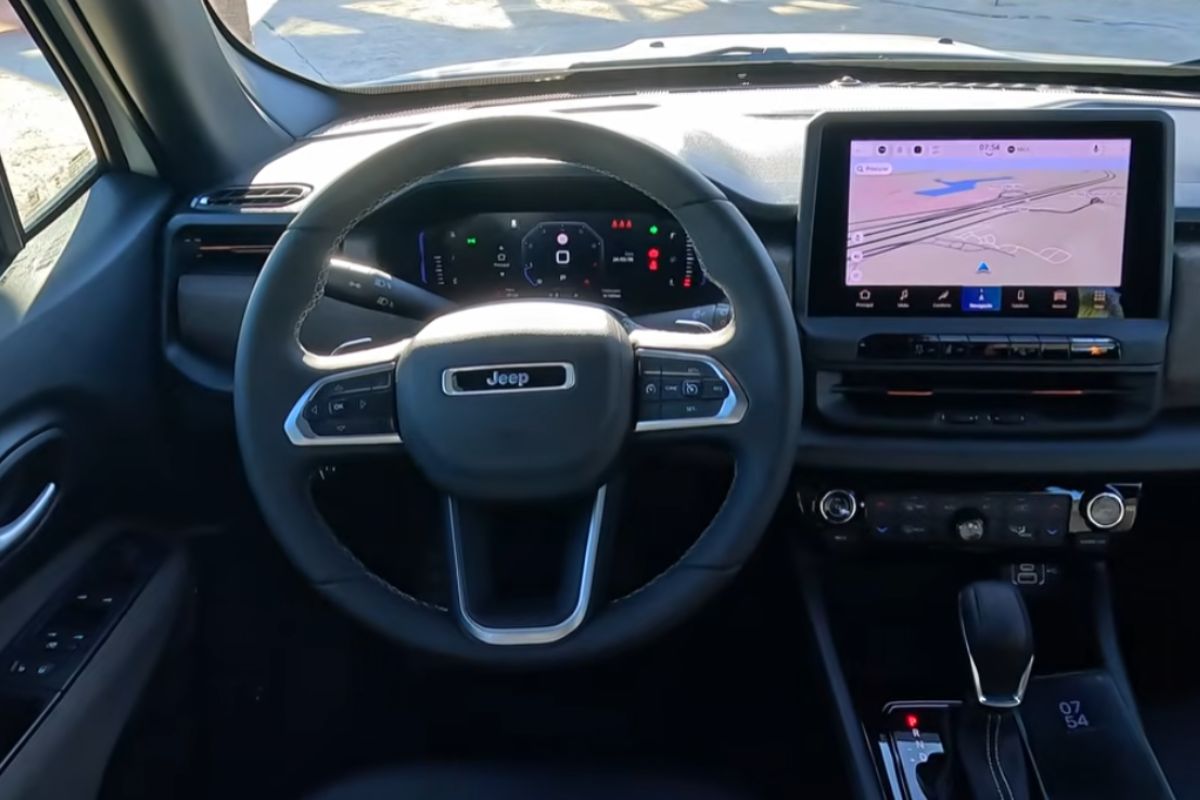
With a mild hybrid system of 48 V, 176 hp and a price of R$ 175,990 in the Sahara version, the new Jeep Renegade changes mostly on the inside, improves slightly in fuel consumption, and remains almost the same car.
-
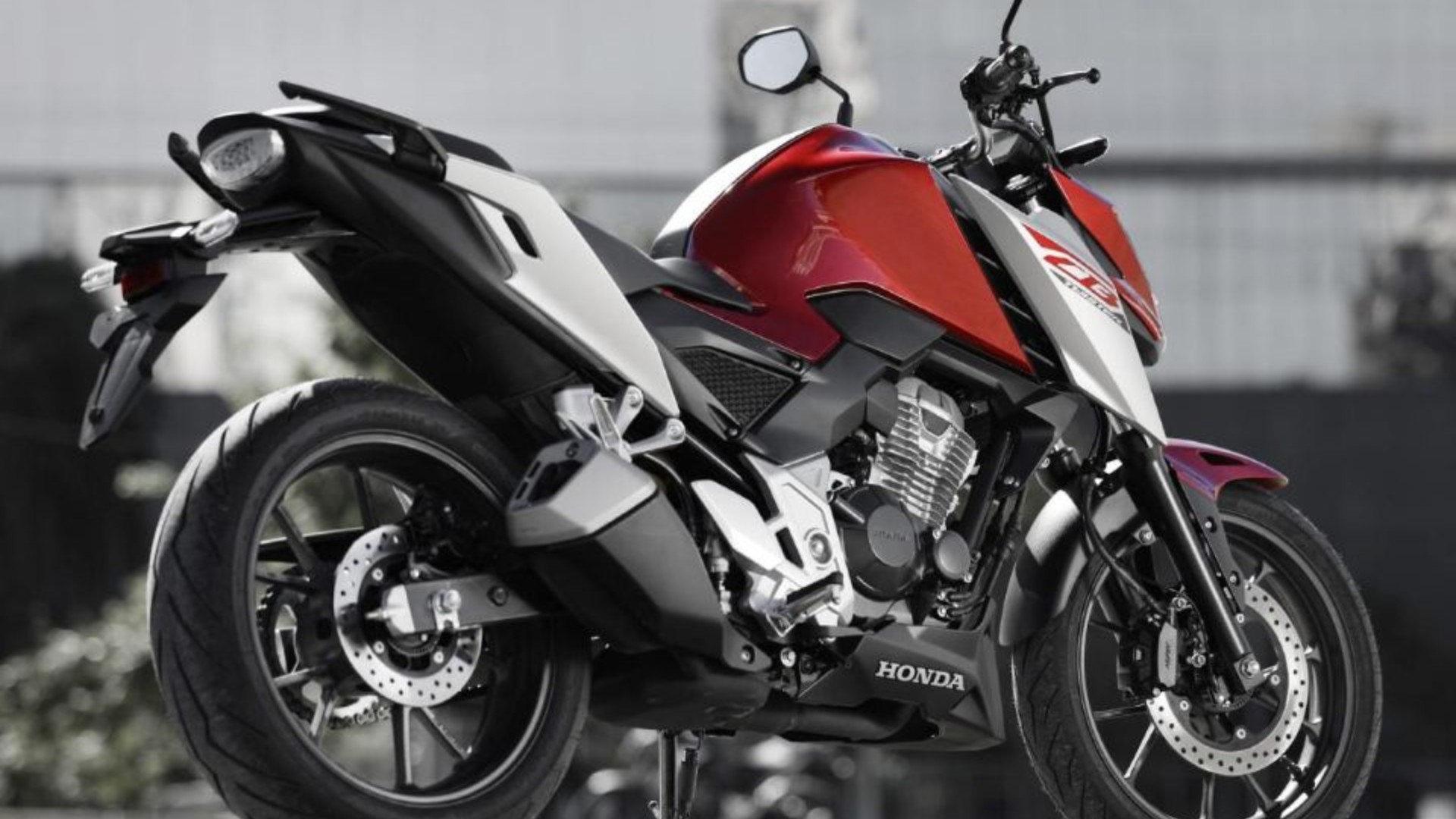
With a 293.5 cm³ engine and a range of up to 400 km with a 14.1-liter tank, the Honda CB 300F Twister 2026 has up to 24.7 hp, an initial price of R$ 25,150, and already exceeds R$ 29,000 in the Fipe Table.

According to the German publication Motorrad, which revealed details of the project, the biggest challenge now is accurately calculating the amount of air admitted in each cycle and solving lubrication without mixing oil with fuel, which would compromise the ecological proposal. Kawasaki has not yet provided details on how it intends to address these points, but the patent is already seen as a milestone in the attempt to reinvent a forgotten technology.
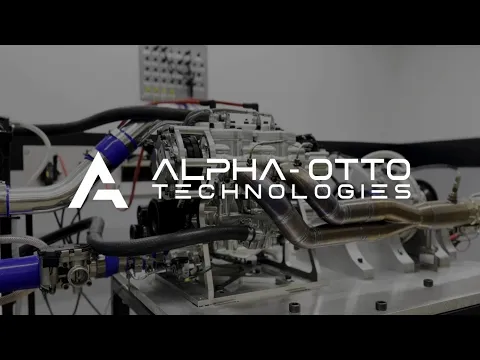

Alpha-Otto: A Multi-Energy Alternative That is Even Bolder
If Kawasaki surprises with its technical boldness, Alpha-Otto impresses with its versatility. The German startup is developing an engine called REV-Force, which also revives the two-stroke concept but with a unique proposal: to operate on virtually any type of fuel, including gasoline, hydrogen, diesel, and even heavy fuel oil. This is possible thanks to the use of direct injection and the absence of traditional valves — instead, there is a mechanical roller that regulates the opening of the exhaust, expanding the torque range while maintaining the simplicity of the cycle.
The REV-Force operates in a cycle similar to Kawasaki’s model, with clean air being admitted through slots at the bottom dead center and fuel being injected and ignited just before the top dead center. Lubrication, in turn, is done by dry sump with an external pump, a solution common in competition engines but rarely applied in street motorcycles.
According to technical data from Alpha-Otto, the engine can avoid burning lubricating oil and energy losses from fresh mixture, meaning it offers the classic advantages of two-strokes — instant power, low weight, and simple construction — without the old side effects. Furthermore, the project has broader ambitions, targeting not only the motorcycle sector but also industrial applications and even power generation, where the ability to operate on multiple fuels is a strategic differential.
The Resurrection of an Icon or Just a Utopia?
The question that arises now is: how far can these projects go? In technical terms, both engines are still far from mass production. There are obstacles to overcome, such as durability, manufacturing costs, and compliance with emission regulations. However, unlike so many ideas that die in the drawer, the projects from Kawasaki and Alpha-Otto are considered technically viable and are in active development.
The stakes are high. If successful, these engines could redefine the role of two-strokes in the 21st century, offering a clean, powerful, and efficient alternative for motorcycles and other small vehicles. In a scenario where electrification still faces limitations like cost, recharging, and range, this technology could be the perfect intermediate solution for countries with inadequate infrastructure or long distances to cover.
It is worth remembering that Kawasaki has already shown its ability to surprise the world before. It was the one that launched the Ninja H2R, one of the few motorcycles with centrifugal supercharger and over 300 hp, challenging all industry standards. If anyone can breathe new life into a nearly extinct concept, it is a manufacturer with this history.
In the meantime, Alpha-Otto emerges as a new force willing to break paradigms, with a proposal that combines performance, sustainability, and innovation into a single mechanical block. Whether through alternative fuels or bold technical solutions, the future of two-stroke engines seems to have found new heavyweight defenders.








A mais de um século É exatamente assim que funcionam os grandes motores diesel navais e para geradores de grande porte! Não entendi qual é a inovação
Vim comentar exatamente isso. O Chevrolet D60 Detroit Diesel do verdureiro virou altamente tecnológico nessa matéria
Com tanta tecnologia e esses caras querem voltar atrás com motores altamente poluentes
Acho que você não leu a matéria.
Vc deve ter tomado muita fumaça na cara, po isso não gosta dos 2T, ou é só um hondeiro **** criado pela vovó
Kawasaki sempre investindo pesado em P&D em relação a motores. Considero a melhor marca de motos da atualidade, pois, não ficam só dependendo de “motor consagrado” e atualizando carenagens apenas.