





 Portuguese
  English
  Spanish
  3 min of reading
  40 comments




Platform No Longer Prioritizes Those Who Accept The Ride First, But Those Who Accept The Lowest Value! The Dynamic Pricing Policy Has Left Earnings Unpredictable, Frustrating Workers. Understand How This Change Is Impacting The Routine And The Pocket Of App Drivers.
The Uber pricing policy has been criticized by drivers who feel harmed by the changes in the way rides are paid for.
According to Cláudio Sena, an app driver since 2016, in an article published on the 55Content portal, the company prioritizes those who accept to work for less, not those who accept first.
This strategy has caused great dissatisfaction among drivers, who report a decline in the predictability of earnings and difficulties in maintaining a stable income.
-
Attracting around 250,000 people a year, a lighthouse 200 meters from the sea, on a 60-meter high cliff, on the North Sea coast in Denmark, becomes one of the most impressive examples of how nature can threaten historical buildings.

-
The narrowest house in the world is only 63 centimeters wide, but inside it can accommodate a bathroom, kitchen, bedroom, office, and even two staircases.

-
In the middle of the sea, these enormous concrete and steel structures, built by the British Navy to protect strategic maritime routes, look like they came straight out of a Star Wars movie.
-
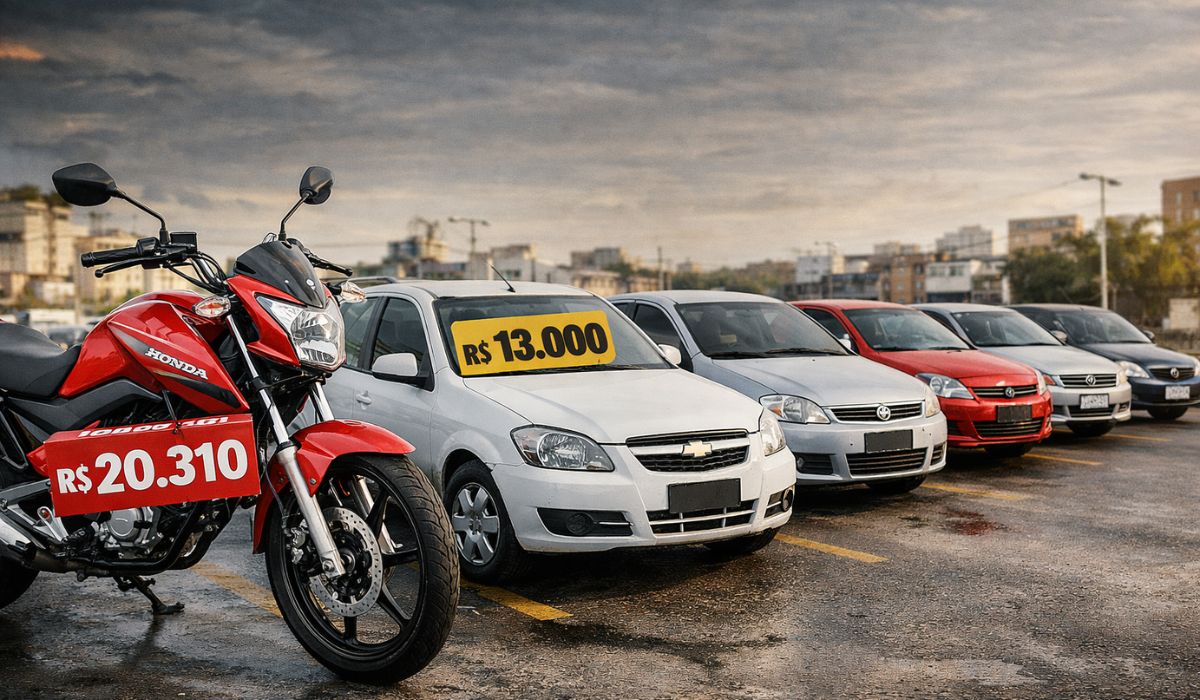
5 cheapest used cars than a Honda CG 160 Titan 0 km, with options starting at R$ 13,000 for those who want to trade their motorcycle for a car and escape the rain, sun, and risks of riding.

Uber and the Variable Pricing Policy
In recent years, Uber has changed its compensation system for drivers. Before, the driver kept 75% of the ride fare, and this percentage was predictable.
Now, the price can vary significantly, becoming a real lottery for those who depend on the service to support their families.
“You can make a trip from point A to point B today and earn an amount X, but tomorrow that same trip might yield X² or, most often, less than X”, explains Sena.
The problem intensifies because drivers enter the field expecting fair compensation for their work, but end up frustrated when they realize that the fares are unstable and often do not cover daily expenses.
This has led many to abandon the app or reduce their hours, prioritizing peak demand times.
How Does Uber Set Prices?
According to the company, fare variation takes into account factors such as the number of passengers requesting rides, the number of available drivers, and other undisclosed elements.
In practice, this means that the driver never knows exactly how much they will earn on a specific ride, making predictability almost impossible.
“It’s a game of chance. You might go out and get good fares or spend the entire day doing low-value rides”, says Sena.
Another factor that directly influences driver earnings is the so-called “trip radar”. This system allows different drivers to see varying amounts for the same ride.
“In inDrive, for example, the passenger sets a price and all drivers see the same amount. But in Uber, each driver sees a different price, and the ride is sent to the one who accepts the lowest value first”, Sena reports.
Strategies to Navigate The System
In light of this scenario, drivers have been seeking alternatives to minimize financial losses.
Some simply turn off the app and look for other sources of income when prices are low.
Others insist on the road, even with unappealing fares, hoping to secure more advantageous rides throughout the day.
“There are also those I call ‘vacuum cleaners’. They accept any ride that comes up, without assessing whether it’s really worth it. But, at the end of the day, many realize they drove a lot and earned little”, says Sena.
According to him, the best strategy is to calculate before accepting a ride, avoiding unnecessary losses and wear.
The Impact On Passengers
The changes in ride pricing do not only affect drivers. Passengers also feel the effects of this policy, especially during peak demand times.
As many drivers refuse low-value rides, wait times increase and fares may rise due to the scarcity of available drivers.
Faced with this impasse, drivers continue to pressure Uber for more transparency and better working conditions.
So far, however, the company has shown no interest in reverting to the previous, more predictable and fair model for drivers.
Have you noticed these changes when using transportation apps? How do you think this affects the quality of the service? Share your opinion in the comments!




Está uma palhaçada!
Ficamos com o desgaste total do carro, colocamos nossa vida em risco o tempo todo, não temos ajuda de custo, o combustível aumentando e a Uber tirando o nosso lucro!
Infelizmente não tem como continuar!
Uber também vem praticando certos abusos!!! Enviam solicitações de corridas que mal pagam R$1,00/km. Não aceitar reduz a taxa de aceitação e depois ainda somos ameaçados de banimento ou suspensão da plataforma
Pior app para trabalhar por isso abandonei a uber. Só uso a 99, indiver e outro que tem na minha cidade ganhos por km muito mais atrativos. Uber é um LIXO.