





 Portuguese
  English
  Spanish
  3 min of reading
  0 comments


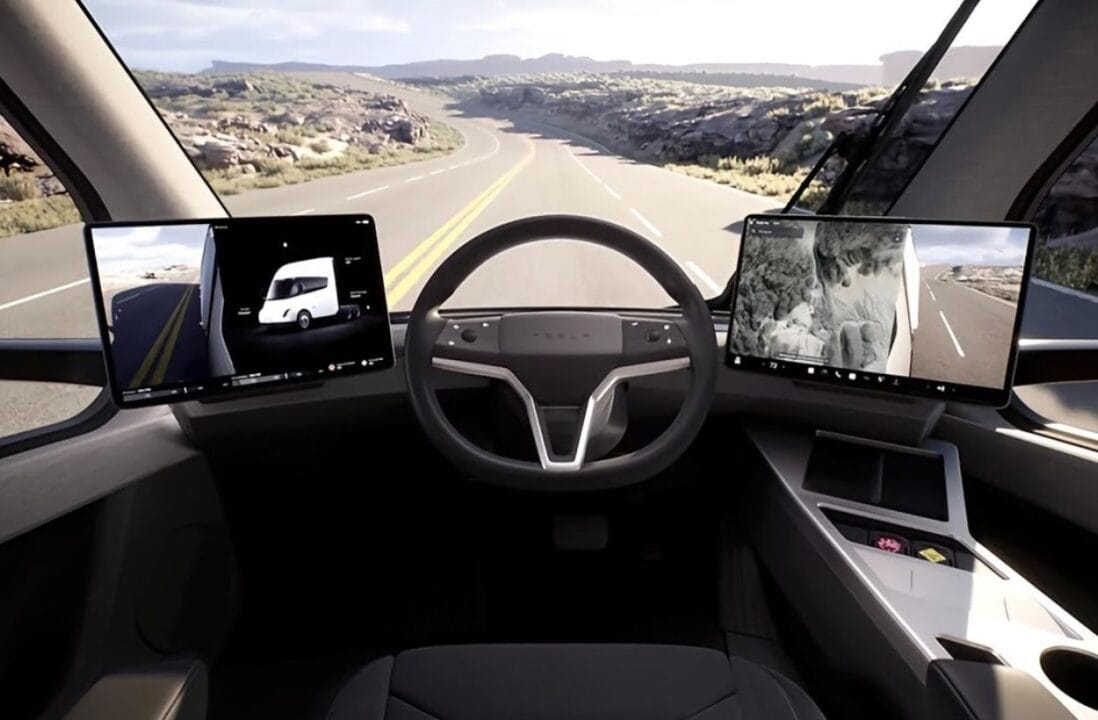
After Long Wait, Tesla Electric Truck Launched With Promises Of Innovation And Energy Efficiency. However, It Faces Criticism About Its Limited Range, Cabin Design, And Practicality For Daily Use By Truck Drivers, Highlighting A Clash Between The Company’s Futuristic Vision And The Real Needs Of The Freight Transport Market.
In December 2022, Tesla launched its long-awaited electric truck, marking a significant moment in the automotive industry. With the promise of greater efficiency and sustainability, electric trucks, like Tesla’s, offer instant torque and a differentiated driving experience, combined with regenerative braking that recovers energy for the battery.
Despite the innovations, the Tesla truck faces challenges. The transition to electric vehicles, although inevitable, comes with setbacks, especially regarding charging infrastructure and battery range, which reaches 800 km, lower than the 1,500 to 2,300 km of diesel trucks. Tesla argues that 80% of routes in the United States are shorter than 400 km, which would make its truck viable for most journeys.
Criticism Gets Sharper On The Design Of Tesla Truck Cabin
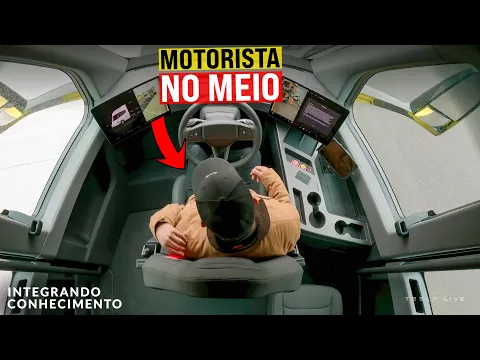

The central seat position, while innovative, complicates everyday tasks for truck drivers, such as interactions at entry points and overtaking. Reduced visibility and the absence of a sleeper cab stand out among the negatives, raising questions about practicality and comfort on long journeys.
-
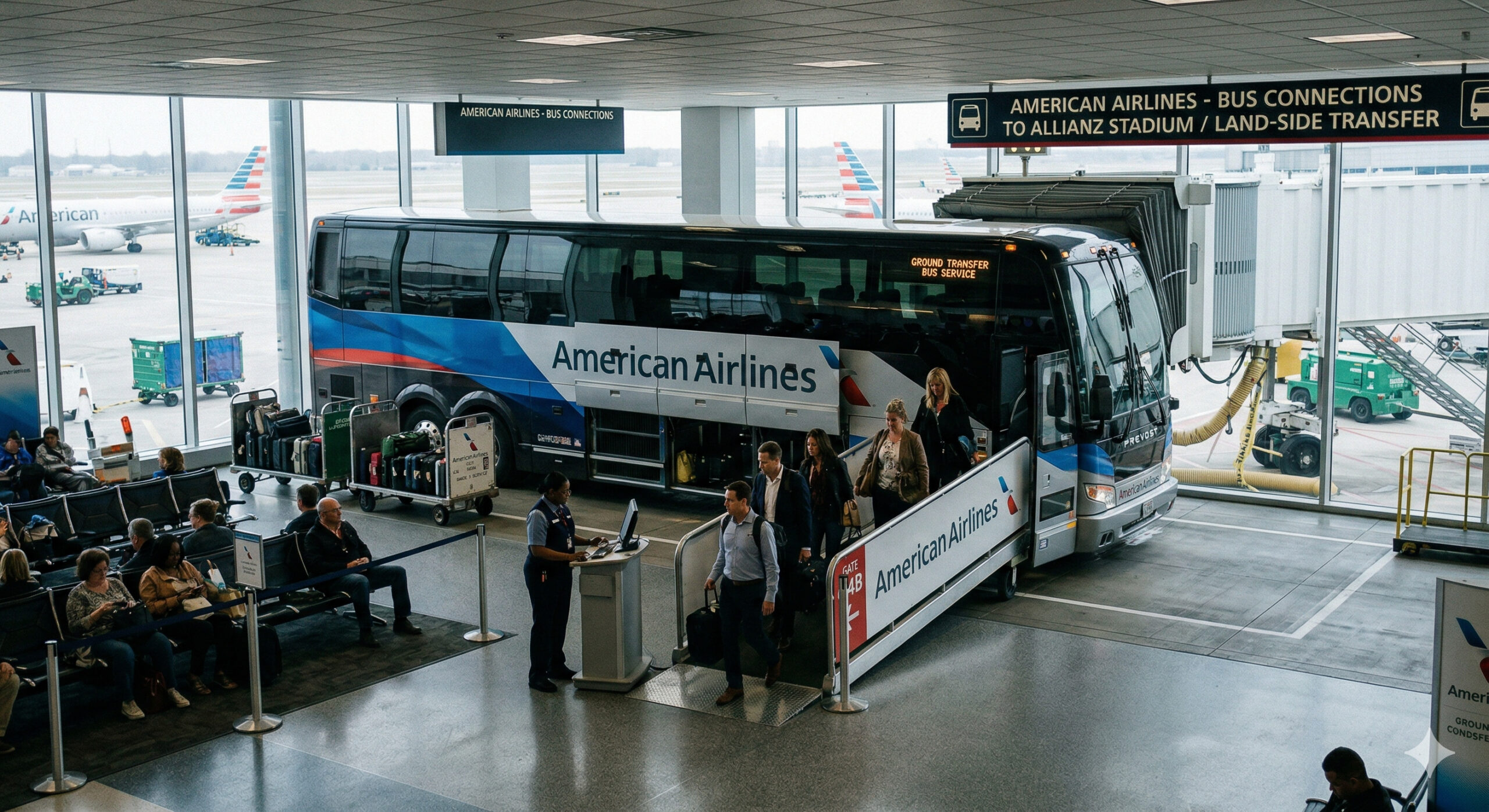
American Airlines starts selling trips as if they were flights, with check-in and baggage check at the airport, but on short routes, passengers board luxury buses connecting cities to major hubs in the U.S.
-
The government puts R$ 8.6 billion on the table to change the highway (BR) with 50 overpasses, 28 bridges, 4 tunnels, and 40 km of bike lanes in 180 km of historic duplication.

-
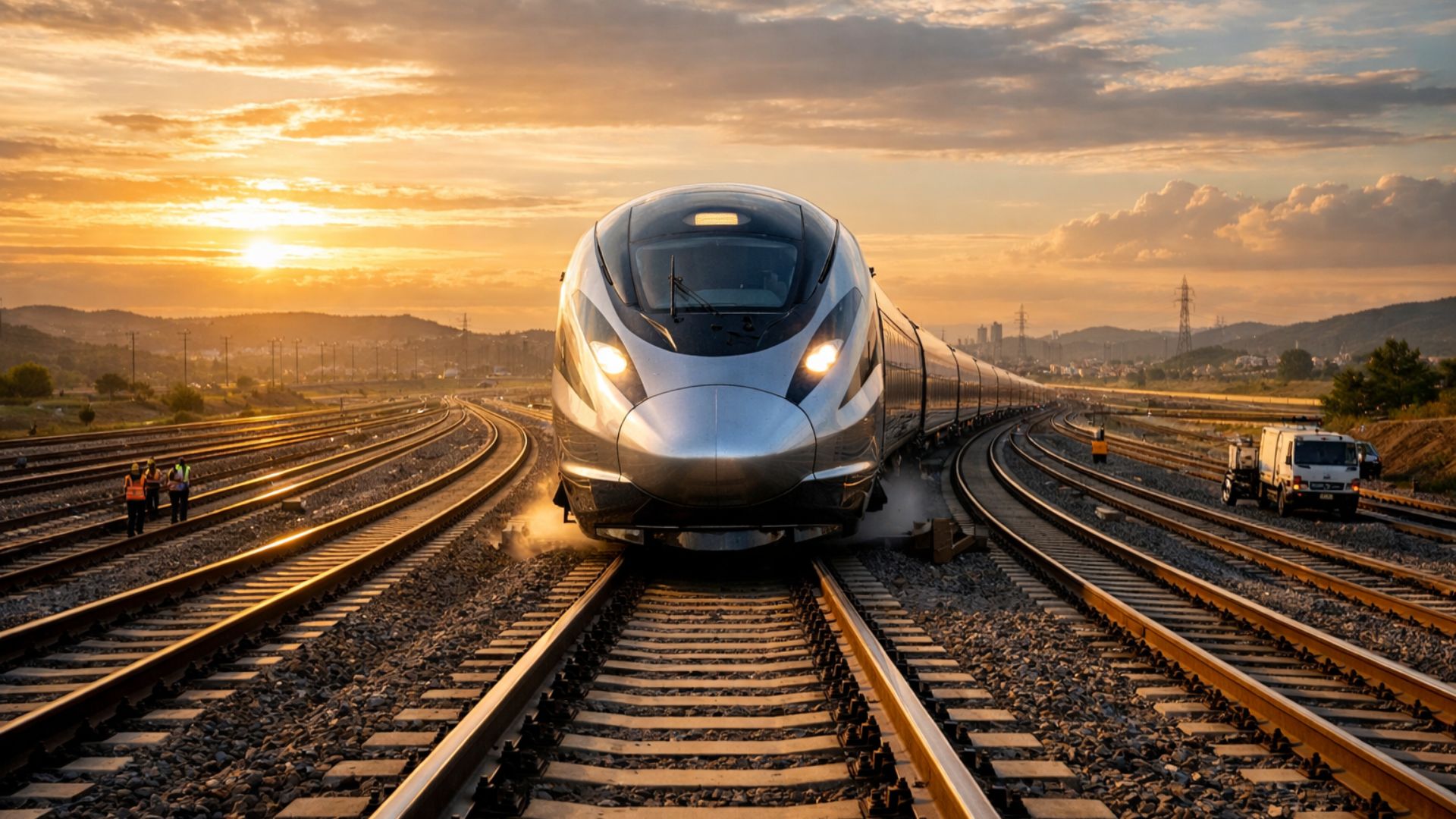
São Paulo surprises the world with a colossal railway network project that promises over 1,000 km of tracks, R$ 194 billion in investments, and 40 projects connecting the capital to the interior with fast and sustainable trains.
-
The world’s largest escalator, measuring 905 meters in China, reduces urban travel time from 1 hour to about 20 minutes and transforms mobility in mountainous regions with an engineering solution adapted to the terrain.


Tesla, known for its disruptive approach, may have underestimated the importance of aligning innovation with the practical needs of end-users. While the company celebrates the technical capabilities of its electric truck, feedback from industry professionals suggests a need for a more conventional and functional design to ensure market acceptance.
By introducing its electric truck, Tesla envisions a more sustainable future for freight transport. However, for the electric revolution to gain a foothold in the trucking sector, it is essential to balance technological innovation with the demands and comfort of drivers, ensuring that the transition to electric is not only environmentally responsible but also practical and welcomed by users.
Innovation In Design And Comfort Of Tesla Semi
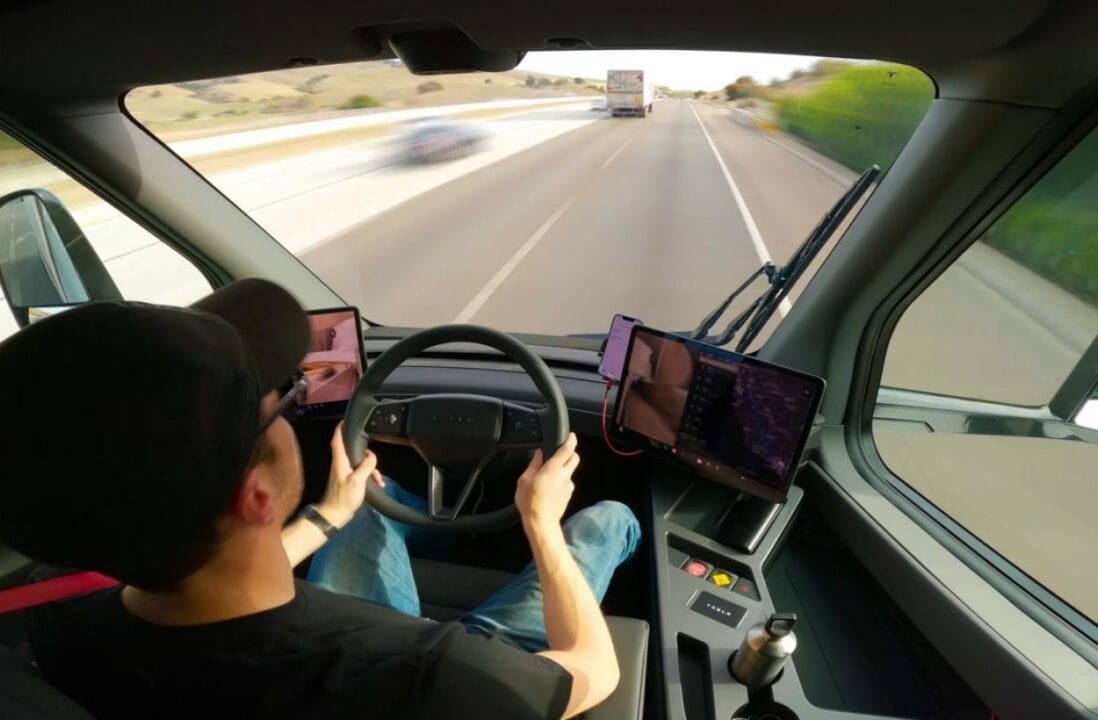
Focusing on safety and driver experience, the Tesla Semi, the company’s truck model, introduces a cabin with a central position for the driver. This layout ensures a panoramic view of the road, eliminating typical obstructions found in conventional truck cabins and hoods. The design prioritizes comfort and visibility, with predominantly digital controls displayed on large infotainment screens, facilitating operation and access to vehicle systems.
The interior of the Tesla Semi is described as spacious and comfortable, featuring a suspended central seat that provides exceptional visibility and controls within easy reach. Complementing this setup, the Semi includes advanced camera systems to enhance visibility around the vehicle, eliminating the need for traditional side mirrors and incorporating camera views directly into the control panel.
Prices And Configurations Of Tesla Semi
The Tesla Semi, the highly anticipated electric truck from Tesla, is offered in two main versions: the model with a range of 480 km starts at US$ 150,000, while the version with an 800 km range is sold for about US$ 180,000. This differentiation meets various transportation and logistics needs, providing options for short and long distances.
In Brazil, to operate a vehicle like the Tesla Semi, it is necessary to have a National Driver’s License (CNH) in category E. This category is specific for drivers of vehicles with trailers or semi-trailers, meaning heavy trucks. Requirements include being at least 21 years old and having prior experience with a CNH in categories C or D for at least one year.
Availability And Brazilian Market
The presence of the Tesla Semi in the Brazilian market is still uncertain, depending on multiple factors such as local regulations, adequate charging infrastructure, and market demand. So far, Tesla has not disclosed concrete plans for the launch of the Semi in Brazil. Potential buyers and interested parties should stay tuned to the company’s announcements for updated information about the availability of this innovative electric truck in the country.








Seja o primeiro a reagir!