





 Portuguese
  English
  Spanish
  5 min of reading
  0 comments


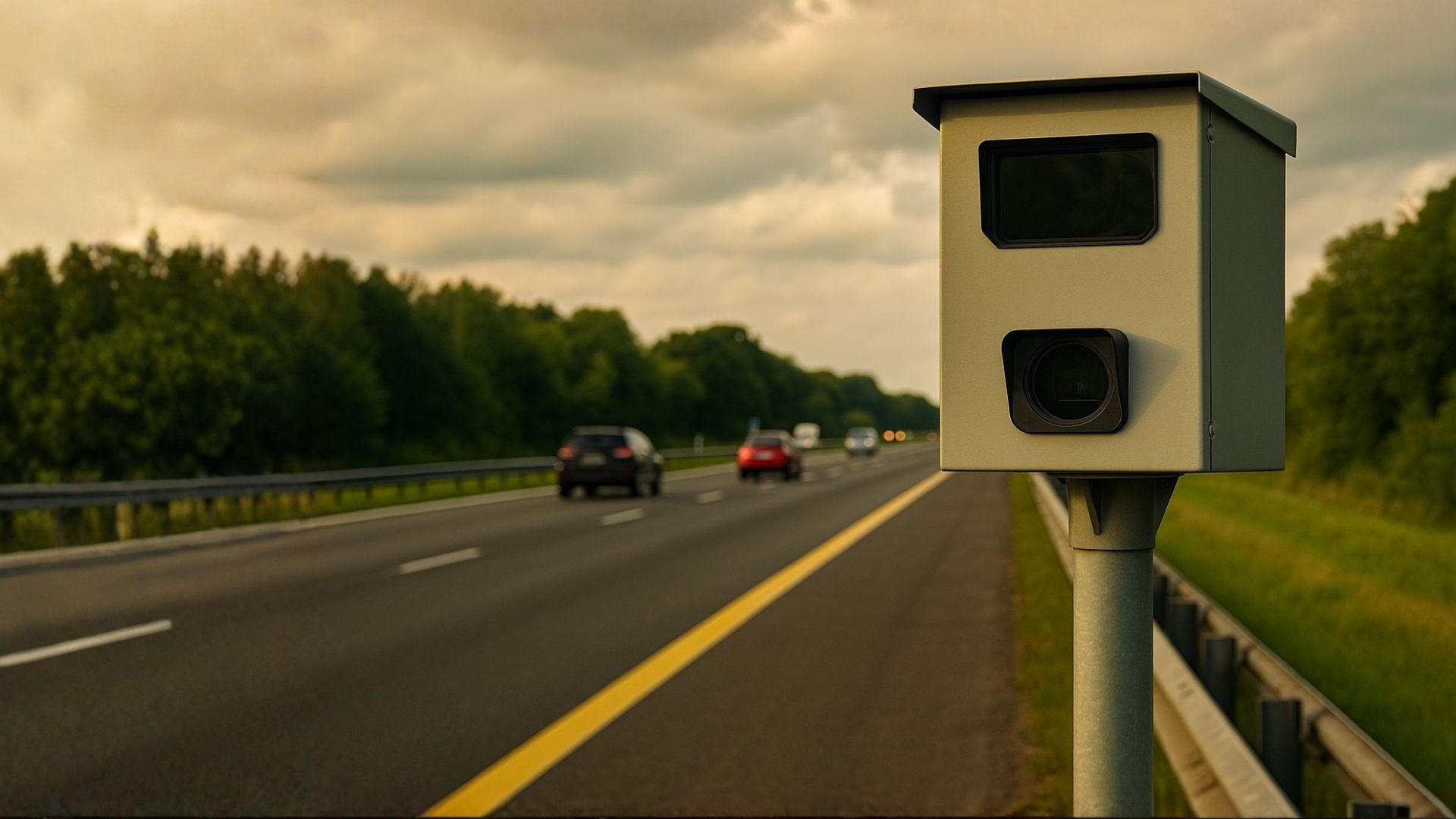
Smart Radars Expand Monitoring on the Roads and Increase the Strictness Against Illegal Overtaking, Directly Influencing Road Safety and Driver Behavior on Busy Highways.
Smart radars are already starting to change the routine of those driving on Brazilian highways.
With sensors, high-definition cameras, and automatic plate reading, these devices have begun to capture not only speed violations but also illegal overtaking on continuous lines and other risky maneuvers, resulting in heavy fines and increasing the sense of permanent surveillance on the roads.
During the last holiday and travel seasons, traffic authorities intensified the installation of this type of technology in areas considered critical, especially on single-lane roads, sharp curves, inclines, and declines with a high incidence of head-on collisions.
-
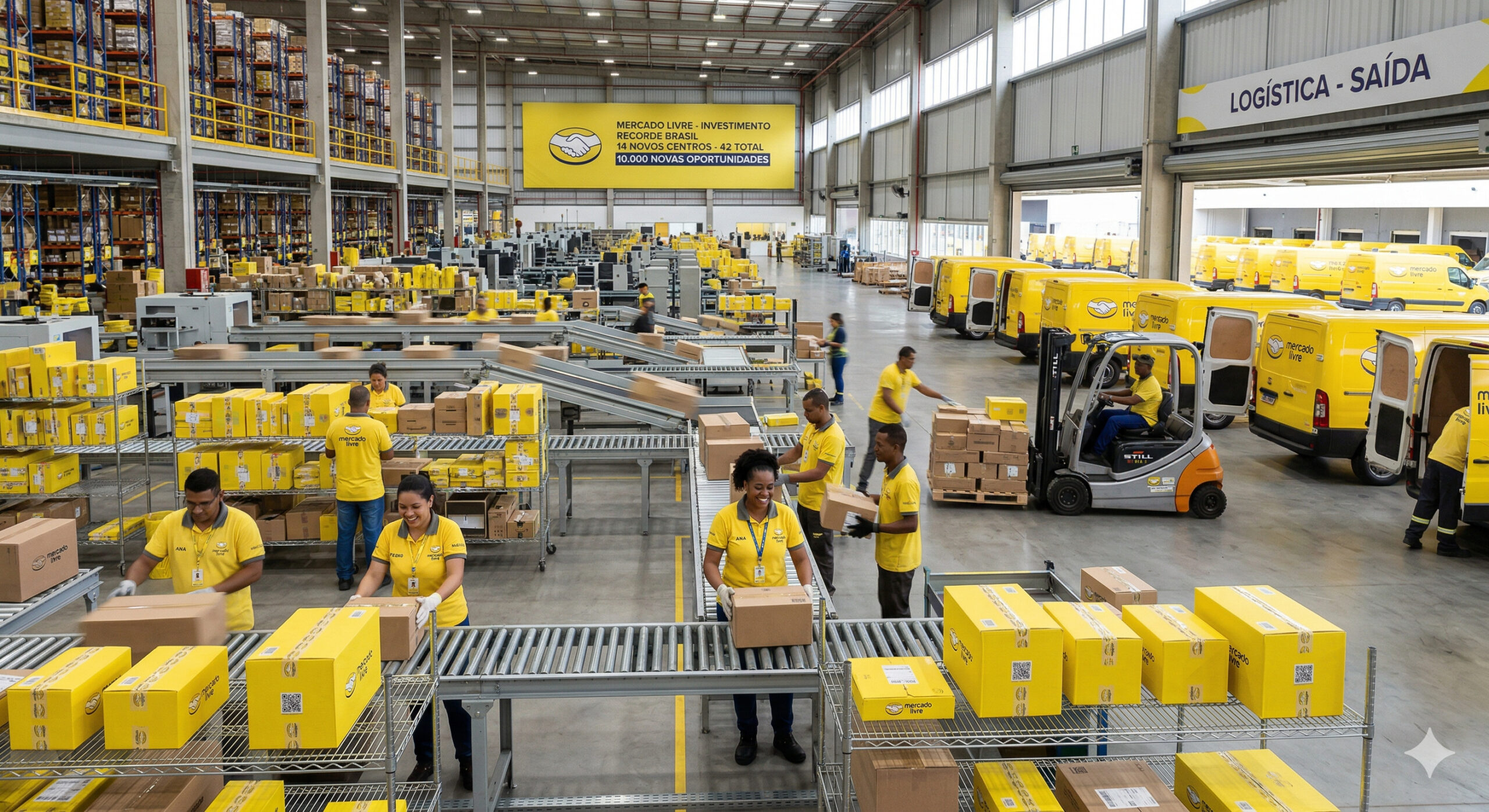
Mercado Livre “opens the vault” and announces a record investment of R$ 57 billion in Brazil in 2026, a value 50% higher than the previous year, with an expansion plan that includes 14 new logistics centers, totaling 42 units in the country and hiring an additional 10,000 employees.
-
How investment in technology can revolutionize the national economy and enhance industrial gains, according to a study that highlights the direct impact on productivity, innovation, and wealth retention within Brazil.

-
The largest food company on the planet, JBS, has just opened a 4,000 square meter laboratory in Florianópolis to develop customized proteins that modulate muscle mass gain, immune response, and metabolic performance.

-
After nearly 30 bids and competition among industry giants, a Spanish company purchases one of the largest airports in Brazil for almost R$ 3 billion and takes over the management of Galeão in a concession that will last until 2039.


The proposal is clear: reduce illegal maneuvers, cut the number of serious accidents, and decrease the total number of deaths on federal and state highways.
At the same time, electronic enforcement operates integrated with monitoring centers.
Each recorded infraction generates a set of data that includes images, time, location, and license plate of the vehicle, which is automatically forwarded to the systems of traffic departments, road departments, and the Federal Highway Police, without the need for a physical approach.
Operation of Smart Radars on the Highways
The new devices combine pavement sensors, cameras, and pattern recognition software.
In the so-called continuous line radars, specifically used to curb illegal overtaking, the sensors identify when a vehicle crosses the line where the maneuver is prohibited; the camera records the situation, and the system automatically associates the image with the license plate.
Then, the record is sent to the database of the traffic authority responsible for that section.
Once validated, the citation enters the system, and the driver is notified through official channels, such as mail, apps, or digital service portals.
This flow reduces the time between the infraction and the notification of the fine, making the punishment quicker and more predictable.
However, not all radars are limited to controlling speed or overtaking.
More modern models can check for red light violations, improper use of exclusive lanes, lack of seat belt use, and, in some places, even the use of mobile phones while driving, through the automatic analysis of captured images.
This combination of functions reinforces the idea of 24-hour surveillance in strategic sections of the highways, decreasing the exclusive reliance on the physical presence of agents and expanding enforcement coverage over long stretches of road.
Illegal Overtaking and the Risks in Traffic
Even with constant campaigns, overtaking on continuous lines remains one of the most dangerous behaviors in Brazilian traffic.
The Brazilian Traffic Code classifies this behavior as a very serious infraction, with a fine multiplied by five.
Today, the charged amount reaches R$ 1,467.35, in addition to adding seven points to the National Driver’s License.
In the case of re-offending within 12 months, the penalty is applied in double, reaching R$ 2,934.70.
These sections of continuous lines usually appear in low visibility areas, such as curves, bridges, steep inclines, or areas with a high risk of head-on collisions.
Still, many drivers insist on the maneuver, driven by urgency, recklessness, or a false sense of security.
Recent data shows that recklessness remains one of the main causes of fatal accidents on the country’s roads, and illegal overtaking figures among the recurrent triggers of these occurrences, according to traffic safety analyses.
In just one state, the Federal Highway Police has recorded over 14,000 annual fines for overtaking in prohibited areas, illustrating the size of the problem even in regional analyses.
On the national scene, studies indicate that Brazil has added, over recent years, tens of thousands of annual deaths in traffic, despite having over 21,000 radars in operation, placing the country among the world leaders in the number of enforcement devices.
This contrast reinforces specialists’ assessment that technology is a necessary but not sufficient condition to consistently reduce the most serious accidents.
Technology as Support for Road Safety
International experiences indicate that the presence of speed radars and electronic enforcement is associated with significant reductions in serious accidents.
Reviews of studies show decreases ranging from 11% to 44% in fatal accidents or those with serious injuries in monitored locations, depending on the context and type of road analyzed.
In Brazil, traffic authorities have been increasing the use of real-time video monitoring, automatic plate reading, and integrated camera and radar systems to identify multiple infractions without the need for direct approach.
In some states, this model already monitors both illegal overtaking, non-use of helmets on state highways, and irregular circulation in higher-risk areas simultaneously.
Still, specialists insist that the most lasting impact on safety depends on the combination of electronic enforcement, traffic engineering, and education.
This includes improvements in road design, visible signage, and adequate speed limits, as well as ongoing awareness campaigns focused on behaviors such as forced overtaking, speeding, and driving under fatigue.
The logic is that technology serves as a financial and legal deterrent to risk behaviors, but the decision to take the risk or not during an overtaking maneuver continues to be made by the driver, in seconds, behind the wheel.
Initial Results and Challenges on Brazilian Highways
Reports from state authorities show that in various highway stretches where enforcement was reinforced with electronic equipment and continuous monitoring, there has been a decrease in the number of accidents and in the severity of incidents over recent years.
In materials released by traffic authorities and reproduced on specialized portals, the adoption of smart radars on highways is frequently associated with a “significant decrease” in accident statistics on monitored stretches, especially where dangerous overtaking was frequent.
Nonetheless, the total number of incidents in the country remains high, leading analysts to advocate for the continued investment in enforcement and, at the same time, in structural solutions, such as correcting critical points, improving pavement, implementing a third lane on inclines, and reinforcing physical barriers to separate opposing traffic flows.
The new radars appear, in this context, as an additional layer of protection.
They increase the chance of immediate punishment for those who insist on illegal overtaking, provide more predictability to enforcement actions, and help to guide public policies by generating detailed data on where and when infractions occur.







-

Uma pessoa reagiu a isso.