





 Portuguese
  English
  Spanish
  3 min of reading
  0 comments


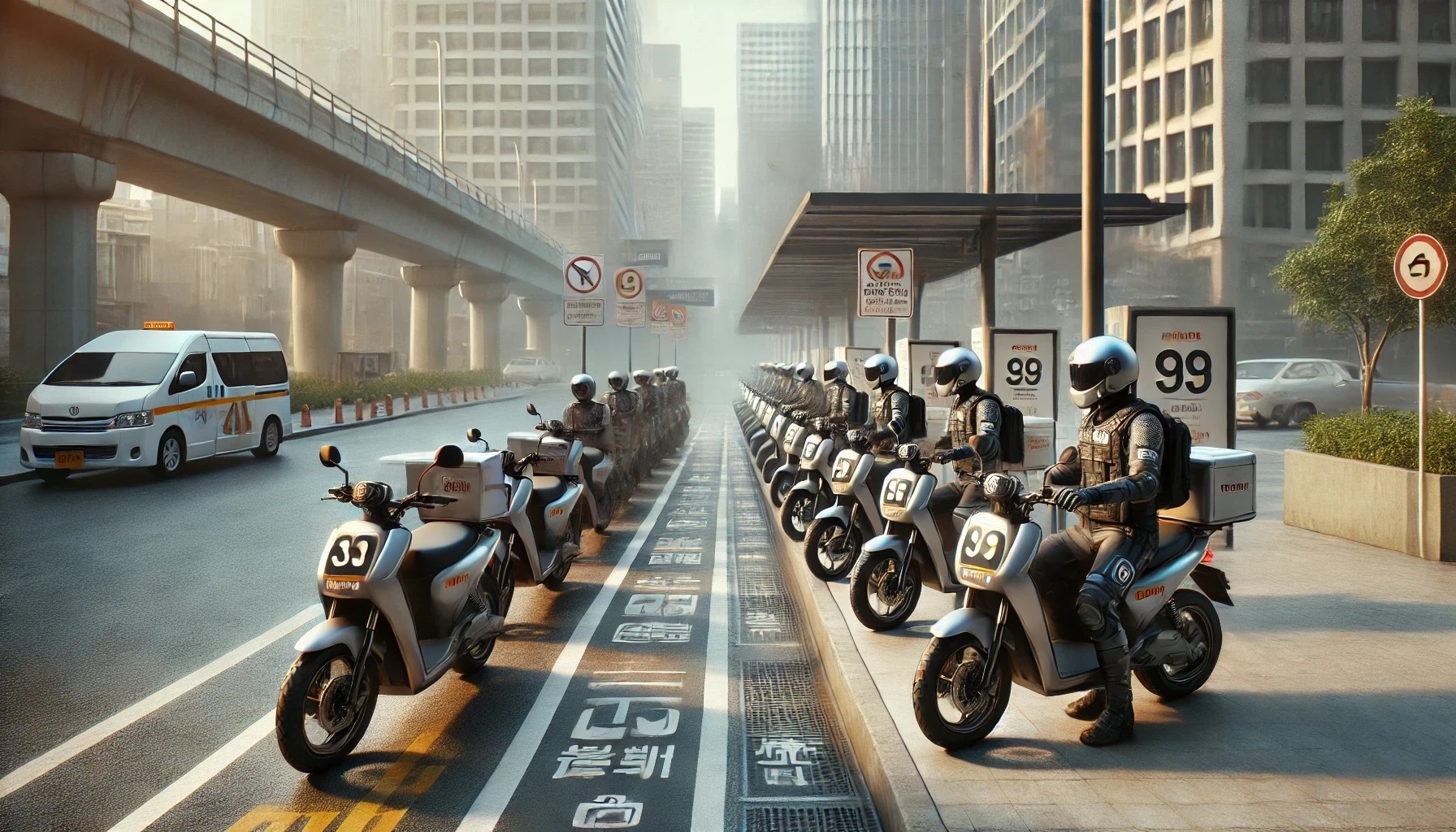
New Law Promises to Regularize Mototaxi Service in Brazil: Deputy Announces Project with New Rules for App-Based Mototaxis, Aiming for Safety and Regulation for Professionals and Users.
The Bill 271/23 introduces new rules for mototaxi and includes motorcyclists among those who can be authorized to provide paid individual passenger transport services. If the new law is approved, motorcycle drivers will be able to operate passenger transport via apps throughout the country. The text amends the National Urban Mobility Policy, bringing a new law for mototaxi regularization.
Know What Will Change with the Bill That Establishes New Rules for Mototaxi
Currently, the law establishes that the service will only be authorized by municipalities to drivers with a National Driver’s License (CNH) type B or higher, meaning they can drive four-wheeled vehicles.
The bill extends the possibility of authorization to people with a CNH type A, which allows driving motorized vehicles with two or three wheels, such as motorcycles, mopeds, tricycles, and scooters, leading to the regularization of mototaxis.
-
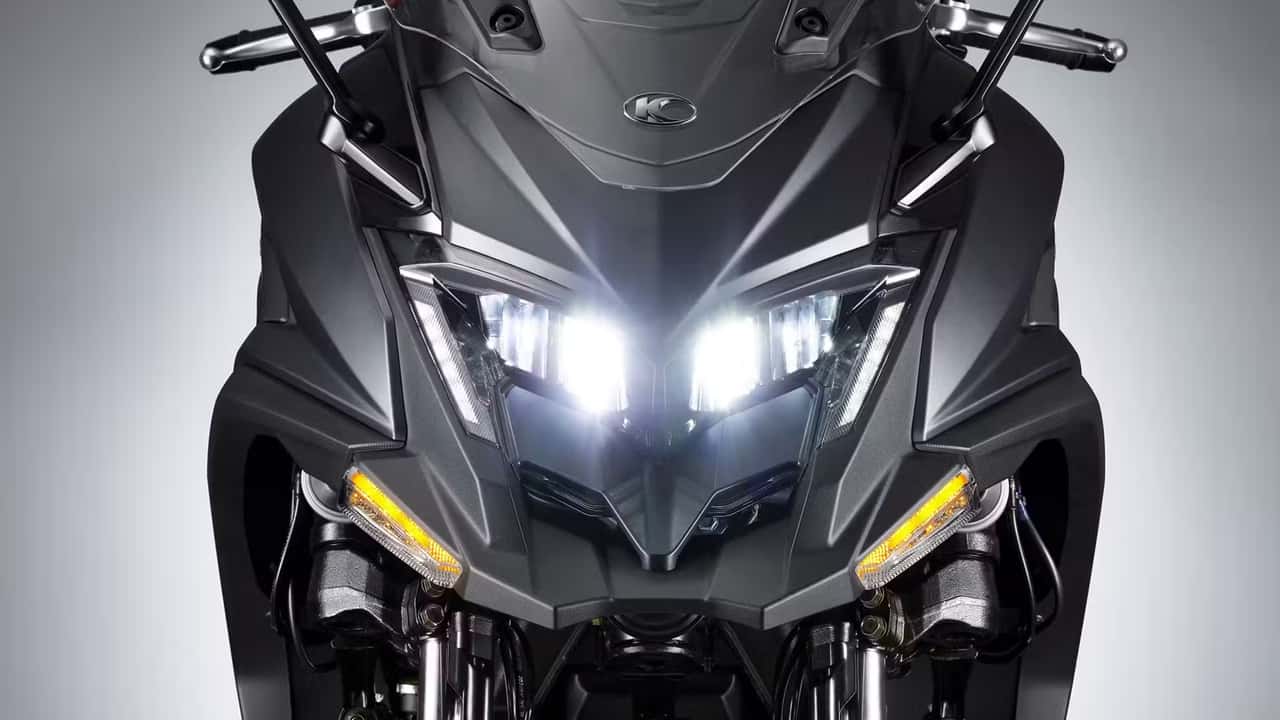
Kymco launches a 3-wheeled scooter with a 52 hp engine, a tilting front, and an audacious proposal to address one of the biggest fears of those who want to ride a motorcycle but still do not trust two wheels.
-
Most drivers make a big mistake on the road without knowing: there is an exact speed that makes the engine work with minimal effort and saves much more fuel, and it is neither 80 km/h nor 100 km/h as many imagine.
-
Mechanic explains: Ferrari 296 has a hybrid system management failure that can drain the high-voltage battery to an “irrecoverable” point in the car; recovery requires charging cell by cell on a bench, is risky, and the battery can cost R$ 250,000 imported.

-
It surpassed the T-Cross, Creta, and Tracker: with nearly 8,000 units sold, the Volkswagen Tera was the best-selling SUV in March 2026.
According to the author of the new law, Deputy Amom Mandel (Cidadania-AM), although the law has already been adjusted for new transport modalities such as Uber, the final text inadvertently excluded the category of motorcyclists due to a drafting oversight.
According to the legislator, this limitation, which requires new rules for mototaxi, imposes obstacles not only on drivers who hold a National Driver’s License in category A, who wish to provide passenger transport services via apps with motorcycles, but also on potential users of the service, who see it as a less costly alternative for mobility.
The Bill, which will bring mototaxi regularization, will be reviewed by the committees on Urban Development, Transportation, and Constitution, Justice and Citizenship.
What Are the Current Rules for Mototaxis?
Today, the topic of mototaxi is controversial. São Paulo (SP), for example, is one of the cities where this type of transport is prohibited. There is no federal regulation on the matter, and it is either prohibited or allowed on an individual basis by each municipality.
Since 2017, there have been bills to bring mototaxi regularization, but a national consensus has never been reached. Only in 2022, the National Traffic Council (Contran) imposed requirements for the practice in cities where it is permitted.
It became mandatory for the performance of motofrete or mototaxi that the driver be at least 21 years old and have at least 2 years of licensing in category A. Approval in a “specialized course, as regulated by Contran” is also required. Lastly, the professional must wear a vest with retroreflective elements.
A helmet with a visor or specific protective glasses for motorcycles is required for both the driver and the passenger. As for the motorcycle, it is still required that the vehicle has the infamous “red plate,” indicating that it is registered as a rental vehicle. In addition, they must have engine or leg protectors in case of a fall, popularly known as “mata-cachorro” and a line trimmer antenna, or kite-cutter.
Manaus Advances in New Rules for Mototaxi
The City Hall of Manaus, represented by the director-president of the Municipal Institute of Urban Mobility (IMMU), received, on the morning of this Monday (21/10), at the Executive headquarters, representatives and leaders from the motorcycle app sector.
The main objective of the meeting was to align demands, strengthen the organization of the category, and pave the way for the development of a bill that brings more safety, rights, and duties to workers in the field.










Seja o primeiro a reagir!