





 Português
  Inglês
  Espanhol
  2 min de leitura
  0 comentários


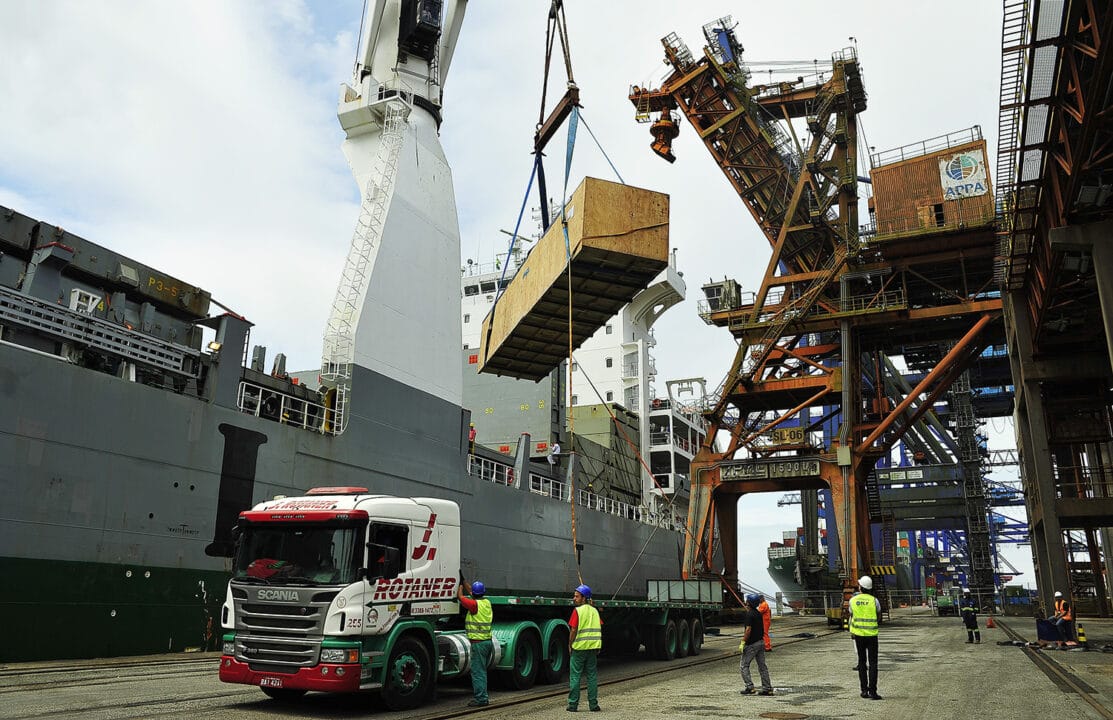
Growth in Port Cargo Handling Requires Preventive Maintenance, Safe Equipment, and Professional Qualifications to Ensure Protection.
The significant increase in cargo handling in Brazilian ports demands a more effective risk management strategy to ensure safety in operations. To achieve this, it is essential to invest in preventive maintenance, the use of suitable and safe equipment, and to promote the continuous qualification of the professionals involved. Such measures are fundamental to ensure that the growth in port activities does not compromise the safety of workers and goods.
In addition to equipment maintenance, accident prevention is a crucial factor that cannot be neglected. Companies must adopt rigorous prevention policies, providing a safer environment for everyone. Continuous training for workers and the implementation of care protocols are equally important. Investing in the training of professionals is a way to ensure that safety practices are always followed, minimizing risks and promoting a more protected port environment.
Increase in Port Activities
In the first four months of this year, a growth of 5.92% was observed compared to the same period last year. This advance represents the handling of 413.5 million tons. Data provided by the National Agency of Waterway Transportation (Antaq) reinforces the estimates from the Ministry of Ports and Airports, which projects to close the year 2024 with an expansion of at least 6%.
-
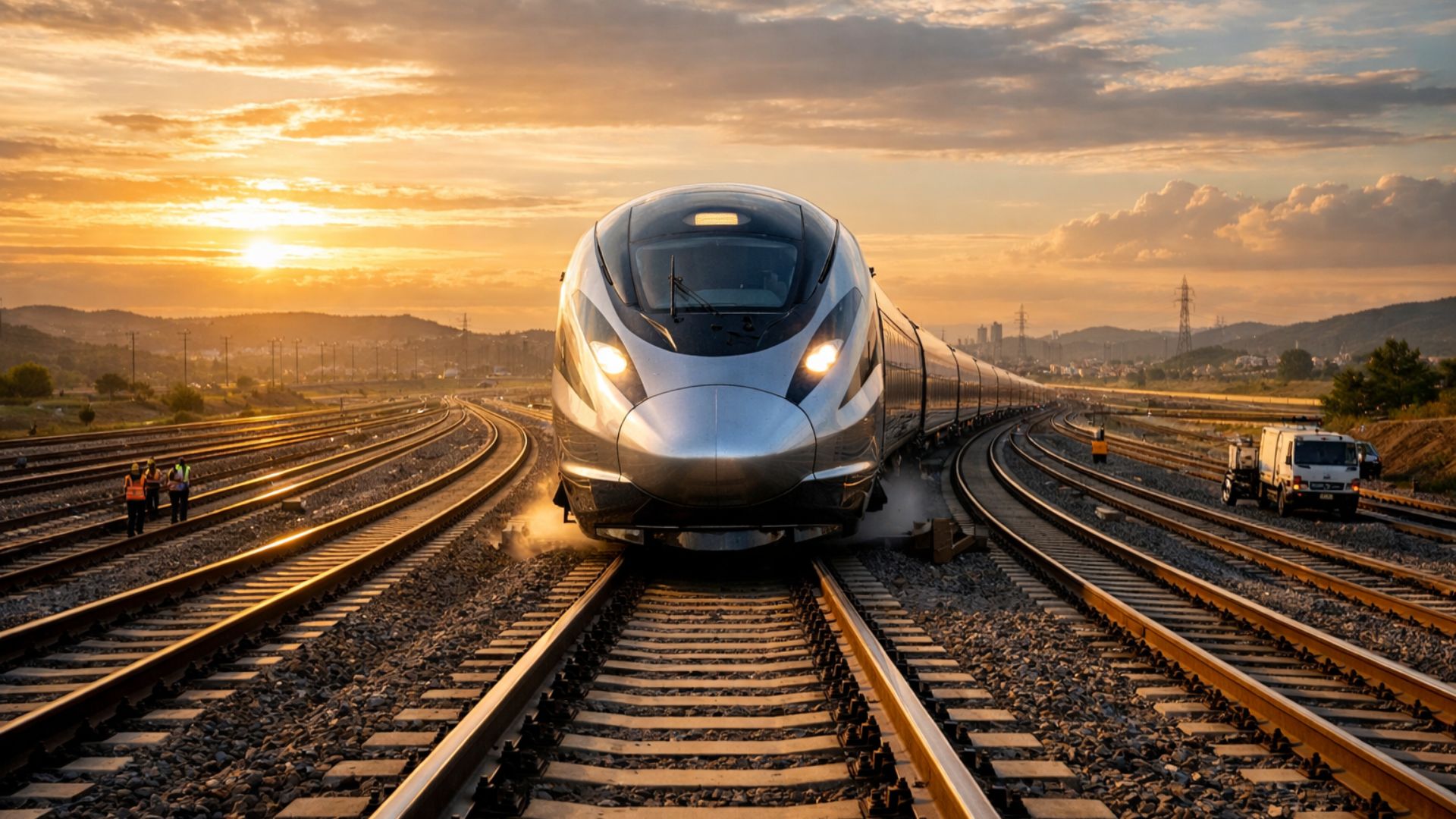
São Paulo surprises the world with a colossal railway network project that promises over 1,000 km of tracks, R$ 194 billion in investments, and 40 projects connecting the capital to the interior with fast and sustainable trains.
-
Oncorp wins auction and enables biodiesel and gas thermal plants in Brazil, with strategic projects in Suape and Xavantes Aruanã.

-
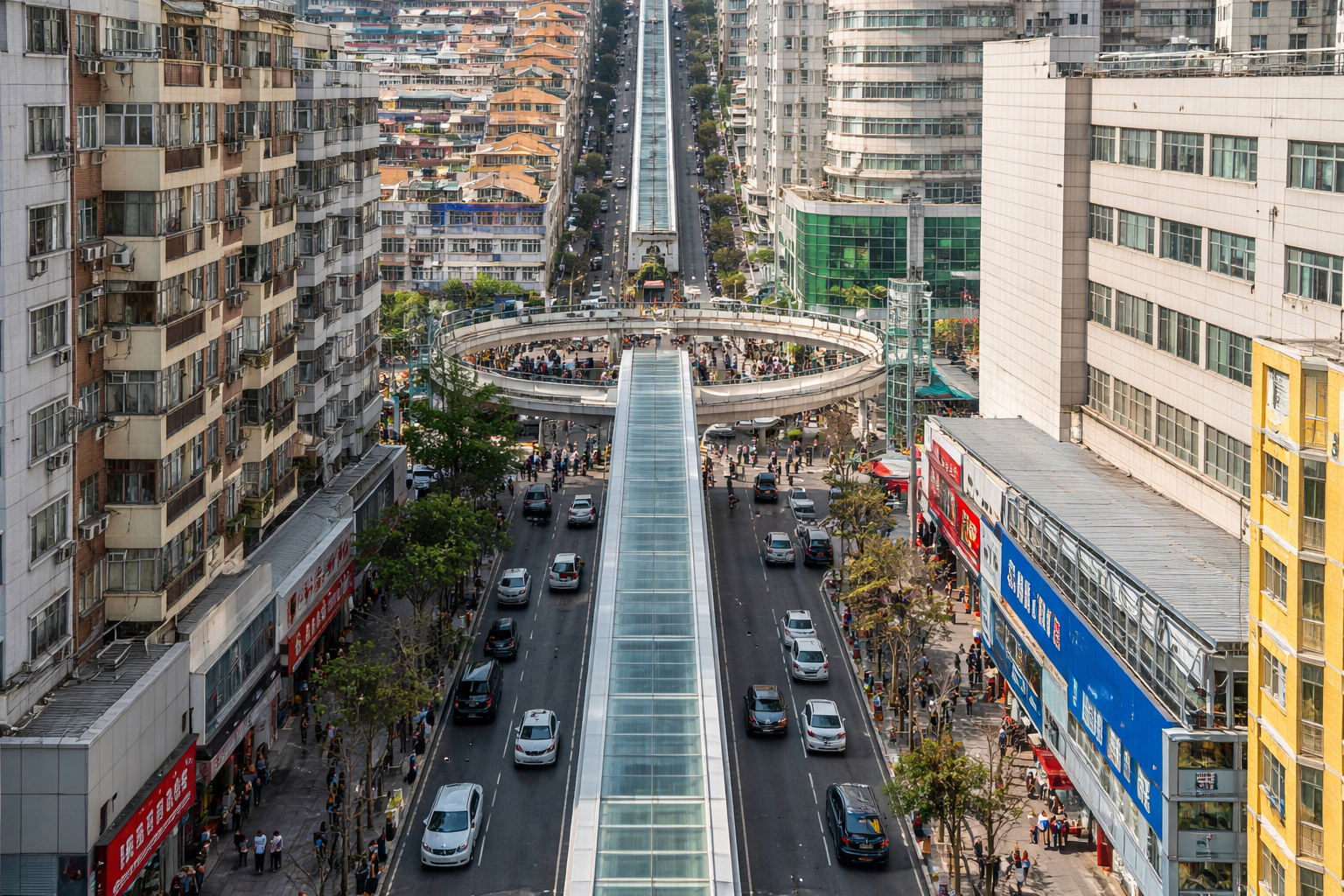
The world’s largest escalator, measuring 905 meters in China, reduces urban travel time from 1 hour to about 20 minutes and transforms mobility in mountainous regions with an engineering solution adapted to the terrain.
-
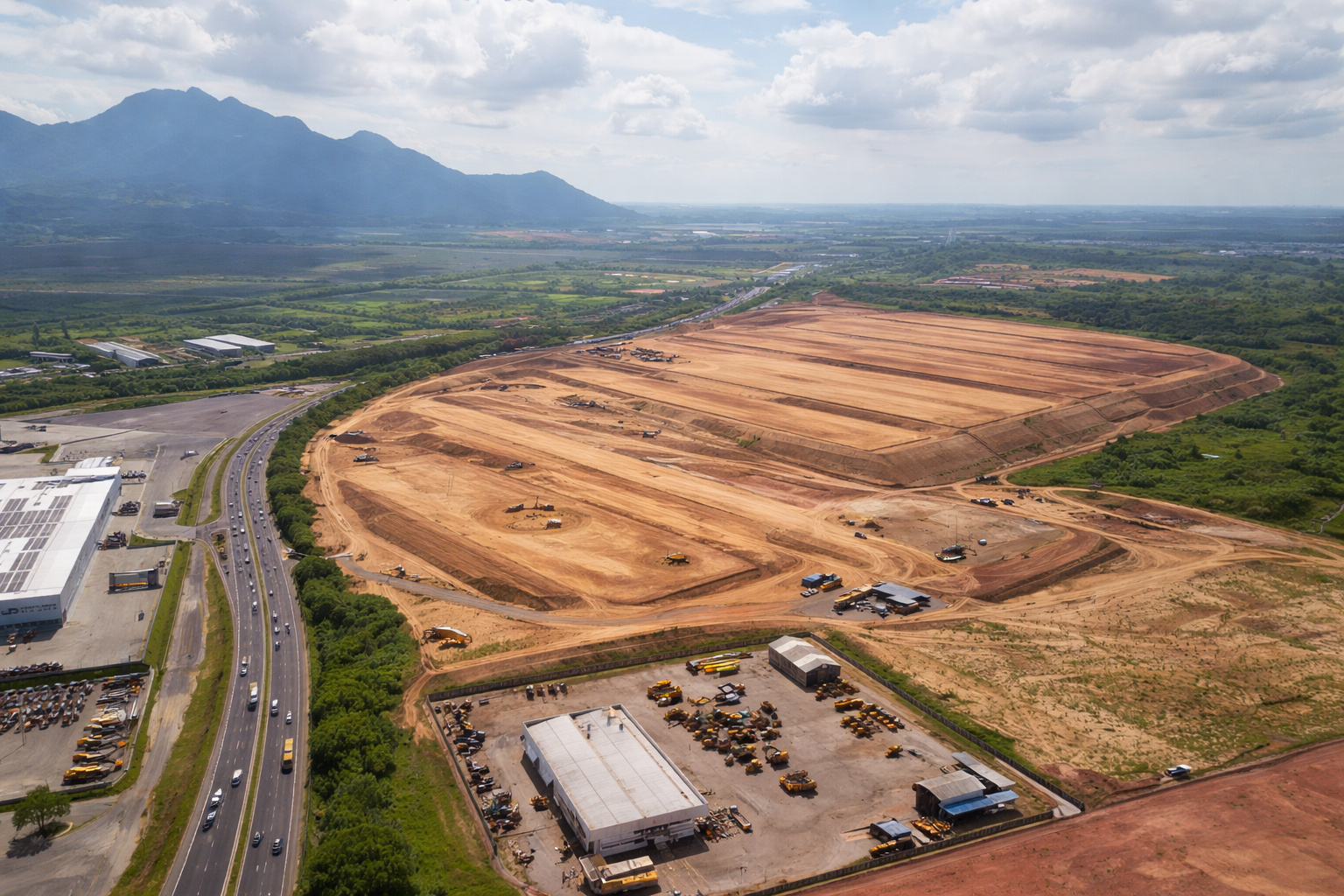
A R$ 300 million logistics giant is taking shape in Serra with over 100,000 m² and raises a question: how can this transform e-commerce and distribution in the state?

This increase is extremely beneficial as it also signals a boost in the country’s economy. However, from the perspective of port operations, it brings significant challenges related to maintaining safety, which must be upheld at adequate levels, even with the growing operational volume.
Risk Management and Preventive Maintenance
In practical terms, maintaining safety implies that risk management efforts must keep pace with growth through preventive action plans and detailed attention to cargo handling procedures. This begins with the equipment used for lifting loads, a fundamental characteristic of any port. Different materials, ranging from bulk products to large containers, require specific techniques and equipment.
Therefore, ensuring the safety of operations involves ensuring that all materials used are in perfect condition and comply with specific technical standards.
Qualified Professionals and Regular Inspection
However, it is crucial that this risk management does not become static. Cargo handling operations are highly dynamic due to the vast diversity of materials transported between loading and unloading.
Continuous Updates and External Consultancies
Thus, keeping procedures updated and maintaining a continuous training and qualification schedule is essential to ensure agility and adaptability without compromising safety. This effort often requires technical visits from external consultancies, which would assess the quality of processes at all operational stages, propose improvements, update on regulatory standards, indicate more efficient procedures, and provide specialized training.
The management of safety in cargo handling is a crucial factor in protecting lives and ensuring efficiency. In the face of the increasing number of movements, this issue becomes even more critical.
Guaranteeing Safety and Future Growth
Even under normal conditions, safety demands continuous attention, rigorous compliance with standards, clear procedures, and planning to mitigate risks. In a reality of increasing movements, safety efforts must be doubled and planned with projections that consider possible increases in risks. This care will ensure the continuity of this positive growth for the national economy.
Source: Allan Costa










Seja o primeiro a reagir!