





 Portuguese
  English
  Spanish
  5 min of reading
  3 comments


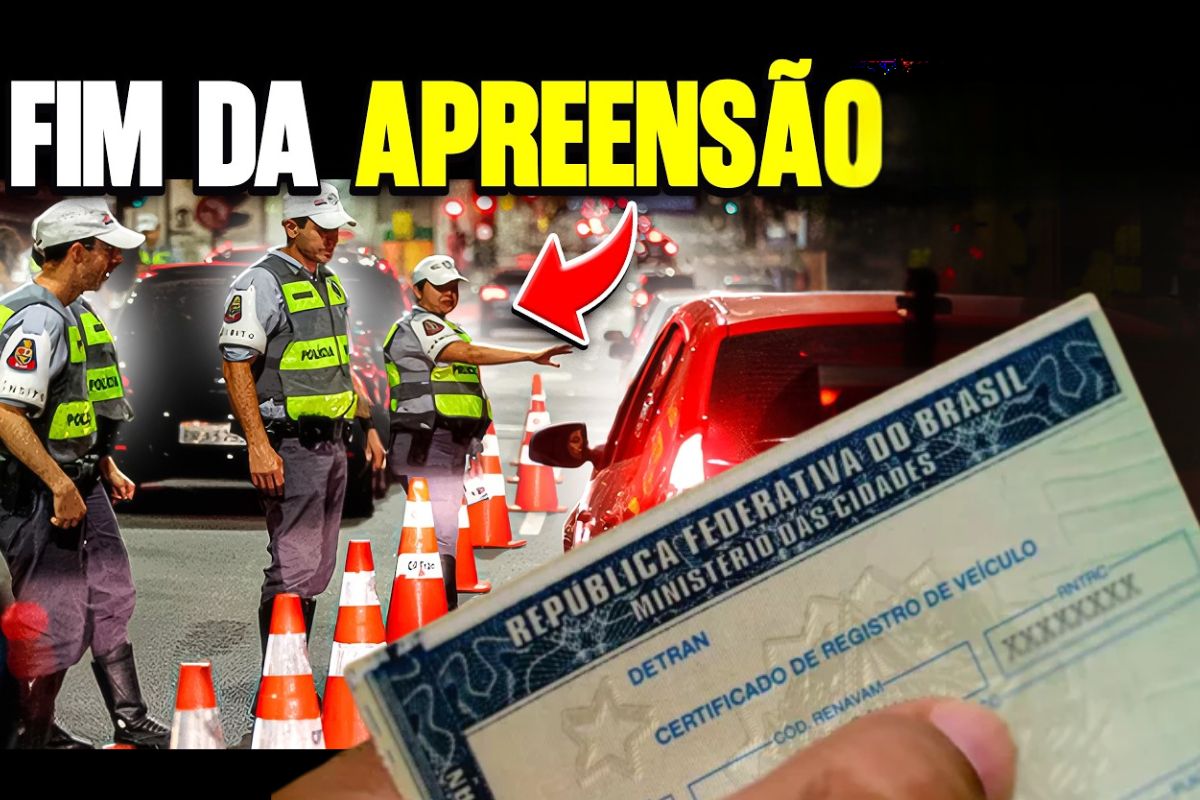


The Change in the Traffic Code Proposes to Disassociate Licensing from IPVA and Fines, Allowing the Vehicle to Be Considered Licensed with the Fee Paid, in Addition to Authorizing the Payment of Licensing Directly During the Police Blitz, Reducing Seizures Due to Tax Issues and Reorganizing the Operations of Detrans Across the Country
The change in the Traffic Code discussed in Congress alters the central axis of annual licensing: the vehicle would be considered licensed only with the licensing fee paid, without requiring the prior settlement of IPVA and fines. In practice, this means fewer seizures due to tax debts and a new procedure for enforcement in routine inspections.
According to Professor Carlos Augusto Elias, the proposal also allows for payment of licensing at the time of the blitz, with presentation of the invoice and proof for the release of the vehicle when the cancellation is not yet recorded in the system. The measure shifts the collection of IPVA and fines to other avenues, maintaining the regularity of the circulation document when the licensing fee is up to date.
What Changes in the Traffic Code
Today, the Traffic Code considers the vehicle licensed only when all linked debts are settled, including taxes, charges, and fines.
-
Brazil Ignores Trump’s threats to BRICS, Buys 42 tons of gold and reduces the Dollar’s share by 6.45% in international reserves.

-
Havan buys historic football land in Blumenau for a million-dollar amount protected by a confidentiality clause and is already planning to change even the layout of streets to build a megastore in half-timbered style costing 80 million reais.

-
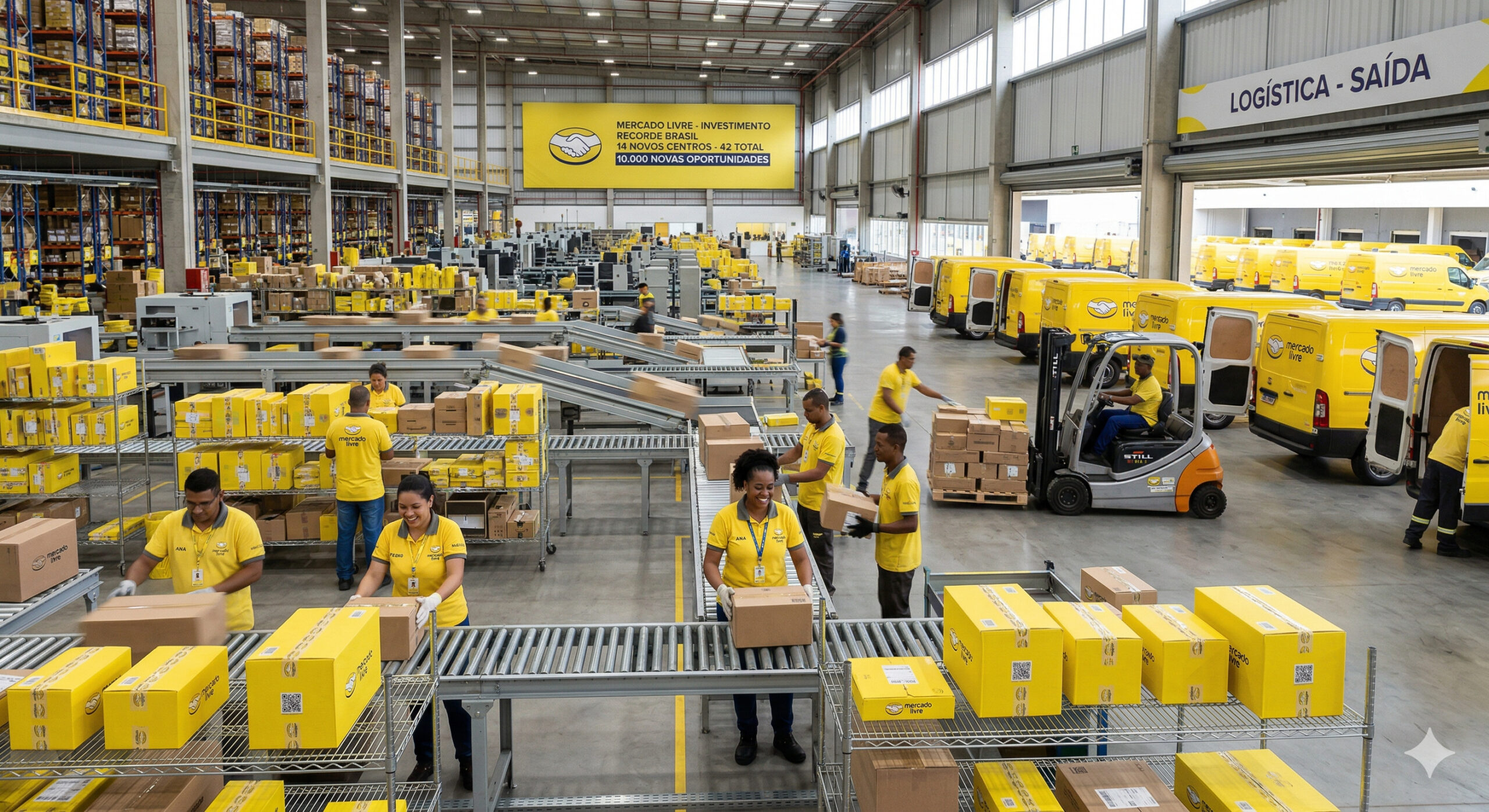
Mercado Livre “opens the vault” and announces a record investment of R$ 57 billion in Brazil in 2026, a value 50% higher than the previous year, with an expansion plan that includes 14 new logistics centers, totaling 42 units in the country and hiring an additional 10,000 employees.
-
How investment in technology can revolutionize the national economy and enhance industrial gains, according to a study that highlights the direct impact on productivity, innovation, and wealth retention within Brazil.


The change in the Traffic Code rewrites this condition to restrict the requirement to the licensing fee.
Once the fee is paid, the annual document would be issued regardless of any pending IPVA or fines.
The declared objective is to disassociate obligations of different natures, preserving the circulation of the licensed vehicle and transferring the collection of IPVA and fines to appropriate administrative and judicial means.
In terms of enforcement, the focus shifts to proof of payment of the licensing fee, no longer the set of debts.
The proposal maintains the possibility of removal when the vehicle is not licensed. In this case, seizure remains applicable.
The central point is that, under the new rule, failure to pay IPVA or fines, by itself, would not prevent licensing and, therefore, would not motivate removal.
There is also a relevant procedural adjustment: if the driver proves payment of the licensing fee during the inspection, through invoice and proof, removal would no longer be applicable even if the system has not yet updated the information.
This reduces the effects of processing delays between agencies.
Payment in the Blitz and Duties of Detrans
The change in the Traffic Code stipulates that Detrans make means and systems available for payment of licensing at any time, which includes the blitz scenario.
This operational obligation aims to prevent the release of the vehicle from depending on banking compensation deadlines or integration between databases.
In practice, the authority will be able to check payment in real-time and release circulation upon confirming payment.
IPVA and fines will still be subject to collection through other instruments, but will not block licensing or lead to removal on their own.
The topic is under consideration at the federal level, with a consolidated substitute in a technical committee, gathering attached projects on the same matter.
The report stated that seizure for tax debt diverts the purpose of licensing and disproportionately affects those who depend on their vehicle for work.
The time is considered opportune because the technical solution separates circulation from collection, relieving enforcement of tax disputes and reducing administrative costs.
For the driver, the incentive is to maintain document regularity by keeping only the licensing fee up to date, without it meaning forgiveness of IPVA or fines.
Carrying Documents and Checking in the System
The understanding that CNH and licensing are mandatory to carry, in physical or digital form, is maintained with exemption when the officer has access to systems to verify license and licensing. In the absence of an available system, the lack of documentation can result in a citation.
The change in the Traffic Code does not eliminate this logic; what it redefines is the condition to consider the vehicle licensed.
During inspections, the proof of payment and invoice gain practical relevance.
If the fee is paid and not yet recorded in the system, the documentary proof would prevent removal, aligning procedures and legal security for the driver and the authority.
For enforcement, the checklist becomes more objective: verify licensing by the fee paid. For the states, IPVA and fines migrate to specific collection routes, such as registration in active debt and administrative means.
For the citizen, the immediate consequence is to avoid seizure of the vehicle for debts unrelated to the act of licensing.
In the short term, the technological adaptation of Detrans will be decisive. Payment systems and real-time confirmation need to function during the blitz, or risk undermining the effectiveness of the change.
Training of agents and standardization of procedures are also on the radar.
What to Observe in the Next Steps
The measure has already advanced in committee, but still depends on further steps in the legislative process.
It is crucial to monitor the final text, as drafting details may alter deadlines, forms of verification, and responsibilities of agencies.
Until there is a valid change, current rules apply.
If approved in the consolidated form, the change in the Traffic Code tends to reduce seizures motivated by IPVA and fines, clarify the licensing criteria, and expedite regularization during inspections, as long as proof of payment of the fee is provided.
The change in the Traffic Code aims to separate licensing from tax collection, avoiding seizure for IPVA or fines when the licensing fee is up to date and allowing payment during the blitz with immediate release upon presentation of proof.
The success of the implementation depends on the infrastructure of Detrans and the standardization of the street procedure.
Do you agree with this change and have you ever been pulled over in a blitz with difficulty proving your licensing?







IPVA é um escárnio. Valor absurdo, estradas péssimas e pedágios. O ideal seria um movimento pra que nunca mais este imposto fosse pago por ninguém.
Já bastam os impostos ao comprar os carros.
Seria uma maravilha,pois o povo nao suporta mais pagar tanto tributos e quando é impossibilitado de pagar devido a vários fatores como desemprego,superendividamento,tragédias familiares,doenças, vem a blitz e agrava mais a situação tomando seu veículo.
Sim. Perdi o meu ganha pão. Em 9/9/25 fez um ano que estou sofrendo muito com a perda.Desde a COVID 19 atrasei pagamento de IPVA. Eu fazia aplicativo 99 . Hoje desempregado, família com problema de saúde. Estou com muita dificuldade.