





 Portuguese
  English
  Spanish
  6 min of reading
  0 comments


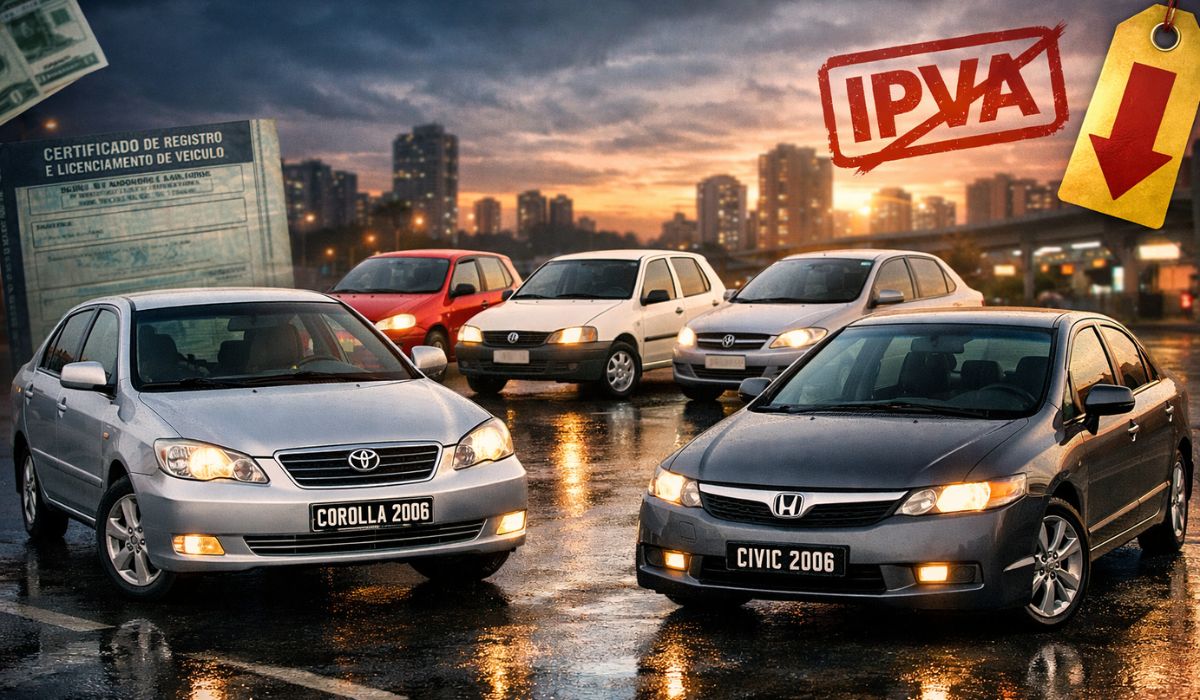
Changes in IPVA Rules Reposition Old Cars in the Used Market and Increase Attention to Known Models, Directly Impacting the Annual Cost of Ownership and Reflections on the Search for Vehicles Manufactured in the 2000s.
A change in IPVA rules has placed old models back on the radar of the used market.
With the enactment of the Constitutional Amendment 137 in December 2025, vehicles that are 20 years or older became immune to tax collection nationwide.
In this scenario, lists of potentially benefited cars in 2026 began to mention well-known names among Brazilian consumers, including Toyota Corolla and Honda Civic, as well as Volkswagen Gol, Fiat Uno Mille, and Chevrolet Corsa.
-
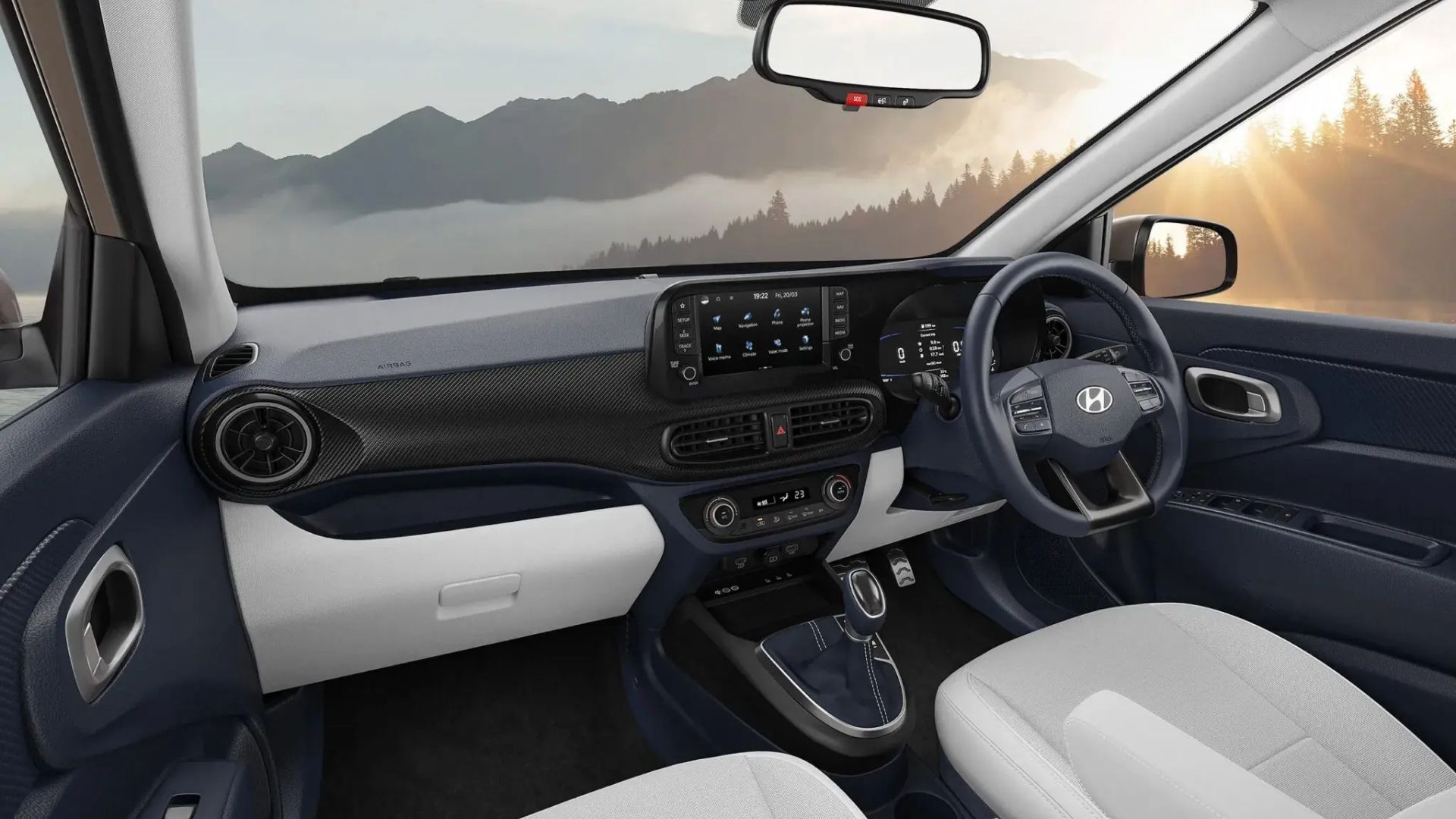
For R$ 32,000, a brand new Hyundai car is a rival to the Kwid with a 1.2 engine producing 82 hp, 6 airbags as standard, multimedia with wireless Android Auto, up to 391 liters in the trunk, and a refreshed look for 2026 in India.
-
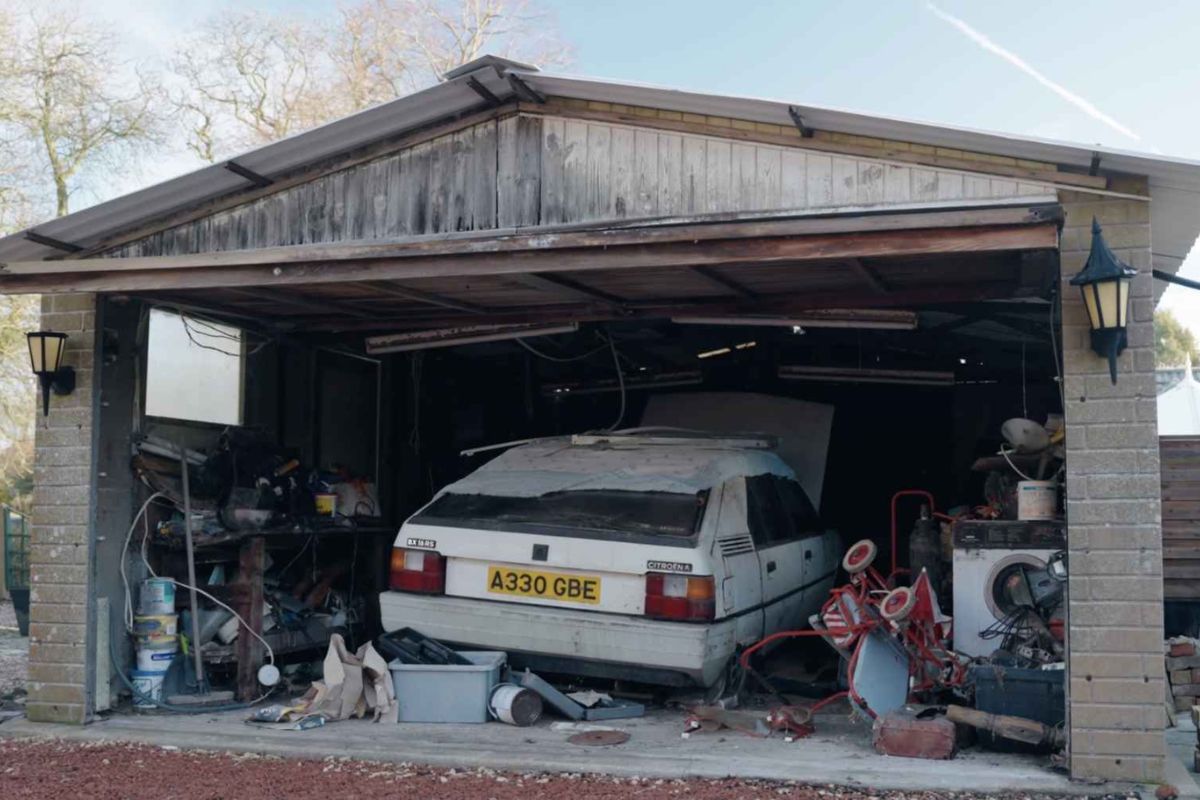
He bought a new car in 1983, locked it in the barn in 1988, and no one opened the door for 38 years until the family discovered what was stored inside and realized it looked like something out of a movie.
-
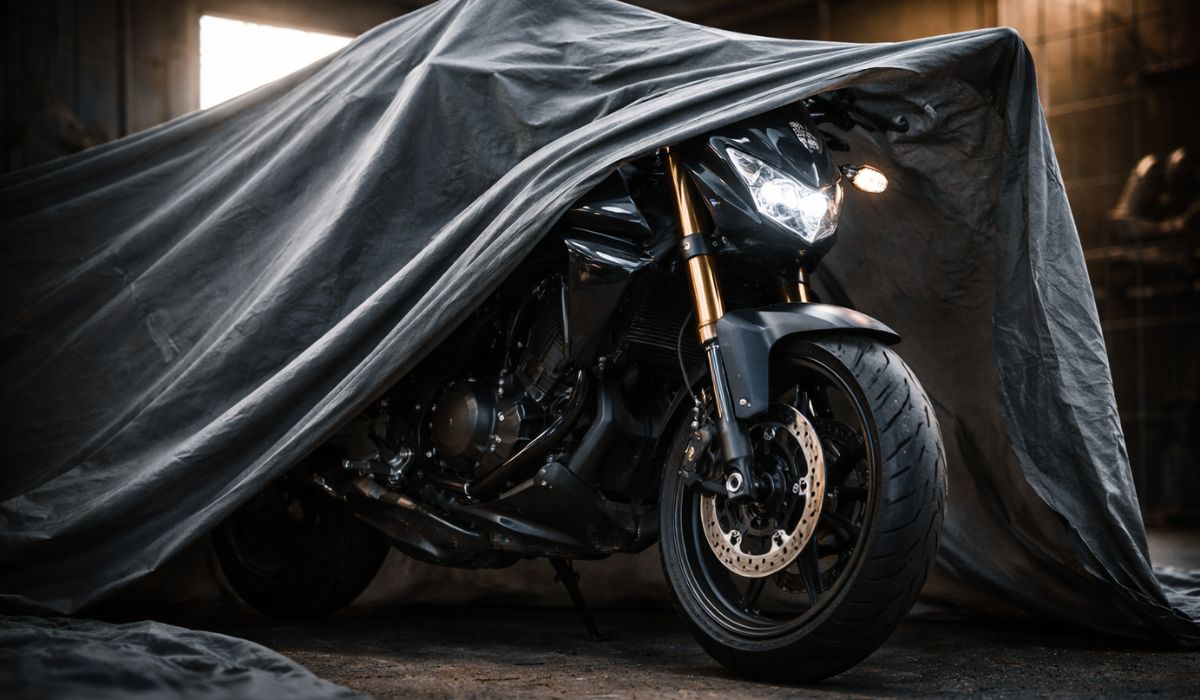
A 250cc motorcycle that can reach 560 km with a 14-liter tank, features disc brakes on both wheels and is among the most well-known in Brazil.
-
Man finds over 200 rare cars abandoned on a lot and tries to do the impossible in 8 hours with a surprise at the end.


The central point is that the new national rule reduced the difference between states that already granted exemptions based on age and those that still imposed taxes on older vehicles.
Before the constitutional change, the policy varied according to the legislation of each federation unit.
In São Paulo, for example, the age exemption already existed for vehicles older than 20 years.
With the constitutional amendment, the guideline became valid nationwide for passenger cars, trucks, and mixed-use vehicles in that age bracket.
The change expanded the scope of exemption and directly affected part of the used fleet that still circulates frequently in the country.
What Changed in IPVA in 2026
The new rule did not create a temporary discount or a benefit restricted to a local program.
In practice, it prohibited the charging of IPVA on vehicles classified under the age criteria defined by the amendment.
The approved text originated from PEC 72/2023, was analyzed by the Senate and the Chamber, and was promulgated by Congress on December 9, 2025.
The change gained significance by affecting a broad segment of the older fleet.
In practical terms, the change began to interfere with the annual maintenance cost of the vehicle, as the tax no longer constitutes a fixed expense for the owner in cases covered by the new rule.
For this reason, old models began to be observed also from the perspective of tax cost.
This movement helps explain why Corolla and Civic have started to appear frequently in reports and surveys about vehicles that could be favored in 2026.
Corolla and Civic in the Used Market
The Toyota Corolla, especially from the mid-2000s, remains among the most recalled used cars when it comes to mechanical robustness, liquidity, and maintenance within its segment.
Meanwhile, the Honda Civic from the same period is often noted for its durability and established presence in the resale market.
The presence of these two sedans on the lists, however, does not mean that they are the only ones with the potential to gain traction.
The same reasoning applies to popular models that marked the 2000s and still have a wide offering in the used market, such as Gol, Uno Mille, and Corsa.
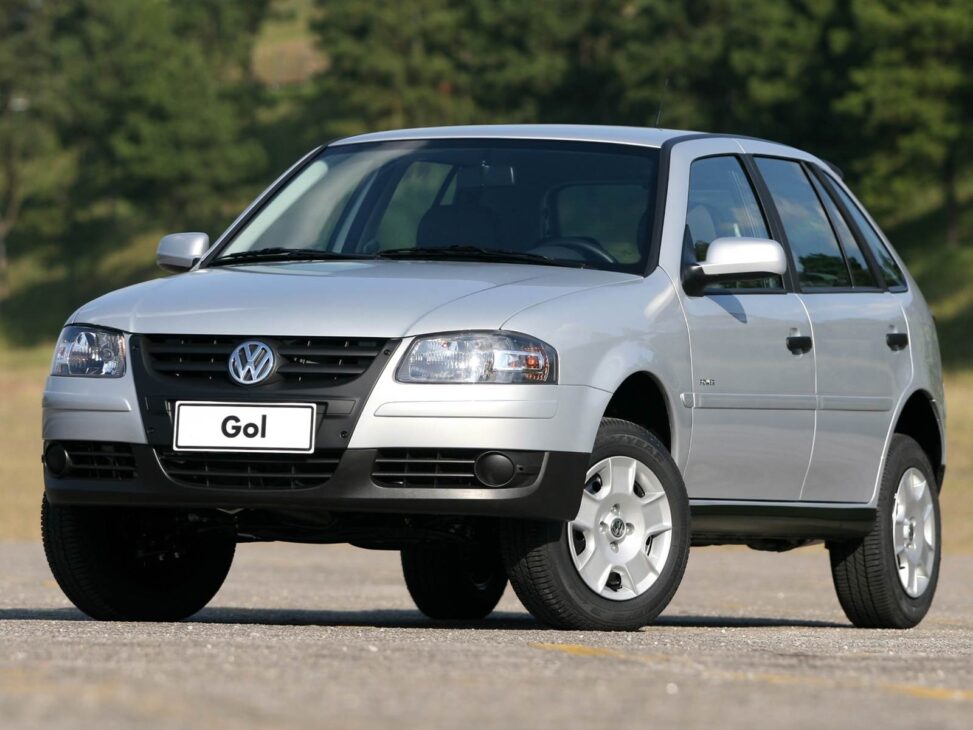
These vehicles possess characteristics that help explain why they frequently appear in reports on the subject.
They are widely circulated cars, with known maintenance and a history of constant presence in dealerships.
With the removal of IPVA, the annual cost tends to change, and this becomes part of the calculation for those looking for a used vehicle.
Savings from IPVA Exemption Varies by State
The savings generated by the exemption is not the same across the country.
The IPVA does not have the same rate in all states, and the percentage can also vary according to the category of the vehicle.
In São Paulo, for instance, the rate for passenger cars remained at 4% in recent calendars, but this level is not necessarily repeated in other federation units.
Therefore, the financial effect of the exemption depends on two main factors: the state in which the vehicle is registered and the market value of the automobile.
An old popular hatch typically generates less annual savings than a mid-size sedan with a higher market value, even if both fall under the exemption rule.
Still, the removal of the tax alters the owner’s fixed costs.
This change can influence comparisons between used cars of similar price ranges, especially when the buyer considers recurring expenses beyond the purchase price.
Old Cars May See Increased Demand
Tax changes typically reverberate in the used market because they affect the total cost of vehicle ownership.
When a model stops paying IPVA, it incurs one less annual expense.
This can increase interest in older cars that remain present in the market and have steady demand.
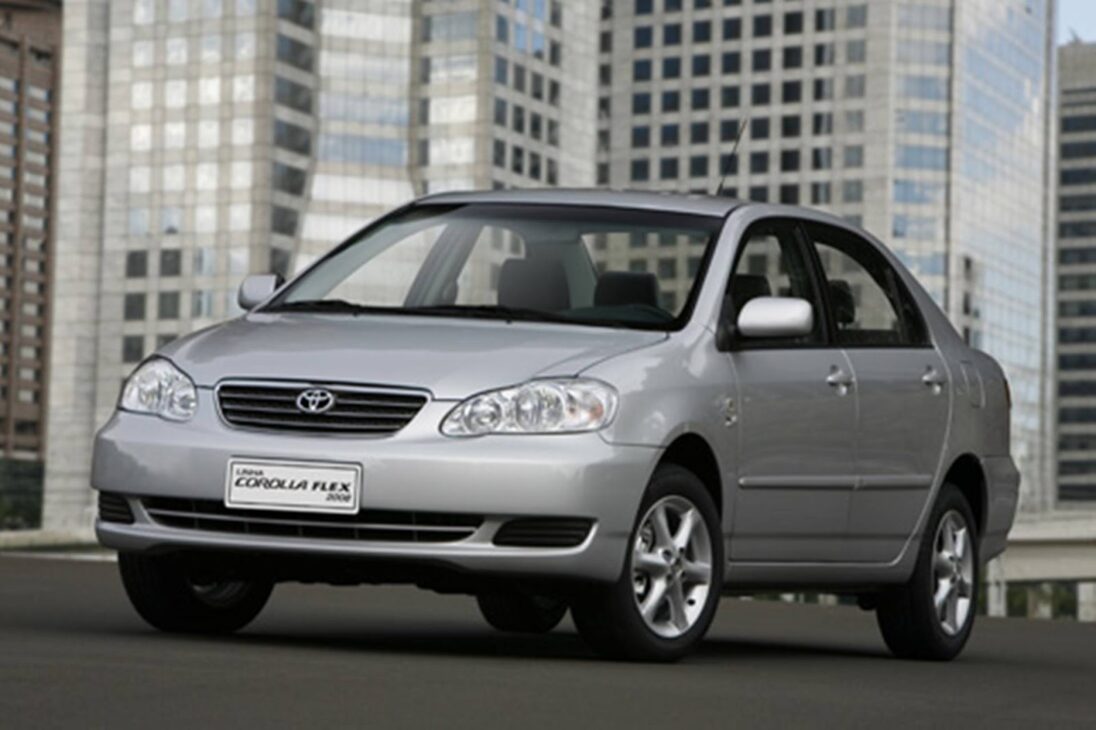
In the case of Corolla and Civic, the tax issue adds to a well-known factor in the used sector: both occupy a market segment where some buyers accept the vehicle’s older age in exchange for a different finishing standard, interior space, or mechanical set compared to compact cars from the same era.
The exemption, therefore, does not by itself create demand for these models.
What it does is eliminate a cost that previously impacted the annual maintenance of the car.
In the market, this data now becomes part of the analysis alongside other criteria, such as mileage, service history, body condition, and ease of parts replacement.
At the same time, the new rule does not automatically turn any old vehicle into a good deal.
The condition of preservation remains crucial, as does the vehicle’s provenance and the cost of corrective maintenance.
The end of IPVA collection reduces one expense, but does not eliminate other factors that weigh on the purchase of a used vehicle with nearly two decades of use.
Models Mentioned in the 2026 Lists
Among the most mentioned names in reports and surveys about the new phase of IPVA are Corolla, Civic, Gol, Uno Mille, and Corsa.
All were part of a generation of vehicles widely spread in the country and, therefore, still frequently appear on resale platforms, independent dealerships, and negotiations between individuals.
The difference is that these models have begun to be observed also for the impact of the new tax rule.
Instead of being analyzed only by purchase price and maintenance costs, they are now included in a calculation that factors in the absence of the annual tax, provided they meet the age criteria required.
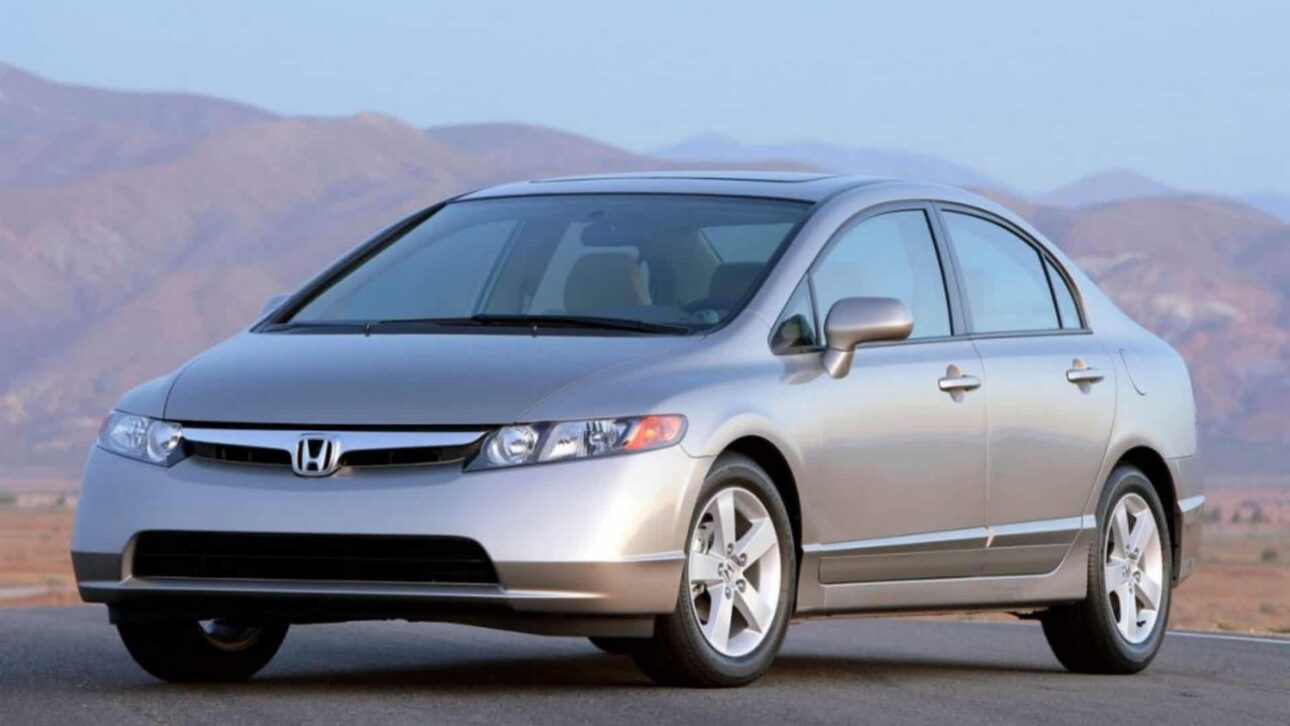
However, there is a point of attention regarding the cutoff by year of manufacture.
Official communications and journalistic texts do not always adopt the same practical formulation when discussing the exact production year reached in the 2026 fiscal year, especially in references to vehicles manufactured in 2006.
In São Paulo, the administrative guidance for age exemption states that the benefit applies after the vehicle completes more than 20 years of manufacture.
In the practical application released by the São Paulo Revenue Department, this clearly includes vehicles manufactured in 2005 or earlier for the 2026 fiscal year.
In communications about the national rule, on the other hand, there is a reference to vehicles that are 20 years or older.
This point requires attention because closed lists by model year may oversimplify a classification that depends on the administrative interpretation adopted in the corresponding fiscal year.
The core of the news, however, remains the same.
The constitutional change eliminated the collection of IPVA for old vehicles classified under the new national criteria.
As a result, widely circulated cars with a solid presence in the used market, such as Corolla, Civic, Gol, Uno Mille, and Corsa, began to appear more frequently on lists of potentially benefited models in 2026.








-

Uma pessoa reagiu a isso.