





 Portuguese
  English
  Spanish
  4 min of reading
  0 comments


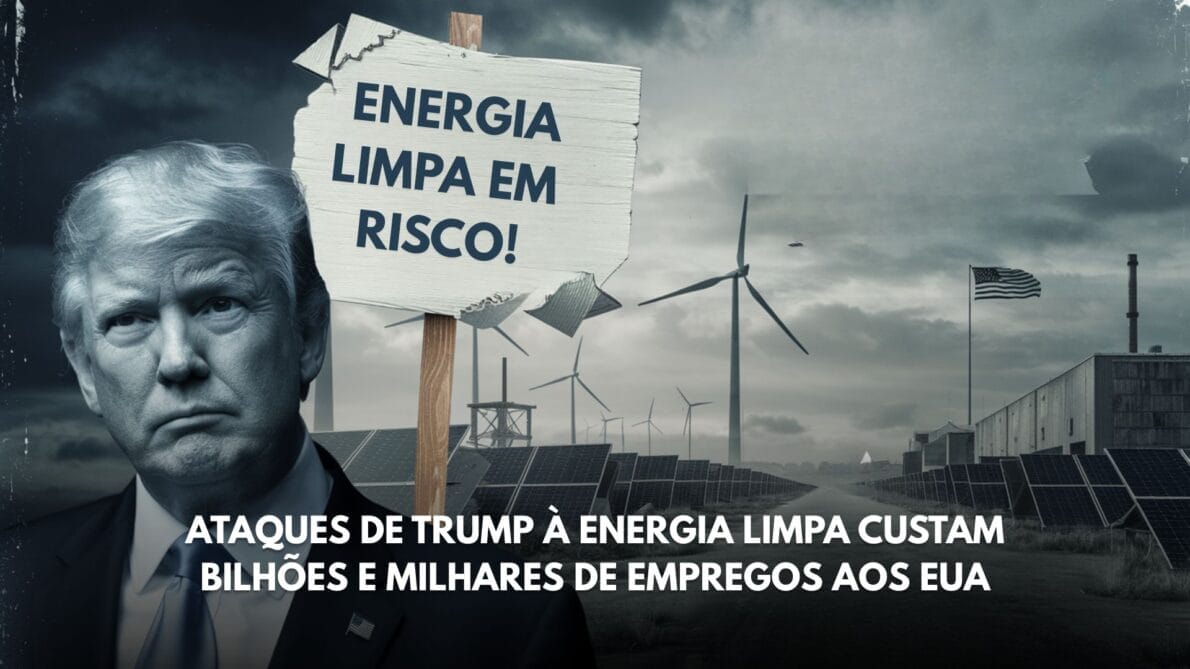
With Donald Trump’s Return to the Presidency, Environmental Policies Are Reviewed and Nearly US$ 8 Billion in Sustainable Investments Evaporate, Hindering the Advancement of Clean Energy in the United States.
Since the beginning of 2025, the United States has been facing a turnaround in the renewable energy sector. Donald Trump’s return to the presidency has brought about a series of changes in public policies, especially in the environmental area. The effects are already appearing in a concrete way: nearly US$ 8 billion in investments have been canceled or reduced in the first quarter of the year, directly affecting clean energy projects nationwide.
According to data from the nonpartisan group Clean Economy Works, part of the E2 organization, the total amount of suspended resources in just three months is more than three times greater than the amount that had been canceled in the previous 30 months. The change in the scenario is mainly due to the criticisms and actions of the new Trump administration regarding the tax incentives that had been granted to promote the renewable energy sector.
Republican States Among the Most Affected
One of the ironies of the current scenario is that a large part of the lost investments was directed precisely to states governed by representatives of the Republican Party — the same party as the current president. In these states alone, over US$ 6 billion in clean energy projects have failed to advance since January. It is estimated that at least 10,000 jobs have been lost in these areas.
-
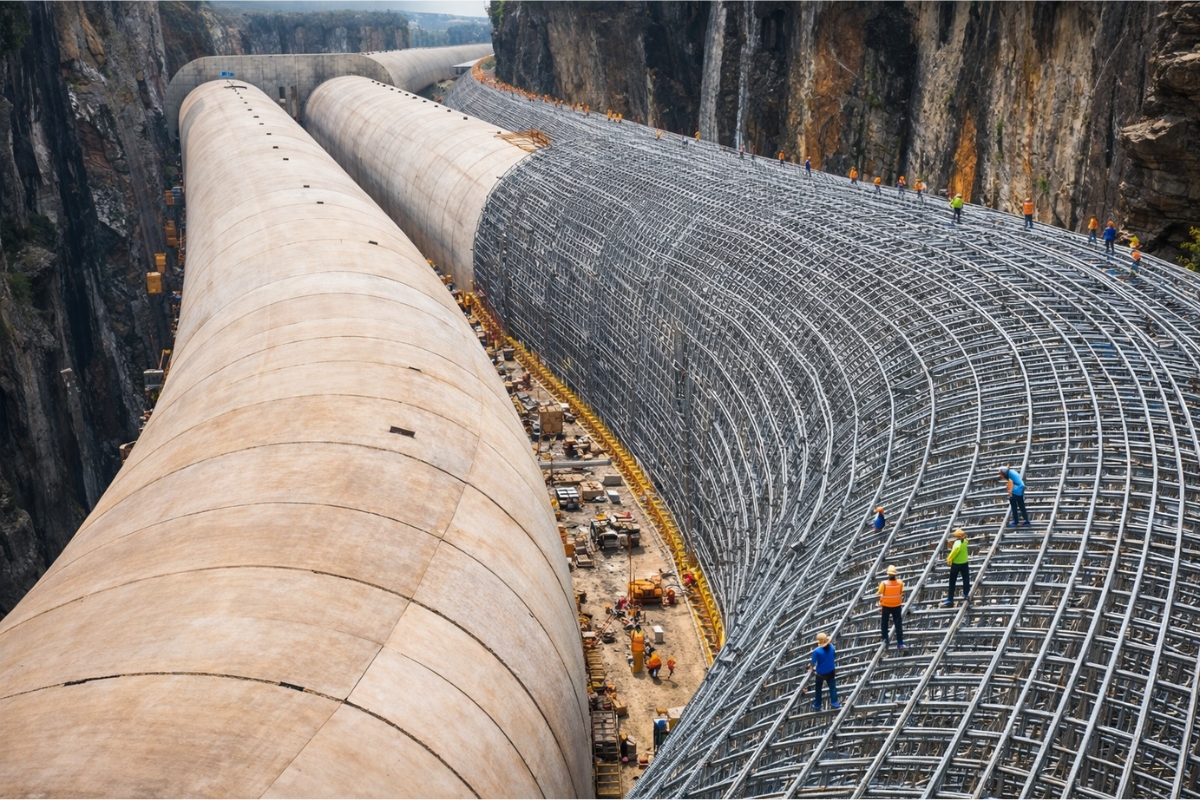
Switzerland invested over $2.3 billion and bet on water, altitude, and solid rock to create a battery in the Alps capable of powering more than 1 million homes.
-
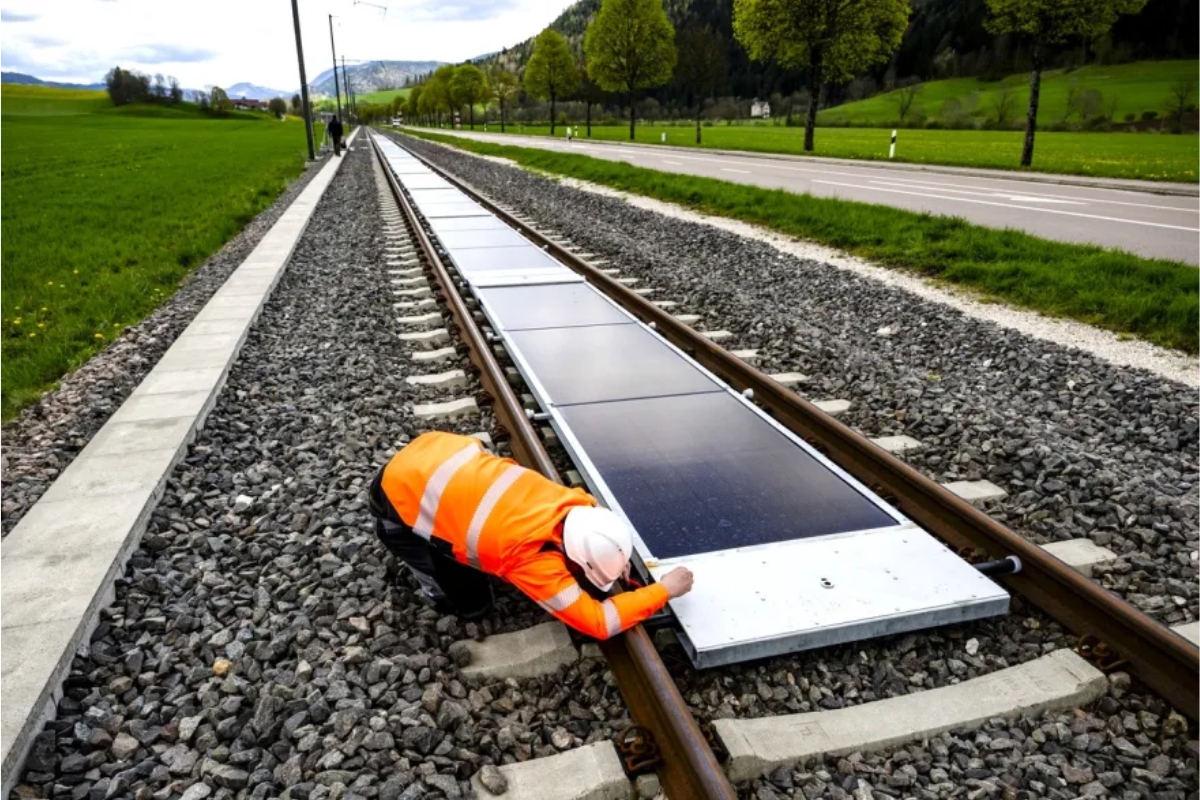
In Switzerland, tracks that previously only accommodated trains are beginning to generate electricity with removable solar panels installed on active railways, paving the way to transform the railway network into a new front for clean energy.
-
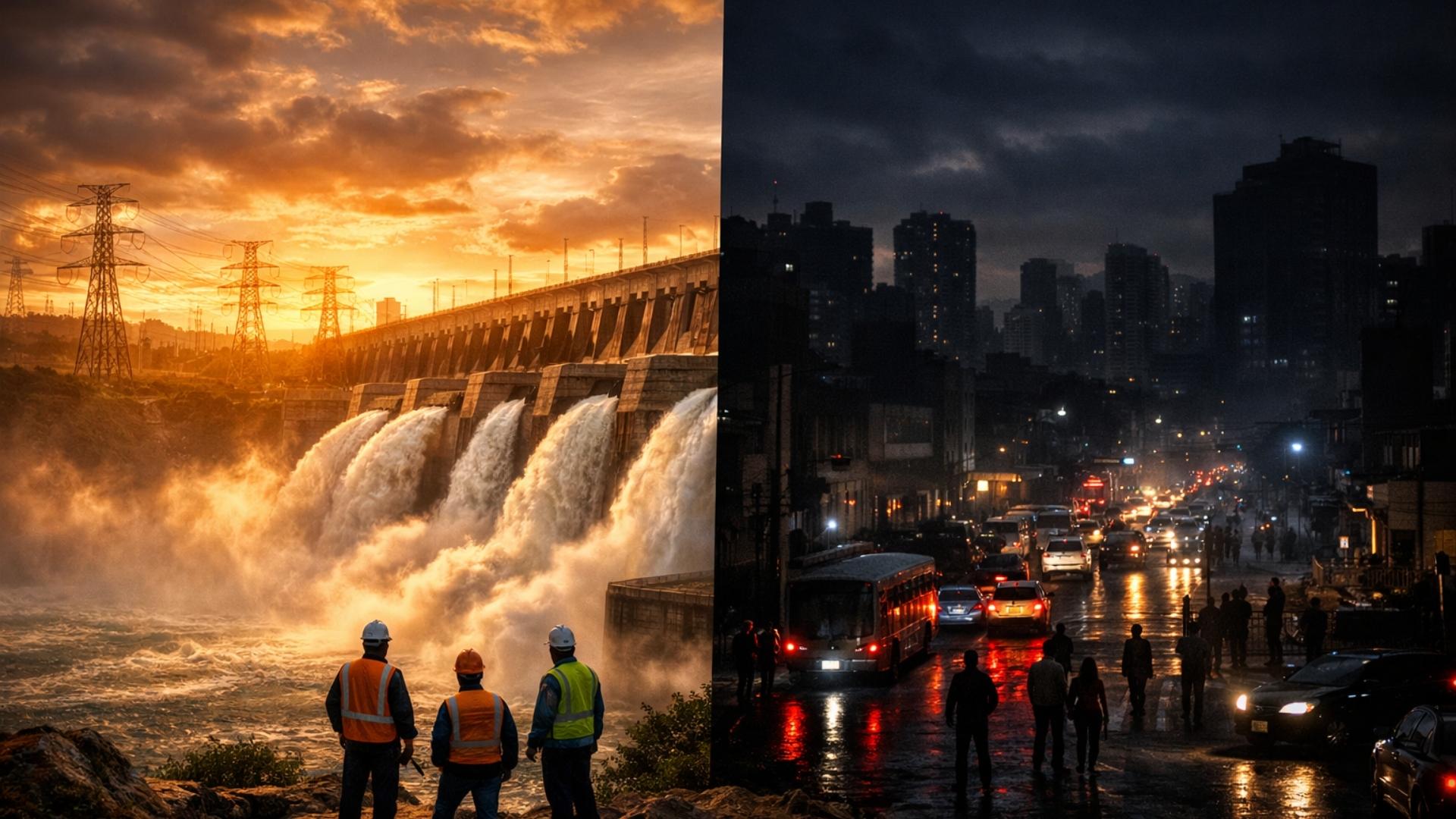
Brazil raises alarm to avoid blackout: the country may need 3 Itaipus and is already wasting up to 5,135 MW of energy on days of excess solar.
-
Renewable energy advances over protected areas in Brazil, and a survey by the Energy Transition Observatory reveals silent impacts that challenge environmental conservation and pressure sensitive traditional territories.




These districts had been the biggest beneficiaries of federal incentives approved during the previous administration, especially after the approval of tax credits for the renewable energy sector in August 2022. Until early 2025, these same districts accounted for 62% of new project announcements, 71% of expected jobs, and over 80% of the total investment volume.
Factories Closed and Projects Canceled in the US
The reversal of environmental policies by the Trump administration has had direct impacts on companies that invested in the sector. Bosch, for example, shut down its hydrogen fuel cell factory project in South Carolina, estimated at US$ 200 million. Freyr Battery canceled the construction of a battery factory in Georgia, a US$ 2.5 billion project.
In total, between January and March 2025 alone, 13 large clean energy ventures were canceled or significantly reduced. This movement represents over US$ 5 billion in investments that were not made and a substantial cut in job creation opportunities.
Investments Still Resist in the Renewable Energy Sector
Despite the uncertain scenario, the renewable energy sector in the US still attracts initiatives. In March, companies announced ten new projects, valued at over US$ 1.6 billion. These projects range from solar energy factories to the production of electric vehicles and transmission equipment. Together, they could create more than 5,000 new permanent jobs.
One of the most relevant examples is Tesla’s plan to invest US$ 200 million in a new battery factory near Houston, Texas. The plant is expected to employ around 1,500 people, signaling that even amid political uncertainties, there is room for expansion in the clean energy market.
Michael Timberlake, a spokesperson for E2, commented that despite the challenges posed by the changes in the US government, companies remain interested in investing in the country. However, he warns that political instability may further harm the sector if clear and long-term measures are not established.
Renewable Energy Sector at Risk
Since the introduction of federal incentives in 2022, the clean energy sector in the US has been growing rapidly. Over US$ 133 billion announced in new projects across 42 states and Puerto Rico, with the expectation of hiring 122,000 workers in permanent positions.
However, according to E2 and Atlas Public Policy, at least 34 of those projects have been canceled, reduced, or completely terminated since then. More than 15,000 jobs were not created, and about US$ 10 billion in investments have been lost.
With the current policies of the Trump administration, industry analysts fear this number may grow in the coming months, especially if uncertainty regarding the future of tax credits and guidelines for the development of clean energy in the US persists.
Uncertain Paths for the Future of Energy in the US
The Trump administration’s decisions regarding clean energy raise questions about the future of the sector in the country. While some entrepreneurs maintain their expansion plans, others are retreating amid instability. The fact that Republican districts — those previously most favored — are among the most affected by the new policies reinforces the complexity of the moment.
The US still has one of the largest renewable energy markets in the world, but the current scenario points to a period of uncertainty. The political direction of the current president will be decisive in determining whether the country will continue to lead the energy transition or lose ground to other nations more committed to the advancement of clean energy.
Source: Electrek








-

Uma pessoa reagiu a isso.