





 Portuguese
  English
  Spanish
  4 min of reading
  0 comments


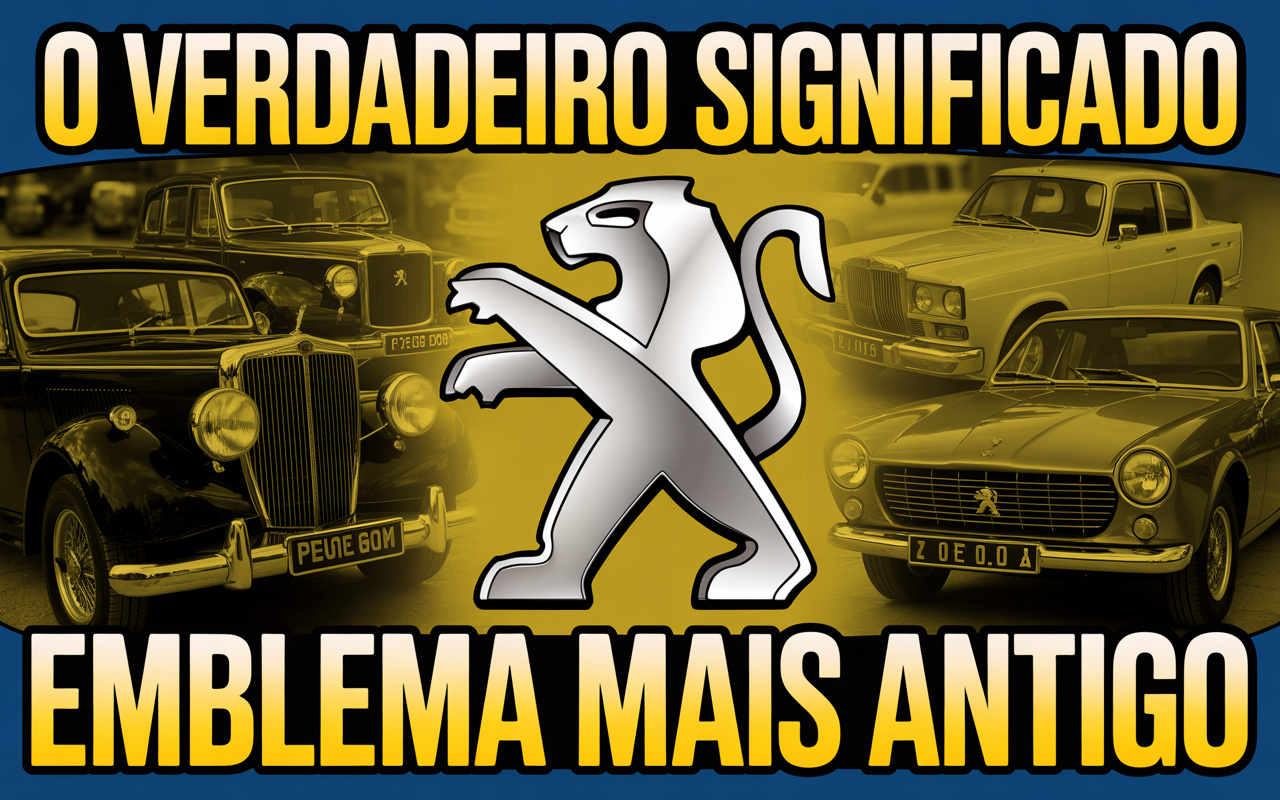
Before Cars, Peugeot Was Already Using a Lion as a Symbol. Understand the Industrial Origin and the True Meaning of the Oldest Emblem in the Automotive Industry.
When we think of Peugeot, the image that comes to mind is that of a traditional French automaker, associated with compact cars, mid-size hatches, and family sedans. But the famous Peugeot Lion did not originate in the automotive world. It emerged decades before the invention of the modern car, in a completely different context — linked to heavy metallurgy, tools, and industrial steel. The symbol that today adorns hoods and steering wheels is, in fact, one of the oldest industrial emblems still in use worldwide, with a history that spans nearly two centuries, wars, industrial revolutions, and deep technological transformations.
The Lion Was Born in 1847 — When Cars Did Not Even Exist
Peugeot began its journey long before considering automobiles. The Peugeot family had been involved since the early 19th century in the manufacture of saws, springs, tools, blades, and metallic utensils. In 1847, looking to differentiate its products in an increasingly competitive market, the company decided to create an official symbol.
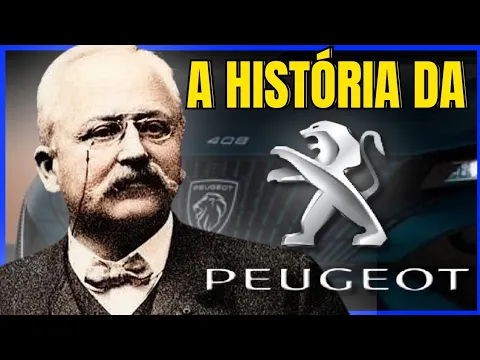

It was in this context that the lion emerged, registered as a trademark in 1858, becoming one of the first industrial logos officially protected in modern history.
-
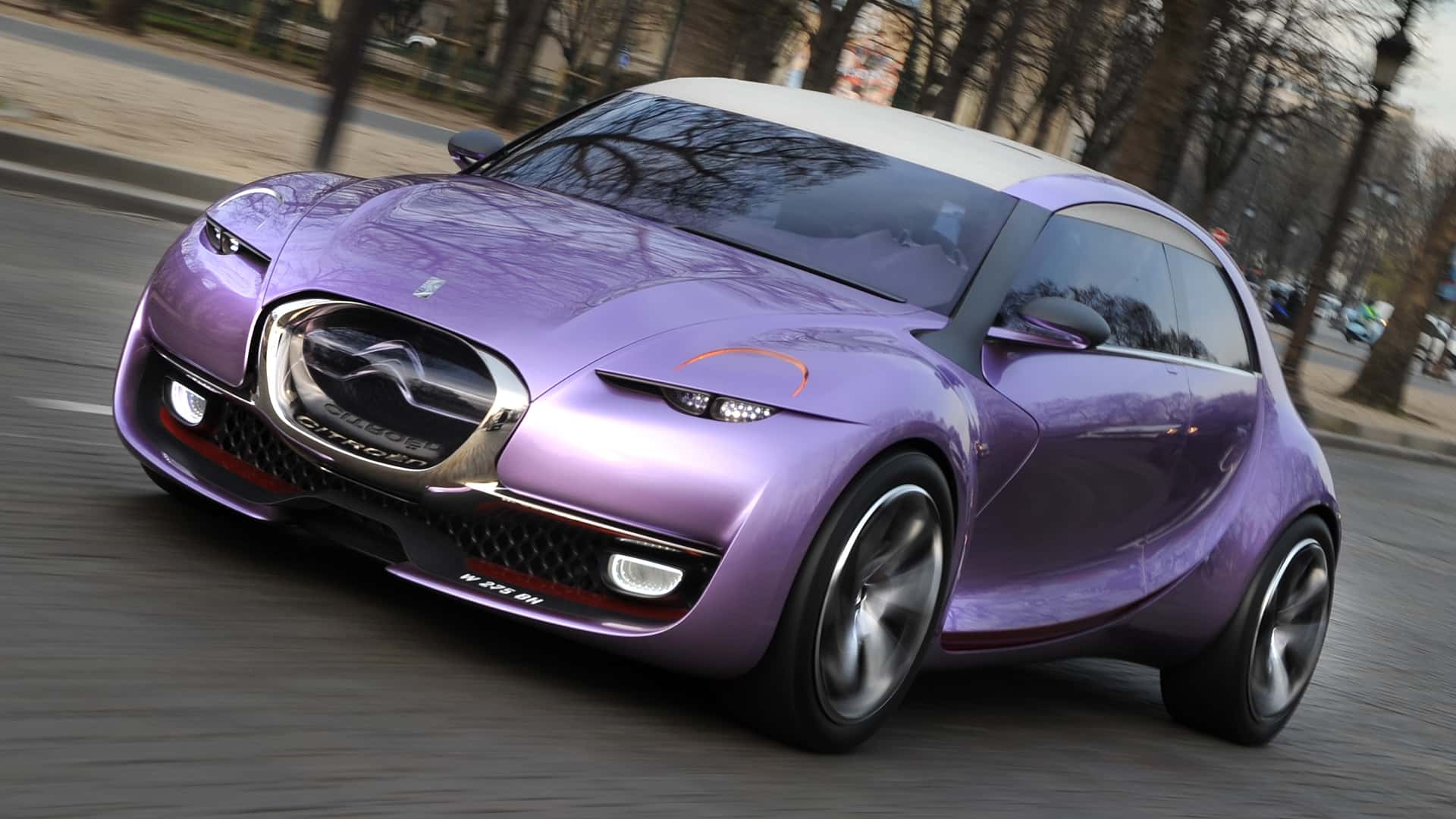
After decades out of the spotlight, Citroën is preparing to bring back the legendary 2CV as a low-cost electric vehicle, betting on the revival of one of the most popular cars in history and aiming to enter the race for affordable compact cars.
-
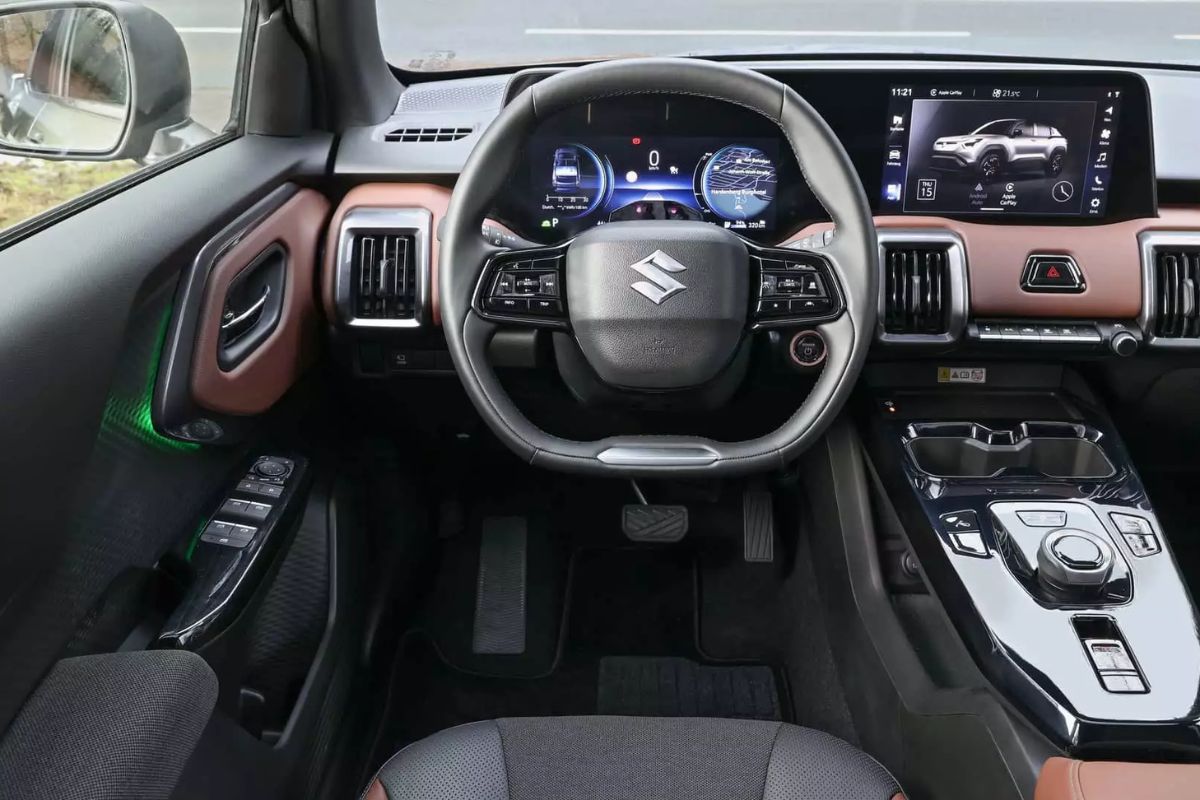
The 2026 electric Vitara arrives in Brazil and proves that Suzuki is not leaving: 4×4 traction, 184 hp, 61 kWh LFP battery, 293 km range, R$ 259,000, and a trunk capacity of 224 L.
-
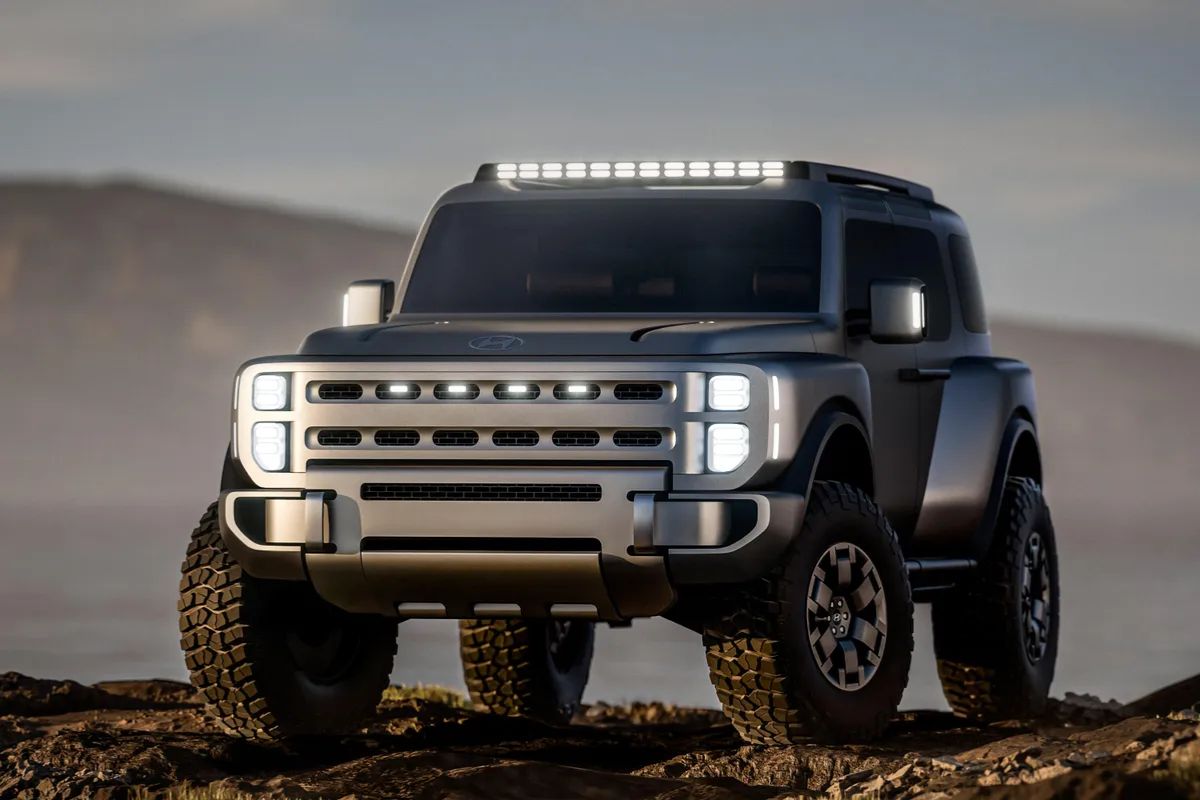
Hyundai has unveiled the Boulder, a square SUV with a body-on-frame design, 37-inch mud tires, and carriage-style doors that seems to be made to take on the Ford Bronco and the Scout Traveller in the United States.
-
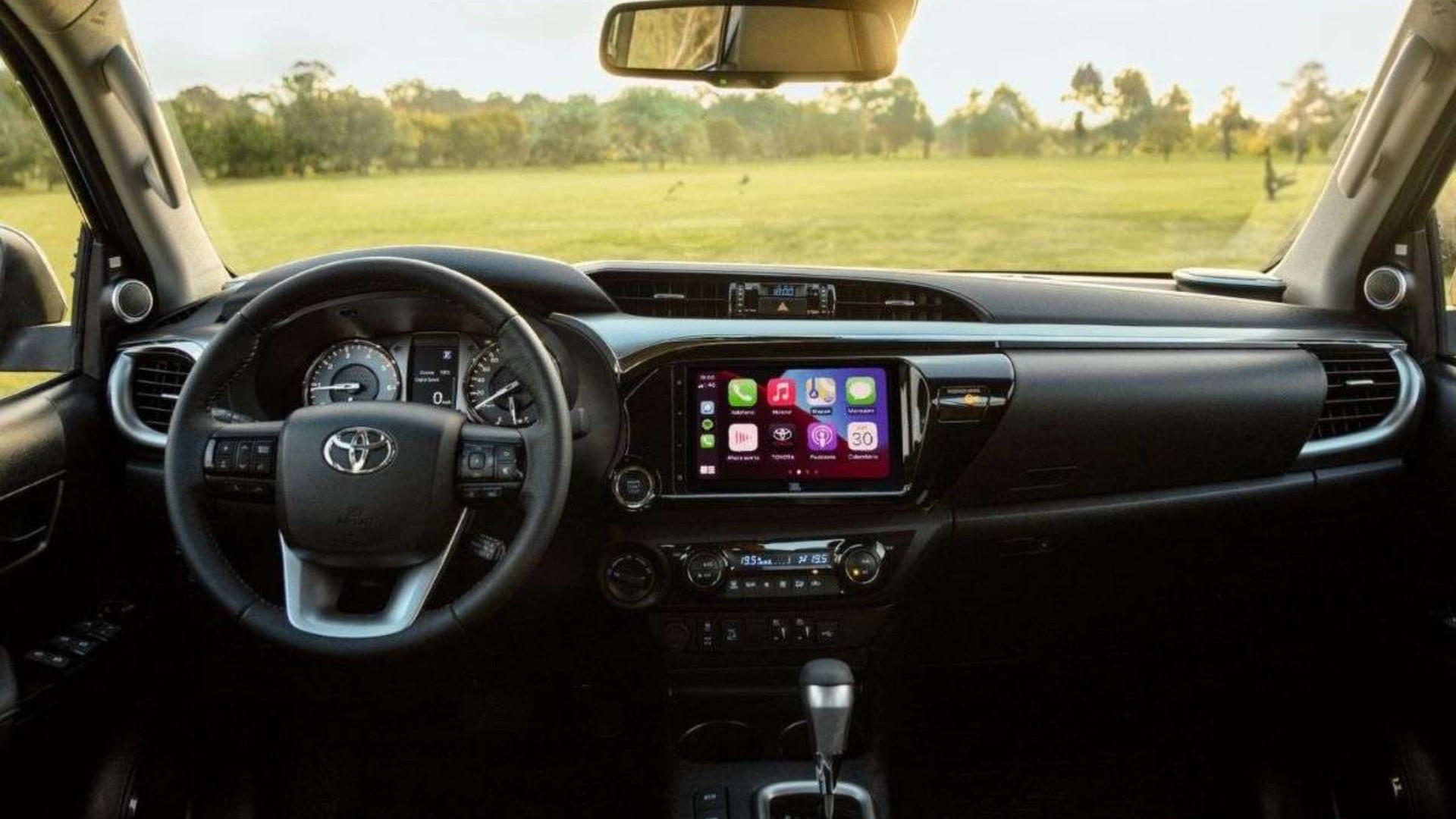
The Toyota Hilux is R$ 75.5 thousand cheaper and bets on the 2.8 turbodiesel engine with up to 204 hp and 50.9 kgfm to catch up with the VW Saveiro, which leads with 4,472 sales.

At that moment, the lion had absolutely no relation to cars. It represented something much more concrete: the physical qualities of the steel produced by Peugeot.
Each Part of the Lion Had a Technical Meaning
Unlike many symbols created solely for aesthetics or marketing, the Peugeot lion was conceived as a technical metaphor.
The animal represented three essential attributes of the company’s blades and tools:
- The lion’s teeth symbolized the cutting ability of the saws.
- The rigid backbone represented the strength of steel, which did not easily deform.
- The flexibility of the body indicated the elasticity of the metal, capable of withstanding stress without breaking.

In other words, the lion was not a mascot. It was an industrial declaration, almost a seal of technical quality at a time when brands were still consolidating.
The Symbol Survived Radical Changes in the Company
Few brands in the world can say they maintained an active symbol while completely changing sectors. Peugeot did.
Over the decades, the company transitioned through:
- tool production,
- bicycle manufacturing,
- motorcycles,
- automobiles,
- military equipment during wars.
Even with these changes, the lion remained. It was redesigned, stylized, simplified, and modernized, but never abandoned. This created something rare: symbolic continuity.
While many brands erased their past to reinvent themselves, Peugeot did the opposite: it brought its industrial identity into the automobile.
One of the Oldest Logos Still in Constant Use
What makes the Peugeot lion especially relevant is the fact that it is one of the oldest corporate symbols in the world still in constant use, especially in the automotive sector.
Very few brands can compete in this aspect. Many emerged later, changed identities, or completely redefined their emblems. Peugeot, on the other hand, maintained the lion as a guiding thread of its history.
This transforms the symbol into something greater than a mere logo: it is a living record of the European Industrial Revolution.
From Steel to the Roads: The Lion Enters the Automotive World
When Peugeot began manufacturing automobiles in the late 19th century, the lion already carried decades of reputation associated with strength, precision, and reliability. It was natural for it to migrate to cars.
In this new context, the symbol gained another layer of meaning:
- mechanical strength,
- durability,
- structural robustness,
- engineering reliability.
Even without high-power engines at the time, the lion helped communicate that those vehicles came from a company that deeply understood metal, effort, and resilience.
Why the Lion Has Never Been Replaced
Throughout its history, Peugeot had numerous opportunities to abandon the lion and adopt something more “modern.” This has never happened for a simple reason: the symbol worked.
It carried:
- immediate recognition,
- historical heritage,
- an emotional connection with its industrial past.
Instead of replacing the lion, the brand opted to reinterpret it visually, adapting it to the graphic languages of each era. The result is an emblem that changes form but not essence.
A Symbol That Holds More History Than Many Countries
When the Peugeot lion was created, many countries did not exist in their current form. It has survived:
- two French empires,
- two world wars,
- the rise and fall of entire industries,
- the transition from the artisanal world to the industrial,
- and now the digital age.
Few corporate symbols can say the same.
The Peugeot lion was not born to sell cars. It was born to explain an industrial product. Over time, it became identity, heritage, and a symbol of continuity.
When it appears on a modern car today, it represents not just a brand. It represents nearly 180 years of industrial history, something rare in an industry accustomed to rapid reinventions. More than an emblem, the Peugeot lion is a survivor of history.








-

-

-

8 pessoas reagiram a isso.