





 Portuguese
  English
  Spanish
  3 min of reading
  6 comments


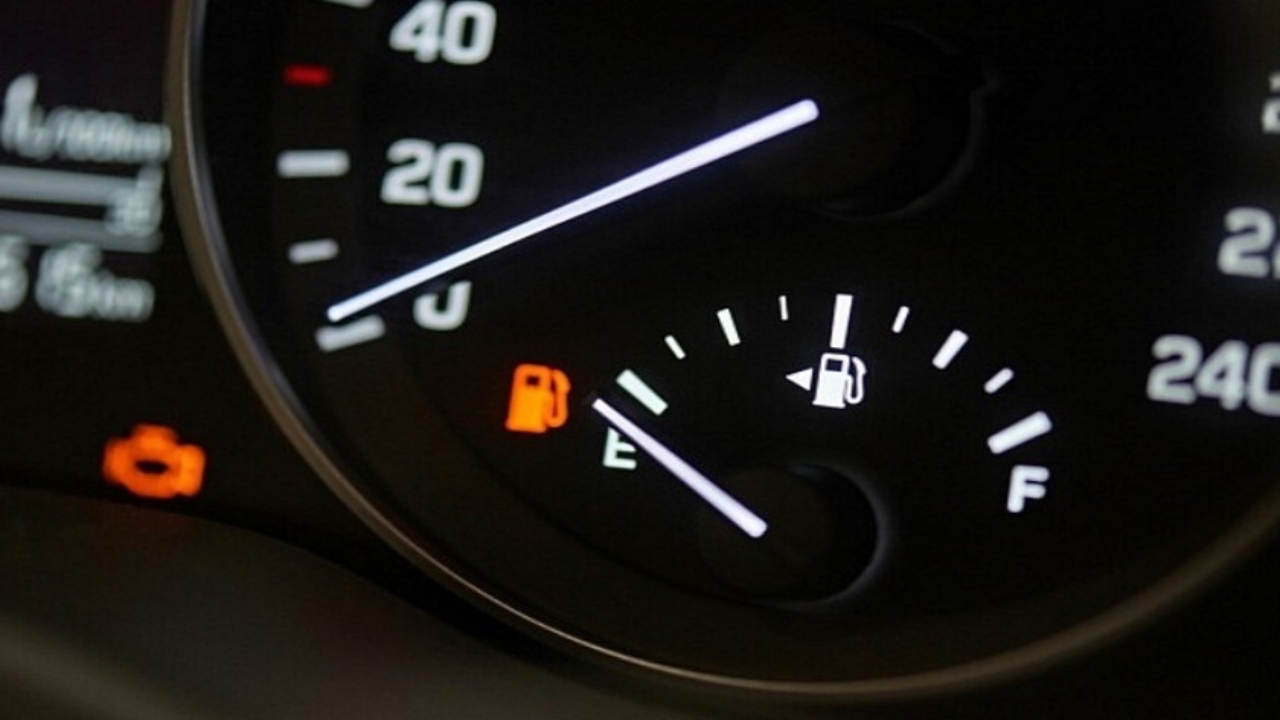


Understand Why The E On The Gauge Indicates Fuel Reserve And Why Insisting On That Level Can Accelerate Wear And Lead To Maintenance Costs.
Many people see the needle reach the E and believe that the tank is empty. However, the indication does not mean that the car is out of fuel.
The E stands for Empty, but the system is designed not to let the tank run completely dry at that moment. The idea is to give the driver time to find a gas station.
Even so, making this margin a routine can be expensive. Driving with low fuel increases the risk of mechanical damage.
-
Iron foundry in Senegal reveals a pile of 100 tons of slag, 35 furnace bases, and a rare technique that has remained stable for centuries.
-
The only man-made structure in the world that can be clearly seen from space is not the pyramids of Egypt nor the Great Wall of China.

-
An analysis by NASA highlighted that the Great Wall of China and the Pyramids of Egypt are not visible to the naked eye from the International Space Station, and only one man-made structure is visible in this way.
-
Chinese submersible discovers a colossal system of giant craters on the Pacific floor, previously unknown, teeming with life and so rich in hydrogen that they may help explain the origin of life on Earth.


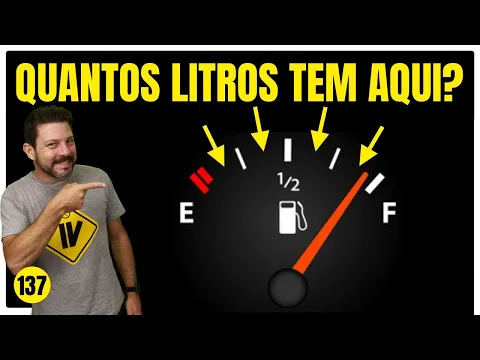

What Happened And Why It Caught Attention
The panel shows the letter E when the level is very low, but there is still some fuel available in the tank.
This final range acts as a reserve designed for emergency situations. It helps prevent the engine from stopping immediately.
The problem arises when a person starts to rely on this buffer frequently. The car may continue to run, but the mechanics begin to suffer.
How Much Fuel Really Remains In The Reserve
The amount in reserve changes according to the vehicle model. Generally, it ranges between 5% and 15% of the total tank capacity.
In practice, this can allow for something between 50 and 80 kilometers extra, depending on consumption and driving conditions.
These numbers are not a guarantee for every car, but they show that the E does not indicate an empty tank. Still, relying on this all the time is not a good strategy.
Why It Is Risky To Drive With The Gas Tank On Reserve
Driving with the level very low poses risks to the mechanical health of the vehicle. One of the most sensitive points is the fuel pump.
This component works by sending fuel to the engine and uses the fuel itself as lubricant and coolant. With low volume, the pump may lose this protection.
When operating nearly dry, the assembly can suffer friction, overheating, and premature wear.
What Can Happen To The Fuel Pump
With the tank at its limit, the pump can suck what is at the bottom of the reservoir. This includes accumulated residues that have settled over time.
This material can increase internal wear and compromise the system’s functioning. The result is usually failure, loss of performance, and the need for repairs.
Replacing or repairing the pump can be costly. Avoiding reaching the E frequently reduces this chance.
Points Of Attention And Common Questions
The reserve exists for emergencies, not to become a habit. The ideal is to refuel before entering this final zone.
Being attentive to the level helps prevent unforeseen events and preserves important components of the fuel system.
Understanding what the E really indicates changes the way you manage fuel and can extend your car’s lifespan.
In everyday life, the best decision is to treat the E as a final alert and not as a normal usage point. This way, the driver gains predictability and reduces the risk of damage.
Keeping the tank with more fuel also helps protect the pump and avoids surprises on the road, as well as reducing the chances of costly maintenance due to premature wear.
Now we want to know your experience. Have you ever needed to drive with the gauge on E or do you usually refuel before getting to that point? Tell us in the comments how you deal with the fuel level on a day-to-day basis and if you’ve ever had any problems from running on reserve. Your opinion helps other drivers avoid common mistakes and unnecessary expenses.







Escreveu besteira, como pode ficar resíduos no fundo do tanque????? O tanque esta sendo “lavado” pelo combustível o tempo todo.
Se o veículo parar por falta de combustível na rua ou estrada leva uma bela multa! Está no Código de Trânsito.
Não tem nada a ver essa informação. As fábricas já estudaram isso muito antes de você. Pode rodar sim. Só abastecer se não o combustível ACABA e você fica literalmente a pé kkk.