





 Portuguese
  English
  Spanish
  5 min of reading
  0 comments


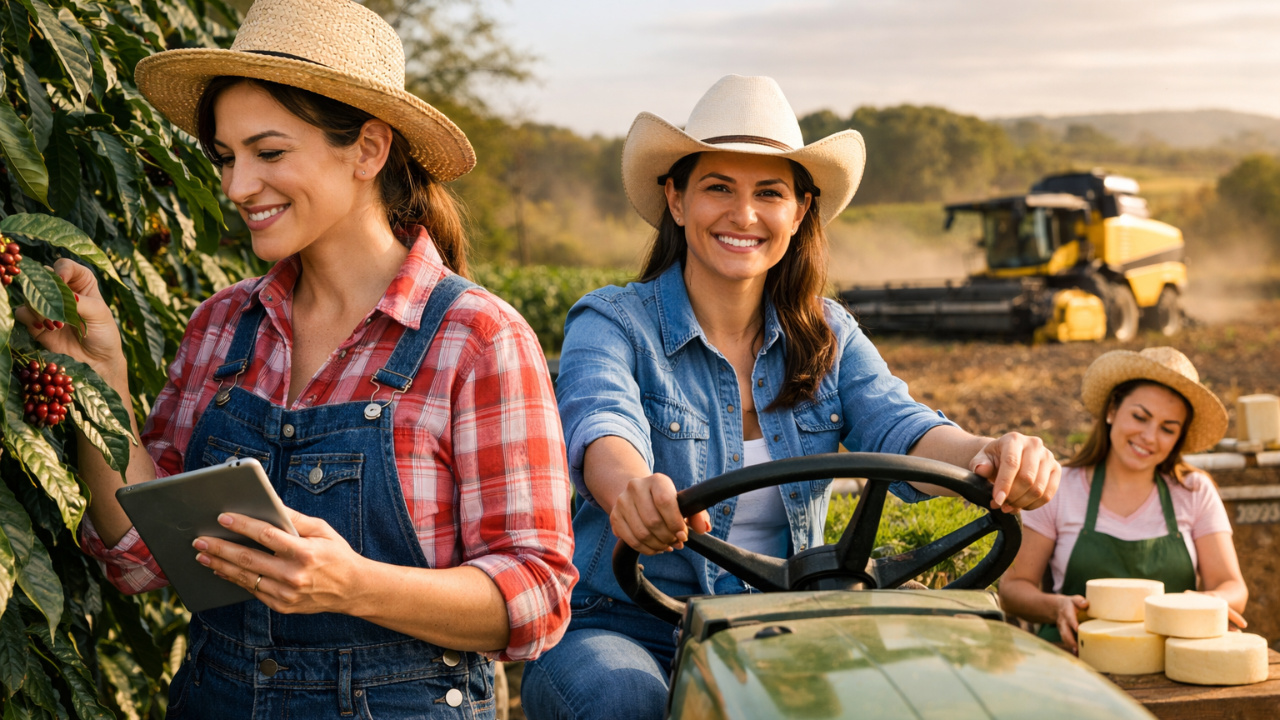
Women in Agriculture Advances in Brazil and Expands the Presence of Women in Agribusiness, Despite Historical Challenges of Gender Equality.
The presence of women in agribusiness is growing in the Brazilian agribusiness, driven by international initiatives, training, and increased participation in leadership roles.
In 2026, the Food and Agriculture Organization of the United Nations (FAO) declared the International Year of the Female Farmer, highlighting the importance of women in agriculture and advocating for progress in gender equality in rural areas.
The initiative seeks to recognize the contribution of women in food production, expand public policies, and encourage investments that reduce structural inequalities.
-
Rain gains strength in April, potentially exceeding 150 mm, placing the North, Northeast, and the coasts of the South and Southeast at the center of the heaviest forecast of the week.

-
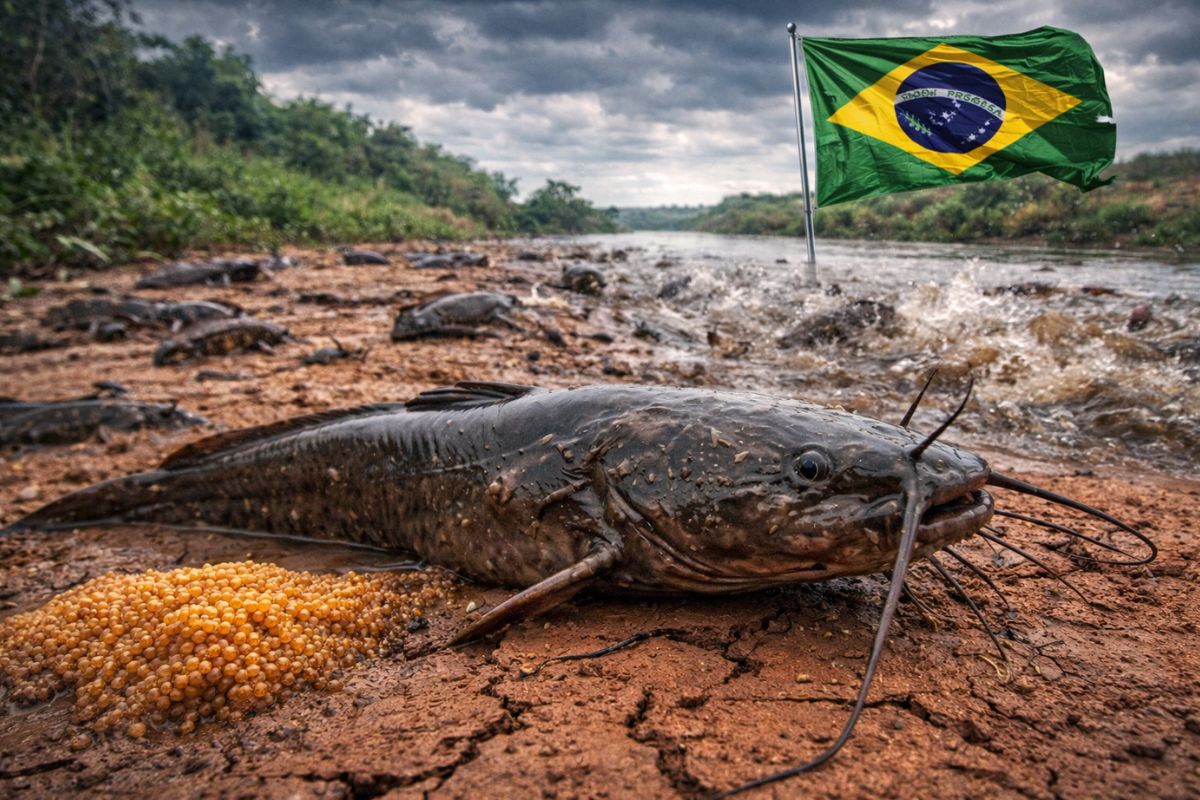
A fish that survives out of water, crawls on land until it finds another river, and whose female lays 80,000 eggs at once is infesting rivers and lakes in Brazil, and no one can stop this invasion.
-
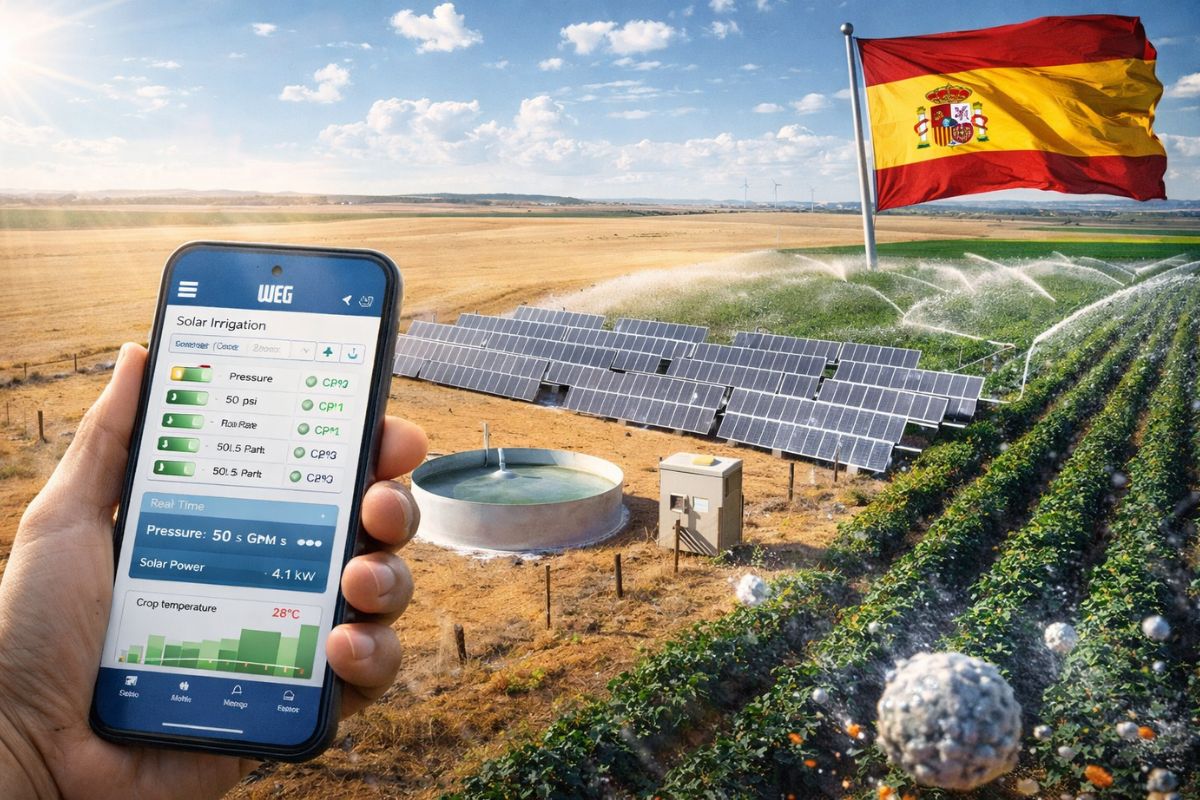
WEG took its technology to Spain to create a solar irrigation system that operates independently without needing an electrical grid, and now farmers control everything remotely via their mobile phones.
-
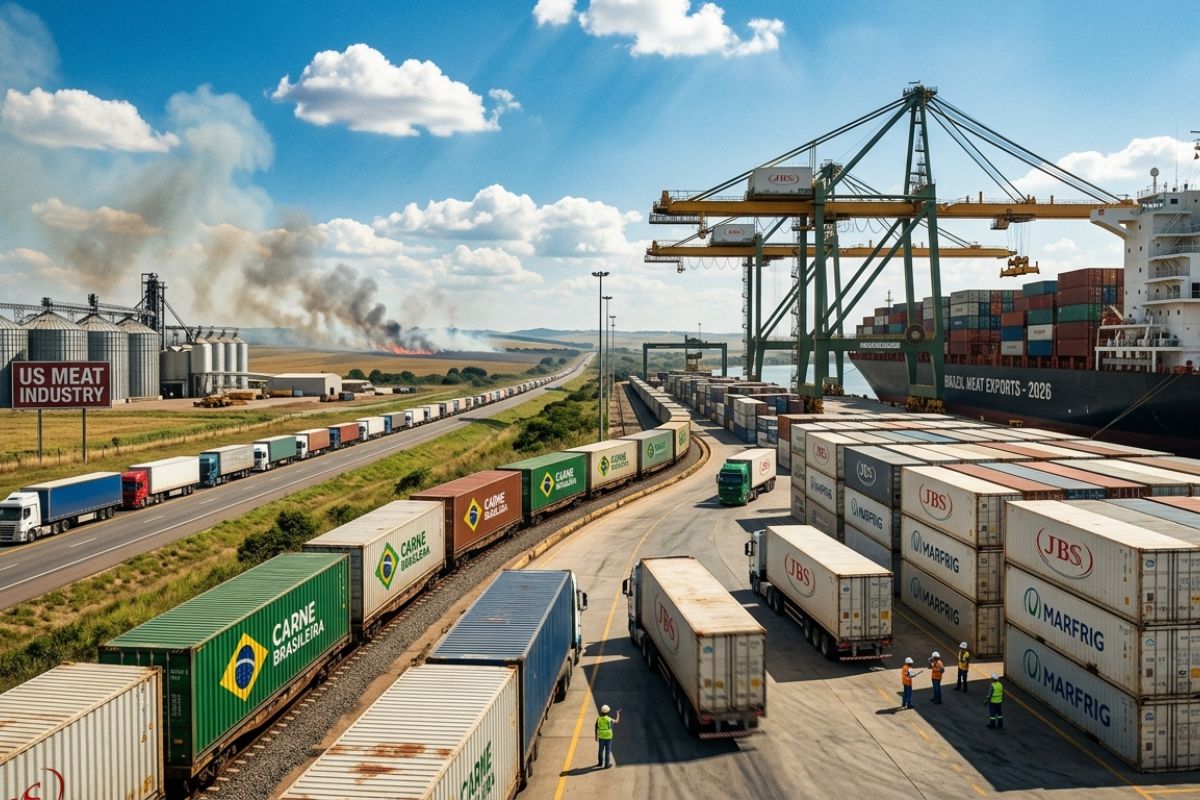
The US faces a meat crisis with fires, pests, and strikes, consumption rises and supply falls to the lowest level since 1952, creating a billion-dollar opportunity for Brazilian exports to grow in 2026.

Although female leadership is on the rise, historical challenges still limit access to land, credit, and technology.
Thus, the debate about female leadership in the rural sector gains momentum at a time when the role of women becomes increasingly strategic for innovation and sustainability in the field.
Women in Agribusiness Are Essential to Food Systems
According to FAO data, women represent about 36% of the workforce in food systems in Latin America and the Caribbean.
Furthermore, female participation is even more significant in activities such as processing and marketing agricultural products, where it reaches 71%.
These numbers highlight the relevance of women in agriculture for food security and regional economic development.
Still, structural obstacles persist. Many rural women still face less access to land ownership, financing, and technology, in addition to the burden of unpaid domestic and caregiving tasks.
These factors reduce women’s economic autonomy and hinder the growth of female leadership within the Brazilian agribusiness.
Gender Equality Remains One of the Greatest Challenges in Agribusiness
For sector experts, international recognition of the importance of women in agribusiness represents an opportunity to accelerate structural changes.
The manager of the Women’s, Youth, and Innovation Bureau of the Faemg Senar System, Silvana Novais, emphasizes that the global campaign helps strengthen the debate on gender equality in production systems.
“We have the challenge of making women see themselves as owners. Many times they are there, working alongside their husbands, but do not see themselves as producers.
The International Year will serve to give this visibility and act. They want to reduce this inequality.”
According to her, female empowerment also involves changing perceptions within their own rural properties.
When women recognize themselves as producers, they begin to occupy strategic decision-making and management spaces.
Women in Agriculture Gain Ground in Minas Gerais
In Minas Gerais, initiatives aimed at training and valuing women in agribusiness have shown significant results.
In recent years, training programs, meetings, and events focused on female leadership have increased significantly.
These projects encourage women’s prominence in rural properties and also in cooperatives and unions.
“The International Year of the Female Farmer brings visibility and calls attention to the creation of public policies.
It’s essential to transform, mobilize, and ensure that women are in better conditions, developed, and trained so that they can occupy this space better. This is what we have been working on in the Women’s Bureau,” explains Silvana Novais.
The numbers demonstrate this progress. Meetings focused on women in agriculture increased from 17 in 2022 to 80 in 2025, with expectations of even greater growth in 2026.
Female Leadership Grows in Unions and Rural Organizations
In addition to training, female presence in decision-making positions is also increasing.
In the last three years, the number of women on the boards of rural unions in Minas Gerais rose from 341 to 431.
Currently, there are 54 established women’s groups within these organizations.
According to Silvana Novais, the projects developed focus on both technical development and the breaking of historical paradigms.
“Our numbers have increased significantly. Women’s meetings rose from 17 in 2022 to 80 in 2025, with a goal to exceed that in 2026.”
She also highlights that many initiatives encourage producers to add value to products within their own properties, generating local income and strengthening the rural economy.
Cooperatives Promote Women in Agribusiness
The growth of female leadership has also been observed in the cooperative system, considered one of the pillars of Brazilian agribusiness.
According to the president of the Ocemg System, Ronaldo Scucato, female presence is directly related to succession in the field and productive innovation.
“In cooperatives, this presence gains a more structured path to transform into participation and leadership.
In Minas, they represent three out of ten cooperatives and more than half of the employees in the sector.
This is also relevant from a management perspective, as there is evidence that organizations with more diversity in leadership tend to perform better.
The Ocemg System values this context highly, noting that of the 10 management positions in the entity, 5 are led by women, and we have numerous training and capacity-building initiatives to increase the number of women in cooperative leadership in Minas.”
This scenario reinforces how diversity can generate productivity and innovation gains for the sector.
Women in Agribusiness Break Paradigms in Coffee Farming
An example of the advancement of female leadership in the field comes from the Cerrado Mineiro region.
Coffee grower Mariana Velloso Heitor became the first woman to preside over the Board of Directors of the Coffee Growers Cooperative of Cerrado (Expocacer).
She also participates in the management of Fazenda Reserva Heitor, in Patos de Minas.
For Mariana, the growth of female participation is the result of a gradual transformation within the sector.
“In coffee farming, specifically, we see more and more women taking on strategic roles on the properties, in farm management, quality processes, marketing, and also in leading organizations in the sector.”
She emphasizes that the female perspective has contributed to improving aspects such as organization, sustainability, and quality in production.
The Future of Women in Agriculture Depends on More Opportunities
Despite progress, the president of Expocacer highlights that important cultural barriers still exist.
“The main barrier is breaking historical paradigms in a sector that has traditionally been led predominantly by men.
Although this scenario is changing, it is still necessary to expand opportunities, promote training, strengthen support networks, and encourage women’s presence in decision-making spaces.”
Programs like Women in Coffee, developed by the cooperative for over a decade, are examples of initiatives that stimulate women in agriculture and strengthen the prominence of women in agribusiness.
“At Expocacer, we have the Women in Coffee Program, which for over 10 years has fulfilled the role of providing training, bringing visibility to the work developed by them, and recognizing the importance and merit of each one of them in coffee farming.
I believe that through initiatives that foster education, training, and positive examples, this movement will continue to grow and bring significant and lasting contributions and results for the future of coffee farming.”
Thus, experts point out that expanding gender equality in rural areas will be essential to strengthen Brazilian agribusiness in the coming decades.
Learn more at: 2026: The International Year of the Female Farmer









Seja o primeiro a reagir!