





 Portuguese
  English
  Spanish
  3 min of reading
  15 comments


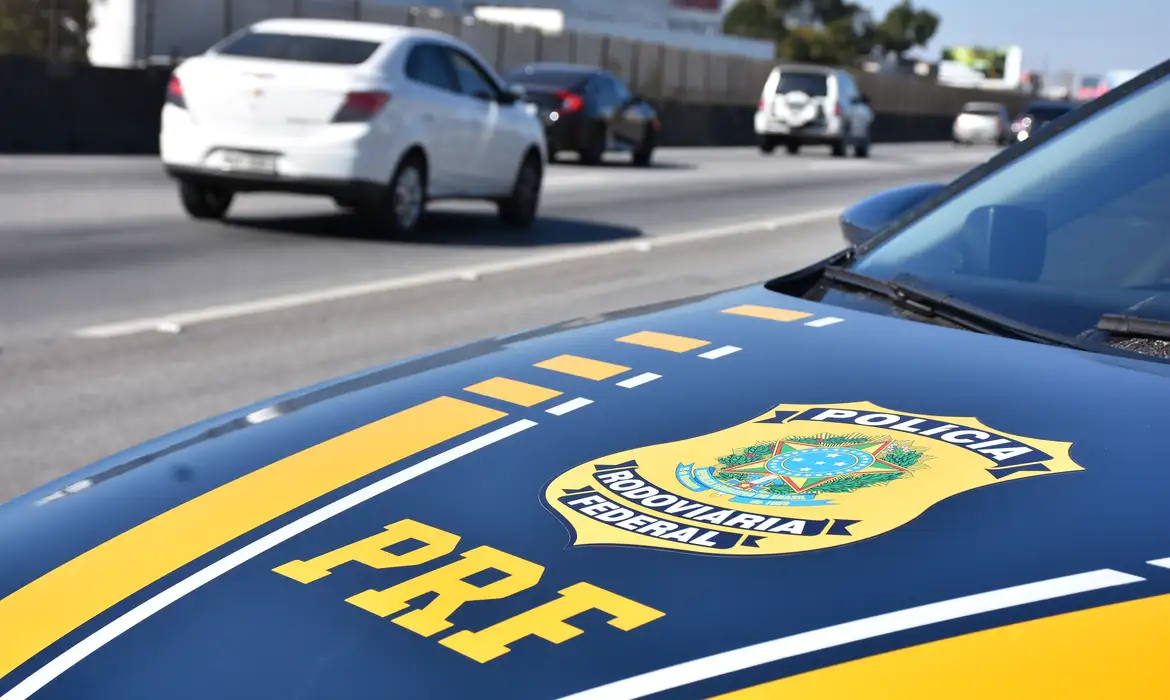


The PRF Implements New Technologies and Advanced Techniques to Reinforce the Enforcement of Seatbelt and Cell Phone Use on the Roads
Increasingly, the PRF has been ramping up the use of drones and video monitoring cameras as enforcement tools in Brazilian traffic, raising the level of control and technology on Brazilian roads. The outcome is certain: an increase in the number of traffic fines issued.
The use of modern equipment is not new, but its evolution has been impressive. Initially, the cameras monitored infractions such as illegal overtaking or shoulder use.
Now, high resolution allows even the capture of behaviors inside the vehicle, such as cell phone use or failure to wear seatbelts.
-
With a price almost R$ 100 thousand lower, the Haval H9 surpasses the SW4 for the first time in March, but Toyota still leads in the accumulated total for 2026; the Chinese SUV bets on technology and premium finishing to compete at the top.

-
6 used cars that cost less than a new Honda CG 160 Titan and still provide trunk space, four seats, and comfort that many new motorcycles cannot offer.
-
Caoa Chery Tiggo 5X skyrockets in sales in Brazil: a 2,318% increase and waiting lists of up to 4 months to acquire the model.

-
Goodbye falls: Singaporean company Omoway begins production of a motorcycle that doesn’t fall and surprises the market by offering automatic balance technology that reduces accidents and transforms the urban riding experience.

In Bahia, for example, the BR-324 is testing cameras with artificial intelligence capable of identifying whether drivers or passengers are not wearing seatbelts or are using their cell phones.
These devices do not generate fines automatically, but alert traffic agents who, based on the images, issue the citations.

Growth in São Paulo
In São Paulo, the modern cameras installed on toll roads have contributed to a significant increase in enforcement.
Data from the Road Police Command (CPRv) reveals that the number of fines issued via video monitoring grew by 10% in 2024 compared to the previous year. There were 68,078 infractions recorded until November, compared to 61,911 in the same period of 2023.
The main citations in São Paulo by video monitoring include:
- Failure to wear a seatbelt;
- Handling a cell phone while driving;
- Driving outside the right lanes by slow or large vehicles;
- Traveling in prohibited places, such as sidewalks, bike lanes, or gardens;
- Illegally parking on shoulders or sidewalks.
Despite the advancements, issuing fines for rear-seat passengers not wearing seatbelts still faces challenges, as reported by Borges Leite. When in doubt, the infraction is not recorded.
Drones on Scene
While São Paulo has yet to use drones for enforcement, the Federal Highway Police (PRF) already employs unmanned aircraft in five states: Espírito Santo, Minas Gerais, Pará, Rio Grande do Sul, and Santa Catarina.
These drones are used mainly in locations where patrol cars cannot park, as explained by Jeferson Almeida, General Coordinator of Traffic Safety at PRF.
“The drone acts like an electronic binocular, increasing the police officer’s field of vision,” says Almeida.
The devices have a zoom of up to seven times and fly between 10 and 20 meters in height, offering a privileged view.
Recently, the PRF completed a bidding process for the acquisition of 80 drones by 2025, with an investment of R$ 3.72 million.
Initially, nine aircraft will be acquired. Additionally, agents are being trained to operate them, with a focus on Santa Catarina, where the use of drones is more advanced on BR-101 and 282.
In Minas Gerais, a post on PRF’s Instagram showcasing infractions of illegal overtaking captured by drones on BR-262 went viral, reaching nearly one million views.
Rules for Camera Enforcement
Since 2013, video monitoring enforcement has been regulated in Brazil. In 2022, Contran (National Traffic Council) published new rules consolidating the guidelines for the use of video cameras in issuing fines.
Expanded enforcement through technology has generated much criticism. On one hand, there are those who praise the effectiveness in combating infractions and preventing accidents. On the other hand, drivers criticize what they consider an excess of control.
Although effective, technology does not replace in-person interaction, especially in situations requiring direct contact with the driver. Thus, the PRF plans to combine both enforcement models to maximize road safety.
Advancements
Technological evolution on Brazilian highways represents an important shift in how traffic enforcement is conducted. With drones, intelligent cameras, and video monitoring systems, the trend is for infractions to become increasingly visible, reducing impunity.
Meanwhile, drivers need to stay alert to the changes and aware of their rights, such as the obligation of signposting monitored roads.
After all, technology can be the “eye that sees everything”, but it also needs to respect the rules and ensure transparency.








Mas, nossos veículos que conduzimos sejam eles carros ou caminhões não são considerados espaço familiar onde vc se sente à vontade?!. Pois o Código de Trânsito Brasileiro não possui nenhuma ART. que venha a proibir tais atos. Exceto nudez, que poderá ser caracterizado como ato de obsceno.
No entando, câmeras com tecnologias avançadas, agora drones não se caracteriza invasão de privacidades?!.
Esse tipo de multa para quem está usando celular é muito relativo. O painel digital dos carros atuais são verdadeiros celulares. A distração é inevitável ao manusear o sistema multimídia do veículo. Como fazer para não ser multado erroneamente?
Se não quer ser multado é só não cometer infração. Simples assim.
Parabéns a polícia rodoviária Federal por fiscalizar nossas estradas. Fim.