





 Portuguese
  English
  Spanish
 4 min of reading


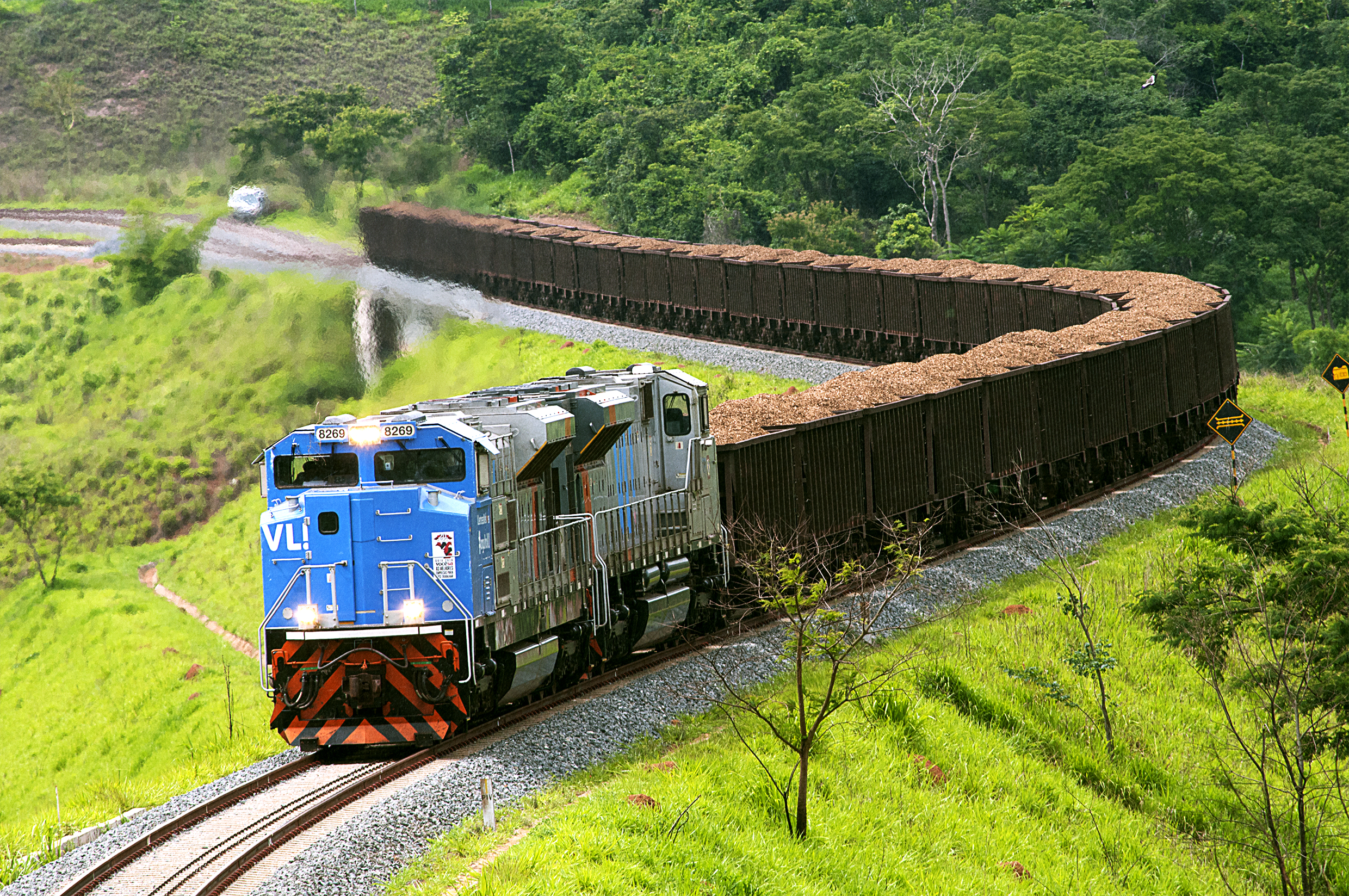
Return of Passenger Trains and the Expansion of the Rail Network for Cargo Transport in Brazil Are Now Real Possibilities
The new railway framework, which has already begun to authorize the first concessions in a privatization model, needs adjustments to effectively benefit the country, says the president of FerroFrente.
It May Be Interesting
- Private Railways: After More Than 100 Years, Government Authorizes the Insertion and Construction of New Projects, with More Than R$ 50 Billion in Investments
- Ministry of Infrastructure Signs Agreement with Six Companies to Start Construction of Nine Railways through Private Initiative in the Country
- Railways – State of Minas Gerais May Receive Investments of R$ 43 Billion with the Construction of New Roads
- With New Projects for Railway Construction, Investments from the Pro Trilhos Program Exceed R$ 100 Billion
Watch the Video from the Proposal Rapporteur, Federal Deputy of PL, Zé Vitor
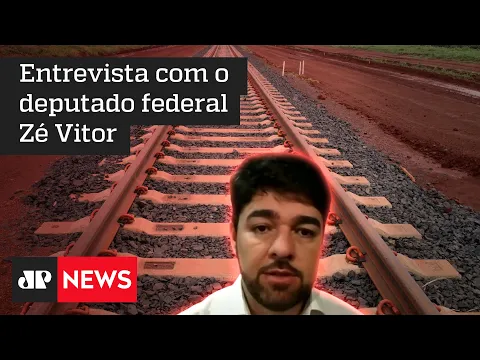

According to José Manoel Ferreira, an engineering graduate and current president of FerroFrente, which is an organization aimed at stimulating the return of railroads, including trains for passenger routes and maximizing the rail network for cargo transport in Brazil, the New Legal Framework for Railroads does not yet meet the actual needs of the segment.
According to José Manoel Ferreira, an engineering graduate and current president of FerroFrente, which is an organization aimed at stimulating the return of railroads, including trains for passenger routes and maximizing.
-
São Paulo surprises the world with a colossal railway network project that promises over 1,000 km of tracks, R$ 194 billion in investments, and 40 projects connecting the capital to the interior with fast and sustainable trains.
-
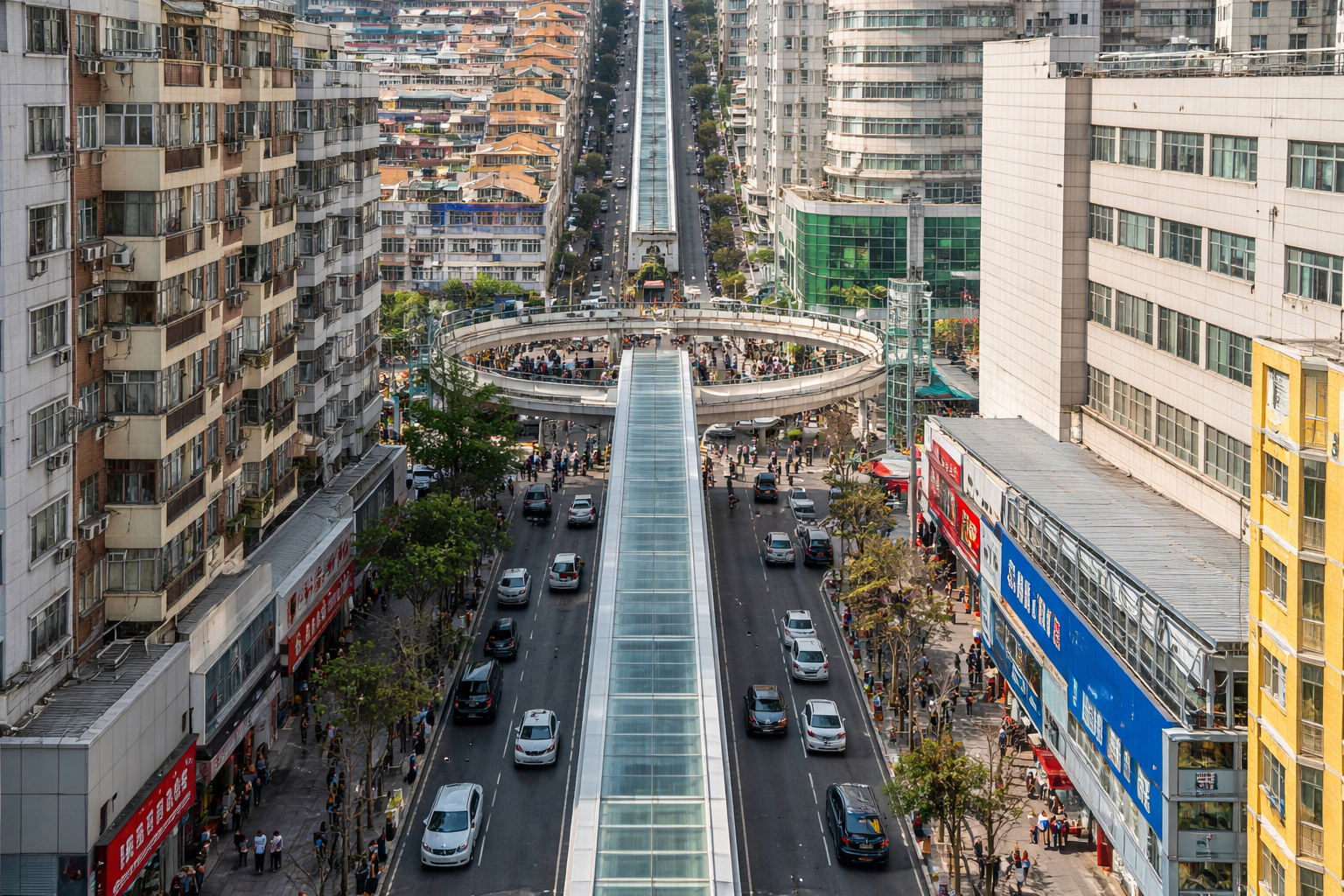
The world’s largest escalator, measuring 905 meters in China, reduces urban travel time from 1 hour to about 20 minutes and transforms mobility in mountainous regions with an engineering solution adapted to the terrain.
-
A R$ 300 million logistics giant is taking shape in Serra with over 100,000 m² and raises a question: how can this transform e-commerce and distribution in the state?
-
Could Uber Rides Lose Minimum Fare? Understand What’s Happening!


“We have a country of continental dimensions and we do not have a consistent passenger rail transport,” affirms José Manoel Ferreira Gonçalves, engineer and president of FerroFrente.
“Despite having this vastness, we continue to only export commodities to the ports, especially to the Port of Santos. We need to create cargo concentration centers, distribution centers, and use all our potential for modalities. We must serve an immense domestic market in Brazil with medium and long-distance passenger transport on tracks, and also focus on the transport of products that supply the domestic market, reducing food costs and facilitating a decrease in social inequalities,” emphasizes José Manoel.
Last week, on 12/09/2021, the federal government signed the first agreements that allow companies to develop pioneering railway projects. The ideas are based on rules from the new Legal Framework for Railroads, which has been in force since August 2021, through a provisional measure that was issued. The text allows for a railway regime in Brazil called “authorization”. In this text, new routes are specifically developed at the request of the private initiative and without the need for bidding.
The model is still not ideal. For some analysts in the sector, this movement represents progress and great investment potential in the sector. In José Manoel Gonçalves’ opinion, Brazil urgently needs to expand its railway network. “However, we need to have multimodality to expand the existing system rationally. We continue to depend on models that do not value our capacity.” “This model chosen by the new framework is not the best for Brazil”
It addresses what we call ‘shortlines’, which would be small rail lines, authorized to operate under an already existing concession. It solves the problem to a certain extent. What is not being dealt with in depth is the so-called right of way. The ideal model would be a horizontal concession, with the state participating in the process, guiding and defining directions, bringing free initiative, but not neglecting its role.”
Data indicate that railways account for only 15% of cargo transport, while highways handle around 65% of this type of transport. “Our transport matrix concentration is still heavily reliant on tires. São Paulo has just over 100 km of subway; we should have at least 500 km. Brazil needs a project that addresses urban mobility differently.”
“The metro-rail policy should be connected with railway policy. This good sense is lacking,” stresses the president of FerroFrente. “We must serve an immense domestic market in Brazil with medium and long-distance passenger transport on tracks” “Our engineering, for example, does not move forward, does not produce alternatives, and has already done wonderful things for the country. We could have a large bank of projects for railways,” he concludes.









Seja o primeiro a reagir!