Portuguese
  Spanish


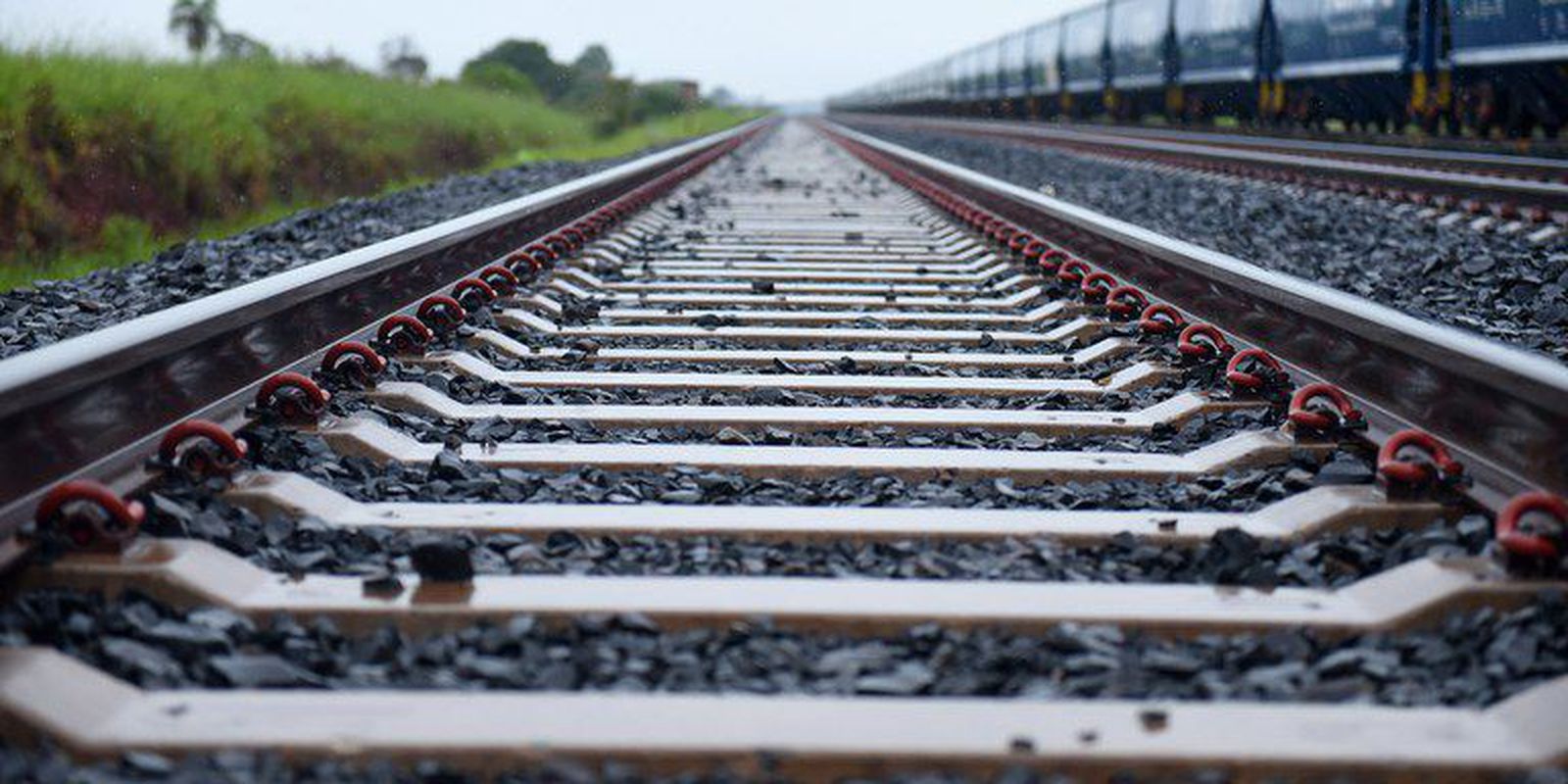

Ministry of Infrastructure (Minfra) Authorizes Construction of 9 Railways by Private Initiative
The Ministry of Infrastructure (Minfra) signed on Thursday (9) an authorization for six business groups to begin the construction of nine railways in 8 states in Brazil. The initiative is part of the Pro Trilhos Program, which aims to expand the country’s railway network through private investment. With the signing of the authorization, the companies plan to invest approximately R$ 50 billion to add an additional 3,500 kilometers to the national network.
Read Also
Learn Which Companies Signed Authorization with the Ministry of Infrastructure (Minfra)
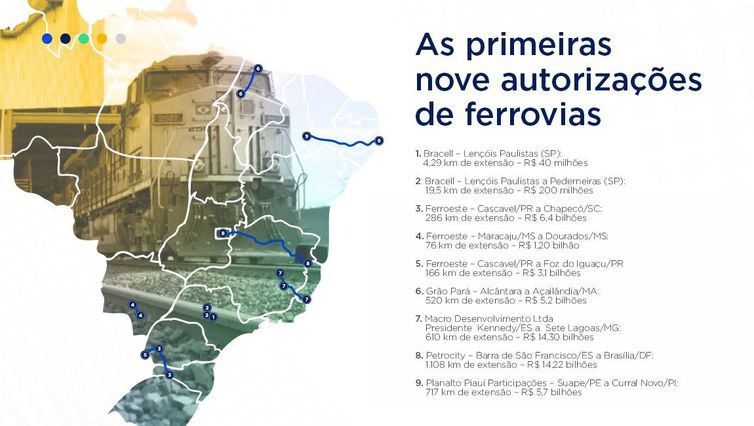
The railways are located in the following states: Mato Grosso do Sul, São Paulo, Maranhão, Espírito Santo, Minas Gerais, Paraná, Piauí, and Pernambuco. It is worth noting that the contract from the Ministry of Infrastructure (Minfra) was signed by the companies Ferroeste, Grão Pará, Bracell, Macro Desenvolvimento, Planalto Piauí Participações, and Petrocity.
-
At 14 years old, she worked in a factory in Hong Kong, studied economics abroad, and then entered the Chinese real estate market, which helped change the landscape of Beijing.

-
While NATO secured more than $10 billion in missiles and space surveillance at a single forum, Brazil still spends 1.1% of its GDP on defense and is stalling its own anti-aircraft system.

-
Corn ethanol attracts R$ 23 billion in 21 new plants and prepares for a nearly 50% jump in Brazilian production by 2027, even with high interest rates.
-
A newly opened terminal in the middle of the Amazon has begun transporting soy and corn through Amapá, eyeing the queue of ships that is congesting the ports in the South.


Since September of last year, after the launch of the Pro Trilhos Program, the Ministry of Infrastructure (Minfra) has received 36 proposals for the construction of railways by private initiative. In total, projects equivalent to 11,000 km of tracks in 14 Brazilian states have been presented, with projected investments of R$150 billion.
Check the Railway Authorizations Made So Far, If You Couldn’t View the Image Above
See below the first nine railway authorizations from the Ministry of Infrastructure (Minfra):
- Bracell – Lençóis Paulistas (SP), with an investment of R$ 40 million and a length of 4.29 km
- Bracell – Pederneiras to Lençóis Paulistas (SP), with an investment of R$ 200 million and a length of 19.5 km
- Ferroeste – Chapecó (SC) to Cascavel (PR), with investments of R$ 6.4 billion and a length of 286 km
- Ferroeste – Dourados (MS) to Maracaju (MS), with an investment of R$ 1.20 billion and a length of 76 km
- Ferroeste – Foz do Iguaçu to Cascavel (PR), with an investment of R$ 3.1 billion and a length of 166 km
- Grão Pará – Açailândia to Alcântara (MA), with an investment of R$ 5.2 billion and a length of 520 km
- Macro Desenvolvimento LTDA – Sete Lagoas (MG) to Presidente Kennedy (ES), with an investment of R$ 14.30 billion and a length of 610 km
- Petrocity – Brasília (DF) to Barra de São Francisco (ES), with an investment of R$ 14.22 billion and a length of 1,108 km
- Planalto Piauí Participações – Curral Novo (PI) and Suape (PE), with investments of R$ 5.7 billion and a length of 717 km.
Learn About the Pro Trilhos Program
The Railway Authorization Program, Pro Trilhos, was developed through MP 1.065/21, which initiates the grant by authorization for the sector, allowing the initiative in the railway market to be free.
Thus, the private sector can develop and manage railways, yards, rail terminals, and branches. The program aims to expand the attractiveness of the private sector for making investments in the sector, whether greenfields or brownfields. Therefore, there is the freedom for logistics operators and industrial transporters to request railway authorization to build and operate.
So far, Minfra has received 36 railway authorization requests with investments of R$ 115 billion and 7,780 new km. The estimate is that more than 2 million new jobs will be created, in addition to reductions in CO2 emissions, transportation costs, and the modernization of the Brazilian railway network.