





 Portuguese
  English
  Spanish
  3 min of reading
  0 comments


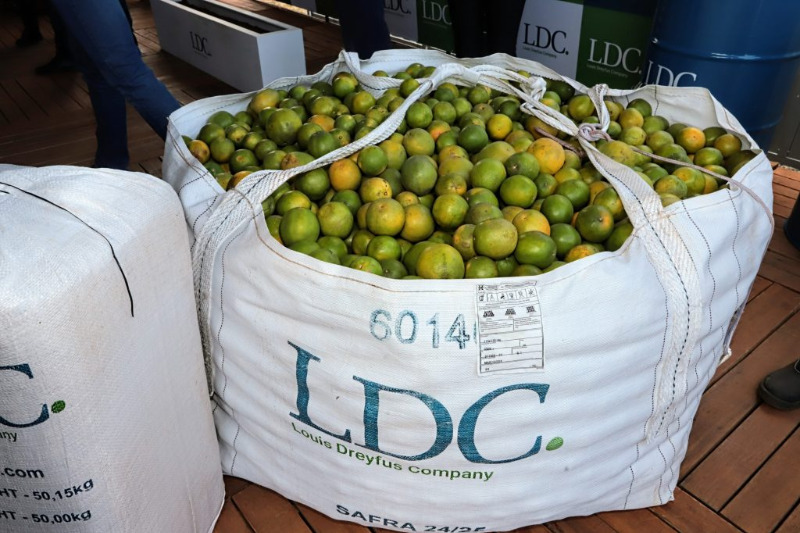
The Search for Renewable Energy Sources Has Led the Agro-Industrial Sector to Invest in Sustainable Solutions. Now, a Multinational Company Has Announced the Production of Biogas from Orange Waste in São Paulo, Utilizing Byproducts of Citrus Farming to Generate Clean and Efficient Energy.
The citrus farming sector in São Paulo has made an important step in renewable energy production. This week, the French multinational Louis Dreyfus Company (LDC) announced the construction of the largest biogas plant in the world using citrus waste.
The project will be installed in Bebedouro, in the interior of São Paulo, with the support of the State Government.
The initiative marks a significant advancement for renewable fuels production in Brazil. “This is the first plant in Brazil to produce renewable fuels through orange processing. It is an investment of millions of dollars, demonstrating that São Paulo offers legal security, research, measures against greening, crop insurance, and availability of credit.” stated Guilherme Piai, Secretary of Agriculture and Supply.
-
The Brazilian state accelerates industrial competitiveness with a focus on the extraction of strategic minerals to boost the energy transition in Goiás.

-
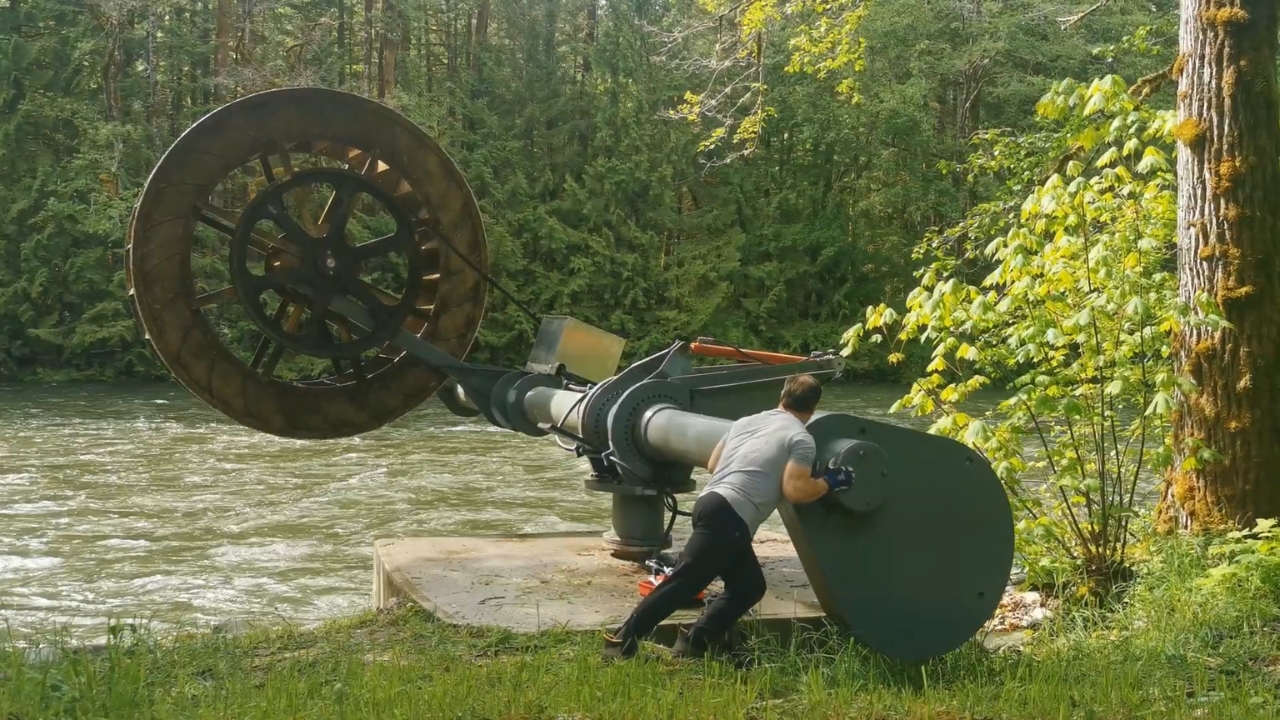
A Canadian retiree creates a hydroelectric system on a real river, generating energy continuously throughout the day and demonstrating how the power of water can supply a house with stability even in a simple structure.
-
Petrobras reaffirms its commitment to the market and ensures that it will carry out the energy transition safely to maintain national sovereignty.
-
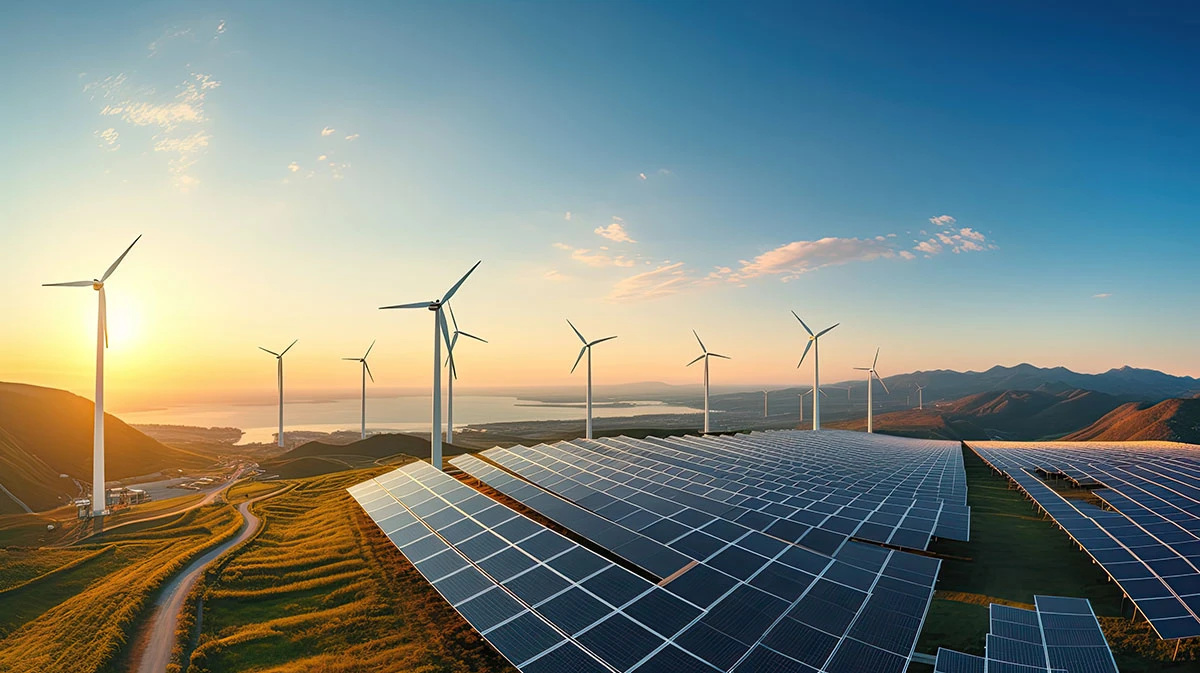
Researchers discover a possible hydrogen deposit of up to 46 million tons beneath an ancient coal basin, and the volume could exceed half of the entire global production.


Economic Impact and Advancement of Citrus Farming
In the 2023/2024 harvest, citrus farming generated 45,112 jobs in the state, a growth of 10% compared to the previous year.
The sector is essential for the economy of São Paulo, as approximately 70% of the orange juice consumed worldwide comes from the region.
Juice exports accounted for 15.5% of the São Paulo agribusiness trade balance, totaling US$ 334.41 million, with 99% of this amount related to orange juice.
The new biogas plant will be located next to LDC’s main orange juice production unit.
It will have the capacity to process 390 cubic meters of waste per hour and generate up to 7 million normal cubic meters of gas per hour (Nm3/h) within two to three years.
The company’s goal is to reduce fossil fuel consumption by 50% and make the unit energy self-sufficient.
Expansion of Biogas in Agriculture
The Government of São Paulo has been encouraging the production of biogas and biomethane on rural properties. In 2024, the Secretary of Agriculture and Supply, in partnership with the Environmental Company of the State of São Paulo (CETESB), launched protocols to facilitate the implementation of this model across various production chains.
In addition to citrus farming, sectors such as poultry, pig farming, cattle farming, and meat industries can also adopt this technology for waste utilization.
The citrus farming sector in São Paulo has also made progress in controlling greening, one of the major threats to orange crops. Data from the Citrus Defense Fund (Fundecitrus) indicates that the incidence of the disease fell by 54% in the state in 2024, compared to the previous year.
The Agricultural Defense Coordination (CDA), linked to the Secretary of Agriculture, has been working on the inspection and removal of irregular seedlings. Since 2023, over 40,000 seedlings have been removed from the market, some of which were suspected of contamination by greening.
The new biogas plant represents a landmark for citrus farming and the renewable energy sector, reinforcing São Paulo’s commitment to sustainability and innovation in agribusiness.






Seja o primeiro a reagir!