





 Portuguese
  English
  Spanish
 3 min of reading


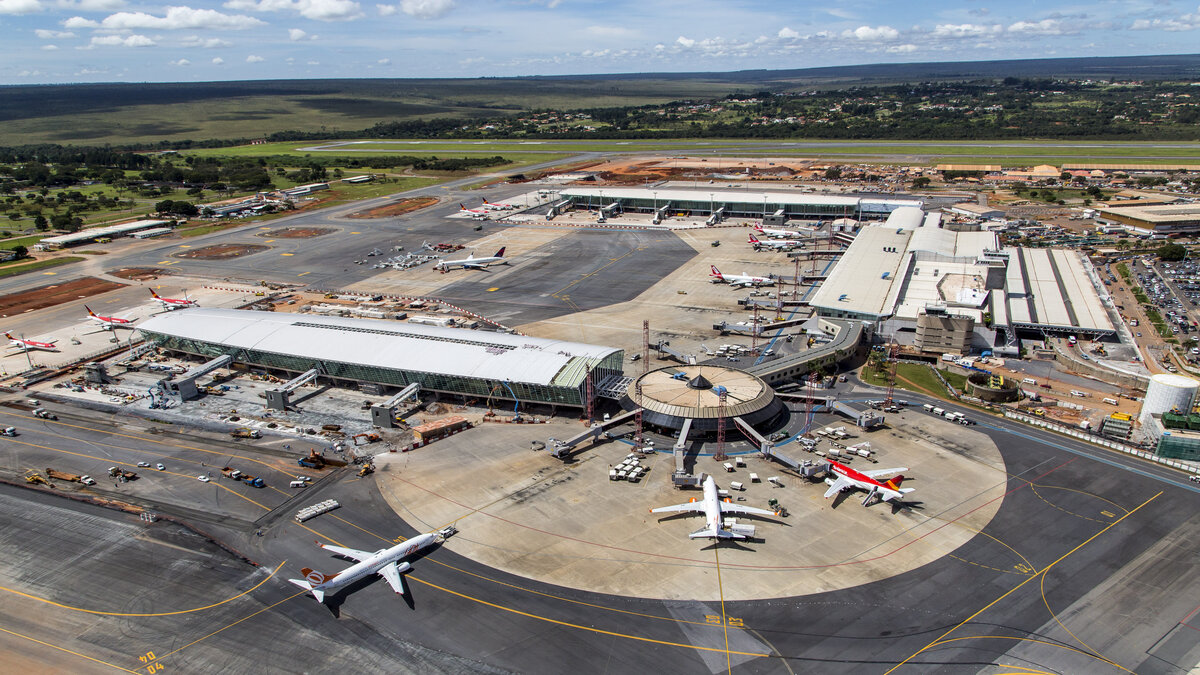
Engie Partners With Inframerica, the Company Responsible for Managing the Airports of Brasília and Natal, to Reduce Aviation Emissions in the Capital. The New Development is Encouraging for Environmental Preservation.
Last Wednesday (07/06), the Engie Transmission Consortium announced a new partnership with the world’s largest airport operator, Inframerica, to reduce aviation pollutant emissions. The innovative decision from the Brazilian capital’s airport will provide aircraft on the ground with renewable energy, aiding in the fight against climate change.
Inframerica Found Engie to Be the Ideal Partner for Seeking New Solutions
Inframerica indicated that Engie would be the ideal partner to find solutions and tackle the challenges at the Brazilian capital’s airport. In this regard, companies in the aviation sector are accelerating their decarbonization agendas, as part of efforts to combat climate change, given that air transportation is a significant emitter of Greenhouse Gases (GHG).
As a result, Brasília’s airport now has a modern and sustainable system to maintain the electrical operations and air conditioning of aircraft while on the ground. The new system replaces the old diesel-powered equipment that previously performed this function, a result of the partnership between the companies. The planning was conducted by Engie — Brazil’s largest private electricity and energy transmission company.
-
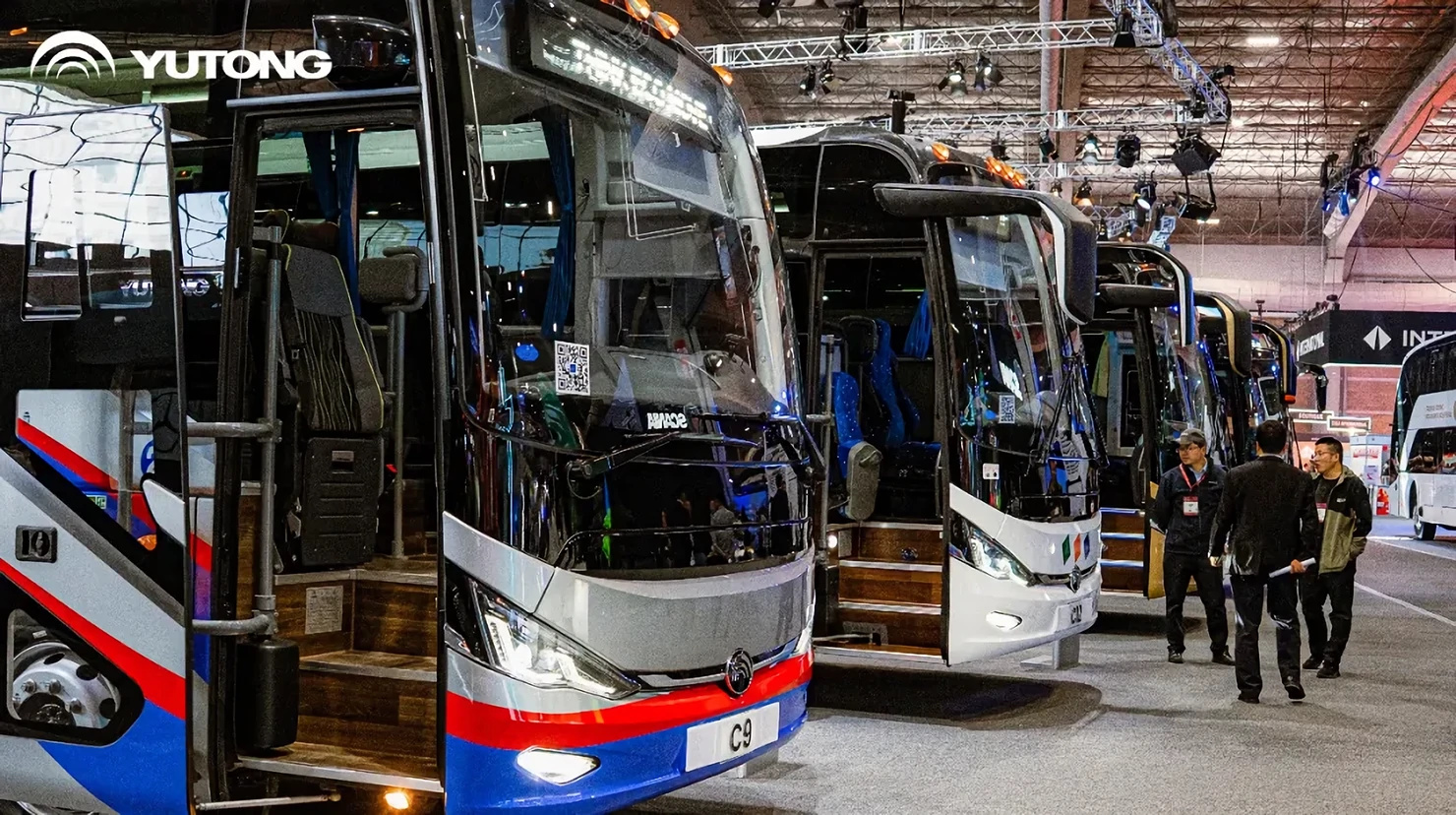
China advances into Mexico’s transportation with an electric bus that has a range of up to 530 km, bringing a complete line to the country in 2026 and transforming its partnership with Yutong into one of the most strategic in Latin American mobility.
-
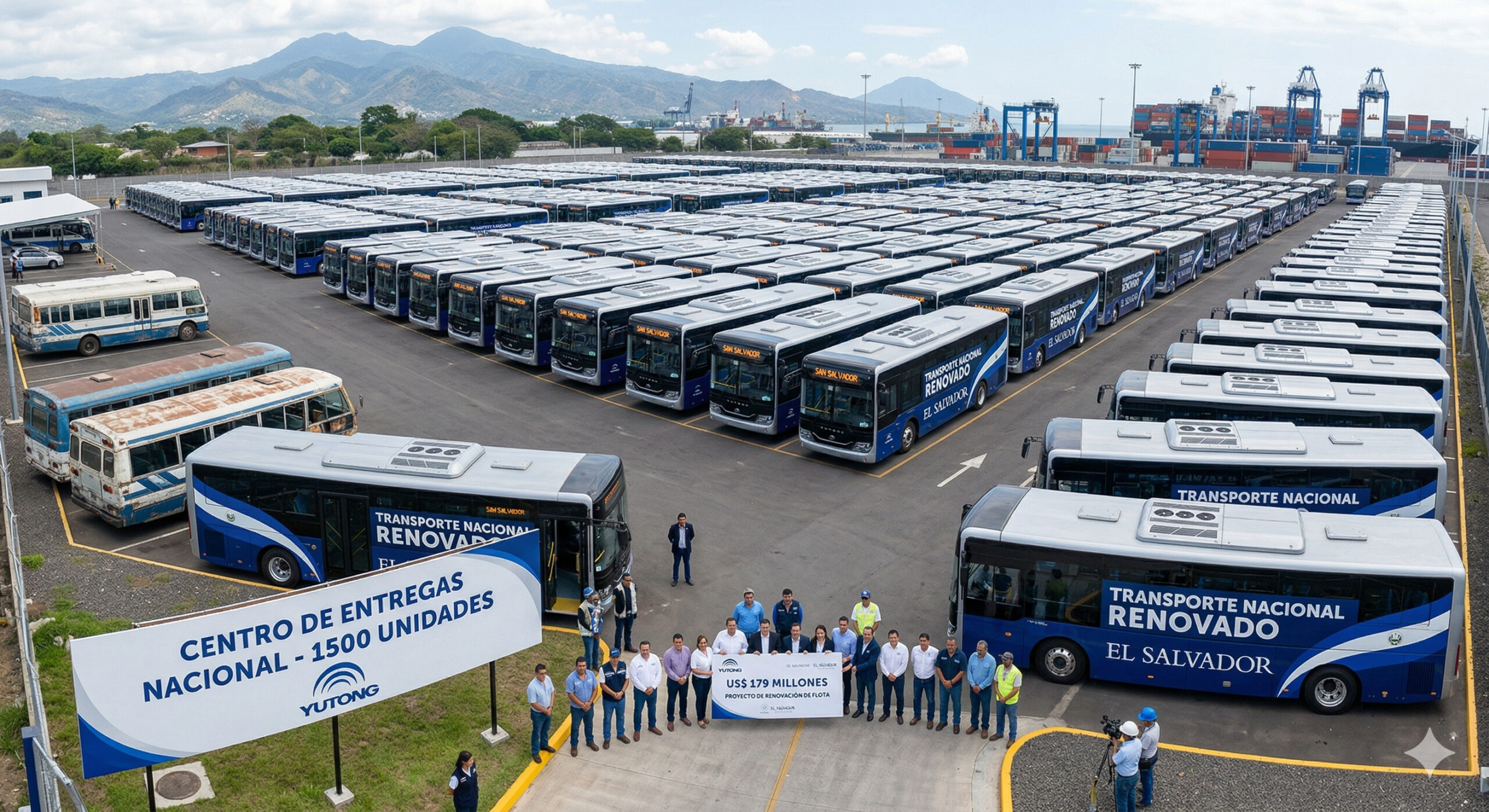
With 1,500 new buses financed by an international agreement, El Salvador is preparing the largest renewal in the history of its public transportation, a plan of $179 million with vehicles from the Chinese company Yutong that could replace practically the entire fleet of the country.
-
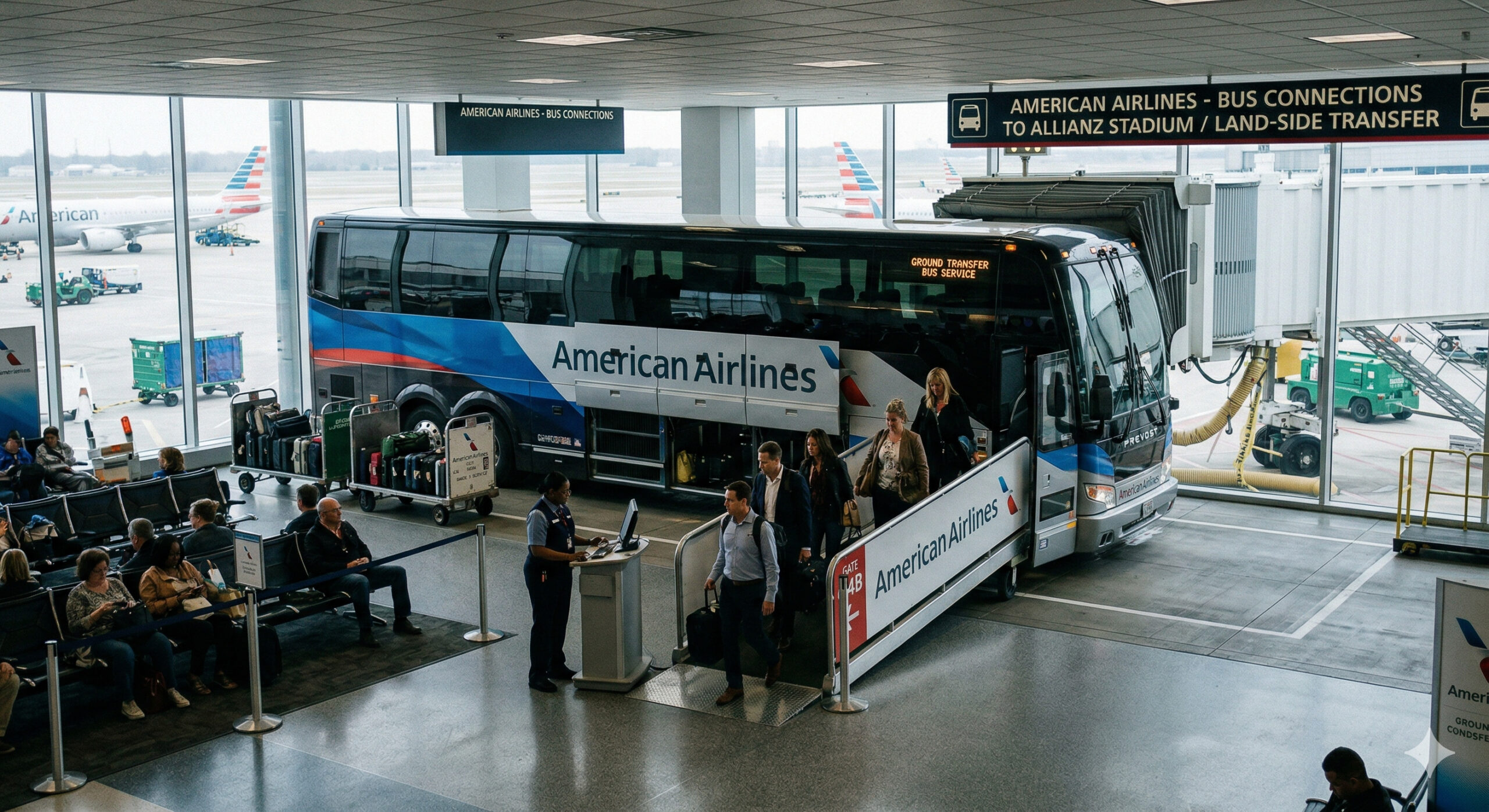
American Airlines starts selling trips as if they were flights, with check-in and baggage check at the airport, but on short routes, passengers board luxury buses connecting cities to major hubs in the U.S.
-
São Paulo surprises the world with a colossal railway network project that promises over 1,000 km of tracks, R$ 194 billion in investments, and 40 projects connecting the capital to the interior with fast and sustainable trains.
The Engie Consortium is responsible for developing the entire system, which is now operational at all 22 boarding bridges throughout the capital’s airport. It is worth noting that the company completed the installation of the entire project, unprecedented in the country, in just 10 months. The new technology will enable a significant reduction in greenhouse gas emissions, with the aim of reducing up to 20,000 tons of CO2 per year.
“The initiative aligns with our purpose of acting to accelerate the transition to a carbon-neutral world, reducing energy consumption and applying innovative and sustainable solutions,” says Marcus Cunha, Director of Solutions for Cities and Airports at Engie. “In addition to becoming more sustainable and efficient, airlines will also have their costs optimized, as the renewable electricity used in the project tends to be more competitively priced than the fossil fuels previously used,” he adds.
Sustainable Commitment of Companies
According to Inframerica’s air business director, Roberto Luiz, the new project is yet another initiative to enhance the efficiency of the airport in the capital. Furthermore, he also states that the system positions the Brazilian airport at a productive level comparable to major global airports. The Argentine company has vast experience in the aviation sector and manages around 52 airports.
“The new solution reduces the carbon footprint, eliminates the use of equipment in the apron area, making it safer, with fewer obstacles for vehicle and personnel maneuvers and reducing operational noise levels. With this, we aim to demonstrate our commitment to reducing greenhouse gas emissions (GHG), reinforcing our efforts towards a more sustainable operation,” confirms Roberto.
The decision to partner with the Engie Consortium was made in this context. The energy transmission company not only provided a more detailed diagnosis and offered consulting services but also assisted in the development of innovative and sustainable technology that made the implementation of the project possible.







Seja o primeiro a reagir!