





 English
  Francês
  Alemão
  Italiano
  Japonês
  Norueguês
  Portuguese
  Spanish
  3 min of reading


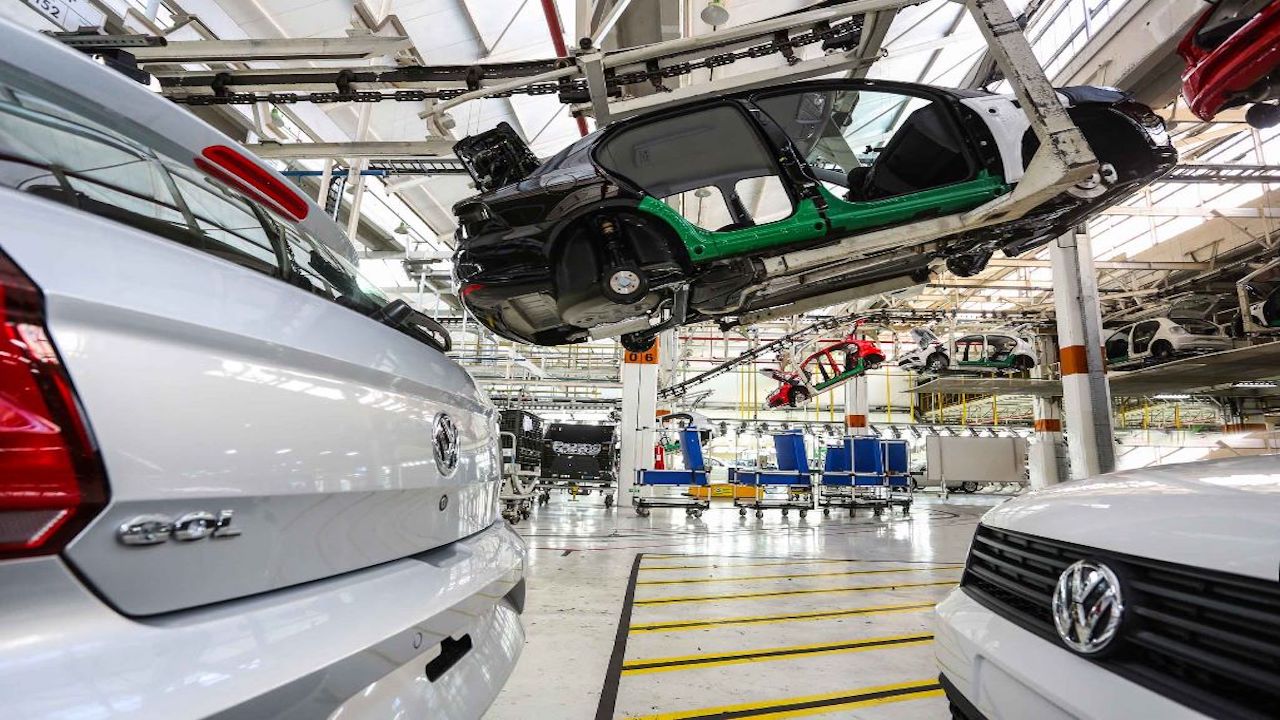
After 40 Years in the Market, Vehicle Manufacturers Volkswagen and Fiat End the Cycle of the Two Best-Selling Cars in the Country and Say Goodbye to the Gol and the Uno
The world’s largest vehicle manufacturer, Volkswagen, has just raised the price of the favorite car of Brazilians. The Gol, once synonymous with economy cars, now easily exceeds R$ 90,000 in its top-of-the-line version, equipped with a 1.6 engine and automatic transmission with all the options — in the entry-level variant, prices hover around R$ 70,000.
Also Read
- Ford, the multinational vehicle manufacturer, calls for 80 positions in the free online course in partnership with Senai Bahia
- Volkswagen, Bosch, Nissan, USP, and UNICAMP study ethanol technology and fulfill the dream of electric cars running without batteries
- A Swedish multinational in partnership with Volkswagen develops the first 100% recycled nickel, manganese, and cobalt battery, which aims to ‘save’ the major ghost of electric cars worldwide
- Iconic Volkswagen Beetle, manufactured in 1955, found after 52 years in a junkyard and costs over R$ 391,000
- Multinational Volkswagen launches the new Kombi, the classic that remained in production until 1975 here in Brazil will have an electric successor!
- After Ford announced the end of Troller in Brazil, Americans discover that the multinational vehicle manufacturer was preparing Troller with Ranger Raptor engine and Mustang transmission
The German automaker did not explain the reason for the new price increase of its automobiles, but the semiconductor shortage crisis and the proximity to the hatch’s retirement could be the main reasons that led Volkswagen to make the adjustment.
In addition to the Gol, the favorite hatch of Brazilians, other cars that, in theory, would be entry-level within Volkswagen’s range have also seen a significant price increase.
-
Engineers propose a fourth traffic light for intersections – the change promises to affect crossings, queues, and waiting times.

-
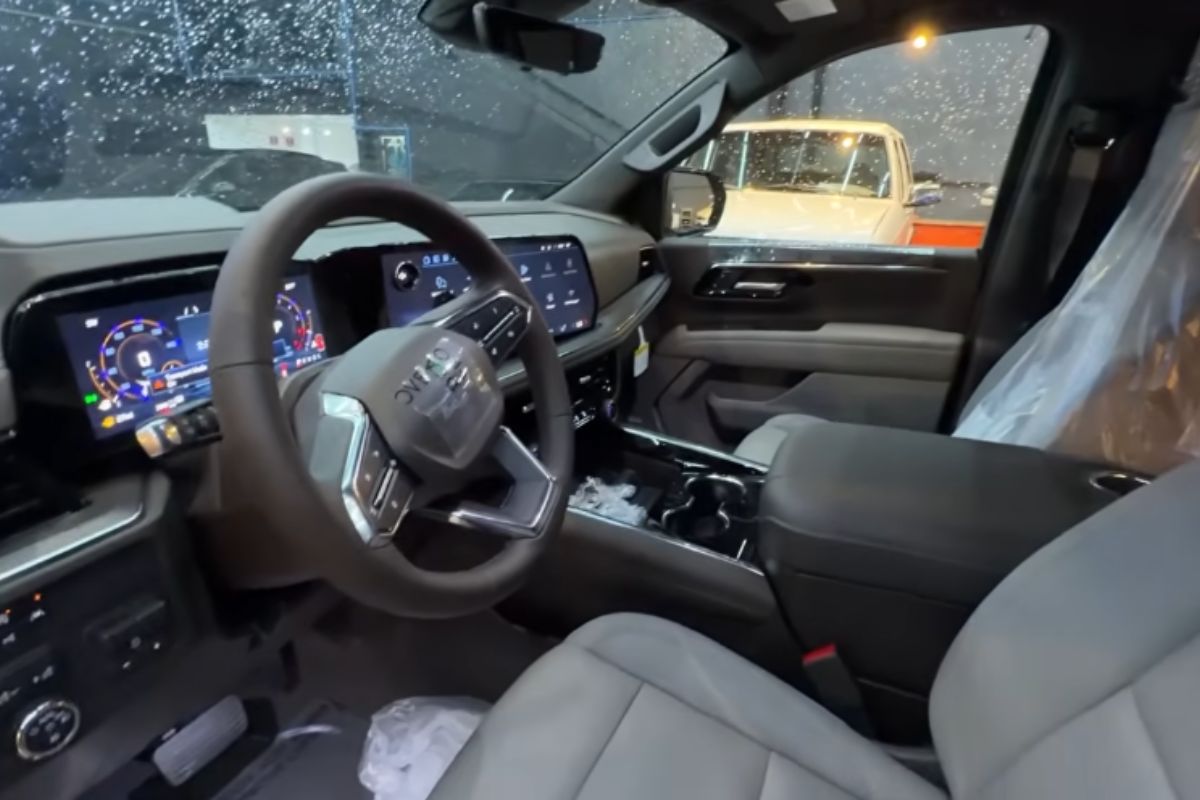
Chevrolet Suburban Z71 lands in Brazil with a V8 engine, off-road design, air suspension, seven seats, and colossal size, a rare version imported for around R$ 1.3 million with luxury and exclusivity.
-
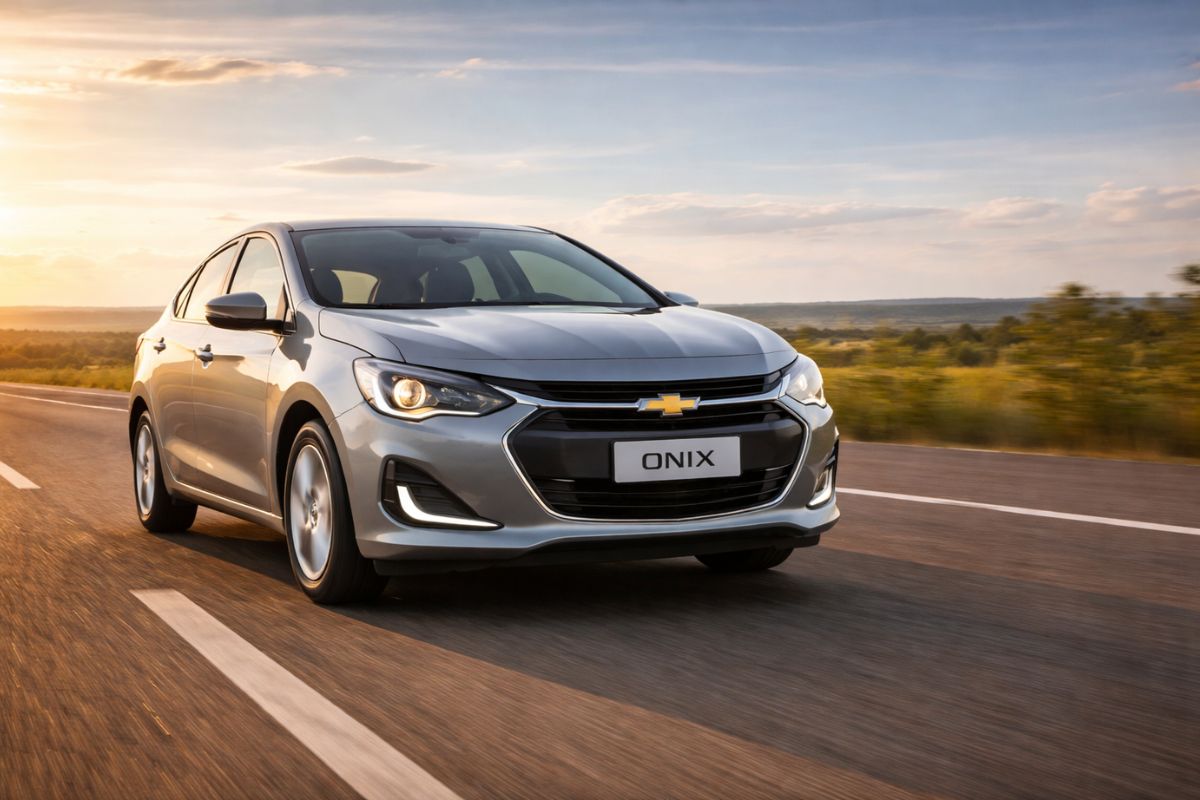
The Chevrolet Onix 1.0 turbo achieves 17.7 km per liter on the highway and ranks among the three most economical cars in Brazil in 2026, alongside two more expensive Toyota hybrids available at dealerships.
-
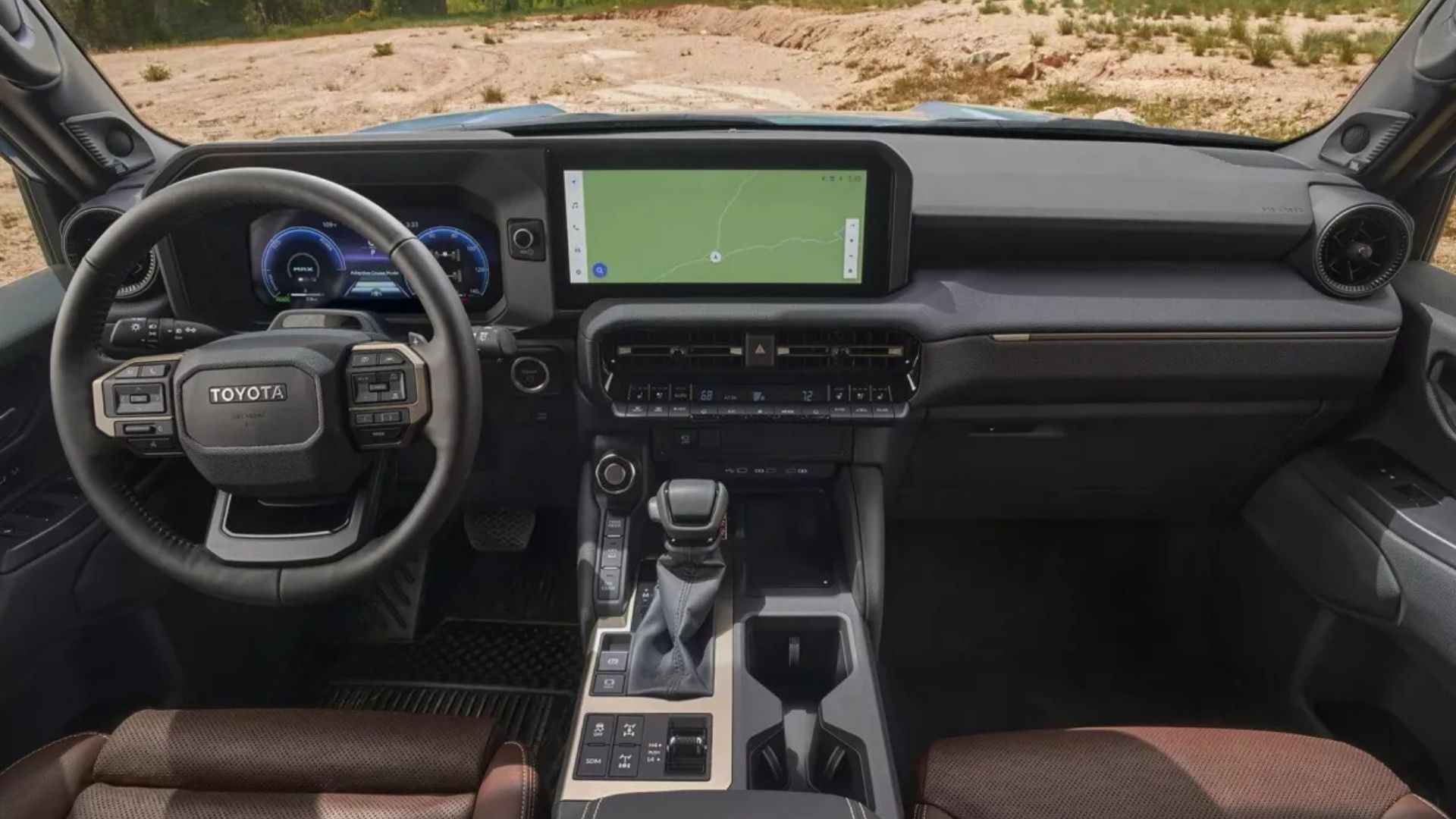
Little sister of the Hilux: Toyota launches Land Cruiser FJ with 4 radical versions, 2.7 engine with 166 hp and 4×4 traction with locking.

As can be seen in the table below, the Voyage – Gol’s sedan – now starts at R$ 79,590, while the compact pickup Saveiro starts at R$ 73,390 in the single-cab variant.
Check Below the New Prices of Gol, Voyage, and Saveiro
| Version | Current Price | Old Price | Increase |
| Gol 1.0 MPI | R$ 68,750 | R$ 67,790 | R$ 960 (1.42%) |
| Gol 1.6 MPI | R$ 76,290 | R$ 75,250 | R$ 1,040 (1.38%) |
| Gol 1.6 MPI AT | R$ 84,550 | R$ 83,390 | R$ 1,160 (1.39%) |
| Voyage 1.0 MPI | R$ 79,590 | R$ 78,490 | R$ 1,100 (1.40%) |
| Voyage 1.6 MPI | R$ 84,990 | R$ 83,800 | R$ 1,190 (1.42%) |
| Voyage 1.6 MPI AT | R$ 92,590 | R$ 91,290 | R$ 1,300 (1.42%) |
| Saveiro Robust CS 1.6 | R$ 74,390 | R$ 73,390 | R$ 1,000 (1.36%) |
| Saveiro Robust CD 1.6 | R$ 91,690 | R$ 90,390 | R$ 1,300 (1.43%) |
| Saveiro Trendline CS 1.6 | R$ 87,090 | R$ 85,890 | R$ 1,200 (1.39%) |
| Saveiro Cross CD 1.6 | R$ 113,250 | R$ 111,690 | R$ 1,560 (1.39%) |
After 40 Years in the Market, Vehicle Manufacturers Volkswagen and Fiat End the Cycle of the Two Best-Selling Cars in the Country and Say Goodbye to the Gol and the Uno; Fit, Civic, Siena, Doblò, Voyage, Saveiro, Joy, Sandero, and Logan Also Leave the Brazilian Market
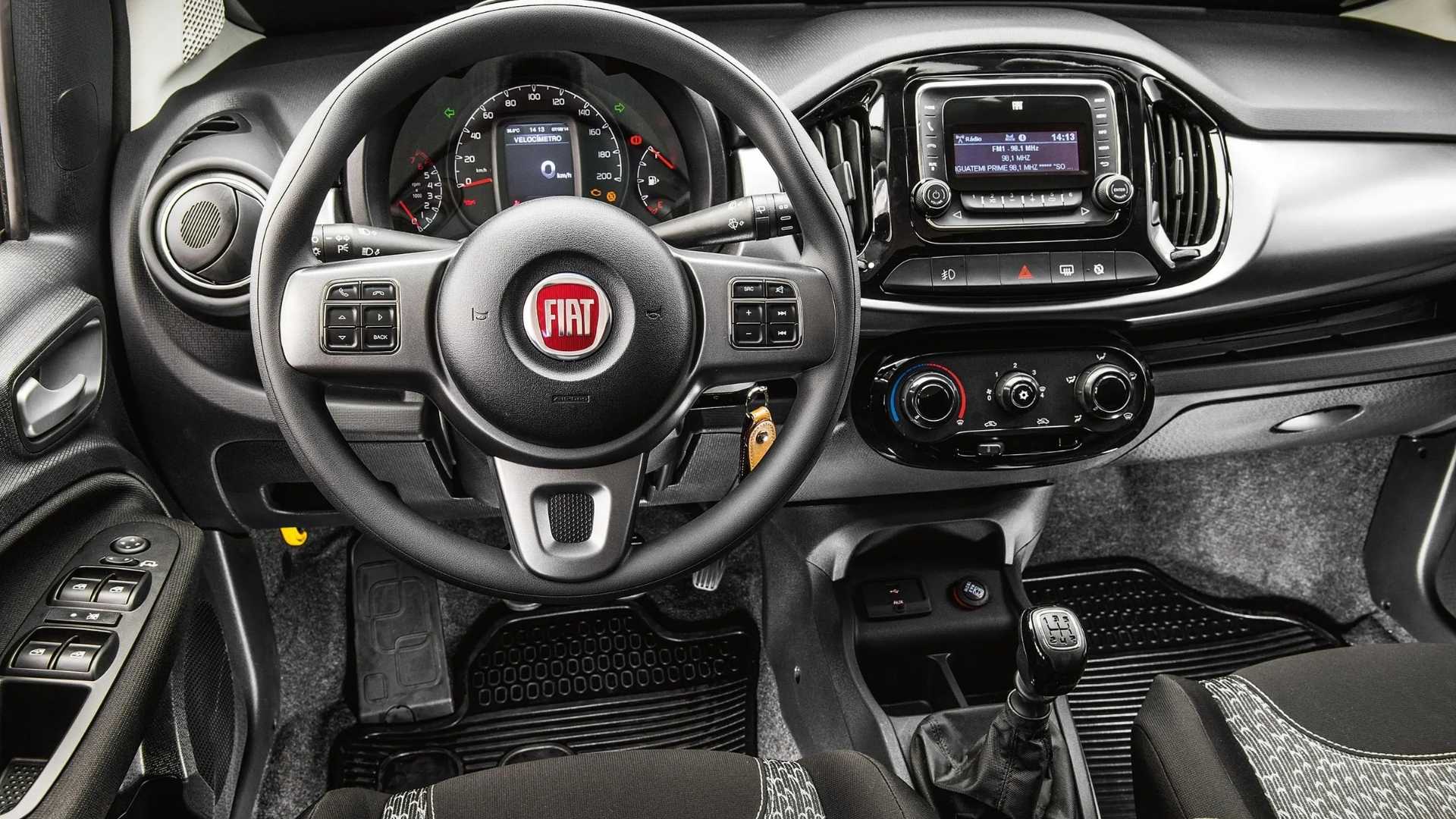
The Fiat Uno and the Volkswagen Gol are the last remnants of the so-called era of economy cars, which accounted for 70% of sales in Brazil. Technologically outdated, they are no longer as attractive. Another issue is that, even though they are cheaper, the prices are no longer appealing. Other cars that are being phased out include the Fit, Civic, Siena, Doblò, Voyage, Saveiro, Joy, Sandero, and Logan.
The Uno and Gol are classified as “economy cars,” which are the cheapest from each brand, but their prices are no longer competitive. Technologically inferior, they are unable to receive improvements in safety and energy efficiency.
Starting next year, regulations will establish lower pollutant emission standards for all new cars produced in the country. In 2024, all must come from the factory with electronic stability control (ESP). The system acts on the brakes and prevents the driver from losing directional control in curves or swerving, ensuring greater safety.
For similar reasons, in 2013, Volkswagen retired the Kombi after 56 years. The Gol, now 41 years old, is still the brand’s best seller (tied with the T-Cross), but it does not hold the same significance as it did during the 27 years it was a market leader from 1987 to 2014.
With 51,000 units sold this year – 67% to fleet operators – the Gol is expected to retire in 2022. The Uno is expected to leave the market this year. It sold 19,300 units – 97% to fleet operators. The challenge will be to reposition the image in front of consumers accustomed to looking for an economy car.









Seja o primeiro a reagir!