





 Portuguese
  English
  Spanish
  2 min of reading


Cargill Is Looking to Increase Biofuel Use in Fuel Testing and Plans to Order Methanol-Powered Vessels as Part of Its Plans to Reduce Emissions, a Senior Executive from the Global Commodity Trading Company Said Today.
Cargill, one of the largest ship charterers in the world, has been testing the operational performance of biofuels in its vessels since the beginning of this year as it ramps up green efforts.
What the Company Says About the Use of Biofuel
The company’s head of maritime fuels, Olivier Josse, said at a conference in Singapore that the test aims to increase the use of biofuel on vessels to 50,000 tons by mid-2023, up from 12,000 tons since January. “We will bring some fatty acid methyl ester (FAME) and make some blends in the fourth quarter in Singapore,” he said, referring to biofuel mixed with fossil diesel to make biodiesel.
Josse added at the SIBCON 2022 (Singapore International Supply Conference and Exhibition) event that the shift to incorporate FAME in Singapore aims to understand customer needs and interest in biofuels as fuel supply. Cargill is also testing the use of methanol as a transportation fuel, he said. “We are in the bidding process for methanol-biofuel ships that will be delivered in a few years.”
-
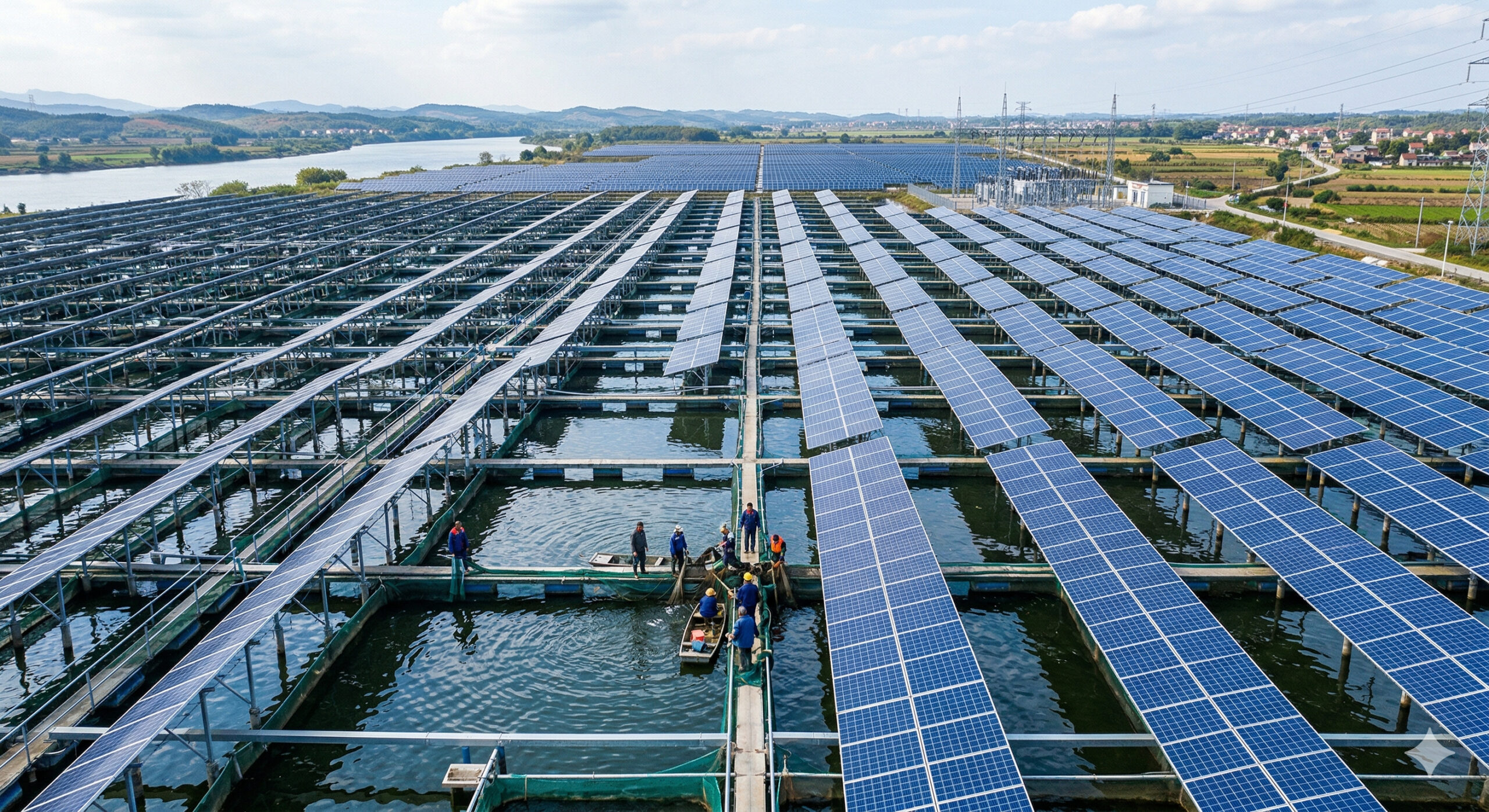
China bets on the Fishery-PV model and transforms fish farms into giant solar plants, covering ponds with panels that generate energy while utilizing the same space for large-scale aquaculture production.
-
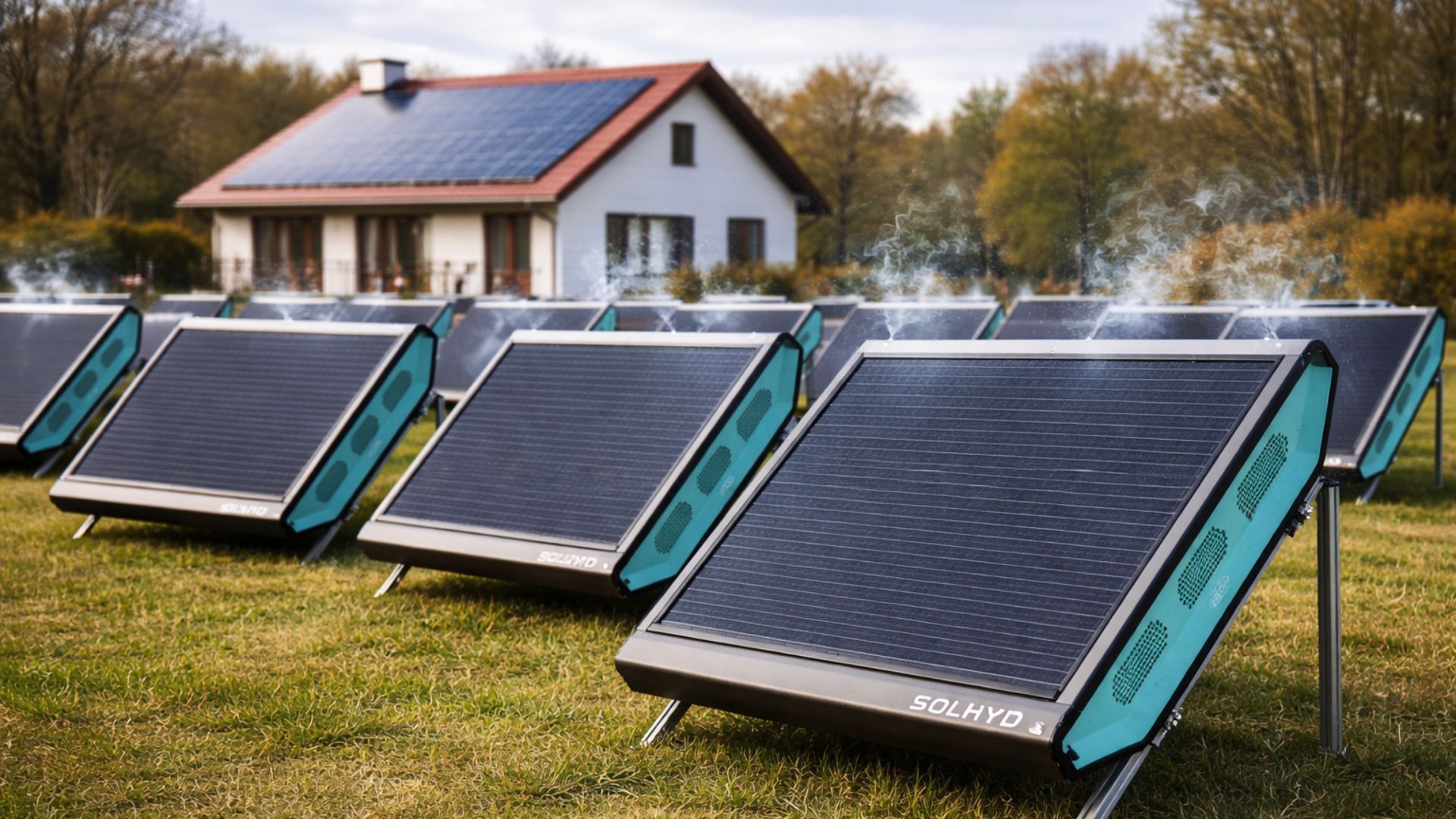
Green hydrogen at home: Belgium launches new technology that makes solar panels produce fuel from the moisture in the air, which could boost the energy transition.
-
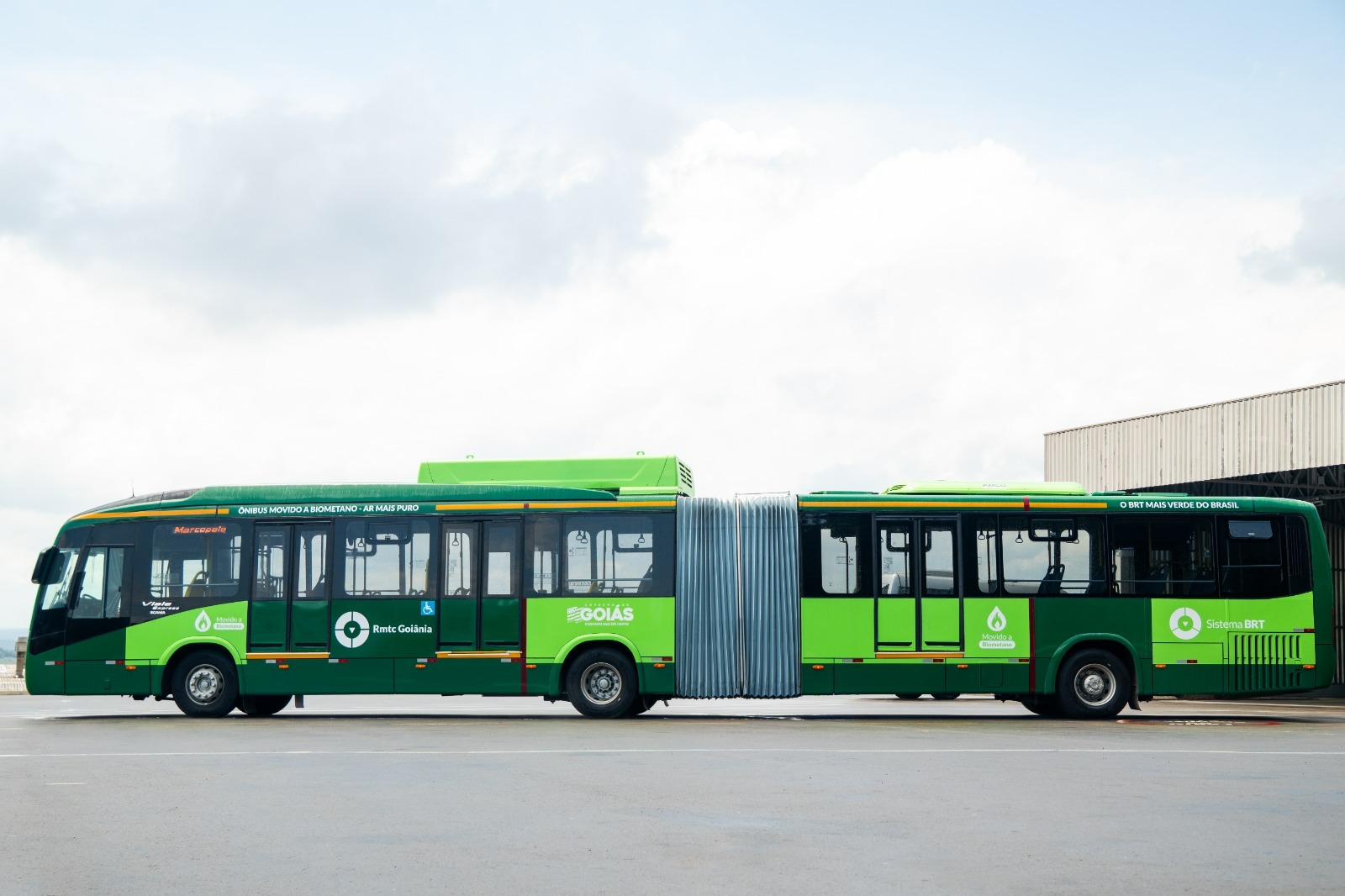
Revolution in public transport: Goiânia puts into circulation the first articulated buses powered by biomethane in Brazil and promises to drastically reduce pollution on the Anhanguera Corridor.
-
Sesc-BA bets on renewable energy with the support of EDP and drives the energy transition with a direct impact on cost reduction and the sustainability of its operations in Bahia.

Global shipping accounts for nearly 3% of worldwide CO2 emissions, as around 90% of global trade is transported by sea. By 2050, the IMO (International Maritime Organization) aims to halve greenhouse gas emissions from the sector compared to 2008 levels. Last year, Cargill reported it had cut nearly 1.5 million tons of gross carbon emissions from its fleet since 2017.
Get to Know Cargill
Cargill is a privately-held multinational based in Minnesota, USA, whose business is food production and processing. It is currently the second largest private company in the world, with operations on five continents and more than 160,000 employees in 67 countries. Currently, Cargill reports a fiscal revenue of R$ 120 billion for 2008 and a profit of US$ 3.64 billion. It employs over 160,000 people in 67 countries and accounts for 25% of all U.S. grain exports.
The company also supplies about 22% of its meat to the U.S. domestic market and is the largest meat exporter from Argentina and the largest poultry producer in Thailand. On July 1, 2015, JBS acquired Cargill’s pork division in the U.S. for US$ 1.45 billion, including two industrial processing plants in two states, five feed mills in three states, and four located in three other U.S. states. With this acquisition, JBS increases its product portfolio in the U.S. for cash payment.










Seja o primeiro a reagir!