





 Portuguese
  English
  Spanish
 3 min of reading


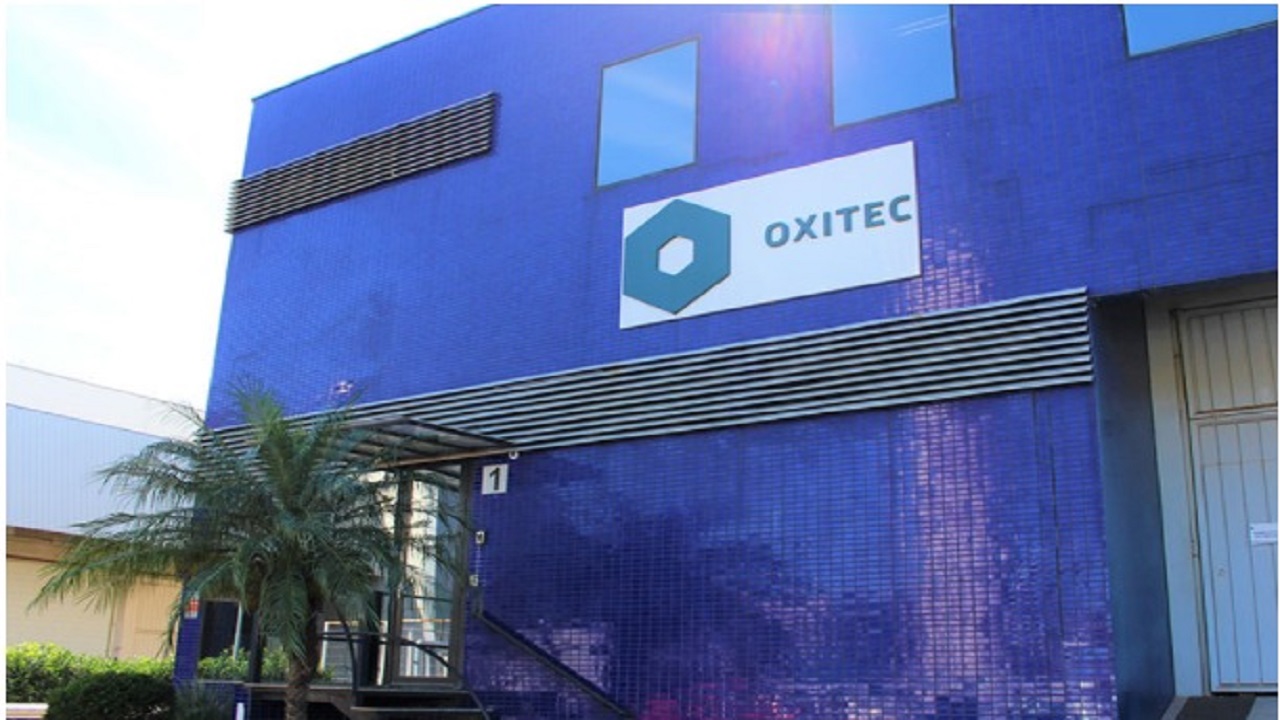
The Multinational Oxitec Is About to Inaugurate Its New Factory in Campinas – SP. The Unit Promises to Generate 200 Jobs and Contribute to the Company’s Activities in the Country and in South America
Oxitec, an English multinational founded at the University of Oxford, has just announced a multi-million investment in the construction of a new factory in Campinas (SP). The new unit, besides generating several jobs, will cover 5,3 thousand m² and will have the mission of supporting the activities of the multinational Oxitec in the country and its expansion into South America. In total, the company promises to create 200 new jobs for specialists in R&D, biomanufacturing, engineering, customer service, and software engineering.
Read Other Related News
Learn More About Oxitec’s Work in Brazil


Designed to Accommodate the Growing R&D and Commercial Operations of Oxitec in the Country, the New Hybrid Factory, Named Crisálida, Will Bring Together R&D and Product Development Teams, Quality Control, Manufacturing, Shipping, Inventory, Customer Service, and Creative and Digital Services.
All under the same roof, fostering limitless interactions between those who design, assist, manufacture, and deliver Oxitec products to customers. In addition to generating several jobs, the building will also have the capacity to expand the production of Aedes do Bem and will host a biofactory for scaling up the production of the multinational’s upcoming agricultural solutions set to enter the market in the future.
-
New CCR concrete paving technology promises roads up to 3x more durable, less maintenance, and cost reduction in Brazil.

-
Made from recycled plastic, plastic wood is gaining space in the construction industry because it does not rot, resists moisture, and reduces maintenance costs over the years.

-
Florianópolis will receive a million-dollar BRT that will begin construction in 2026 with nearly 400 million in funding from the federal government and the Inter-American Development Bank, and the map already shows the routes for the exclusive bus corridors.

-
Without a blueprint, without an engineer, and using scrap from the dump, a father spends 15 years building an 18-room castle for his daughter, featuring tram tracks, 13 fireplaces, and over 700 m², which may now be demolished.


The factory building was designed from scratch to eliminate common gaps between product innovation, customer experience, and manufacturing. By bringing together professionals from a wide range of disciplines in an integrated complex, the company’s teams will be able to collaborate in a continuous innovation cycle, fostered by constant feedback and open communication between disciplines, always centered on a strong connection with their customers.
Oxitec and Its Innovative Technologies
According to Oxitec’s CEO, Grey Frandsen, the factory in the state of SP is yet another excellent example of how the company is leading the rapid global transition from chemical pesticides to sustainable solutions and biological pest control safety to contribute to the planet.
The multinational’s technology is innovative, just like the approach that the company adopts to fulfill this bold mission. The new factory, which will create new jobs, is the first of the new hybrid facility projects that enable the company to promote a collaborative and vibrant environment among its various divisions, allowing for a much faster cycle of product development from laboratory to commercialization through continuous technologies and innovations based on real-time feedback and a direct connection between all divisions and those the company aims to serve.
Aedes do Bem
Residents of Campinas Received a New Biological Control Method for the Aedes Aegypti Mosquito, Which Transmits Diseases Such as Dengue, Chikungunya, and Zika. The Method, Developed by Oxitec, Involves Using Beneficial Mosquitoes to Mate with Females That Bite and Transmit the Disease, Aiming to Reduce Reproduction.
According to the company, the Brazilian population is the first in the world to have access to this form of combat without the use of chemical products, providing safety for other species, such as butterflies and bees.










Seja o primeiro a reagir!