





 Português
  Inglês
  Espanhol
  3 min de leitura


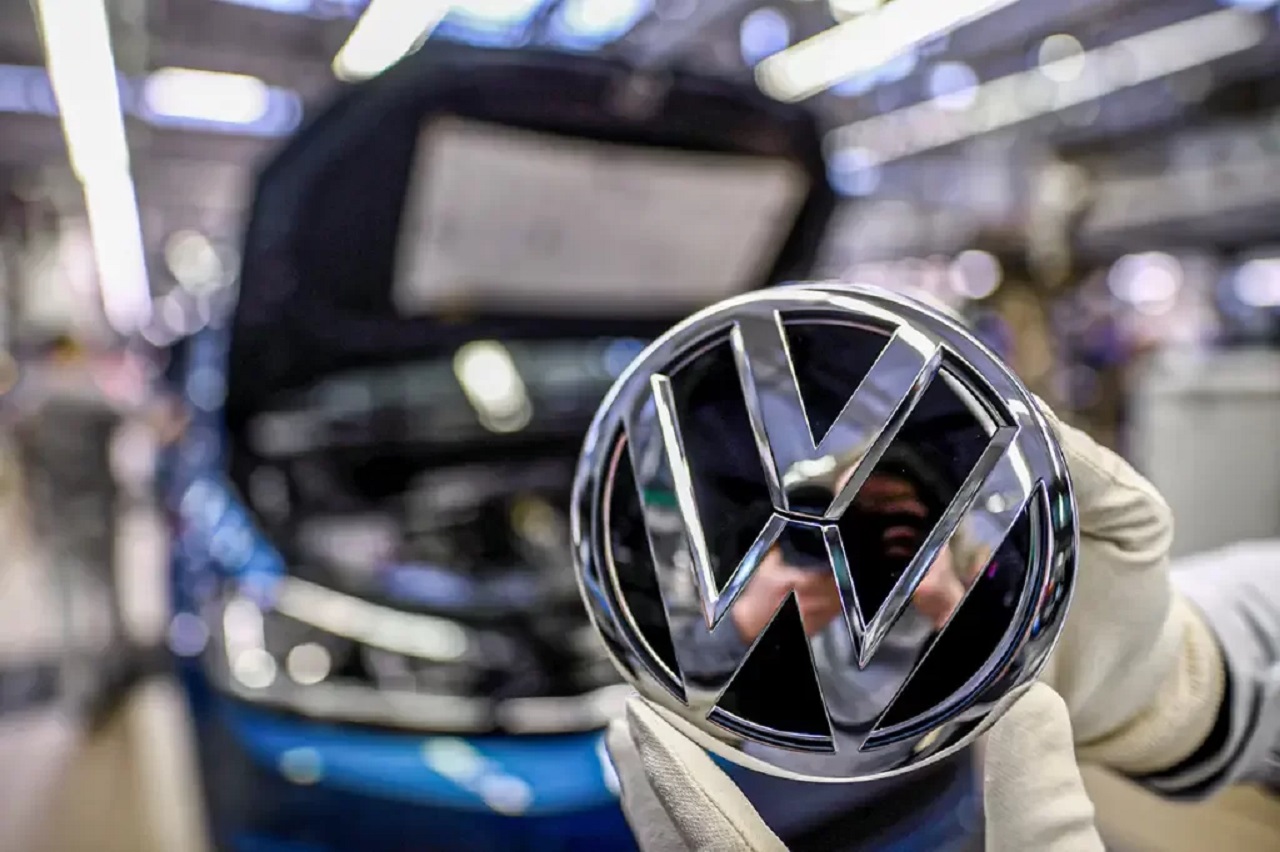
The Multinational Volkswagen Plans to Develop and Sell Popular Electric Cars with Prices that May Reach R$ 100 Thousand. The Company is Also Working on a Compact Vehicle Inspired by the ID.3 Hatch.
Volkswagen, the German automaker, stated that it is developing a new SUV based on its ID.3 hatch, as well as a low-cost model that will be its entry-level electric car. The statement came from Thomas Schafer, CEO of the multinational, in an interview with the publication Autocar. According to the executive, the compact battery-powered SUV sector is one of the most promising.
The Popular Electric Car from the Multinational Promises to be Technological and Different from the ID.3
The new electric car model is expected to be launched before 2026; however, the CEO stated that it will be very different from the ID.3, especially in terms of pricing. The company is actively working to create an additional compact SUV based on the ID.3 to also launch a Volkswagen product in this rapidly expanding vehicle sector.
Currently, the ID.4 is the smallest electric vehicle from the multinational in the SUV segment, measuring 4.58 meters in length and sharing the same MEB platform as the ID.3 hatch, which measures 4.26 meters.
-
OMODA & JAECOO grows in Europe in 2026 with an integrated strategy of sales, innovation, local production, and technological advancement in the United Kingdom, Italy, and Spain.
-
OMODA & JAECOO expands after-sales service in Brazil with competitive maintenance, a 7-year warranty, and high availability of parts for technological SUVs.
-
OMODA & JAECOO appoints Alessandra Souza as executive marketing director in Brazil and accelerates brand expansion with a focus on innovation, networking, and hybrid portfolio.

-
Jaecoo 7 with super hybrid SHS system exceeds 1,200 km of combined range with a 1.5 turbo engine, high-density battery, and intelligent energy management.

Thus, Volkswagen has room to develop a new model, which could emerge as a compact crossover. When launched, it could compete in sales, for example, with the new Bolt EV.
Multinational Volkswagen Announces New Division to Focus on Low-Cost Electric Cars
In addition to the new SUV, Volkswagen also plans to launch two other entry-level models in the electric segment. According to information released by the Autocar portal, the cheapest electric car is expected to hit the market costing around 20,000 euros, which is R$ 106 thousand in direct conversion at the current exchange rate. According to the multinational’s executive, Ford is also developing a small car and a sporty variant of the Crossover.
In comparison, they will be quite similar to the VW Polo and the T-Cross SUV with combustion engines. The three models comprise the automaker’s new strategy to launch 10 new popular electric cars by 2026, which will include the renewal of current vehicles sold. Thus, Thomas stated that Volkswagen will have the widest electric portfolio in the automotive sector.
According to the CEO, from the basic electric car, with a target price of less than 25,000 euros to the VW ID. Buzz and the new flagship Volkswagen ID. Aero, the company will have the right lineup for each segment.
Volkswagen Focuses on Sustainability and Energy Transition
Volkswagen has reached an agreement with Bradesco for a bank loan linked to commitments to environmental, social, and corporate governance (ESG) practices, which involves reducing fossil CO2 emissions in its industrial operations.
Raízen announced the installation of a new biogas plant in Piracicaba (SP). From this unit, biometane will be produced that the multinational has committed to purchasing to start replacing fossil gas in two units in the state of São Paulo. Pablo Di Si, the multinational’s president in Latin America, reminds us that especially the vehicle painting area operates with natural gas.
According to the company, the same pipeline currently used by Comgás to transport gas to these facilities will be used for biometane transport, which will be generated from agricultural waste in an industrial park where the company has an ethanol plant.
In the case of the biometane purchased by Volkswagen, the first automaker to announce the use of this fuel, the extraction will be through vinasse, a residue obtained after the distillation of cane juice, and also from the so-called filter cake, an organic compound that results from the filtration of the juice.









Seja o primeiro a reagir!