






 Portuguese
  Spanish
  2 min of reading


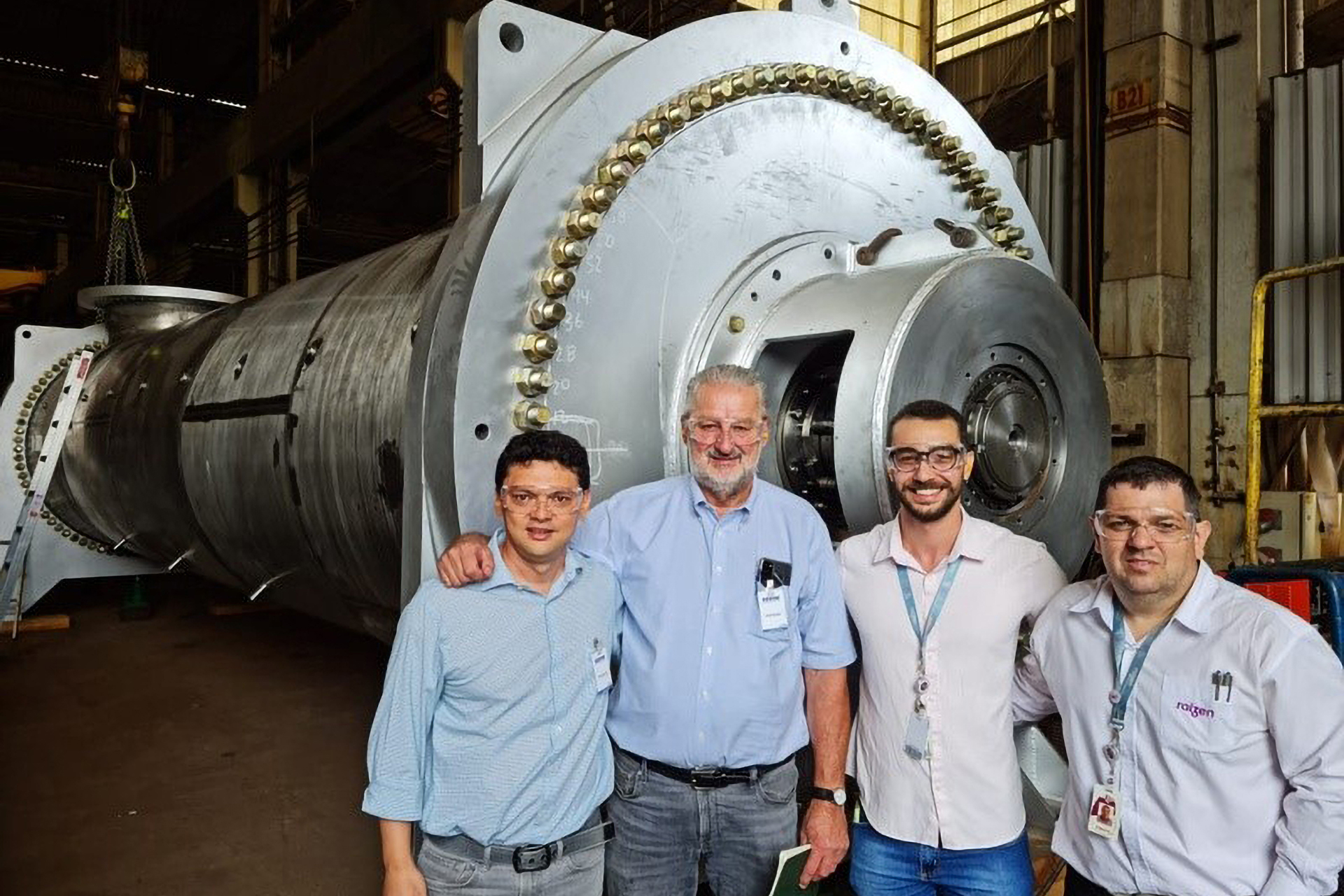
Simplifying Your Growth Strategy, Mainly Emphasizing Renewable Energy Sources and Clean Solutions, Raízen Will Invest R$ 1 Billion in Its Third Second-Generation Ethanol Plant
Raízen inaugurated last Tuesday (11) the key piece of its third second-generation ethanol (E2G) unit, which is part of the company’s ongoing effort to consolidate its development strategy focused on energy solutions and sustainable goods.
The unit, which will be linked to the Univalem Bioenergy Park in Valparaíso (SP), will have an annual production capacity of 82,000 m3 of E2G and is expected to operate in 2024. The project will require an investment of about R$ 1 billion.
The sugarcane bagasse, a byproduct obtained during the processing of sugarcane for first-generation ethanol (1G) production, is used as input in the E2G production, this is done through an exclusive method from Raízen. As an advanced biofuel, E2G has the capacity to increase Raízen’s ethanol production capacity by about 50%, without the need to increase the amount of land for sugarcane cultivation.
-
Brazilian scientists are simultaneously advancing two research projects on clean hydrogen and driving solutions that could transform the energy matrix, enhance industrial competitiveness, and accelerate large-scale emission reduction targets.

-
Advancement in renewable energy: A R$ 150 million project launched by Petrobras and Finep aims to create state-of-the-art electrolyzers for green hydrogen, strengthening national research and preparing Brazil to compete in a billion-dollar energy market.
-
Illiterate or semi-literate grandmothers were trained to repair solar systems, open rural workshops, and light up homes that still depended on kerosene.
-
US$ 7 billion, green hydrogen, and steel with up to 95% less CO₂: the first green steel plant on the planet emerges in Sweden and targets Brazil as the next chapter




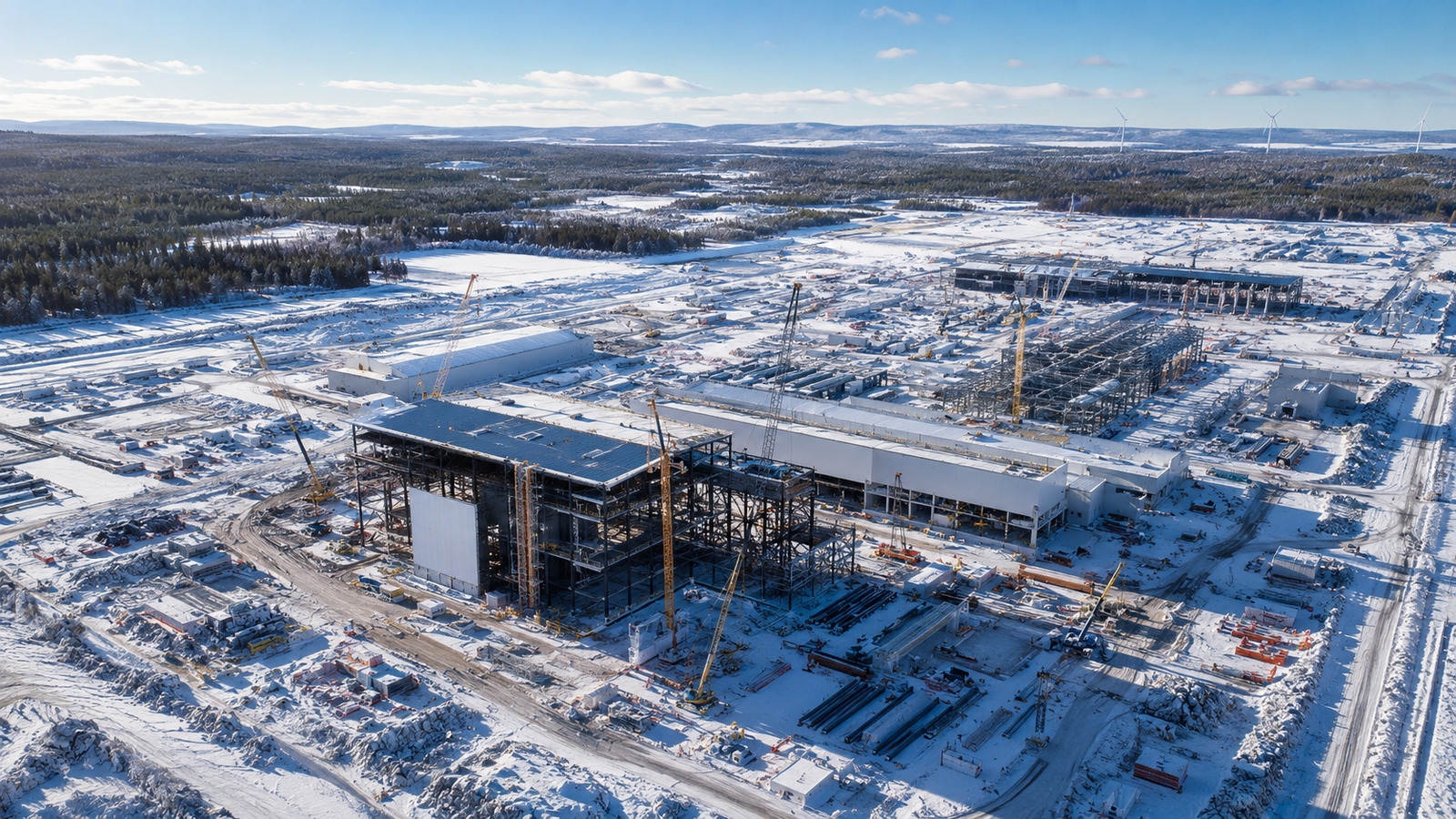
Construction of Raízen’s Second-Generation Ethanol Plant at Univalem Bioenergy Park Is Expected to Generate Over 1 Thousand Direct and Indirect Jobs
Throughout the development of the unit, a total of 168 direct jobs will be generated, in addition to around one thousand indirect jobs. During the construction period of the project, the new factory will not only result in direct investments but also in the generation of new jobs, an increase in the municipality’s tax revenue, and financial stimulus to the regional trade.
The second-generation ethanol results in a molecule with much lower CO2 emissions than traditional ethanol. Carbon dioxide (CO2) is one of the main pollutants causing the greenhouse effect, responsible for global warming. E2G is an essential product for the transition to a sustainable energy system, as it can serve various purposes beyond those associated with transportation.
E2G can provide solutions for industrial applications – for example, as a raw material for the production of environmentally friendly plastic – and cleaner versions of fuels. The aviation and marine industries are intensifying their efforts to combat climate change and are successfully working together to reduce greenhouse gas emissions by up to 86% in the coming years.








Be the first to react!