





 Portuguese
  English
  Spanish
  5 min of reading
  0 comments


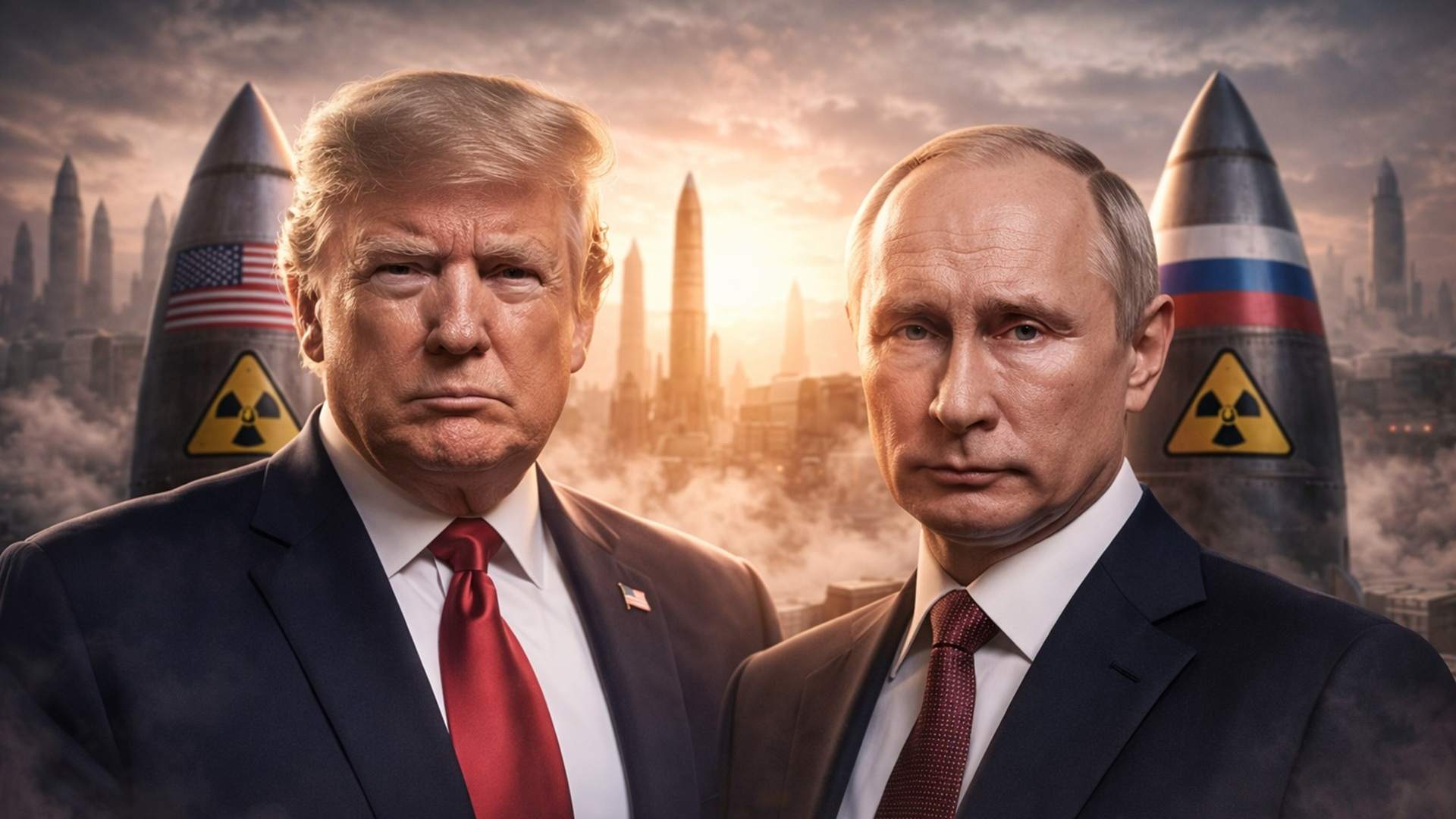
With The Imminent Expiration Of The Last Nuclear Treaty That Imposed Formal Limits On The Strategic Nuclear Arsenals Of The United States And Russia, Experts Warn Of Increased Global Risks, Loss Of Transparency, Absence Of Control Mechanisms And The Concrete Possibility Of A New Arms Race Among The Largest Nuclear Powers
The Last Nuclear Treaty In Effect Between The United States And Russia, The New Strategic Arms Reduction Treaty, Signed In 2010, Expires On February 6, Ending Nearly Five Decades Of Formal Limits And Increasing Global Fears Of A New Nuclear Arms Race.
Expiration Of New START And The End Of Formal Restrictions
The New START Is The Eighth Agreement Reached Between The United States And Russia Since 1963, When A Treaty Prohibited Nuclear Testing In The Atmosphere, Outer Space, And Underwater. It Is The Third Version Of The START Pact And Limits Each Country To 1,550 Deployed Strategic Nuclear Warheads.
With The Expiration Of The Agreement, It Will Be The First Time In Nearly 50 Years That The Two Largest Nuclear Powers In The World Operate Without Formal Restrictions On Their Strategic Arsenals. Together, The United States And Russia Hold Approximately 87% Of The Existing Nuclear Warheads On The Planet.
-
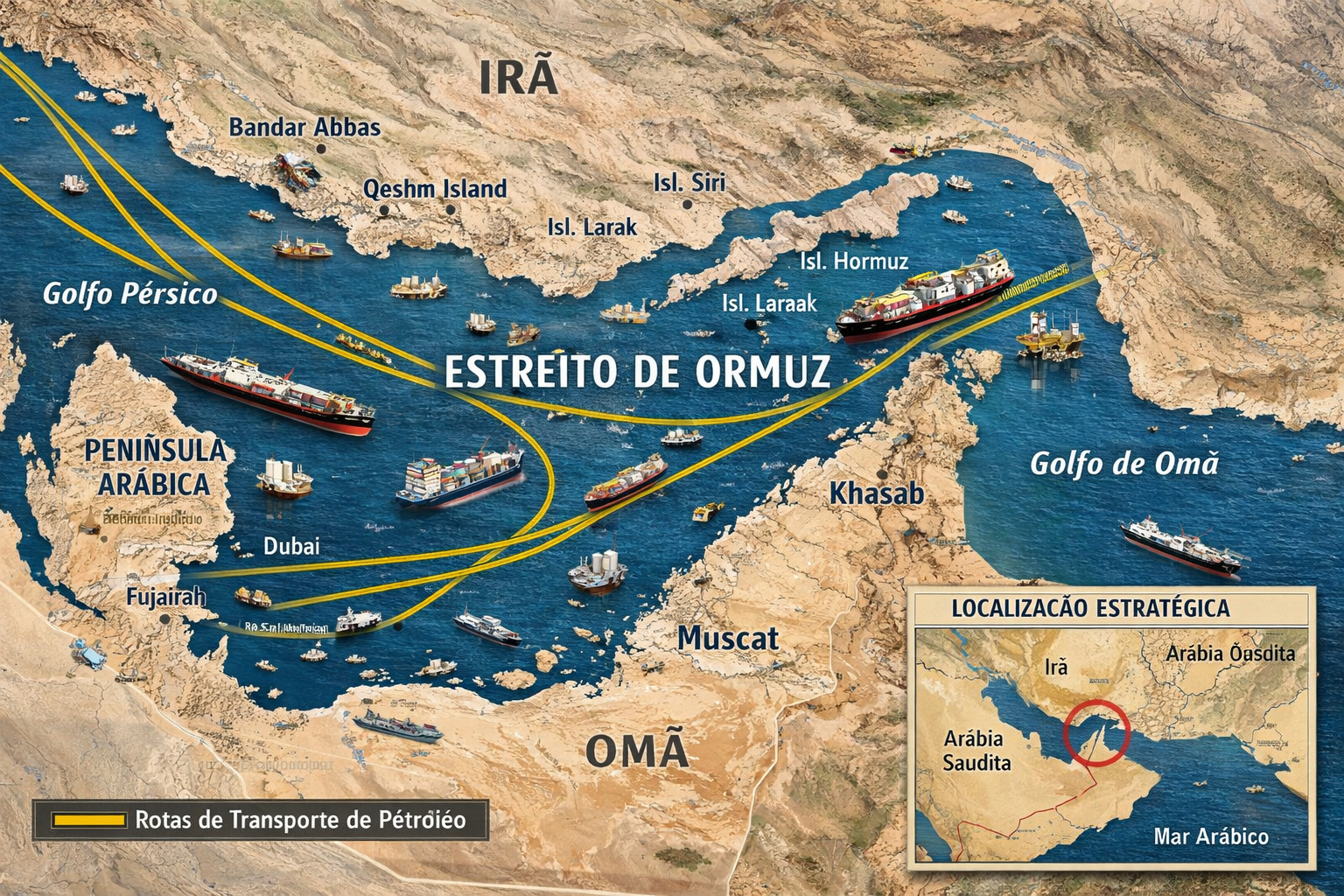
Global summit with over 40 countries pressures Iran for a blockade in the Strait of Hormuz and warns of direct impact on oil, food, and the global economy.
-
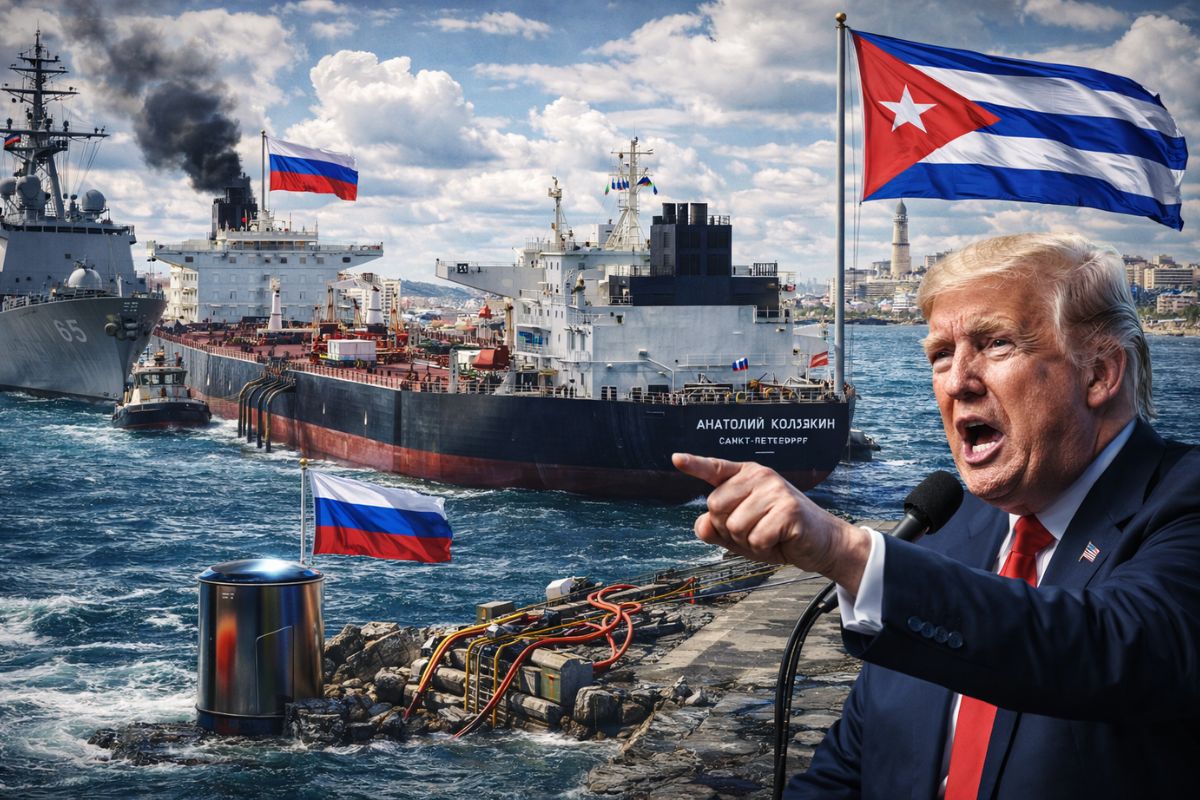
Russia has broken the U.S. maritime blockade to send oil to Cuba and is now loading a second ship while Trump says that “Cuba is next” in a possible military action against the island.
-
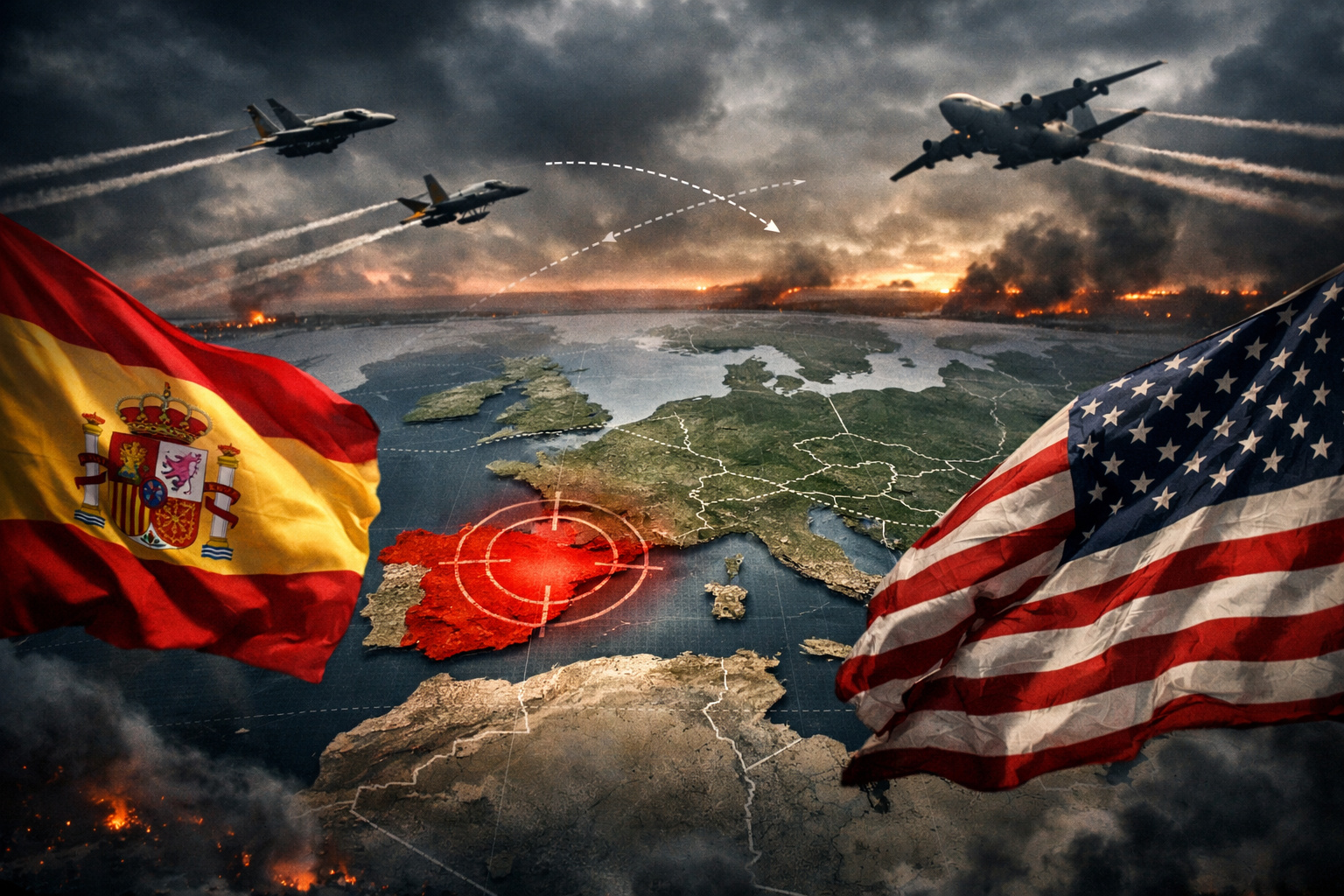
Spain challenges the USA and closes its airspace for operations against Iran, raising global tension and provoking the threat of a trade rupture.
-
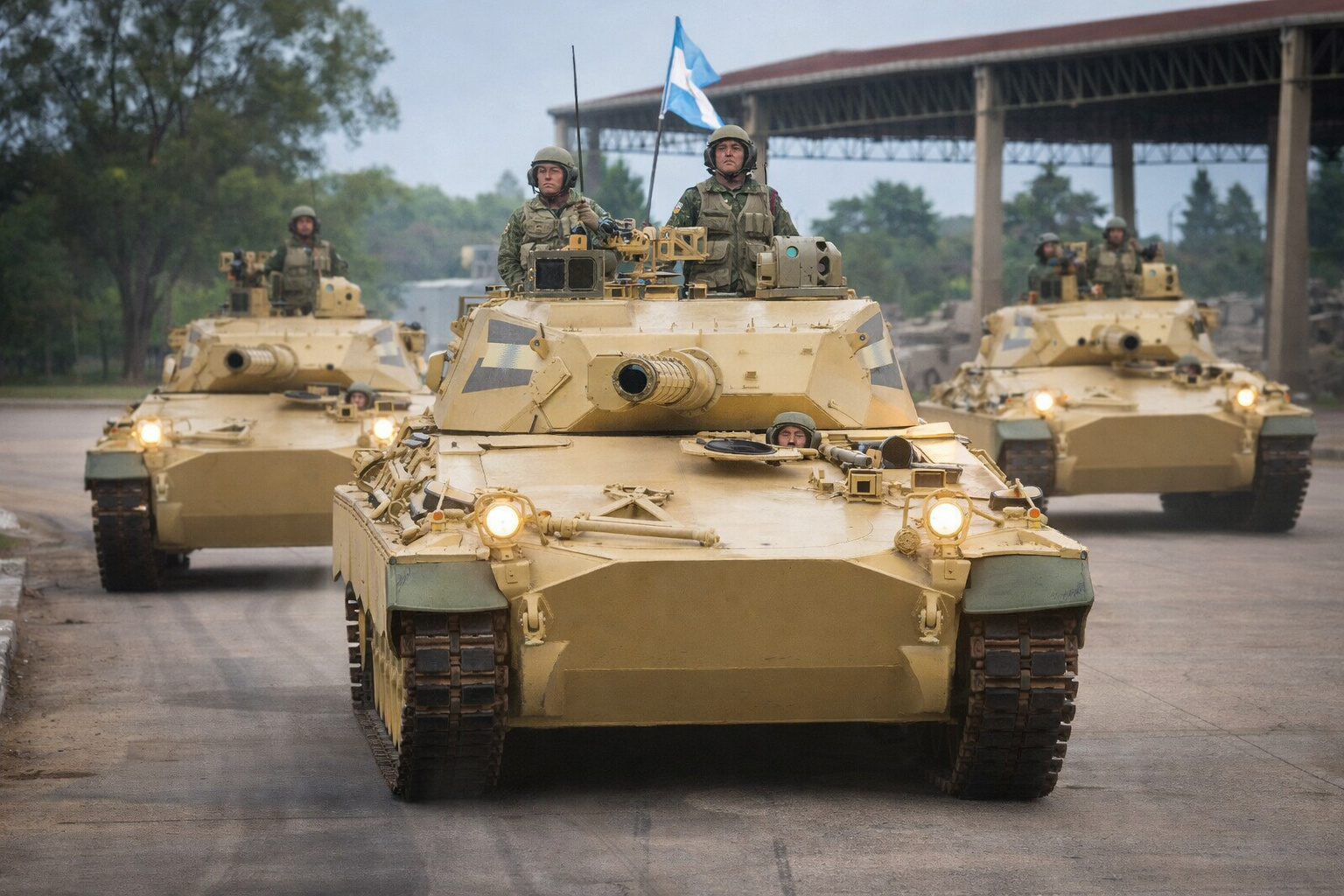
While no other country manufactures tanks in Latin America, Argentina activates the TAM 2C-A2 and raises a curiosity about the technological lag in the region.

Arms Control Experts Warn That The Expiration Of The Treaty Could Lead Both Countries To Deploy Warheads Above Previous Limits, Accelerating The Erosion Of The Global Nuclear Control Framework Built Over Decades.
Stephen Herzog, From The Middlebury Institute Of International Studies In California, Stated That The End Of The Agreement Raises Global Risk By Reducing Transparency And Allowing Unchecked Competition Among Leaders Willing To Rely On Nuclear Weapons.
“In A Situation Where Russia Is Becoming Increasingly Unpredictable, And In A Situation Where The U.S. Administration, Unfortunately, Is Becoming Increasingly Unpredictable, Not Having Vital Support Is Crucial,” Herzog Told New Scientist Magazine.
Renewal Blocked And Divergent Positions In Washington And Moscow
The Text Of The New START Does Not Allow For Automatic Renewal. In 2021, Russian President Vladimir Putin And Then-U.S. President Joe Biden Agreed To Extend The Treaty For Five Years, A Deadline That Is Now Expiring.
President Donald Trump Indicated That He Would Let The Agreement Expire Without Accepting A Proposal From Moscow To Voluntarily Extend The Deployment Limits Of The World’s Most Powerful Nuclear Weapons. In An Interview With The New York Times, Trump Stated That He Sees No Problem In The End Of The Pact.
“If It Expires, It Expires,” Trump Declared To The Newspaper, Adding That He Prefers To Negotiate A Different Agreement. According To Him, A New Treaty Should Be “Better” And Include Other Countries Besides The United States And Russia.
Trump Also Stated That China, Which Has The Fastest Growing Strategic Nuclear Force In The World, Should Be Included In Any Treaty That Replaces The New START, Although He Did Not Detail How This Would Happen.
In September, Putin Suggested Extending The Treaty Limits By Another 12 Months. He Also Proposed Including The Nuclear Arsenals Of Great Britain And France In Future Negotiations, A Proposal Both Countries Formally Rejected.
History Of START Treaties And Progressive Collapse
The First START Treaty Was Signed In 1991 And Reduced The Number Of Deployed Strategic Nuclear Warheads By Both Countries. In 1993, START II Sought Deeper Cuts And Prohibited The Use Of Multiple Warheads, Known As MIRVs, On Intercontinental Ballistic Missiles.
START II Also Provided For The Elimination Of Russian SS-18 Missiles, But Never Fully Entered Into Force. The Implementation Was Compromised By Russian Delays Related To The United States’ Withdrawal From The Anti-Ballistic Missile Treaty, The ABM.
In 2002, Russia Formally Abrogated START II, Which Was Eventually Replaced By Subsequent Agreements, Culminating In The New START. Among All These Pacts, The New START Was The Only One That Effectively Held Washington And Moscow Accountable For The Concrete Reduction Of Their Arsenals.
With The Absence Of Formal Negotiations On A Successor, The Expiration Of The Treaty Represents A Milestone In The Gradual Dismantling Of The Nuclear Control System Between The Two Powers, In A Geopolitical Context Marked By The War In Ukraine.
Current Dimension Of Arsenals And Global Risks
Russia Currently Has The Largest Number Of Confirmed Nuclear Weapons In The World, With Over 5,500 Warheads. A Nuclear Weapon Launched From Russia By An Intercontinental Ballistic Missile Would Take About 30 Minutes To Hit The U.S. Mainland.
The United States Follows Closely Behind, With 5,044 Nuclear Weapons. Part Of This Arsenal Is Stored In American Territory And In Five Other Nations: Turkey, Italy, Belgium, Germany, And The Netherlands.
The Total Number Of Nuclear Warheads Held By The United States And Russia Represents Almost 90% Of The Entire Global Nuclear Arsenal, According To Estimates Cited In The Base Material. The Numbers For North Korea And Israel Are Not Officially Confirmed.
It Is Estimated That North Korea Has Enough Fissile Material To Develop Between 40 And 50 Nuclear Weapons. Israel, In Turn, Would Have Material For Up To 200 Warheads, With About 90 Already Existing.
Some International Agreements On Nuclear Weapons Remain In Effect, Although With Limited Impact. The Treaty On The Prohibition Of Nuclear Weapons Seeks The Total Elimination Of These Armaments But Does Not Have The Adherence Of Any Nuclear Country.
The Treaty On The Non-Proliferation Of Nuclear Weapons, The NPT, Has The Signature Of Several Nuclear Powers But Exerts Restricted Influence Over The Total Number Of Existing Warheads. In This Scenario, The New START Has Remained The Main Effective Control Mechanism.
With Moscow And Washington Focused On The Conflict In Ukraine And No Formal Negotiations Underway, The Expiration Of The Treaty Deepens Uncertainties And Reinforces Warnings About The Risk Of A New Global Nuclear Arms Race.









-

-

-

8 pessoas reagiram a isso.