





 Portuguese
  English
  Spanish
  3 min of reading
  0 comments


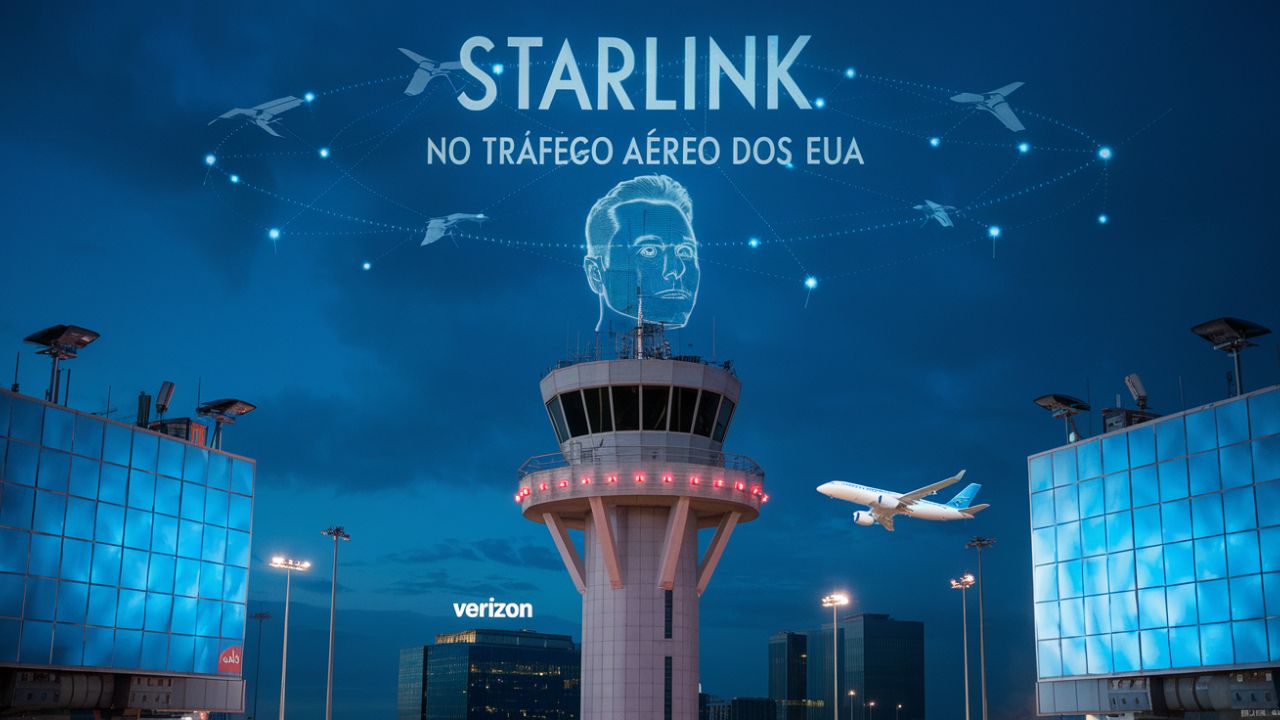
Musk’s SpaceX Advances on Verizon’s Billion-Dollar Contract and Installs 4,000 Starlink Terminals in FAA Infrastructure, Raising Questions About Safety, Competition, and Political Influence in the U.S.
Elon Musk’s SpaceX is testing Starlink satellite internet terminals in the U.S. air traffic system. The goal? To accelerate the modernization of the Federal Aviation Administration’s (FAA) technological infrastructure. However, this initiative raises questions about a potential conflict of interest and the future of a billion-dollar contract with Verizon.
Musk recently authorized the deployment of 4,000 Starlink terminals for the FAA, with the first already installed at the FAA’s air traffic control technology laboratory in Atlantic City, New Jersey. Two more terminals are being tested in remote locations in Alaska. The idea is to ensure more reliable telecommunications connections and provide accurate weather information for pilots and air traffic controllers.
The initiative has been named TDM X and aims to be fully operational within 12 to 18 months. But, despite the optimism, the lingering question is: how does this move affect competition and existing contracts?
-
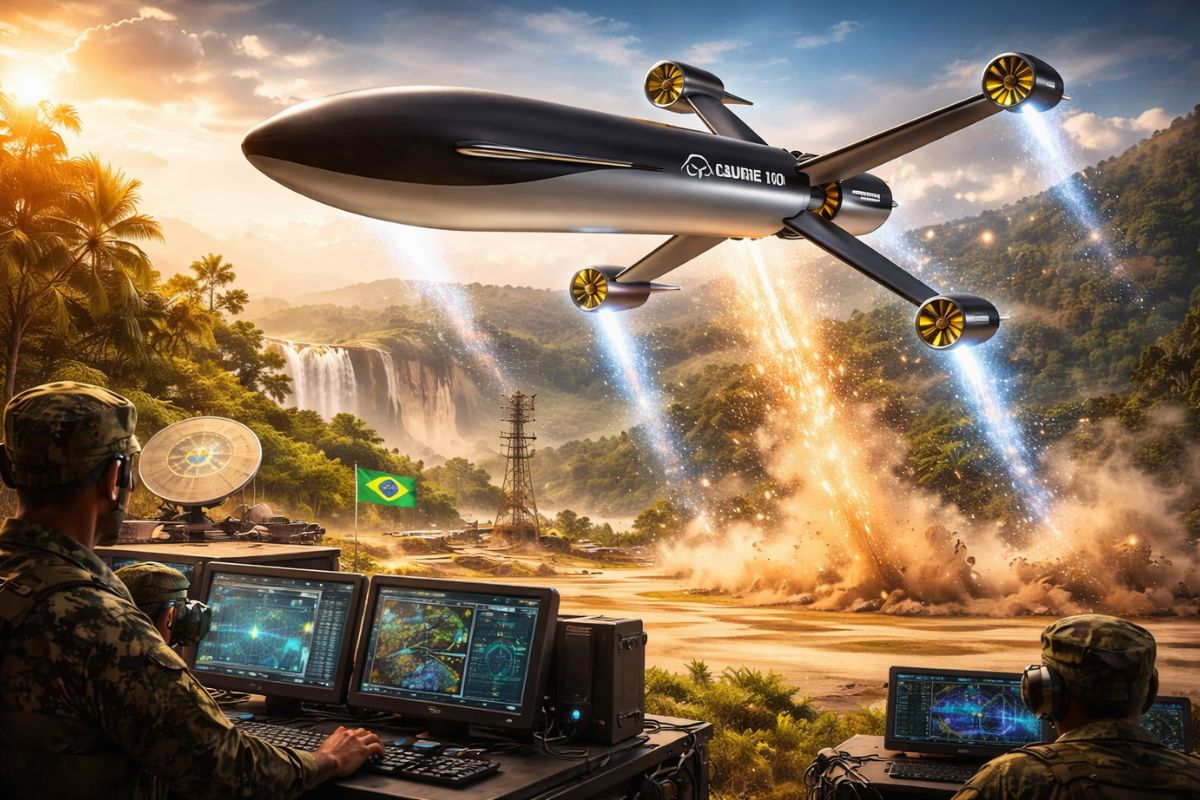
Brazil has quietly developed an electric tactical drone that takes off and lands vertically without needing a runway, flies at 140 km/h in a fully autonomous manner, and can operate in forests, conflict zones, and remote areas.
-
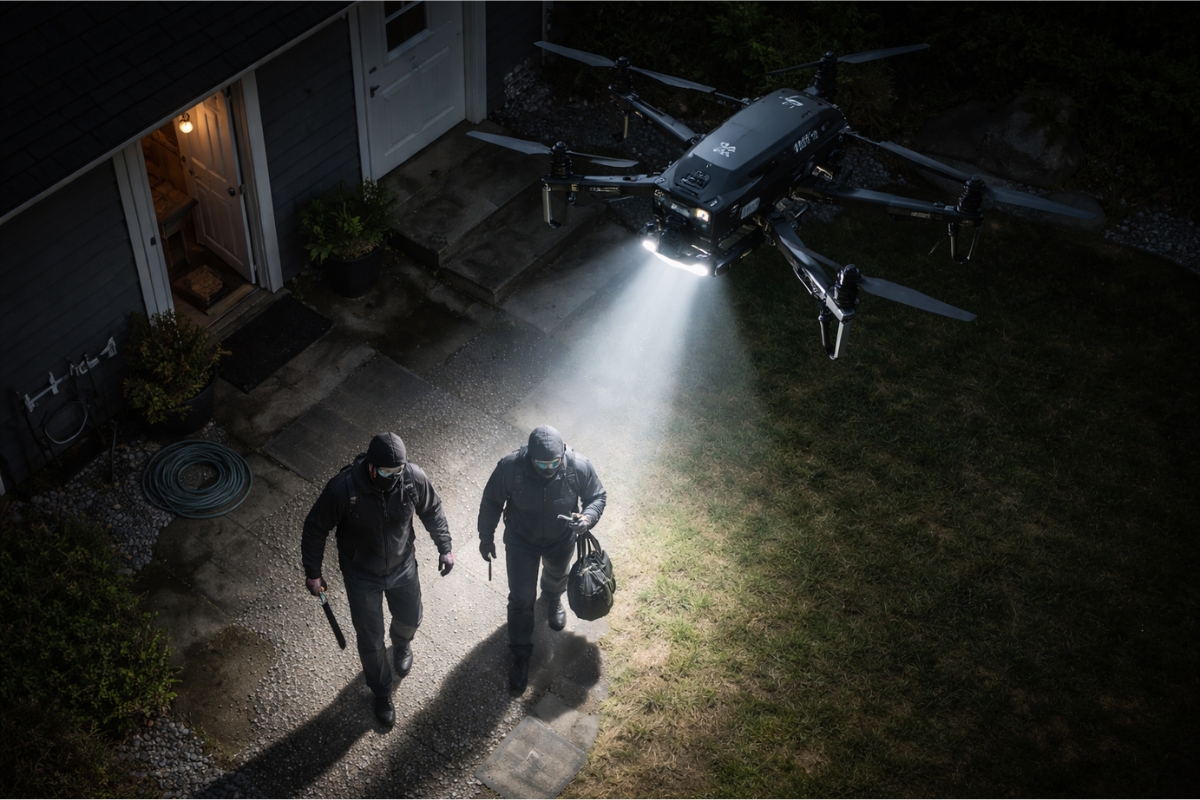
Novo drone Guardian debuts in the United States with an 8-mile range, robotic battery swapping, and Starlink connectivity for continuous response.
-
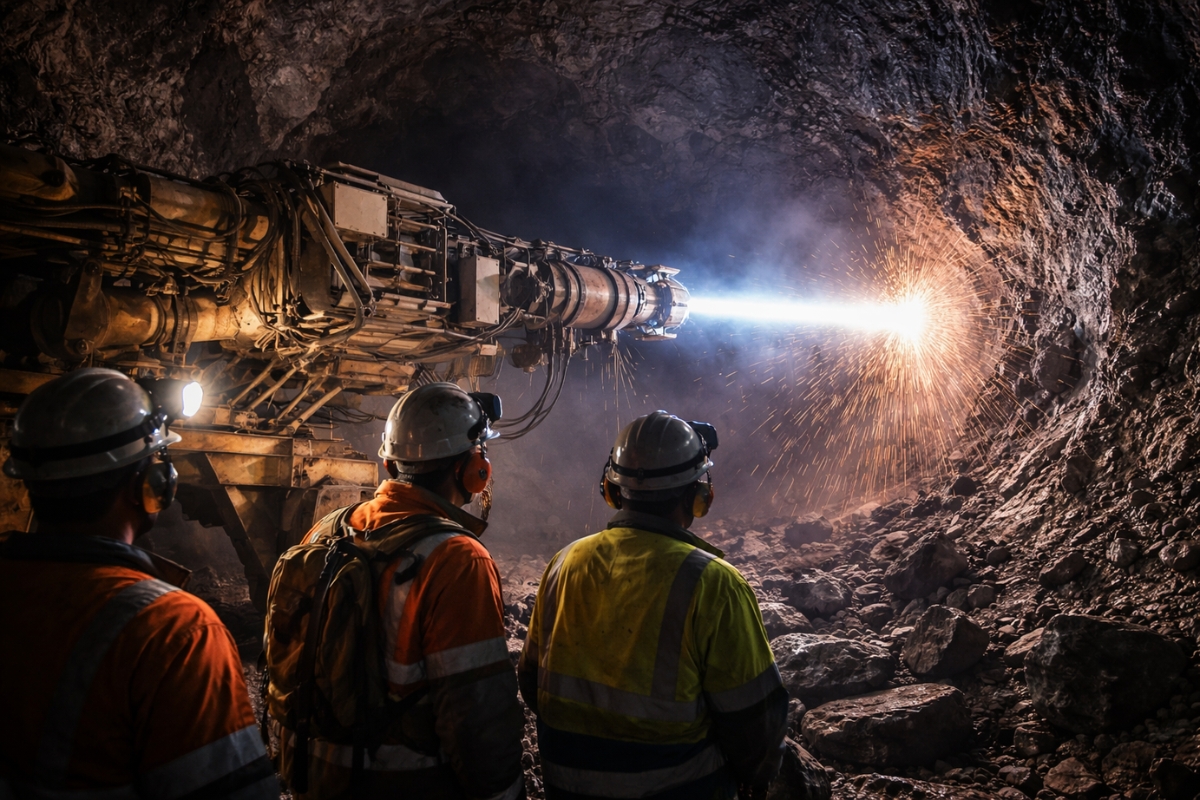
100 kW megalasers are already pointing to a new industrial phase, with enough power to cut thick steel, drill through rocks, accelerate mining, and increase productivity in operations previously considered too difficult.
-
Thousands of people in poor countries are paid cents to film household tasks, label images, and operate systems remotely all day long, and this invisible work fuels a $17 billion market that trains the artificial intelligences of Google, Tesla, and Meta.

Conflicts of Interest: Starlink Challenges Verizon’s Billion-Dollar Contract with the FAA
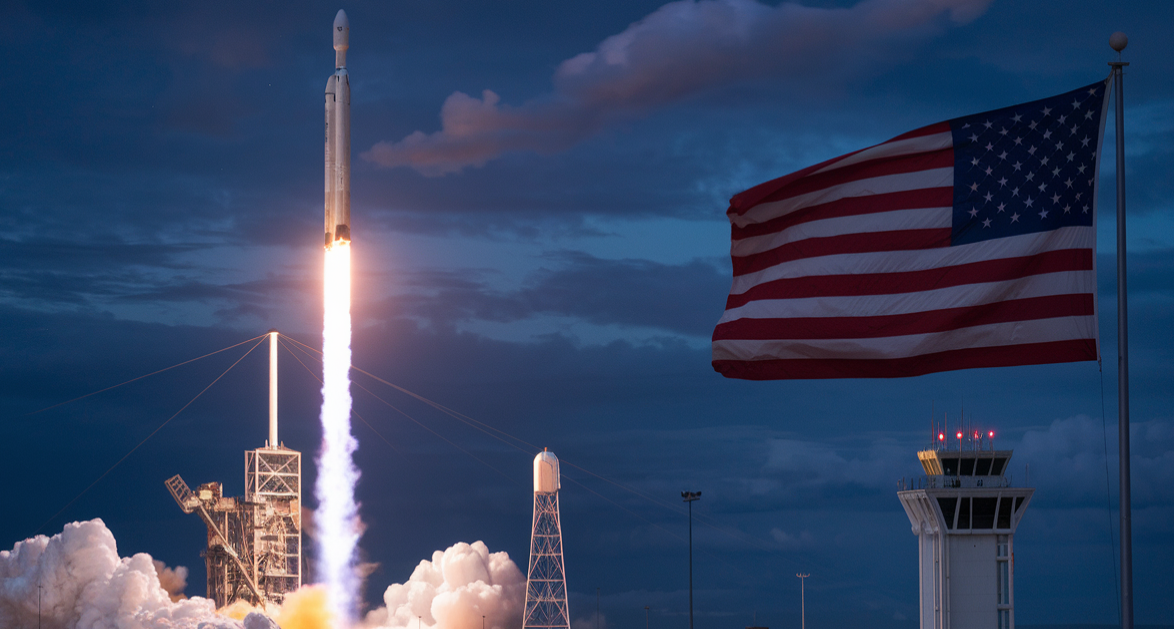
The FAA had already awarded a $2 billion contract to Verizon in 2023 to modernize its infrastructure. Now, the entry of Starlink could put that contract at risk. Verizon insists that its technology is essential to keep the system safe, while Musk has openly criticized the company’s performance on his platform X, claiming that “Verizon’s system is not working and puts travelers at risk.”
The big question is: to what extent can Musk expand his influence in the aviation sector without affecting market balance? After all, his company already dominates space exploration and is becoming increasingly integrated into global communications.
Air Traffic Safety – The Major Challenge
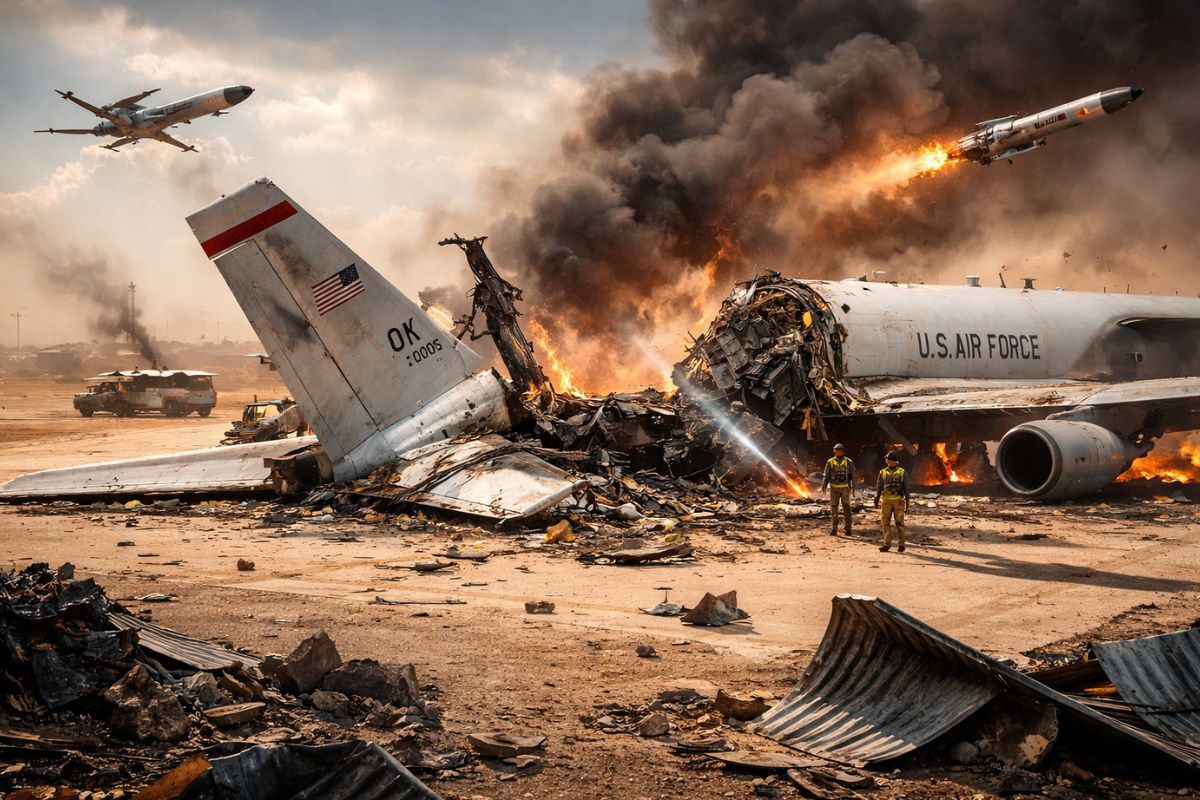
The need for air traffic modernization gained attention after a fatal accident in January 2025, involving a regional jet and a military helicopter near Ronald Reagan National Airport in Washington. Former President Donald Trump criticized air traffic control technology as “obsolete.”
Secretary of Transportation Sean Duffy recently declared that Musk’s Government Efficiency Department will work to “rethink” the nation’s airspace. This partnership may accelerate modernization but also raises concerns about Musk’s growing influence over the government and critical infrastructure in the U.S.
Starlink’s proposal is to provide high-speed, low-latency connections anywhere in the world. In the aviation sector, this means:
Stable Connections for air traffic control.
Better Weather Forecasts in remote areas.
Faster Emergency Responses.
The FAA faces challenges in updating its systems, with reports indicating that 76% of its infrastructure is unsustainable or potentially unsustainable. This opens the door for new solutions like Starlink to be tested and potentially adopted.
What Is the Impact on the Future of Aviation?
On one hand, technology can improve safety and efficiency in air traffic; on the other hand, this may increase the U.S. government’s dependency on Musk’s infrastructure. SpaceX already provides services to the Pentagon and has been expanding globally, strengthening Musk’s position as a leading technology provider for governments and militaries.
According to InfoMoney, Bloomberg revealed that SpaceX signed a contract with the Pentagon to expand Ukraine’s access to a more secure and militarized version of Starlink. Now, with tests at the FAA, Musk is expanding his presence in critical U.S. infrastructure. Are we moving toward a future where governments will increasingly rely on Musk’s companies to operate?




Seja o primeiro a reagir!