





 English
  Francês
  Alemão
  Italiano
  Japonês
  Norueguês
  Portuguese
  Spanish
  2 min of reading


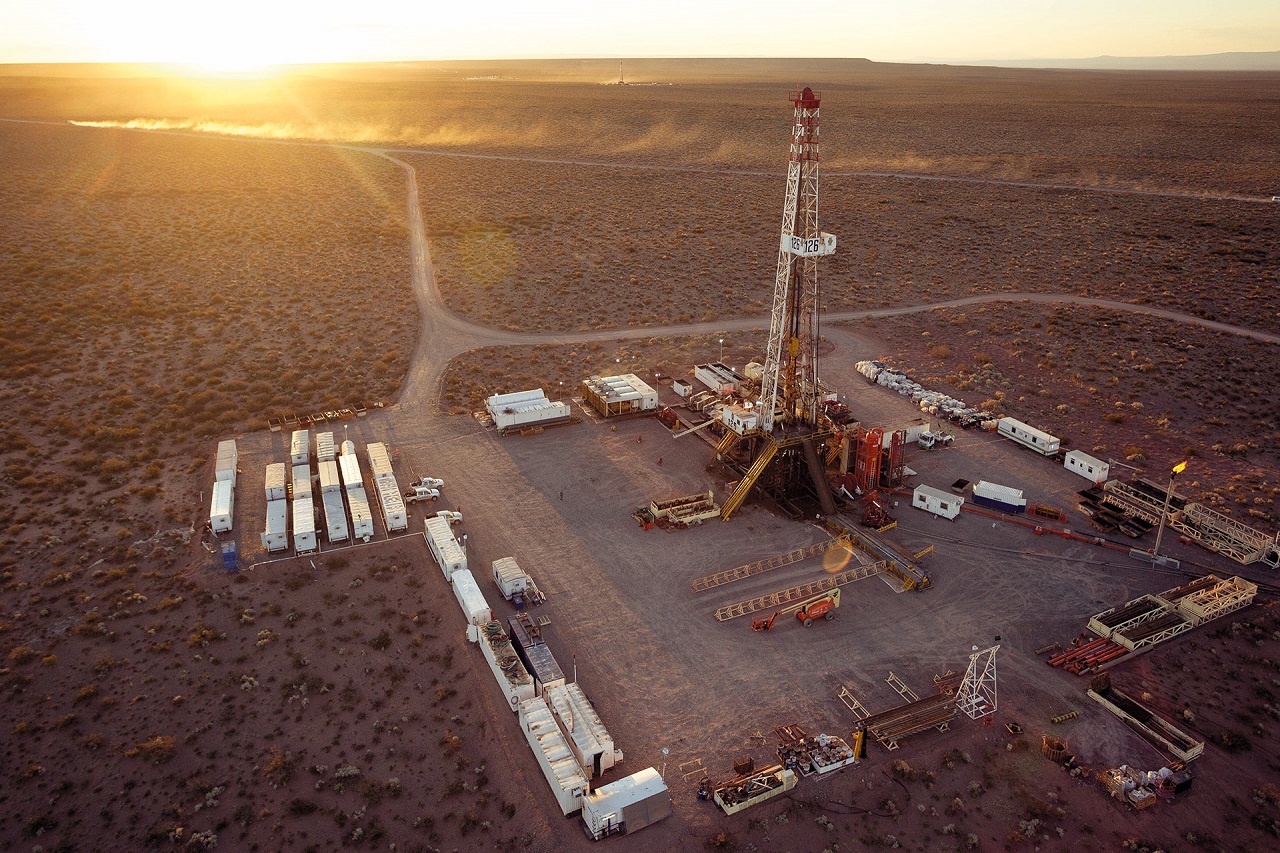
The COVID-19 Pandemic Made The Economic Crisis In Argentina Worse, Economic And Even Social Policies Instability Helped To Cause The Filing Of Gas Transport Construction In Vaca Muerta
The Argentine Energy Department has decided to shelve a long-standing project to build a gas pipeline from the unconventional hydrocarbon formation Vaca Muerta to the northeast of the country, known as the central gas transportation system.
According to an announcement in the official gazette, the department decided that the project was conceived in a completely different scenario and could not be adapted to fit the current circumstances of the country.
A slowdown in production due to the COVID-19 pandemic, as well as the incentives from the Gas Plan 4 for natural gas production, would require a reassessment of natural gas transportation options for the country to ensure that local production and LNG imports can be transported to the largest population centers in Argentina, the department said.
-
Unemployment rises again to 5.8% at the beginning of 2026, raising alarms about the end of temporary positions and its impact on the Brazilian job market.

-
Document organization can cut invisible costs in small businesses, a simple step that prevents waste, rework, and losses in daily operations.

-
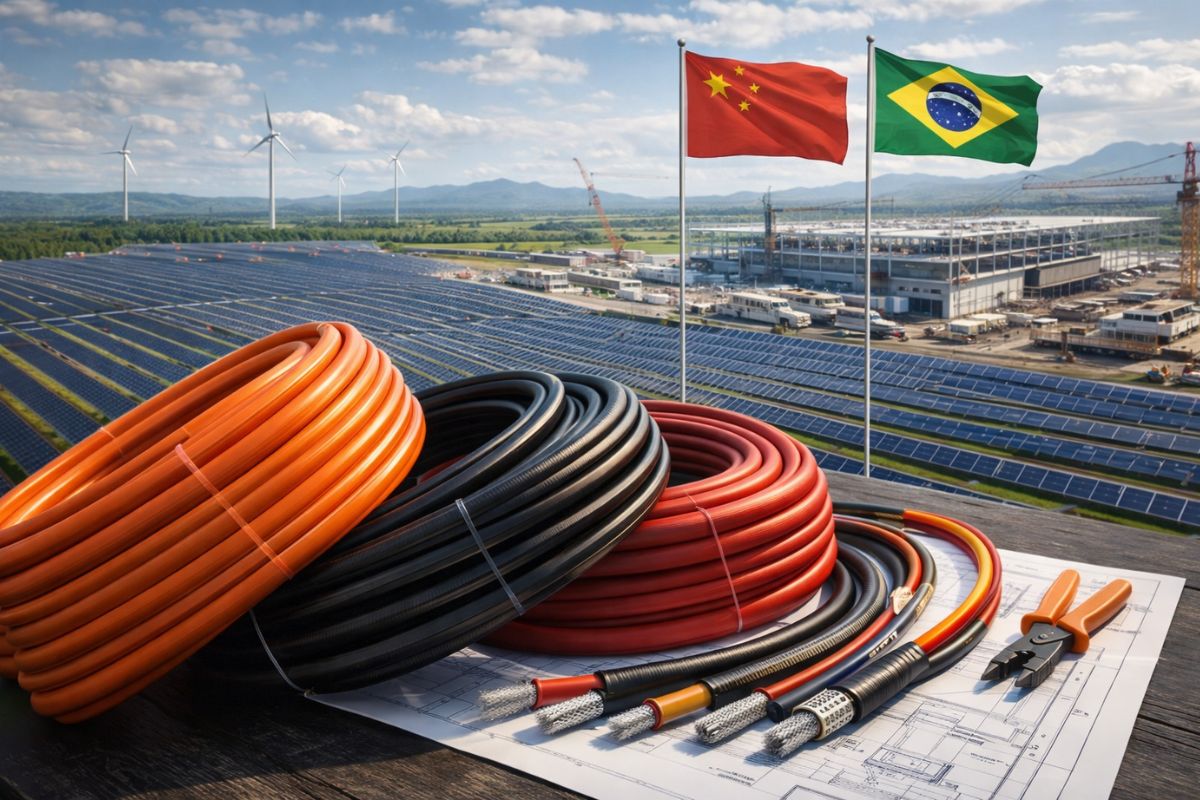
Chinese giant worth nearly R$ 4 billion that manufactures cables for electric cars, solar energy, and robotics wants to open a factory in SC.
-
Many employers do not know, but the law guarantees domestic workers a 25% increase in salary during trips, 50% for overtime, 20% for night shifts, and 17 additional benefits that can lead to labor lawsuits if not paid.


New Gas Route Alternatives Will Be Studied
Authorities have therefore decided to cancel a bidding process that was suspended in March and was scheduled to proceed this month.
Instead, the department said it will direct its hydrocarbons unit to conduct a legal and technical assessment to evaluate new pipeline alternatives, including the expansion of existing transportation capacity, to bring Vaca Muerta gas to the city of Buenos Aires.
The central gas transportation system, also known as the Vaca Muerta pipeline, was conceived at a time before the decline in international oil prices when Argentina’s production was steadily increasing due to significant shale resources from Vaca Muerta.
It involved the construction of two sections of pipeline, the first connecting the city of Tratayén, near Vaca Muerta, to Salliqueló, close to the port city of Bahía Blanca, with a length of 470 km and requiring US$ 800 million in investments for an initial capacity of 15 Mm3/d.
In The Future, Vaca Muerta Could Be Interconnected To The South Of The Country
The second section of 570 km would connect Salliqueló with San Nicolás, a small town between Buenos Aires and Rosario on the banks of the Río de la Plata and would need US$ 1.2 billion for an initial capacity of 20 Mm3/d.
Argentina’s gas transportation plans also include the construction of a pipeline linking Vaca Muerta to southern Brazil.
The US$ 1.2 billion, 600 km pipeline project reaching Uruguaiana and Porto Alegre has been discussed by Argentine and Brazilian authorities, although no definitive agreement has been reached.






Seja o primeiro a reagir!