Portuguese
  Spanish


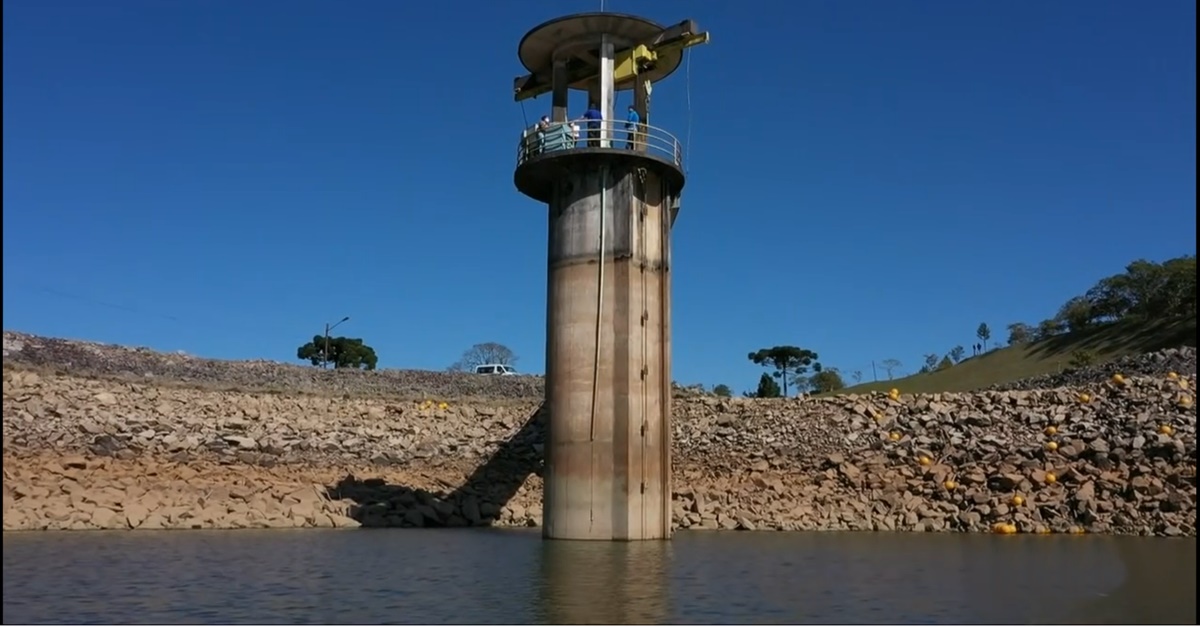

Electricity Generation in Thermoelectric Plants Is More Expensive and Increases Costs for Consumers; High Temperatures and Economic Recovery Are Expected to Raise Consumption.
To preserve the water reservoirs of hydropower plants in Brazil, the federal government authorized the activation of thermoelectric plants and the import of energy from neighboring countries, Argentina and Uruguay. The Morro da Babilônia, in the South Zone of Rio, Will Receive the First Solar Power Plant in a Favela in Brazil
Read Also
- The Morro da Babilônia, in the South Zone of Rio, Will Receive the First Solar Power Plant in a Favela in Brazil
- Offshore Recruitment and Selection in Macaé to Work on Petrobras Platforms, Demand for Medium-Level Job Vacancies Today (20)
- Raízen, the Giant Ethanol Producer in Brazil, Opens Positions for Candidates Without Experience in Search of Their First Job in Its Trainee and Internship Program 2021
The federal government is concerned about the reservoirs in the Southern region of Brazil, where the levels of the main reservoirs of hydropower plants are below 30% capacity, much lower compared to the same period in 2019, when it was at 39.5%.
To save the water stored in the upper reaches of the Grande and Paranaíba rivers and also keep the Tietê-Paraná waterway navigable, with more water volume for vessels, the Electric Sector Monitoring Committee has decided to allow the activation of a larger number of thermoelectric plants.
-
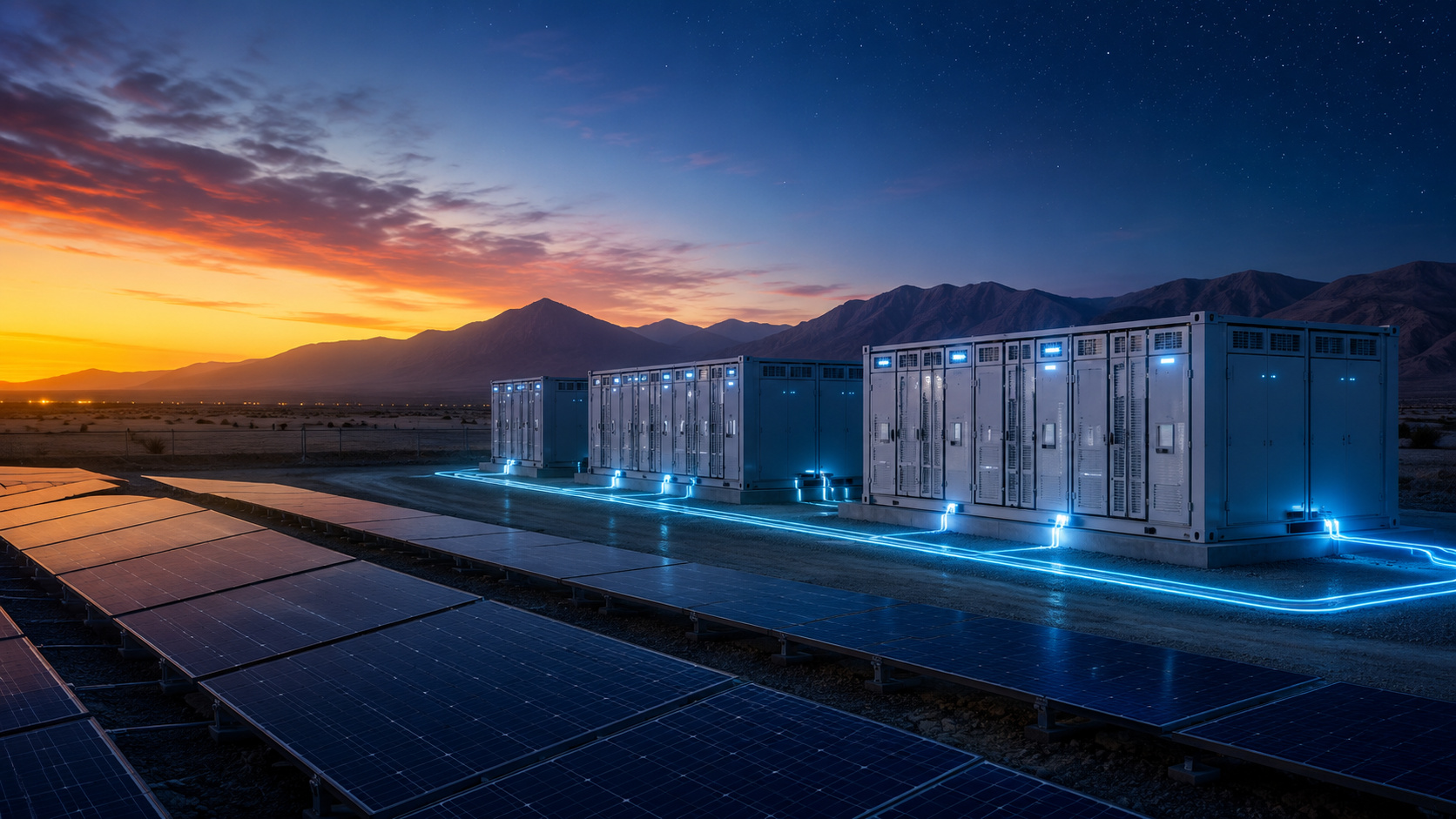
Giant Batteries Take Center Stage in Chile Auction as Company Offers 960 GWh of Solar Energy for Nighttime Use, Aiming to Stabilize Solar Power Supply

-
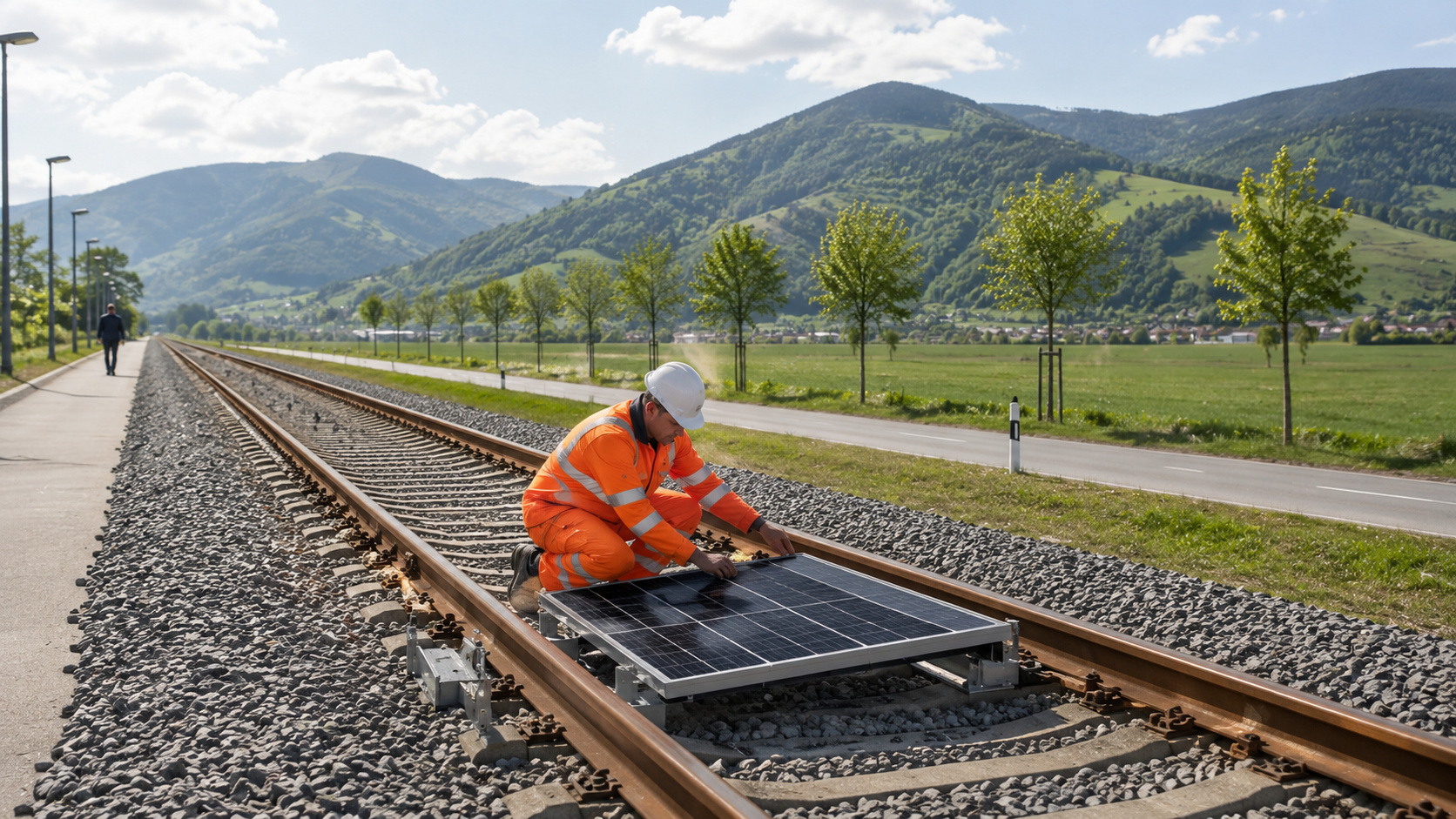
After a Year of Success in Switzerland, Solar Railway Attracts Italy’s Interest for Clean Energy Transformation
-
Robots Clean Solar Panels in Desert Power Plants Without Water, Preventing Energy Losses
-
Brazil’s Offshore Wind Energy Potential Worth $1 Trillion Stalled by Long-Delayed Agreement



The government also reported that it is importing energy from Argentina and Uruguay. This has been done when the importation is cheaper than the energy from thermoelectric plants.
These measures by the government aim to reduce the use of hydropower plants in the South so that they can reach the end of October with more than 30% storage capacity.
In contrast, thermoelectric plants operate using fuels such as diesel, a more expensive energy source that increases costs for consumers.
In the industry, energy consumption during the pandemic, which was slightly below consumption levels of 2019, began to register an increase in August. However, there is no risk of shortages, according to the association of large consumers.
Expectations
At the end of this month, the water volume in reservoirs in the Southern region may reach less than 20% of capacity. The situation is expected to be better in the Southeast and Midwest (23.2%), Northeast (52.4%), and North (32.5).
“The implementation of these measures will be reevaluated weekly in technical meetings to verify the necessity of continuing their adoption, as well as to assess the adoption of additional actions”, added the Electric Sector Monitoring Committee (CMSE), in a statement.