Portuguese
  Spanish


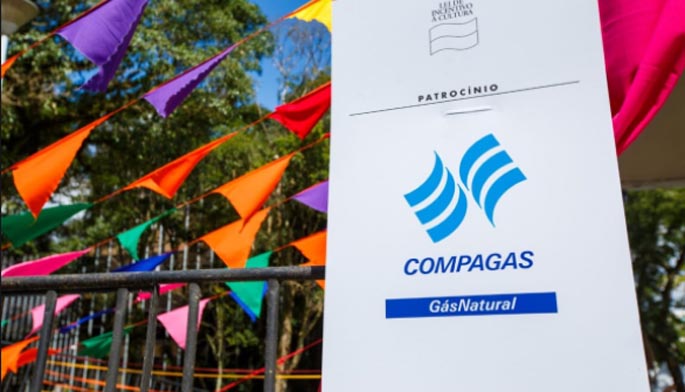

Compagas Based in Brazil Eyes Argentina’s Natural Gas Market
Five natural gas distributors in the central-south of Brazil are meeting this week in anticipation of a second public offering in early 2021. Rafael Lamastra, president of the Paraná-based Compagas, spoke to Argus about the outlook for the new offering and the opening for the Brazilian gas market as the state-owned Petrobras retreats.
Read Also
- Compagas Increases Its Distributed Gas Volume in Paraná by 30% in 2019
- Petrobras Starts New Phase in Selling Its Company Stake in Argentina
- Meeting in Macaé on the Oil and Gas Industry Points to the Creation of 700,000 Jobs
- SBM Eyes Brazilian Offshore Wind Generation
What Are the Outlooks for the 2021 Joint Public Offering for Natural Gas Supply Contracts After the Initial Offering Failed to Attract New Suppliers?
The first joint public offering of natural gas was not a failure. Together, the five distributors received more than 50 proposals. Compagas alone received 10 proposals, which we narrowed down to a short list of four companies. It would have been a failure if we had not received any proposals.
Many of these natural gas suppliers submitted proposals because they saw potential improvements in the regulatory environment, due to the federal government’s efforts to open the market and the agreement of Petrobras with the antitrust regulator Cade. However, suppliers ended up realizing that not much would change in the short term and ultimately withdrew their offers.
-
Qantas and Airbus Invest in Company Aiming to Convert Unsorted Household Trash into Jet Fuel

-
Brazil to Issue “Panda Bonds” in China, Aiming to Raise Up to 5 Billion Yuan at Lower Interest Rates Than Dollar Debt
-
NATO Faces Internal Tensions as U.S. Pushes for Increased Defense Spending, Targeting 5% of GDP by 2035, with Warnings for Countries Near 2% Level
-
Brazil to Introduce B16 Diesel with Increased Soybean Oil Content for Trucks by 2026


What Was the Final Outcome of the Auction?
In the end, only one supplier – Petrobras – secured contracts. We expressed to Minister Bento (of Mines and Energy) and Minister of Economy Paulo Guedes that we regret the failure of the government’s efforts to diversify gas supply and that Petrobras continues to be the dominant player.
Why Do You Believe the Auction Next Year Will Be More Successful?
We expect to see some progress, but the reality is that we do not have LNG terminals, our pipelines do not have much excess capacity, and the natural gas from the offshore pre-salt fields is still not being delivered to southern Brazil.
The pre-salt natural gas was expected to be sold at US $4 / mn Btu, but for now, Petrobras buys or produces all the pre-salt gas that reaches the market and sets the price. However, there have been some positive changes. New technologies have made LNG a possibility, and we have been talking to companies interested in bringing gas from Argentina. The next public offering will give us a better understanding of the new supply landscape.
And What About Bolivian Gas?
Even with Petrobras’ recent announcement to reduce its gas supply contract with Bolivia, we are concerned about the possibility of not having sufficient gas volumes.
Compagas has held discussions with members of the current Bolivian government, and it is possible that some of the gas it currently sells to Argentina may be redirected to Brazil. But we are awaiting the results of the Bolivian election (October 18). Do you expect gas prices to drop? Yes, but it is a slow process and depends on the entry of more suppliers into the market and clear regulations for access to infrastructure. When all the pieces are in place, prices will drop.
But this cannot be done by decree. Although much has already been done, many measures still need to be implemented. But nothing will change overnight.