





 English
  Francês
  Alemão
  Italiano
  Japonês
  Norueguês
  Portuguese
  Spanish
 5 min of reading
  109 comments


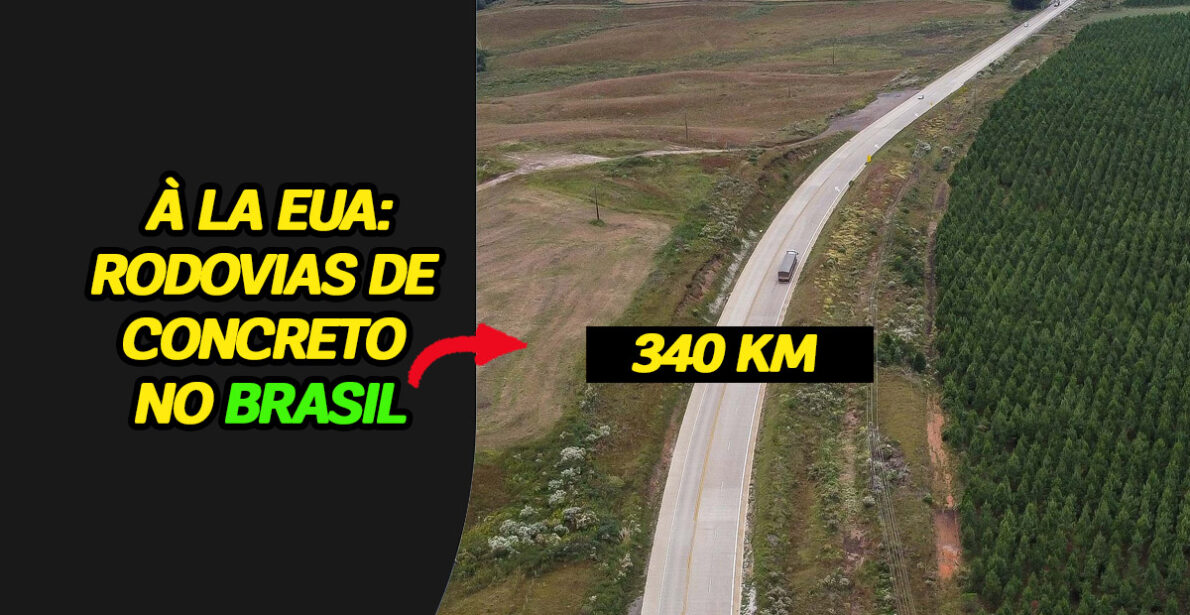


The Highways of This State Are Undergoing a Revolution! The Federation Unit Is Replacing Asphalt with Concrete, Offering Twice the Durability and Less Maintenance. Is the Rest of Brazil Ready to Follow This Example?
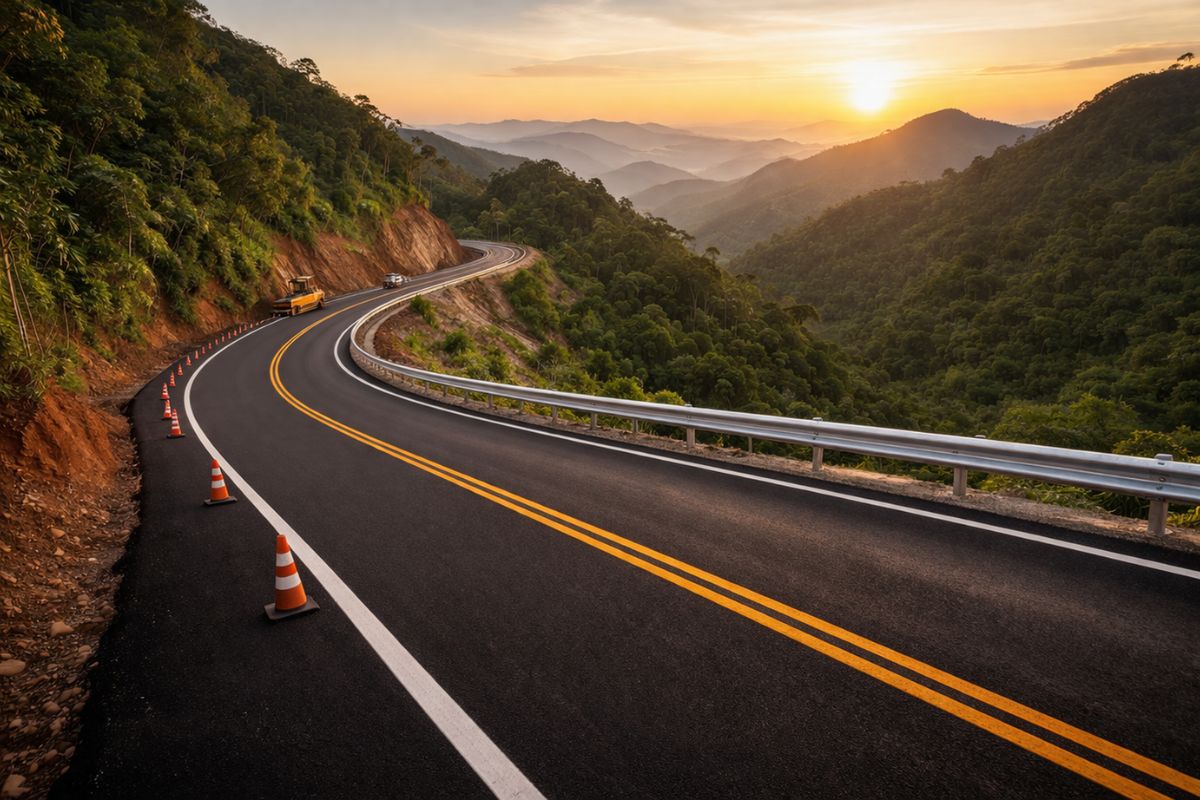
When it comes to road infrastructure, Brazil seems to be drawing inspiration from solutions that go beyond traditional asphalt.
The State of Paraná, for example, has adopted an innovative and much more durable approach to its highways.
But why abandon asphalt, which is present on almost all Brazilian road networks, in favor of concrete? And what are the real advantages of this model?
-
Abandoned house for 15 years disappears in the woods, shocks owner with unrecognizable scenery and is reborn in an intense transformation after almost 90 hours of work in just 10 days.
-
In just three hours, a natural stone floor transforms the entrance of the house with an organic effect, immediate drainage, and a sophisticated non-slip finish that doesn’t puddle water, dries quickly, and impresses with the final result.
-
‘Interlocking brick’ made of earth arrives in the construction industry with cost reductions of up to 40% on the project.
-
Espírito Santo will receive the largest engineering project in its history with the duplication of BR 262, which will have 50 viaducts, 28 bridges, and 2-kilometer tunnels cutting through the most challenging mountainous region of the entire state.
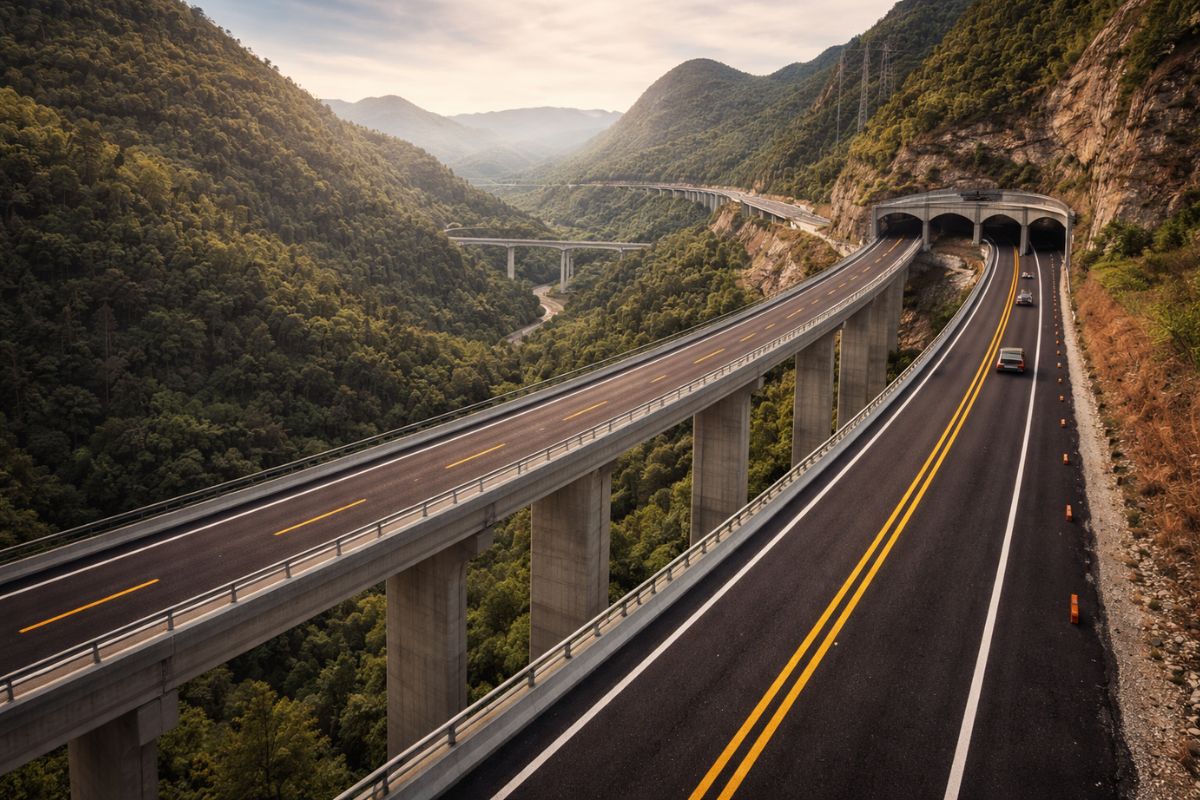

The answer lies in its durability and lower maintenance costs over the years.
Concrete pavement offers double the lifespan compared to asphalt pavement, promising over 20 years of service before any intervention, while asphalt requires constant maintenance over a decade.
According to experts, this not only reduces operational costs but also lessens the duration of construction and disruptions for drivers.
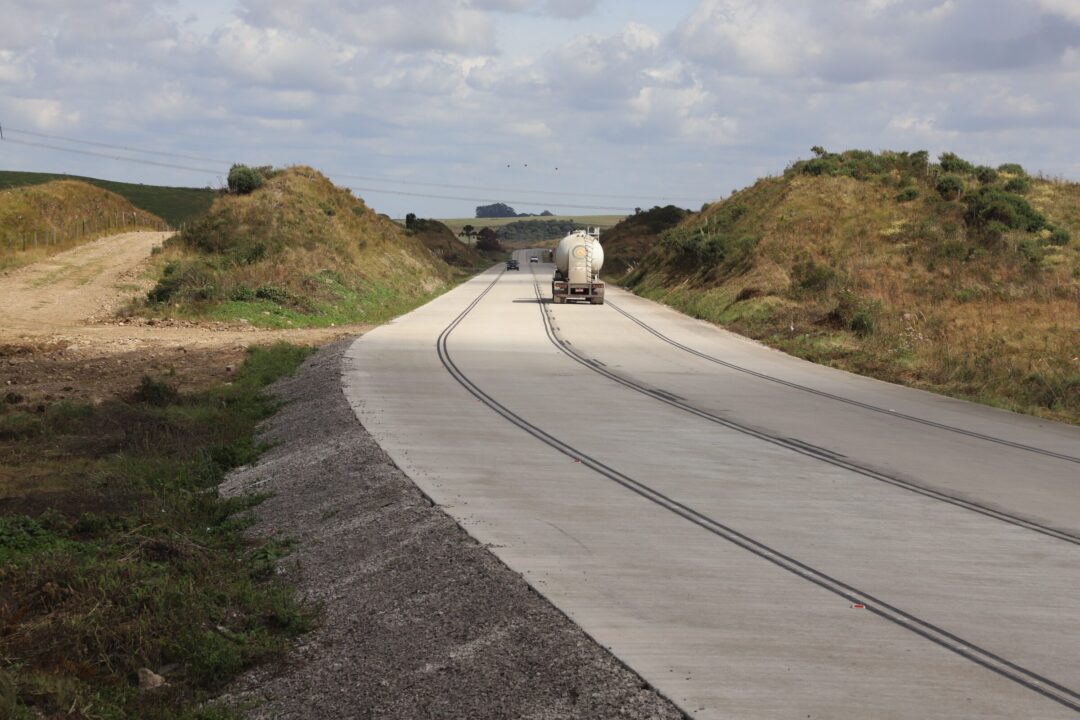
Inspired by the USA and Germany
The model adopted by Paraná is inspired by American and German highways, which are globally recognized for their efficiency and durability.
“As a strong state in agricultural and industrial production, we sought the best infrastructure solutions adopted worldwide. Concrete roads are more durable options that better withstand heavy traffic,” said the Secretary of Infrastructure and Logistics, Sandro Alex.
In practical terms, the state is renewing approximately 340 kilometers of highways with concrete in thirteen different segments.
Among them are the PRC-280, which connects General Carneiro to Pato Branco, and the PR-180, between Goioerê and Quarto Centenário. Projects also include the duplication of the Rodovia dos Minérios and the Western Bypass of Cascavel, as well as restorations on the PR-151, between Ponta Grossa and Palmeira.
Economic and Operational Advantages
Rigid concrete pavement presents significant operational advantages. In addition to durability, concrete roads require less maintenance over time, which means fewer interruptions for those using these routes.
“Maintenance on rigid pavement occurs much later than on asphalt and is targeted and simple,” said Janice Kazmierczak Soares, technical director of the Department of Highways of Paraná (DER/PR).
Another operational advantage is the comfort provided to drivers. Concrete does not heat as much as asphalt on hot days, and its textured surface ensures better tire grip, reducing the risk of hydroplaning.
During the night, the lighter pavement also improves visibility, making driving safer.
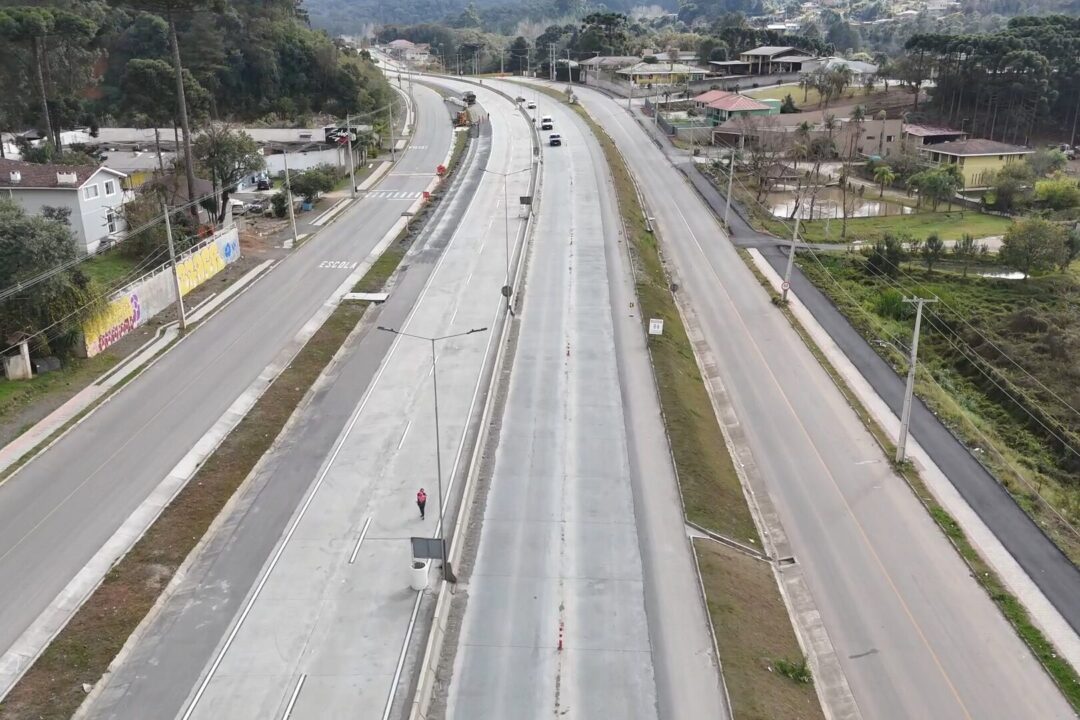
Advanced Technology for Monitoring
To verify the quality of the new highways, Paraná utilized an innovative pavement monitoring technology.
The so-called Traffic Speed Deflectometer Device (TSDd), a kind of truck equipped with lasers, covered 60 kilometers of the PRC-280 in just three hours, assessing the pavement’s resistance.
This test, conducted in partnership with Votorantim and the engineering company Roadrunner, ensured that the road is capable of withstanding heavy traffic for many years.
Whitetopping: Innovation in Concrete Use
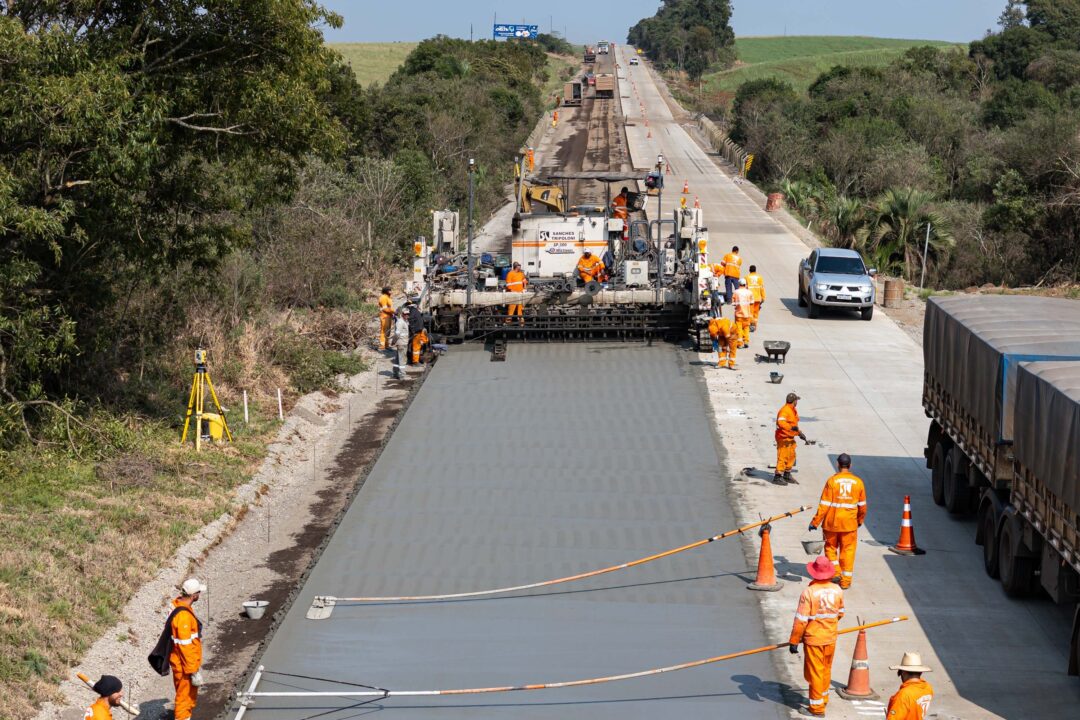
A technique called whitetopping is being used in some segments of the highways. This method involves applying a layer of concrete over an existing asphalt base, making the work faster and cheaper.
A successful example of this technique occurred on the PRC-280, between Palmas and General Carneiro, where 60 kilometers of road were renewed with concrete in just one year.
Long-Term Savings
Although the initial cost of construction with concrete may be higher, it is offset in the long run.
Feasibility studies show that rigid pavement is more economically advantageous in 5 or 10 years, as highlighted by Janice Kazmierczak Soares.
In some cases, such as in the PRC-280 segment, concrete proved to be cheaper even during construction, due to the road conditions and heavy truck traffic.
Moreover, the reduced maintenance directly impacts public finances, allowing the state to save on repair contracts and reduce the frequency of interventions, keeping the highways open for traffic longer.
History of Concrete Roads in Brazil
Although the use of concrete roads is traditional in several parts of the world, in Brazil, this type of pavement was relegated to the background for a long time.
According to Dejalma Frasson Júnior, regional manager of the Brazilian Association of Portland Cement (ABCP), the preference for asphalt solidified during the construction of Brasília and with the foundation of Petrobras.
“Concrete roads are very traditional, with over 100 years of history,” he stated.
In recent years, however, the convergence of prices between asphalt and concrete, alongside technological improvements in cement production, has sparked interest in rigid pavement roads.
These highways can withstand the heavy traffic of trucks and buses, being an efficient solution for states like Paraná, which have economies based on industrial and agricultural sectors.
List of Concrete Works in Paraná
Among the major ongoing or completed works in Paraná, the following stand out:
- Three sections of the revitalization of PRC-280 (General Carneiro to Pato Branco)
- Revitalization of the connection between Goioerê and Quarto Centenário
- Duplication of the Western Bypass of Cascavel
- Duplication of the connection between Guarapuava and Turvo (three sections)
- Duplication of the connection between Matinhos and Pontal do Paraná
- Paving of the connection between Mandirituba and São José dos Pinhais
- Revitalization of PR-151, between Ponta Grossa and Palmeira
- Metropolitan Corridor of the Capital – New South Bypass of Curitiba
With all these changes, Paraná positions itself as an example in Brazil in adopting new technologies for road infrastructure.
The concrete model, inspired by the United States and Germany, is a bet that can be replicated in other regions of the country.
Is Brazil prepared to follow Paraná’s example and leave asphalt behind on the roads of the future?






E o barulho das juntas de dilatação?
Rodovia! Trem, precisamos de trens.
Sugiro que tenham melhores fontes. nos EUA a maioria das rodovias é pavimentada com ASFALTO (e assim continuam sendo)
estudem e publiquem dados verídicos.
seguem duas fontes:
https://www.fhwa.dot.gov/policyinformation/statistics/2022/
https://www.asphaltmagazine.com/94percent/