





 Portuguese
  English
  Spanish
  5 min of reading
  0 comments


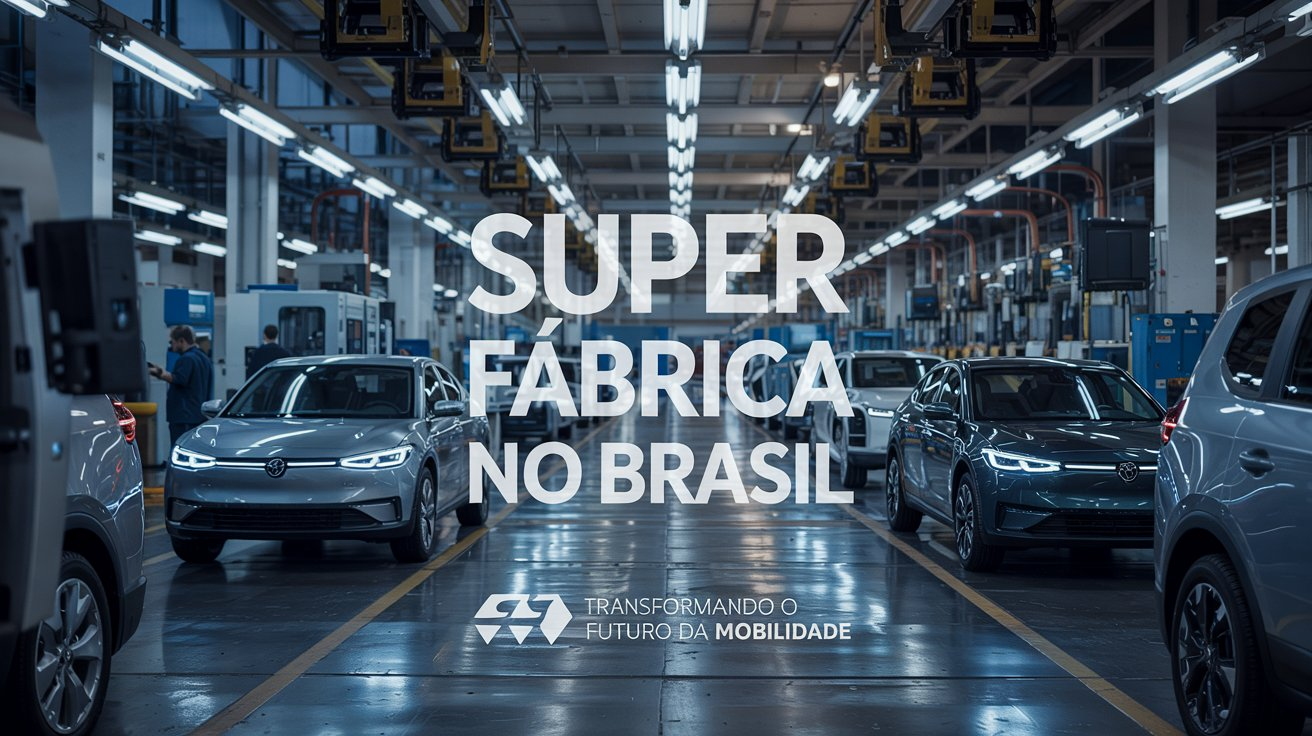
GAC, Chinese Giant, Has Come to Change the Game in Brazil! With a Fully Automated and Sustainable Factory, the Automaker Promises to Revolutionize the Production of Electric and Hybrid Cars, as Well as Apply Technologies That Can Transform the Brazilian Automotive Market.
The Brazilian automotive industry has always been dominated by major global names, but a new automaker from China is betting high to change this scenario.
GAC, which is the fifth largest vehicle manufacturer in China, officially arrived in Brazil at the end of 2024 and already plans to become a reference in the production of electric and hybrid cars in the country.
But what is behind this bold bet?
The company not only brings an innovative portfolio but also a revolutionary production model,
which promises to impact the local market and even inspire other factories around the world.
-
Less than a Tera TSI, up to 710 km of range and charging in 9 minutes: the new BYD Song Ultra expands the Chinese brand’s bet on increasingly faster, more technological, and competitively priced electric SUVs.

-
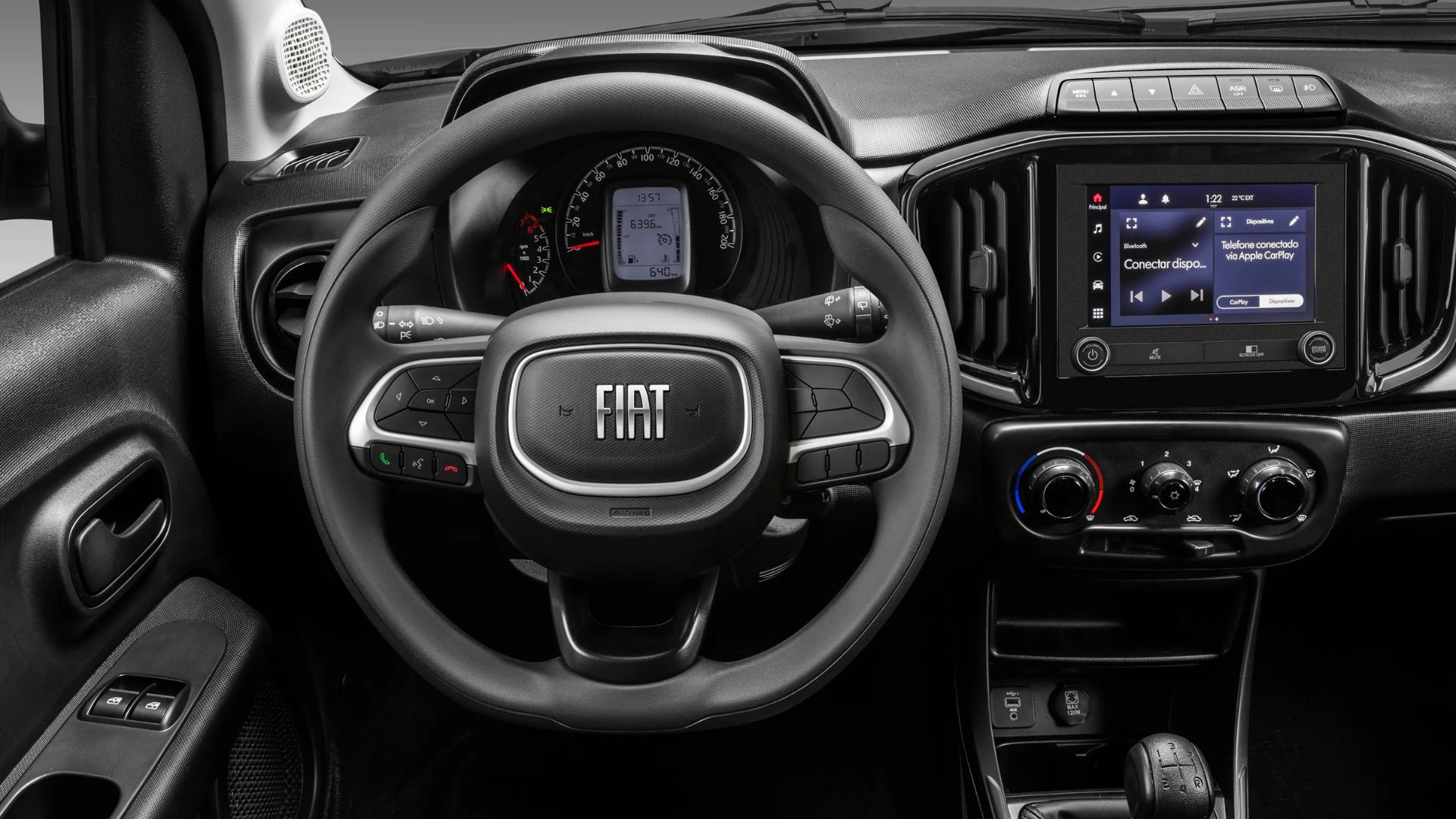
With a 1.0 engine producing 75 hp and costing less than R$ 70,000, Fiat’s car returns to the podium as the cheapest in the country; a temporary promotion for the 2026 Like version reduces the price of the Fiat Mobi.
-
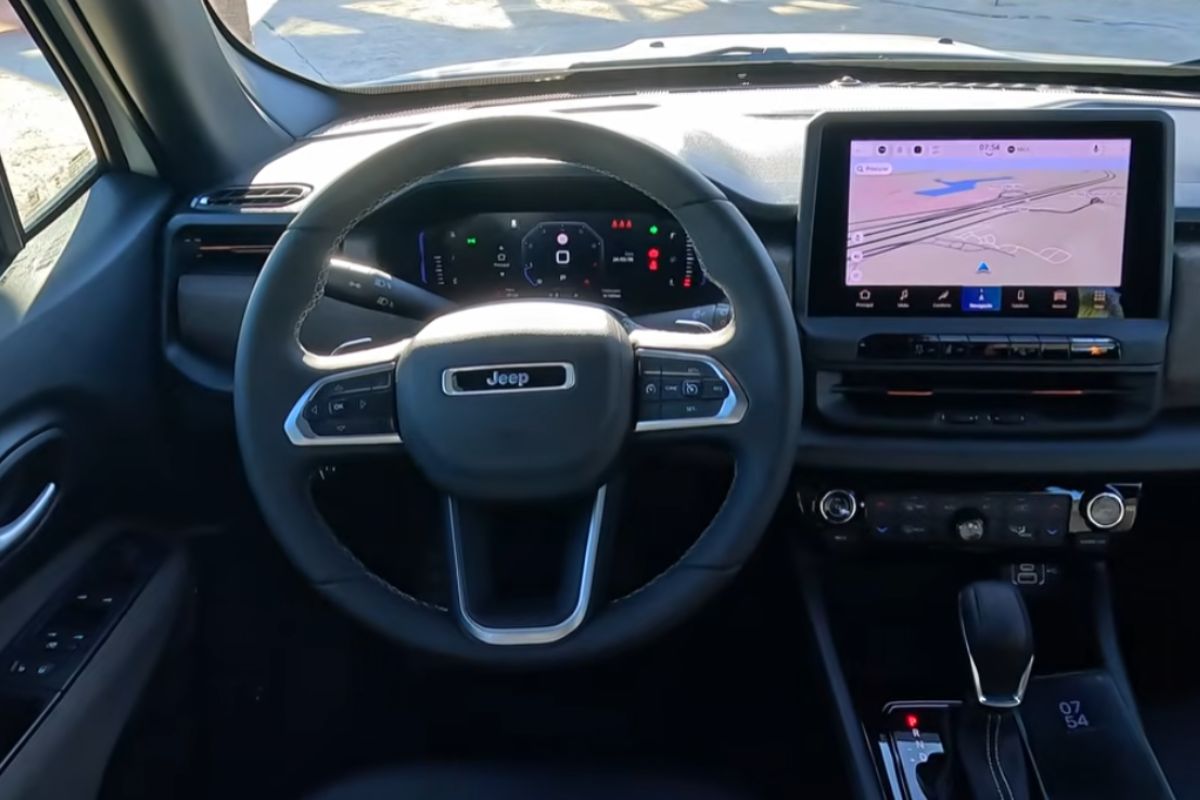
With a mild hybrid system of 48 V, 176 hp and a price of R$ 175,990 in the Sahara version, the new Jeep Renegade changes mostly on the inside, improves slightly in fuel consumption, and remains almost the same car.
-
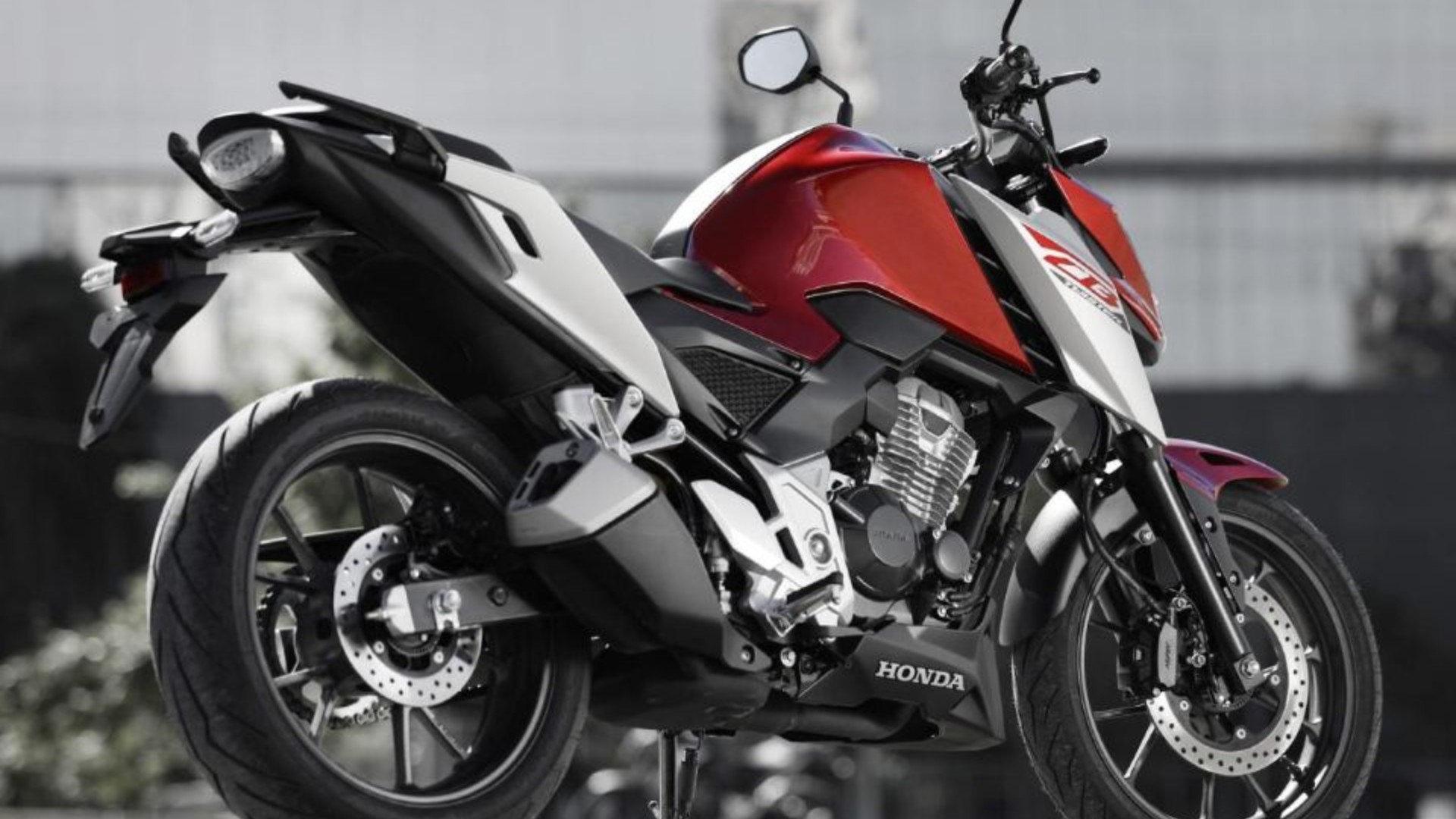
With a 293.5 cm³ engine and a range of up to 400 km with a 14.1-liter tank, the Honda CB 300F Twister 2026 has up to 24.7 hp, an initial price of R$ 25,150, and already exceeds R$ 29,000 in the Fipe Table.

GAC is the first Chinese automaker to achieve a Lighthouse Factory certification, an exclusive title awarded by the World Economic Forum in partnership with McKinsey & Company.
This certification is granted only to factories that implement Fourth Industrial Revolution technologies, such as automation and artificial intelligence, to improve production and minimize environmental impacts.
But what does this mean in practice?
GAC wants to transform vehicle production in Brazil by bringing to the country a fully automated factory model.
This not only increases the speed and efficiency of production but also enables more detailed customization of vehicles, something that until now seemed distant in the Brazilian automotive industry.
A complete car can be manufactured in an impressive 53 seconds at the Guangzhou factory in China, with each unit being produced according to customer specifications.
Sustainability and Innovation: GAC in Brazil
Environmental impact is also a priority for GAC.
The factory that received the Lighthouse Factory certification was designed to be sustainable, using renewable energy sources, such as solar energy, to cover up to 25% of its needs.
In addition, the automaker invested in high-efficiency technologies, such as optimized engines, adjustable burners, and industrial heat pumps, which helped to reduce carbon emissions from the plant by more than 50,000 tons.
GAC does not intend to stop there. The automaker has already announced that it will invest R$ 120 billion in research and development in Brazil, with the goal of establishing a complete production line for combustion, hybrid, and electric vehicles, as well as creating a R&D center in the country.
The company’s strategy is to replicate the model of its Lighthouse Factory in other locations, like Brazil, and transform this country into one of the most efficient and sustainable production centers in the automotive industry.
The Future of Automotive Production in Brazil
GAC’s vision is clear: digitalization and automation are the future of the automotive industry,
and according to Zheng Chunqi, vice-president of GAC Aion factory, these innovations can be easily adapted to the Brazilian reality.
In an interview with the website “Pé na Estrada”, he stated that the experience gained by the company in other countries can serve as a reference for factories in various regions of the world.
GAC seeks not only certification but a continuous process of innovation,
with the goal of becoming a global model of efficiency, sustainability, and customization.
The automaker has already started its operations in Brazil with full force.
In addition to cooperation agreements with federal universities such as UFSC, UFSM, and Unicamp,
GAC has also partnered with the Brazilian Electric Vehicle Association (ABVE).
This move reflects GAC’s commitment to the electrification of the Brazilian automotive sector, a topic that is increasingly in vogue, as the electric car market in Brazil has shown signs of rapid growth.
But what does GAC’s arrival mean for the local market? The entry of the Chinese automaker could be a turning point, not only for bringing innovative vehicle models but also for challenging the way cars are manufactured and sold in Brazil.
Digitalization and automation of production promise to reduce costs and increase the availability of customized vehicles, which could attract demanding consumers who seek more options and innovation.
Challenges and Opportunities for the Automotive Market
In addition, the automaker also invested in clean technologies, placing GAC ahead of many companies that still struggle to adopt more sustainable practices.
With GAC, Brazil may witness a shift in focus among local automakers, forcing a transformation that prioritizes emission reduction and the use of renewable energy sources.
This stance is a clear reflection of the demands of the global market, which increasingly requires sustainable and innovative initiatives from the automotive industry.
The automaker, which aims to consolidate itself as a leader in the electric vehicle sector,
is heavily investing in research that could impact the future of the industry in Brazil and Latin America.
GAC’s innovation is not only in production but also in how it thinks about the future of mobility in the country.
This long-term vision places the automaker in a strategic position to influence not only the automotive market but also Brazil’s economy.
For Brazilians, GAC’s arrival also means more options for innovative vehicles and, possibly, the opportunity to see the country’s automotive sector become more competitive, with new technologies and production processes.
This could create positive pressure on local automakers, who will need to adapt and invest more in innovation, sustainability, and customization to meet the demands of an increasingly discerning market.
With all of this, the question remains: Do you think GAC will be able to win the hearts of Brazilians and establish itself as one of the leaders in the national automotive market?
With so much investment and innovation, it’s hard not to believe that the brand has a bright future ahead.
And you, what do you think about the entry of a Chinese automaker in Brazil? Leave your comment and share your opinion!








Seja o primeiro a reagir!