





 Portuguese
  English
  Spanish
  5 min of reading
  0 comments


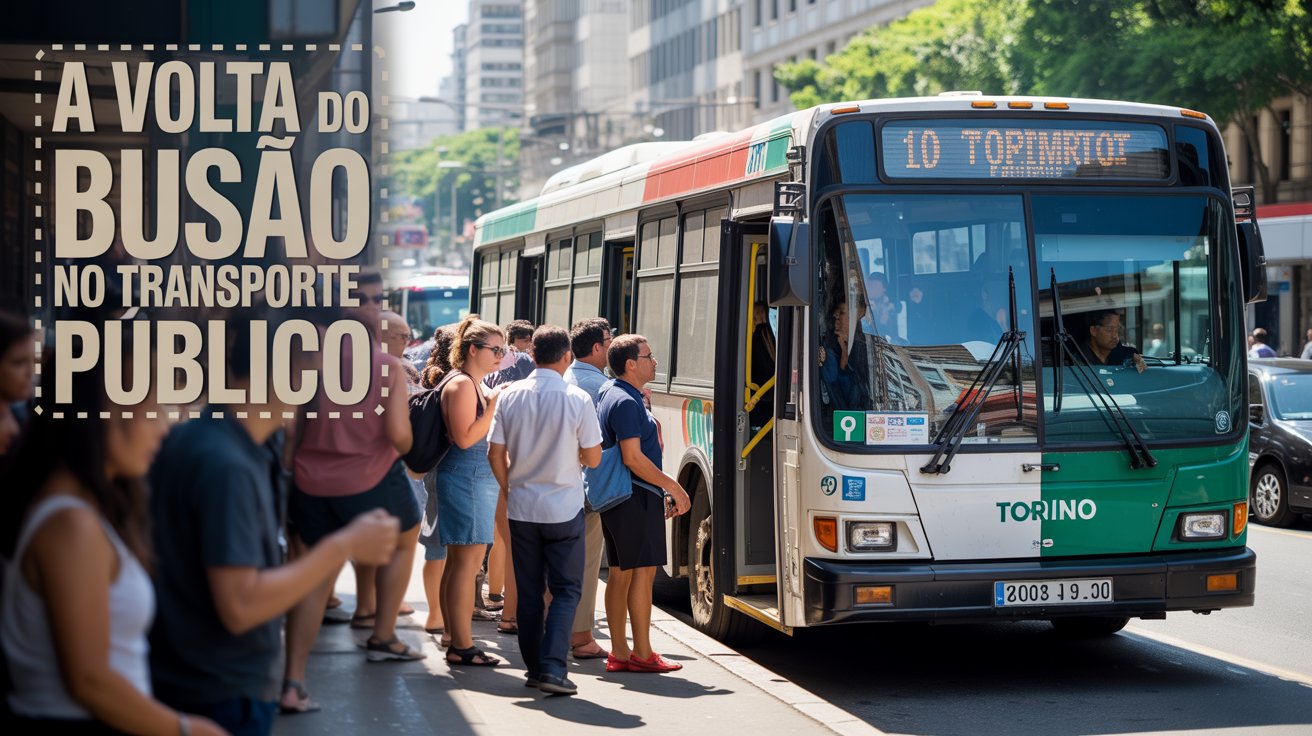

New National Plan Aims to Modernize Buses and Win Back Passengers in Brazil, Investing in Electric Vehicles, Technology, Public Subsidies, and More Efficient Systems. Change Can Transform Cities.
The search for solutions to revitalize urban public transportation in Brazil gained new momentum in 2025, with companies and governments committed to reversing the decline in passengers recorded since the COVID-19 pandemic.
The sector is betting on an ambitious strategy that involves fleet renewal, acceleration of commutes, system modernization, as well as negotiations for more stable contracts and increased public investments.
The actions aim to make collective transportation more attractive and efficient, competing with alternatives such as ride-hailing apps, private cars, and motorcycles, which have gained popularity in recent years.
-
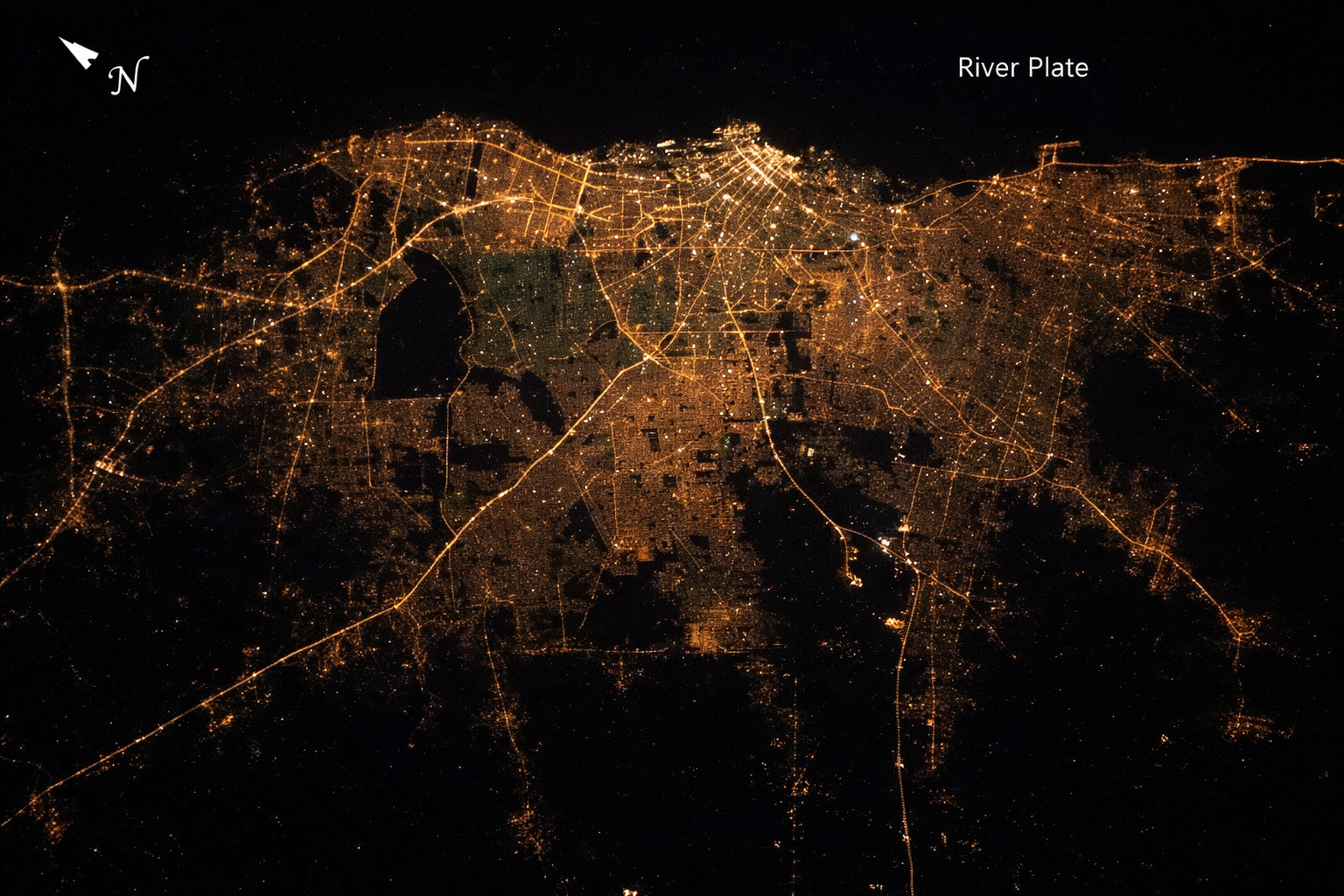
From space, Buenos Aires appears as a colossal spot of light surrounded by kilometers of darkness, revealing at a single glance the exact boundary between the metropolis and the countryside, seen from 400 km altitude.
-
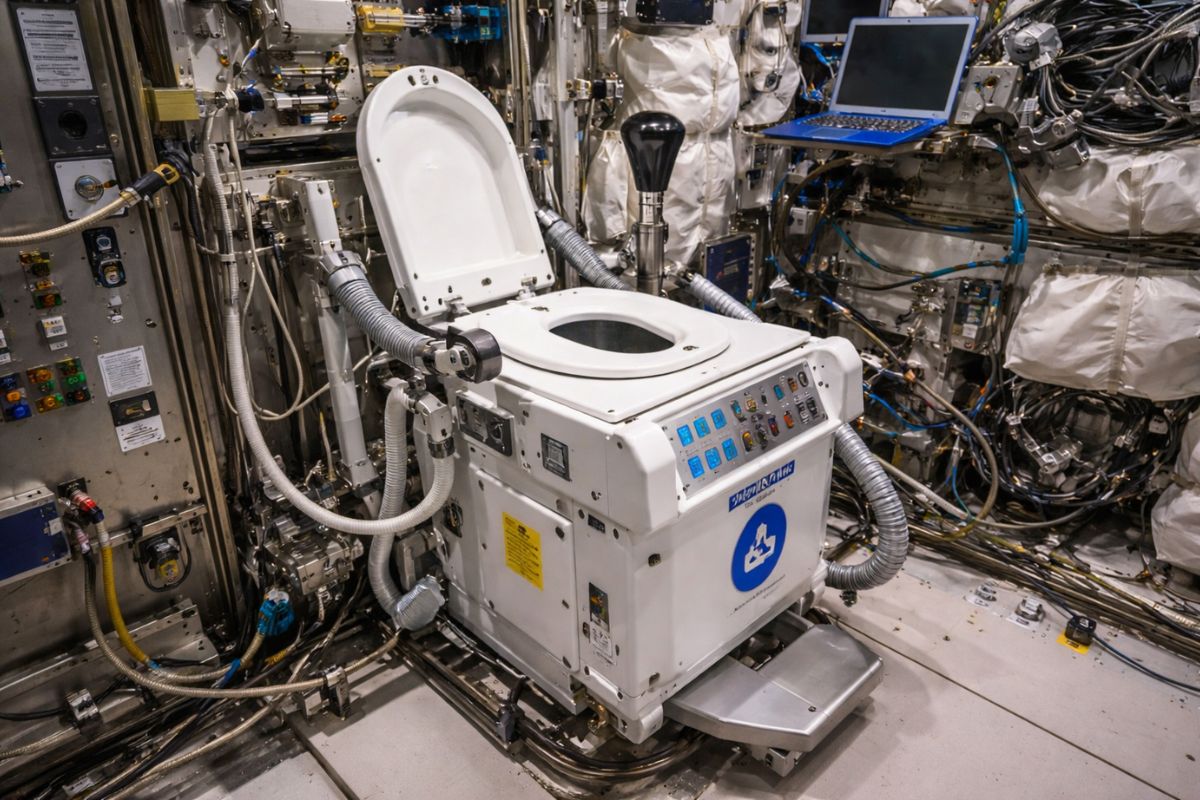
NASA spent over 118 million reais to build a single bathroom that works in zero gravity, and it has just gone to space on the first crewed mission to the Moon in more than 50 years.
-
Man never set foot on the Moon? 5 scientific proofs confirm that humanity has been there and definitively dismantle conspiracy theories.

-
The Brazilian Army will adopt humanoid robots to test the concept of future combat, says a website, surprising everyone, but later revealing that it was all just an allusion to April Fool’s Day.


Decline in Passengers in Collective Transport
The health crisis of 2020 accentuated a trend already perceived in Brazilian cities: the migration of public transport users to individual means.
Data from the National Association of Public Transport Companies (NTU) shows that, five years after the peak of the pandemic, only the Federal District managed to fully recover the passenger flow prior to the crisis.
In other major centers, the scenario is one of adaptation, with companies facing challenges to regain user confidence.
According to the Origin and Destination Survey of the São Paulo Metro, in 2024, individual motorized trips — made by cars and motorcycles — already accounted for 51.2% of commuting in the metropolitan area, surpassing collective modalities.
In 2017, the picture was reversed: collectives were responsible for 54.1% of trips.
The rise of remote work and the increase in app-based services, as well as the growth of motorcycle taxis, particularly in peripheries and smaller cities, contributed to this reversal.
Despite the prohibition of motorcycle taxis in the capital, the service is available in cities in Greater São Paulo and in capitals of other states.
Short rides often have prices comparable to bus fares, becoming a viable option for many workers.

Passenger Behavior Change
Experts point out that convenience, reduced travel time, and competitive pricing directly influence the choice for individual transport.
According to Edmundo Carvalho Pinheiro, president of the NTU Board of Directors, there is a clear division of profile: “Higher-income individuals tend to opt for cars due to comfort, while others have migrated to motorcycles in search of agility,” he stated.
He also highlights the loss of attractiveness of buses for trips of up to 5 kilometers, a segment where apps have gained traction.
The increase in the number of private vehicles on the streets, however, brings serious consequences for urban mobility.
Increased traffic, rising pollution, and physical limitations for expanding avenues and parking exacerbate the situation in cities.
The experience of Marginal Tietê in São Paulo serves as an example: even with the expansion of lanes in 2010, the road faced congestion again just a few months after the completion of the works.
According to experts, solutions that prioritize individual transport tend to be temporary fixes and do not resolve the structural problems of mobility.
System Modernization and Revitalization Plan
In light of this challenge, companies and public managers launched, in May 2025, a national plan to win back passengers and restore the efficiency of collective transport.
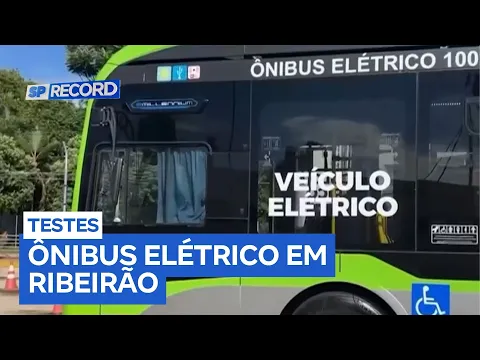
The proposal foresees substantial investments in the purchase of modern vehicles — including electric buses, which are quieter and emit fewer pollutants — and in the adoption of technologies aimed at operational agility.
The goal, according to Edmundo Pinheiro, is to provide citizens with a service that offers more comfort, safety, and reliability, capable of competing equally with individual alternatives.
Fleet renewal is one of the key pillars of the plan, but it faces significant financial hurdles.
A new diesel bus costs around R$ 800,000, while the electric model can exceed R$ 2.4 million.
In addition to the high cost, the infrastructure for charging electric vehicles is still limited, especially in large cities, where the demand for energy is growing.
São Paulo, which leads the process of electrification of public transport, has faced difficulties in ensuring sufficient energy supply in garages.
Public Investments and Subsidies
To make modernization possible, the sector is seeking increased investments from municipal, state, and federal governments.
Among the alternatives, the double remuneration model stands out, already adopted in São Paulo: the passenger pays an affordable fare, while the government complements the companies’ revenue to cover the system’s real costs.
In 2024, the city of São Paulo allocated R$ 6.7 billion in subsidies for collective transport.
Other cities, however, still rely exclusively on revenue collected at turnstiles, which generates financial insecurity and limits the capacity to invest.
The economic instability of concession contracts also restricts companies’ access to credit lines, hindering the utilization of federal programs such as the Growth Acceleration Program (PAC), which made R$ 8.4 billion available for fleet renewal, construction of exclusive corridors, and implementation of intelligent traffic management systems.
Success Examples: Brasília and Goiânia
Among the cities that have achieved remarkable advancements, Brasília and Goiânia stand out.
The Federal District reached, in 2025, a rate of 108% in passenger volume compared to the pre-pandemic period.
More than 1.1 million people use a fleet whose average age does not exceed 2.1 years, reflecting continuous investments and a policy to freeze fares for users, maintained between R$ 2.70 and R$ 5.50 since 2020.
The local government allocated R$ 914 million in subsidies last year, which corresponded to 74% of the operational costs of the system.
Goiânia also invested in fleet modernization, renewing 1,200 buses, refurbishing 7,000 bus stops, and adopting systems that prioritize collectives at traffic lights, bringing the service closer to the concept of “metroization.”
Mayor Sandro Mabel argues that quick, coordinated interventions sustained by different levels of government are essential to ensure efficiency and quality in public transportation.
The Future of Collective Transport
The future of collective transport in Brazil will largely depend on the ability of governments and companies to articulate integrated policies and continuous investments that make the system more attractive in the face of multiple existing mobility options.
Given this new scenario, is collective public transport prepared to regain prominence in Brazilian cities? Can the return of buses really be the answer to the urban challenges of the 21st century?



Their lab testing is structured to mirror anomaly detection techniques used in deep-space signal monitoring.