





 Portuguese
  English
  Spanish
  4 min of reading
  0 comments


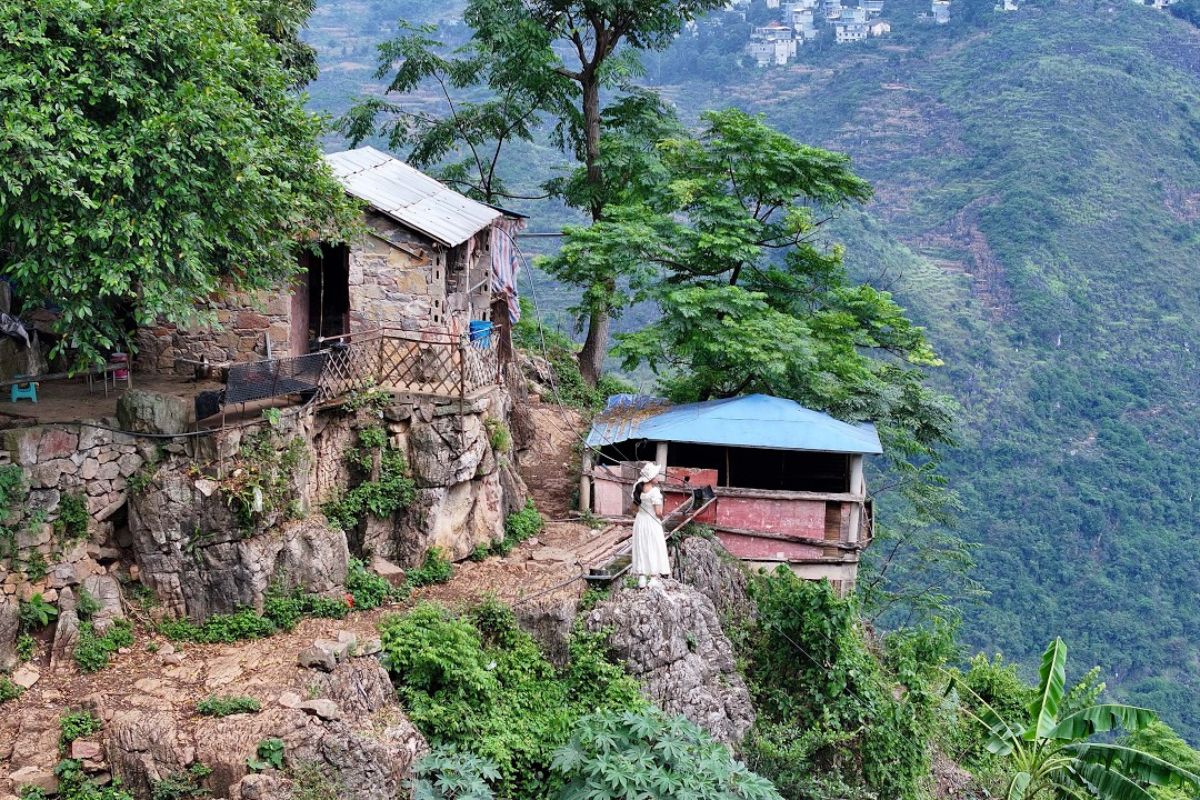
Born in 1989, a man lives alone in the mountains of Anlong County, at the junction of Guizhou and Guangxi, produces wine and corn, uses a stone mill, and relies on a cell phone with data to access the internet while maintaining an extensive sheep farming operation on the edge of a cliff
Born in 1989, the man who lives alone in the mountains currently keeps approximately 156 sheep in sheds built near cliffs deep in Anlong County, Guizhou. His routine combines traditional practices such as the use of a stone mill and homemade wine production with minimal modern resources, like mobile data on his cell phone for communication and entertainment.
The logistics of the location are severe: rugged mountain roads and steep stretches make access difficult and limit the frequency of resupply. The combination of isolation and basic technological adaptation explains how life there is sustained, balancing daily herding, food storage, and maintenance of suspended shelters over the valley.
Location and Access
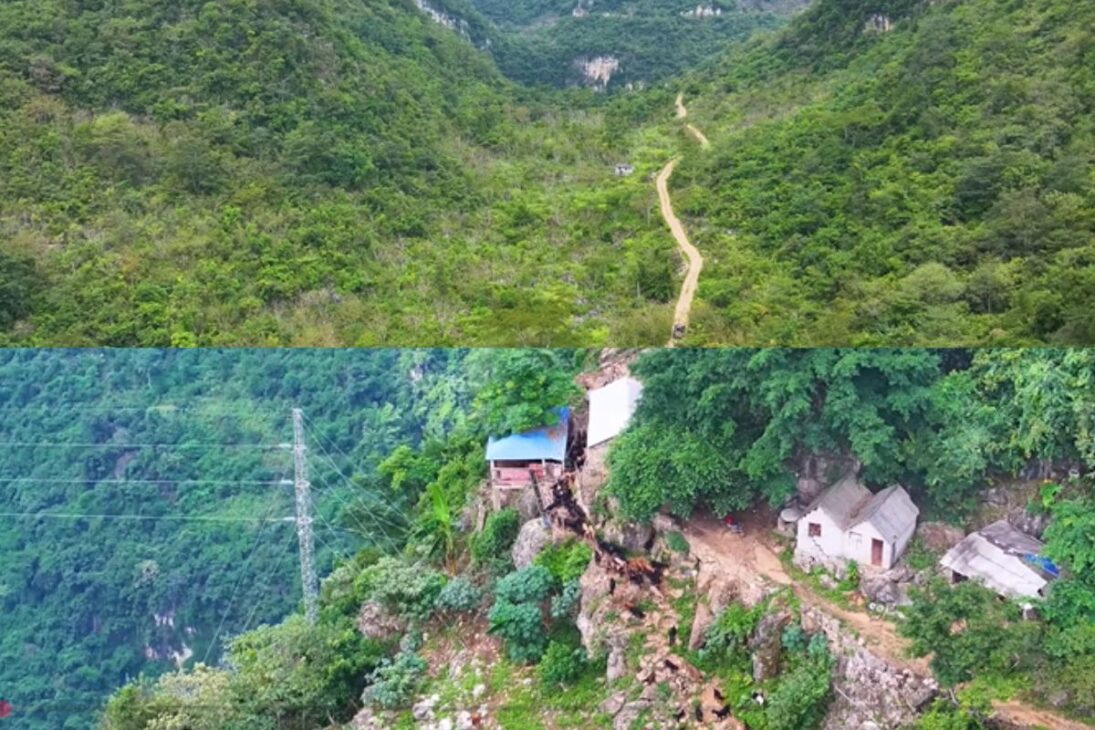
The property and grazing fields are located deep in the mountains of Anlong County, in an area that transitions between Guizhou and Guangxi.
-
The narrowest house in the world is only 63 centimeters wide, but inside it can accommodate a bathroom, kitchen, bedroom, office, and even two staircases.

-
In the middle of the sea, these enormous concrete and steel structures, built by the British Navy to protect strategic maritime routes, look like they came straight out of a Star Wars movie.

-
For years, no one could cross a neighborhood in Tokyo because of the tracks, but an impressive solution changed mobility and completely transformed the local routine.

-
With 15 floors, an unusual building in Curitiba uses concrete, pilasters, and exposed roofs to create the effect of stacked houses.


Access requires traveling on dirt roads and steep stretches; a small connection of three to four kilometers can take half an hour by trail.
The geographic isolation shapes the entire organization of the property: resupply, trips for healthcare services, and transporting products depend on prior planning and the seasonal availability of routes.
During rainy seasons, the difficulty increases, raising logistical risks and the need for local stockpiling.
Structure of Housing and Safety at the Cliff Edge
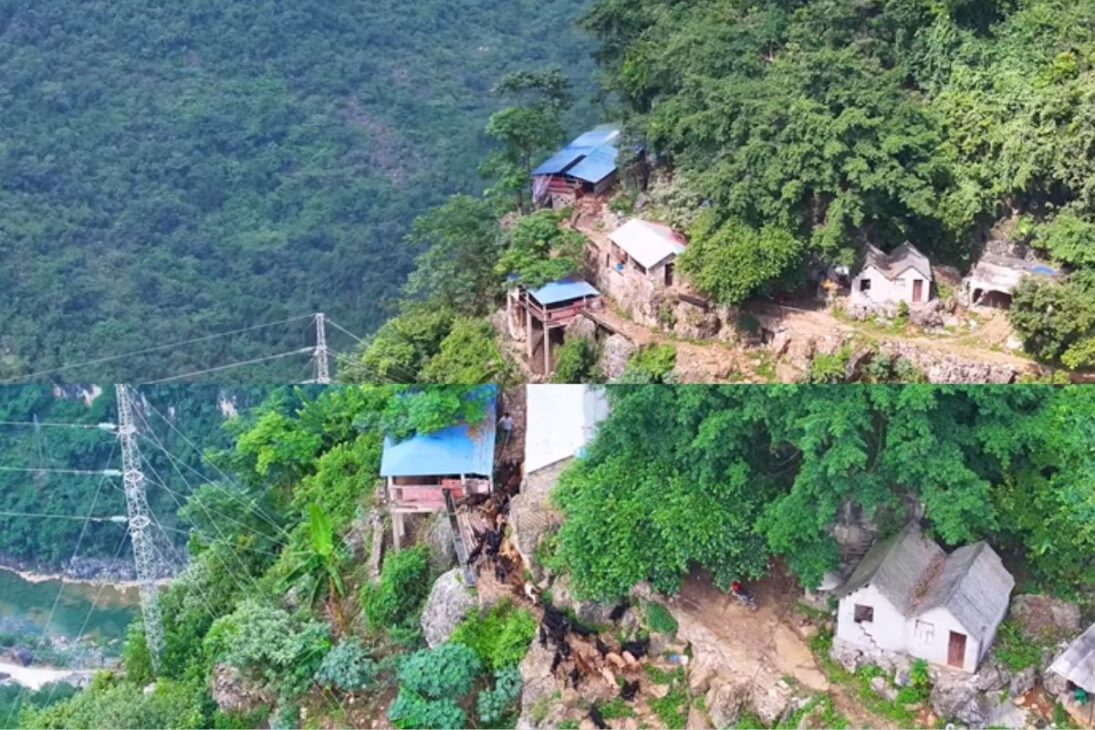
The houses and shelters were built with local materials, predominantly stone, and some shelters are literally on pillars floating over the cliff.
This structural solution prioritizes ventilation and utilization of the steep terrain, relevant factors for the health of the herd.
Despite their precarious appearance, these sheds are adapted to the topography and extensive management; still, the position next to the cliff exposes the design to geological risks and makes rapid interventions in case of emergency difficult. Regular maintenance of foundations and pillars is crucial to avoid collapses.
Routine of Sheep Farming and Management
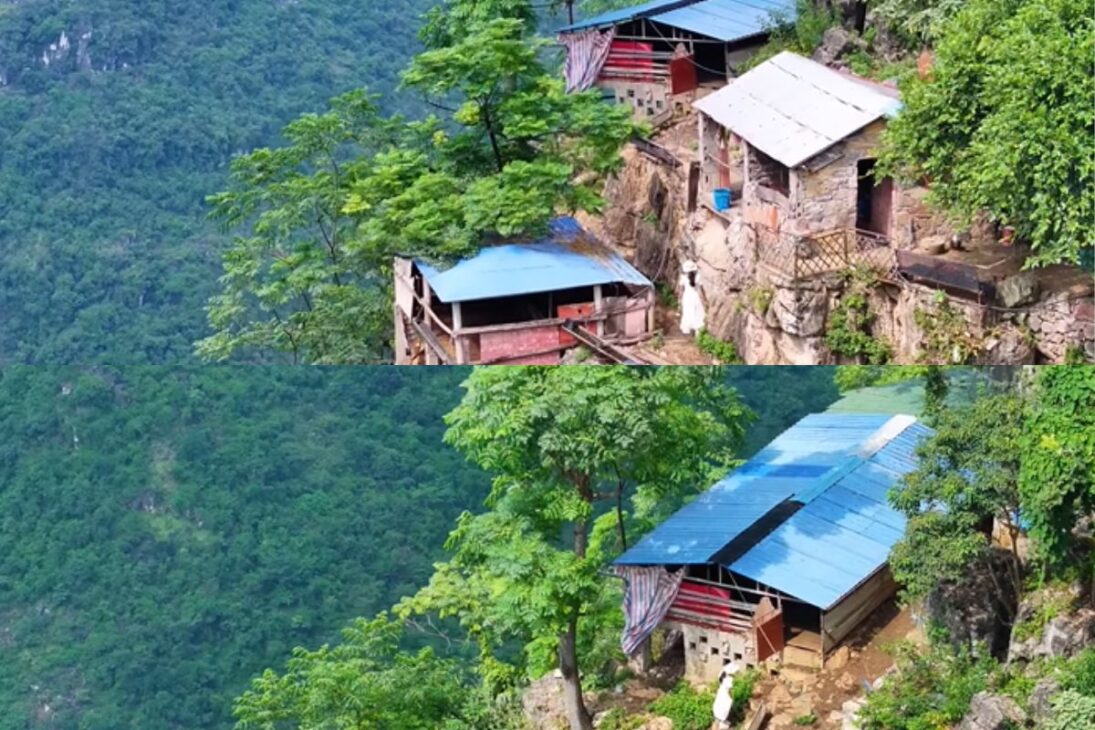
Herding is carried out daily, with departures in the morning and returns in the evening, a practice that allows the farmer to monitor the health and behavior of the herd.
Currently, around 156 sheep are cited, a number that requires organizing pastures, providing water, and basic sanitary control.
The separation of sick animals and daily surveillance are measures taken to prevent outbreaks; there are records of isolated animals when necessary, a procedure that reduces the risk of contagion.
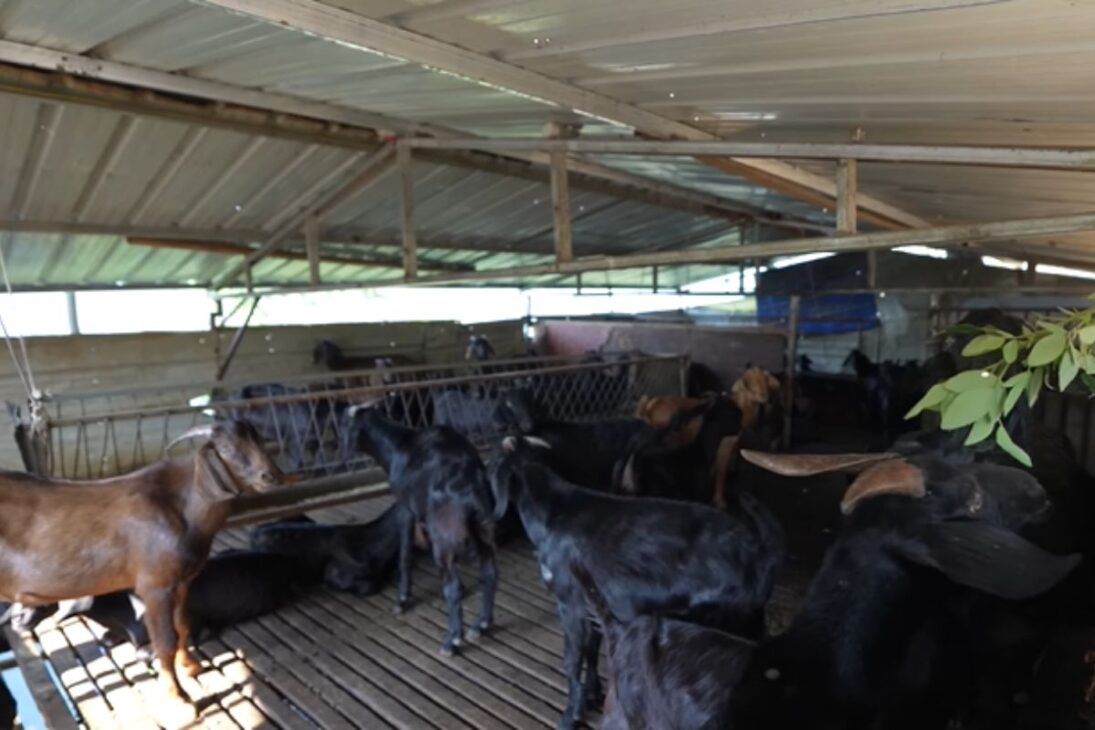
The management is essentially manual and requires intense physical effort, especially on steep terrain.
Food Production and Domestic Economy
Subsistence combines food purchased in the village with local production: the farmer cooks corn, uses a stone mill, and produces wine on a small scale.
These elements ensure part of self-consumption and reduce dependence on external supplies.
The predominant supply still comes from nearby streets and villages in periodic trips; the economic life there is a mixture of practical self-sufficiency and occasional exchanges with external markets.
The lack of seeds and structured agricultural inputs limits more intensive cultivation practices.
Use of Technology and Connectivity
Although the area is remote, the cell phone with mobile data provides basic connectivity for the farmer to access videos and sporadic communication with visitors or family members.
This resource is mainly used for entertainment and sporadic checking of information, not replacing more robust communication infrastructure.
The presence of mobile data subtly alters the dynamics of isolation: it allows access to news, contact with potential buyers, and entertainment to cope with idle time.
Still, connectivity is precarious and often limited to the traffic volume available on the plan.
Risks, Adaptability and Sustainability
The situation presented combines natural and human challenges: geological risks, logistics difficulties, and limitations in accessing medical and veterinary services.
The durability of the activity depends on the farmer’s ability to maintain structures, manage health emergencies, and ensure periodic supply of inputs.
At the same time, the long stay in the location demonstrates a high degree of adaptability: local constructive solutions, traditional management, and selective use of technology configure an efficient survival strategy for a context of isolation.
The continuity of the project also depends on the availability of labor and the interest of future generations in continuing rural activities in such remote environments.
Social Dimension and Demographic Implications
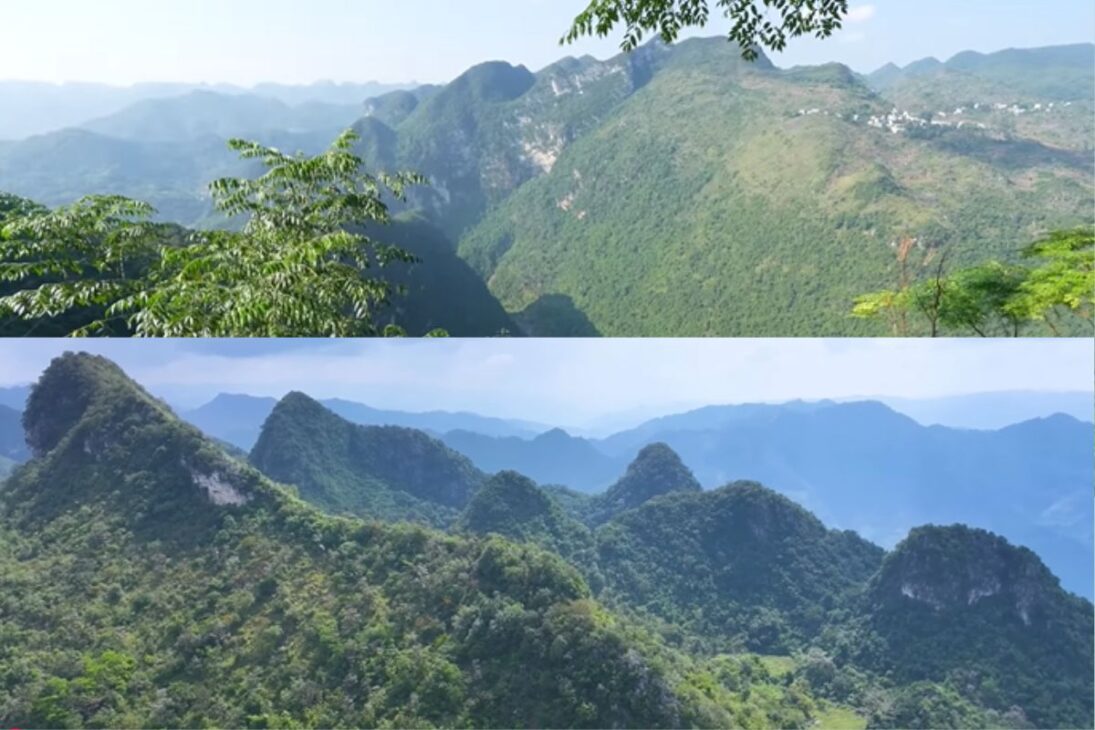
Living alone in the mountains places the farmer in a reality distant from urban trends that attract most young people.
His trajectory, born in 1989, illustrates a choice or a circumstance of rural permanence that contrasts with migration to urban centers.
This condition reveals tensions between tradition and modernity: the subsistence methods preserve local knowledge, while minimal connectivity brings the resident closer to contemporary references.
The demographic viability of the area will depend on local policies, access to services, and the willingness of new generations to continue rural activities in such remote environments.
The life of someone who lives alone in the mountains of Anlong County combines courage, traditional skills, and basic technological adaptations to maintain an extensive herd in dangerous terrain.
The experience shows how century-old practices can coexist with the sporadic use of mobile data and small appliances, forming a resilient yet vulnerable way of life.
Do you think that public support measures or community initiatives could make this way of life safer and more sustainable without destroying its autonomy?







-

Uma pessoa reagiu a isso.