





 English
  Francês
  Alemão
  Italiano
  Japonês
  Norueguês
  Portuguese
  Spanish
  3 min of reading


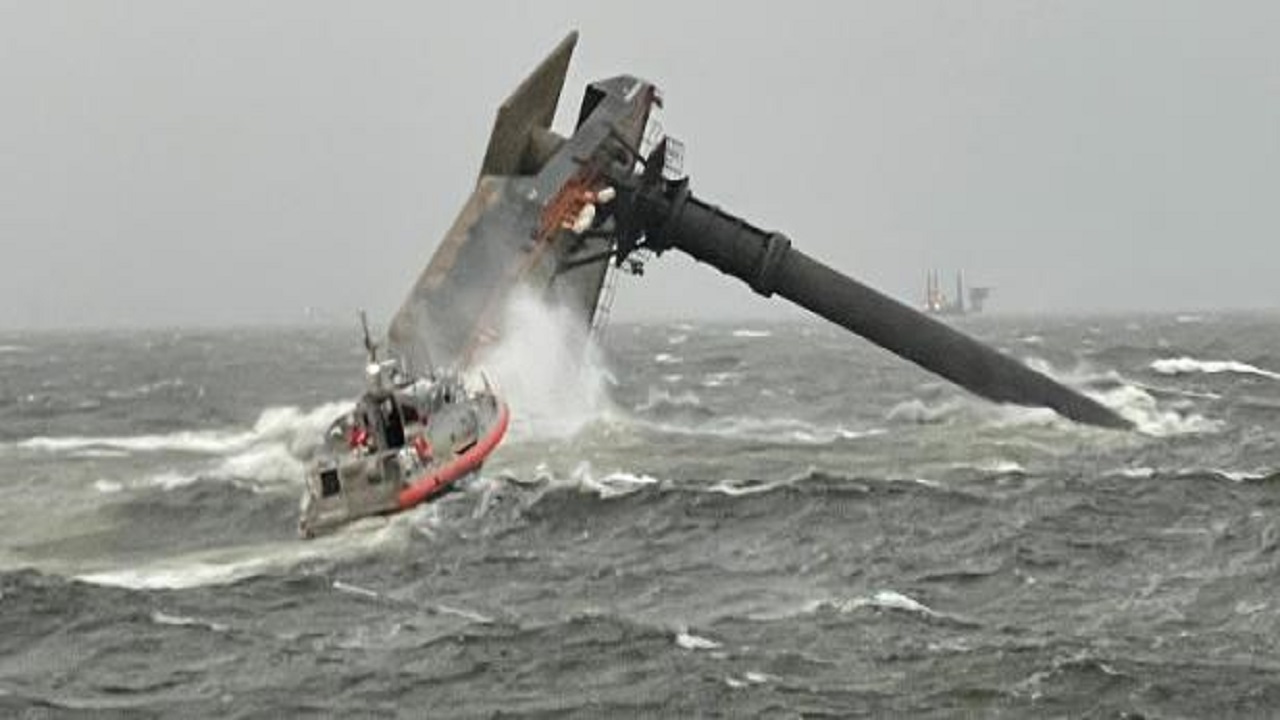
Ship With About 39 Meters Sinks With 18 Crew Members in the Gulf of Mexico, Six of Them Were Rescued and Other 12 Are Still Missing
After a ship with 18 crew members sank during a storm on Tuesday afternoon (13) in the Gulf of Mexico, six crew members were rescued and another 12 crew members from the vessel remain missing.
Read Also
At around 4:30 PM, the emergency notification was responded to by the U.S. Coast Guard via radio. According to the incident report, several other nearby crews picked up the distress message and went to the ship’s location to assist the shipwrecked.
Rescues of the Crew Members on the Ship
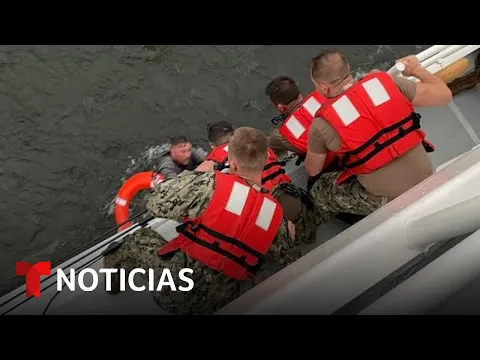

The supportive crews rescued four people from the water. Two Coast Guard ships also entered the rescue and saved two crew members each. Since the rescue of six of the 18 crew members, the Coast Guard vessels have been supported by four civilian ships to locate the remaining missing persons. Additionally, the rescue team has been using seaplanes for better visibility of crew members who have not yet been rescued and who may possibly be trapped under the ship.
-
New shoe factory in Ceará is expected to create 400 jobs and strengthen the local economy.
-
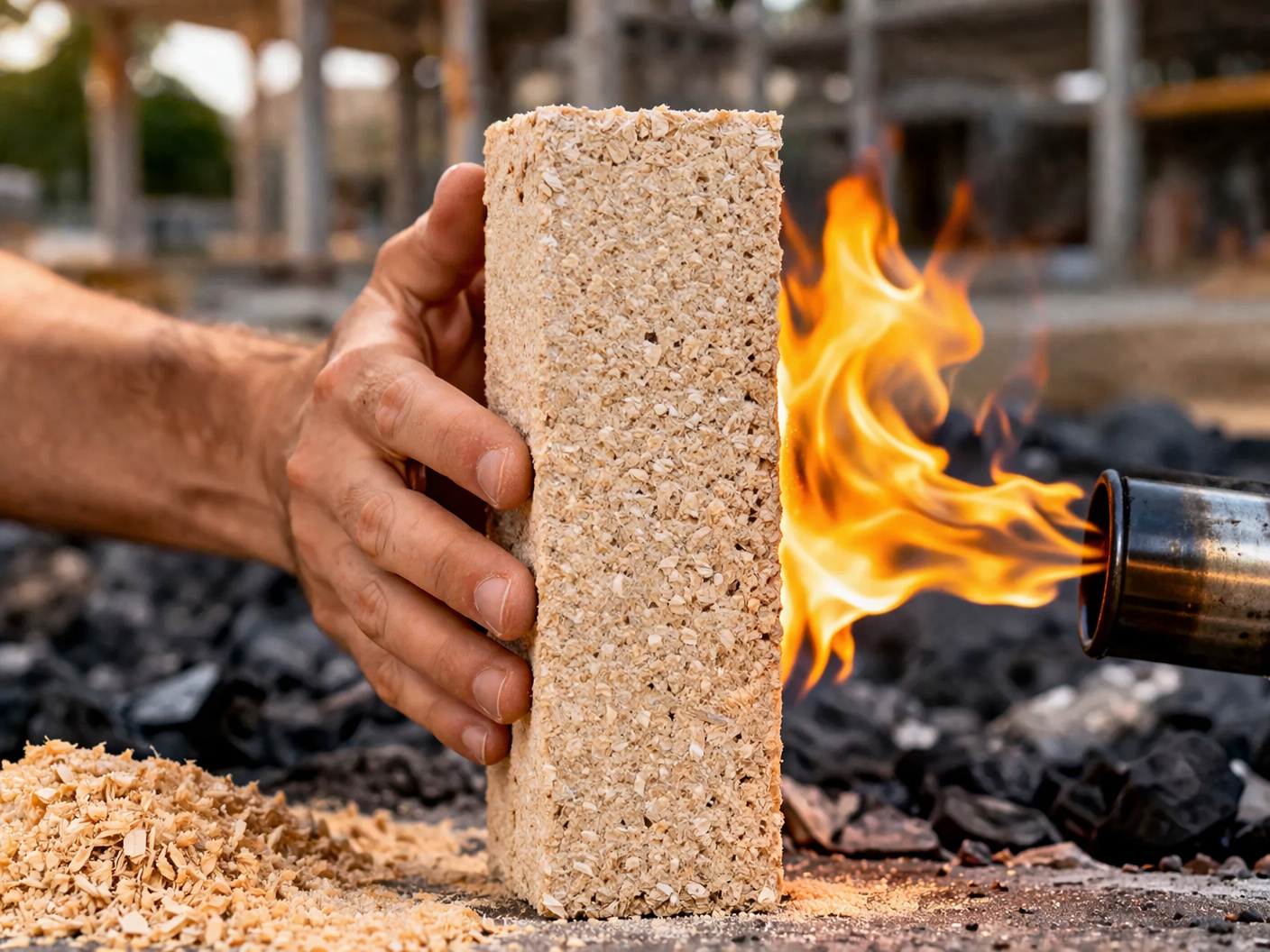
No one imagined it, but a mixture of sawdust with a mineral that fights fires surprises scientists with a result that changes the course of fire-resistant construction.
-
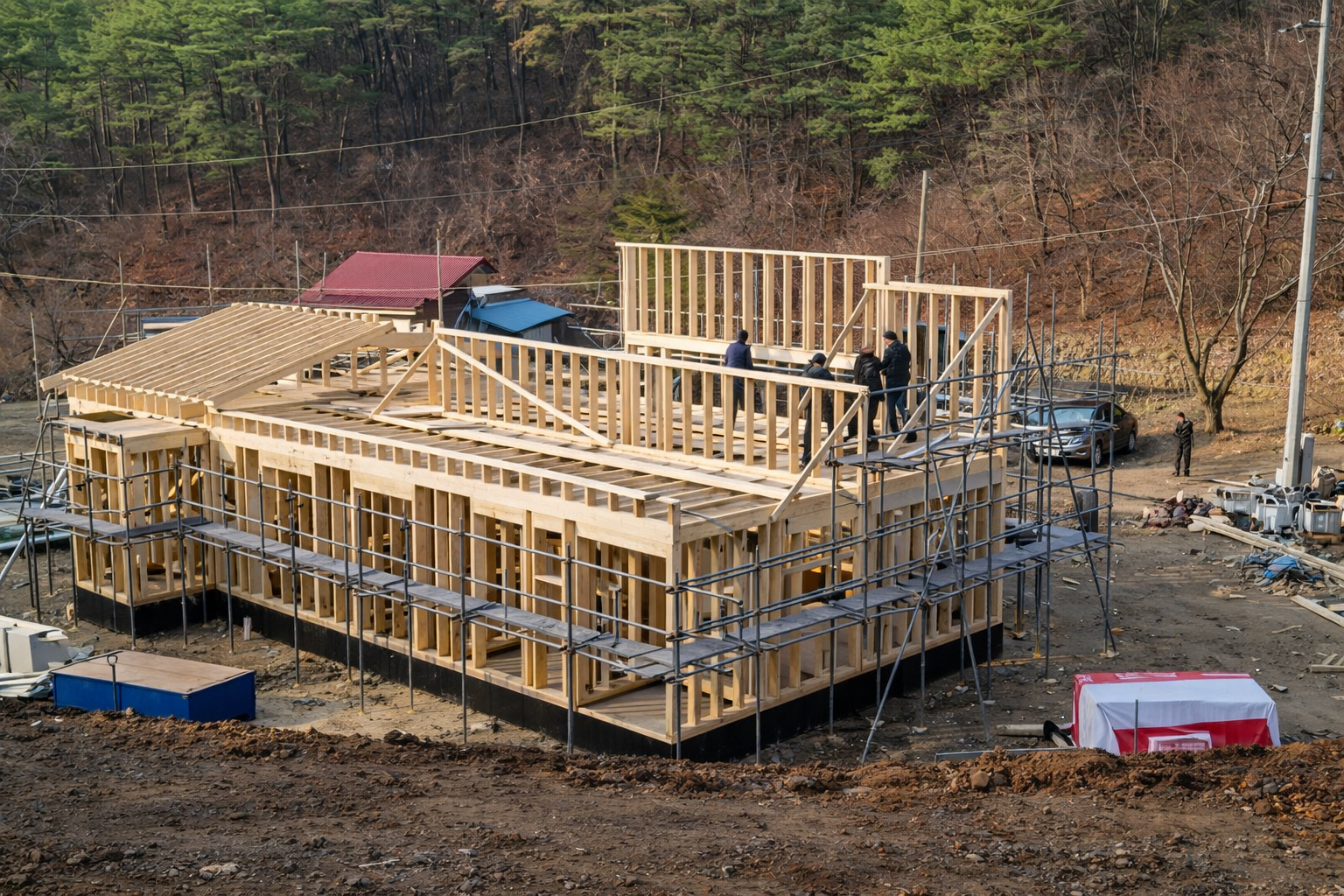
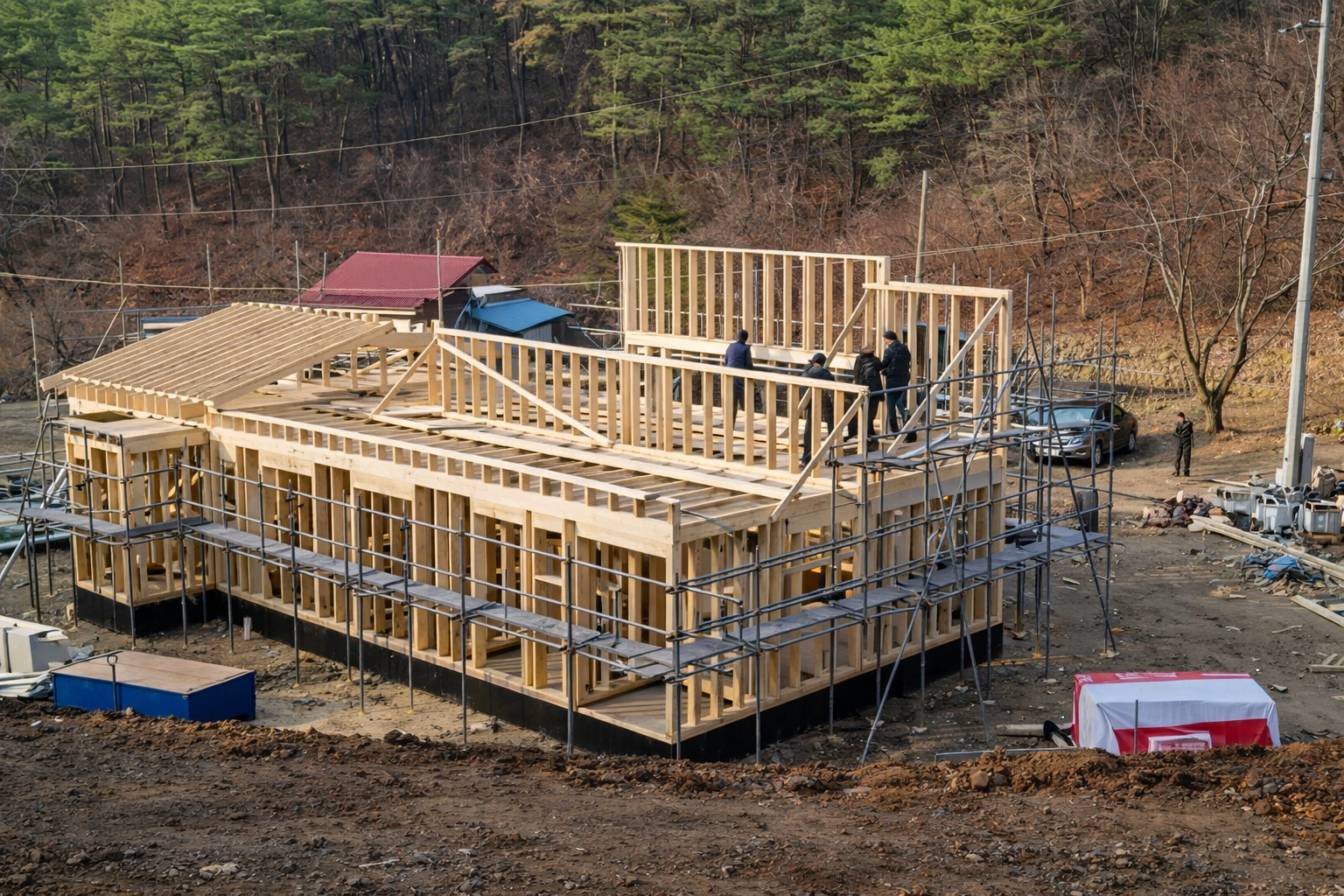
From empty land to a high-end house, wooden construction uses a lightweight system, metal structure for the foundation, ventilated ceramic cladding, and special windows to create an efficient and comfortable living space throughout the year.
-
From vacant land to a high-end house, wooden construction uses a lightweight system, a metal structure for support, ventilated ceramic cladding, and special windows to create an efficient and comfortable living space throughout the year.

The head of the New Orleans area of the National Weather Service, Benjamin Schott, told NBC News that the incident occurred due to a phenomenon known as “Wake Low,” which occurs when there is a reduction of warm air in the atmosphere, causing winds of 112 to 128 km/h, leaving the sea choppy.
Gulf of Mexico
The shallow regions of the continental shelf of the Gulf of Mexico contain large deposits of oil and natural gas. These deposits have been extensively developed since 1940 and provide a substantial proportion of the domestic needs in the United States.
Offshore wells have been drilled mainly in the waters off the Texas and Louisiana and off the coast of Mexico in the Bay of Campeche.
Families Await News of the Other Crew Members
The families are anxiously awaiting news of the 12 crew members who are still missing from the oil industry ship that capsized on Thursday, as divers searching for survivors tapped on the hull of the ship without response.
The rescue teams do not know if any of the missing may be trapped inside the lift boat called Seacor Power, which capsized on Tuesday with hurricane-force winds and rough seas about 13 kilometers off the coast of Louisiana.
“There is the potential that they may still be there, but we don’t know,” said Second Class Petty Officer Jonathan Lally on Thursday. “We are still searching for 12 people because 12 are still missing.”
The Coast Guard said that divers were able to conduct operations on Thursday but heard nothing when they tapped on the hull of the ship. The Coast Guard stated that dive operations were completed and would resume on Friday. They will continue searching overnight by air and sea.
Crew Members’ Families Help With the Search
A handful of relatives of missing workers gathered at a two-story fire station in Port Fourchon, a major port where much of the industry serving oil platforms in the Gulf of Mexico is based.
Workers from across Louisiana and other parts of the country arrive at the port to board the fleet of helicopters and ships that take them to offshore oil platforms for long stretches of work. The flat landscape is punctuated by cranes, where cargo can be loaded or unloaded, and docks or hangars to make repairs.
At a nearby port, shrimp fishing boats were docked and fishing camps were built on stilts to protect them from storms.





Seja o primeiro a reagir!