





 Portuguese
  English
  Spanish
  3 min of reading
  0 comments


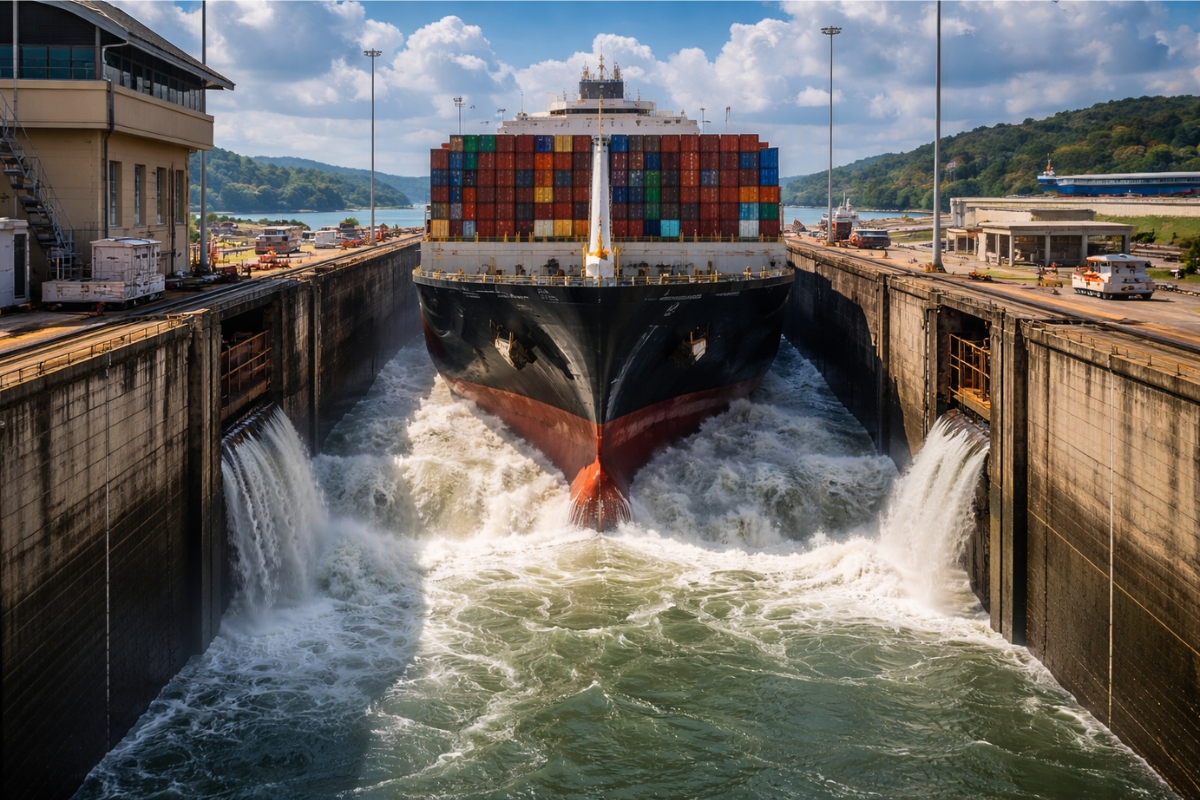
The Mechanism That Connects The Atlantic To The Pacific Depends On Artificial Lakes, Gravity, And Large Volumes Of Freshwater, Making The Canal Sensitive To Droughts
The Panama Canal is one of the most strategic infrastructures in global trade and allows the passage of ships between the Atlantic Ocean and the Pacific Ocean through a lock system.
Each complete passage consumes, on average, about 200 million liters of freshwater, a volume released from the reservoirs that supply the canal and that does not return to the system after use.
What Happened And Why It Got Noticed
In recent years, reduced rainfall has affected the levels of the lakes that supply the canal, primarily the Gatun Lake, responsible for a large part of the water used in the locks.
-
Created by George Lucas with over $1 billion, a futuristic museum in the shape of a spaceship with 1,500 curved panels is about to open in Los Angeles and will house one of the largest private collections of narrative art in the world.

-
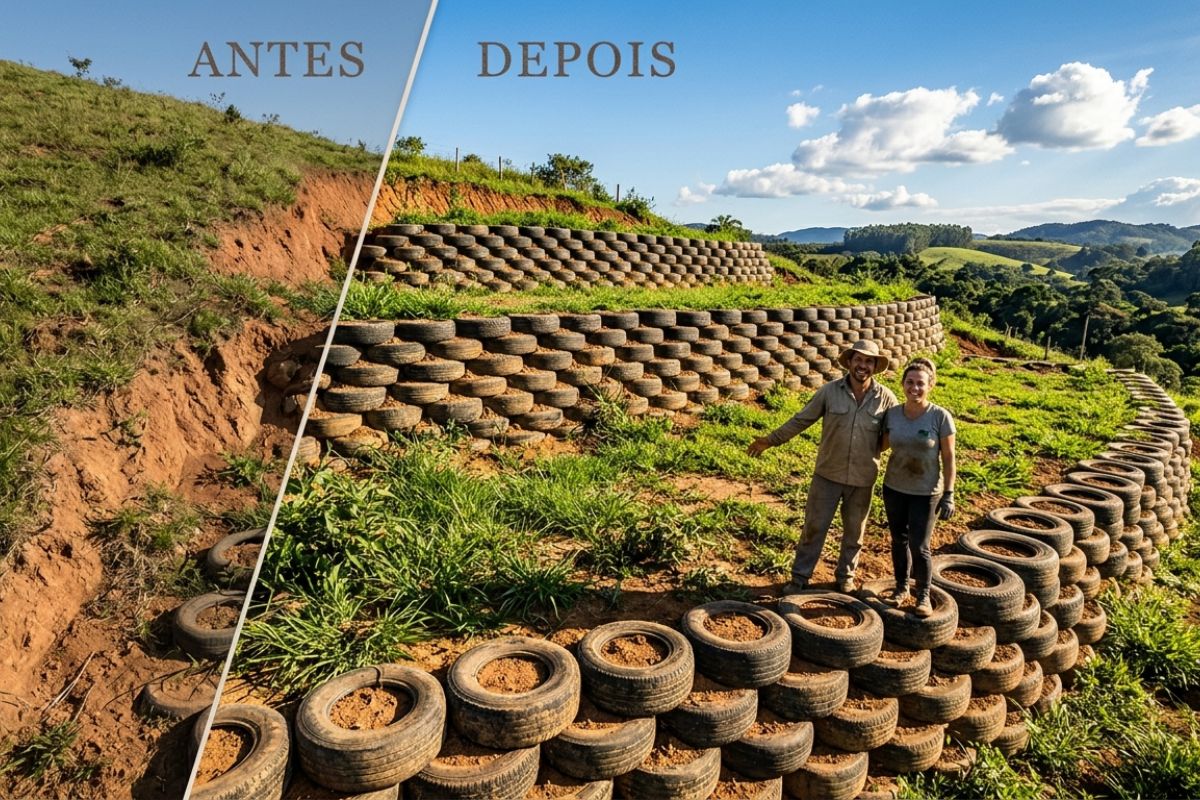
Couple shows how they built a retaining wall on their property using 400 old tires: sloped land turned into plateaus, tires are aligned, filled, and compacted with layers of soil, with grass helping in support and at almost zero cost.
-
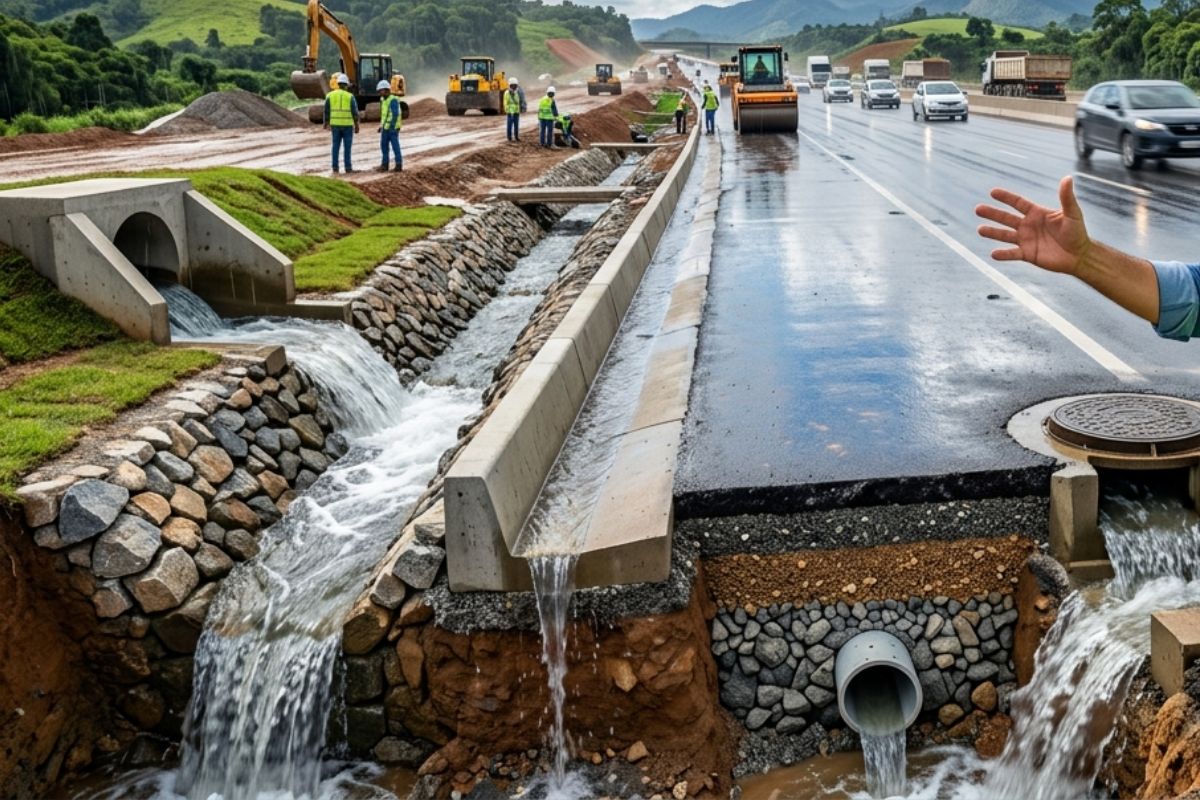
Engineer explains drainage during the rainy season: the difference between surface water and deep water, ditches, gutters, and water outlets on the road, as well as drains and drainage mattresses, to prevent erosion, aquaplaning, and flooding at the construction site today.
-
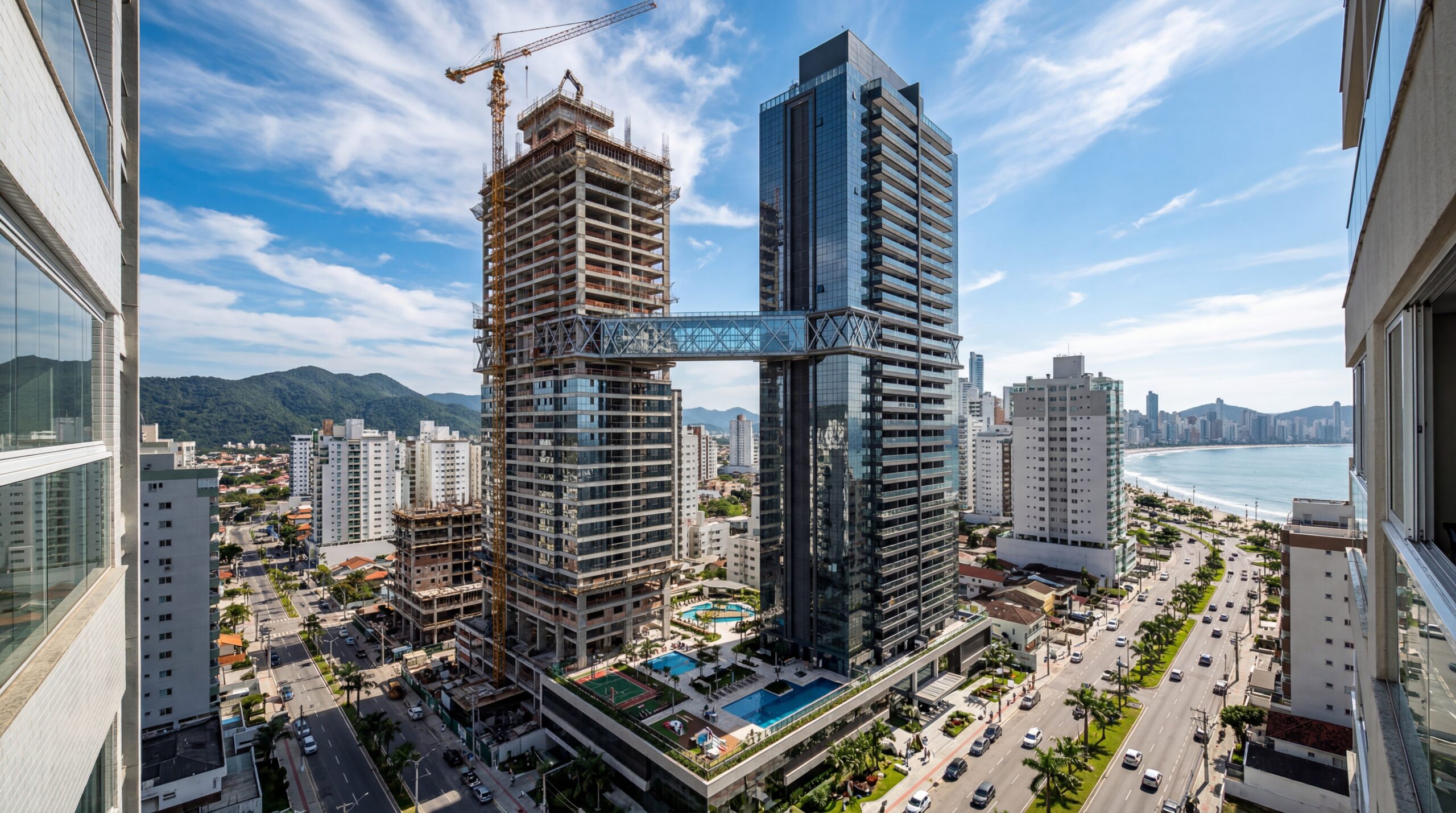
With 55 floors, 177 meters in height, a 15-meter walkway between the twin towers, ventilated facade, and 6,300 m² of leisure space, Ápice Towers already has one tower completed and another nearly at the top.

With lower levels, the number of daily passages had to be reduced, directly impacting trade routes, logistical deadlines, and costs of international maritime transport.

How The Lock System Works In Practice
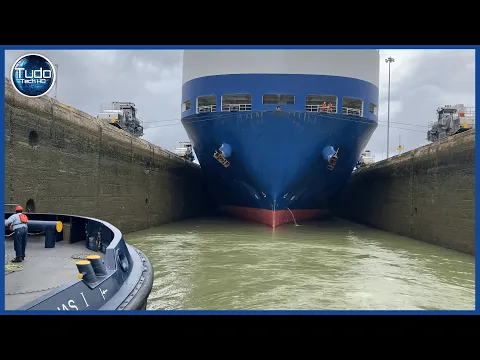
The canal uses sets of stair-step locks, which function as concrete chambers with giant metal doors.
Each chamber is approximately 33 meters wide, 305 meters long, and allows ships to be raised or lowered in stages up to about 26 meters above sea level, a height corresponding to Gatun Lake.
The movement occurs only with the control of the flow of water, which enters or exits the chambers by gravity, with no use of pumps.
Why The Canal Depends On Freshwater And Not Seawater
The system was designed to operate with freshwater stored in artificial lakes, formed by dams built early in the 20th century.
Seawater is not used because the operation depends on elevated reservoirs, something unfeasible with saltwater due to corrosion, environmental impact, and the need for precise control of water levels in the chambers.
The Impact Of Water Consumption On Maritime Traffic
The water released in the locks flows toward the oceans and is not reused in the older structures of the canal.
This means that drought periods directly reduce operational capacity. In critical situations, the canal limits the number of ships per day and imposes draft restrictions, forcing vessels to carry less cargo to cross.

What Changes With The More Modern Locks
The locks inaugurated with the canal’s expansion incorporated water reuse basins, capable of reusing up to 60% of the volume used in each passage.
This system significantly reduces total consumption and has become one of the main strategies to maintain operation even in scenarios of lower water availability.
The lock system of the Panama Canal combines large-scale engineering, gravity, and water management, allowing ships to cross two oceans without the need for pumping.
The high consumption of freshwater explains why the canal has become vulnerable to drought periods and emphasizes the importance of technical solutions to ensure the continuity of one of the most important routes in global trade.









-

-

3 pessoas reagiram a isso.