





 Portuguese
  English
  Spanish
  4 min of reading
  0 comments


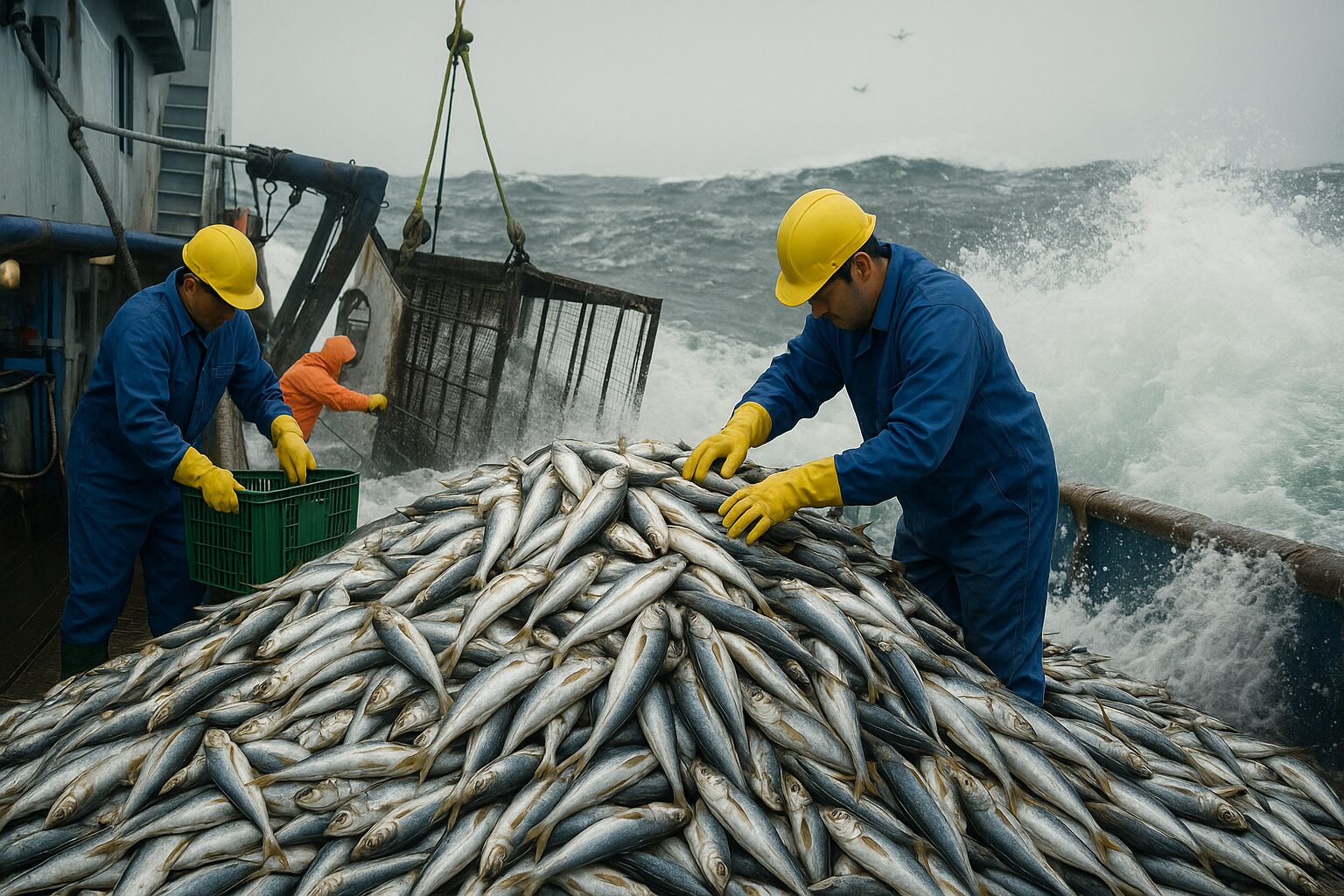
Giants of the Seas, Factory Ships Process Tons of Fish Without Leaving the Ocean. Understand How These Floating Industries Operate to Turn Fishing into a Continuous Operation at Sea.
In the open sea, far from any port, large vessels operate as true floating industrial units. Known as factory ships, these giants of the maritime industry play a central role in the international fishing chain by processing, packaging, and preserving fish during the ocean journey. Equipped with complete production lines, these ships allow tons of fish to be captured, processed, and stored without the vessel needing to return to shore.
The operations of these ships are essential in remote areas, such as the Antarctic Ocean, the North Pacific, and exclusive economic zones in open waters. This model reduces operational costs, increases fleet autonomy, and enhances the competitiveness of the global fishing industry.
What Are Factory Ships
A factory ship is a vessel designed to perform the complete processing of fish directly at sea, from filleting and cleaning to freezing and packaging. Unlike conventional fishing boats, which need to unload their catch on land, these vessels concentrate all stages of production on board.
-
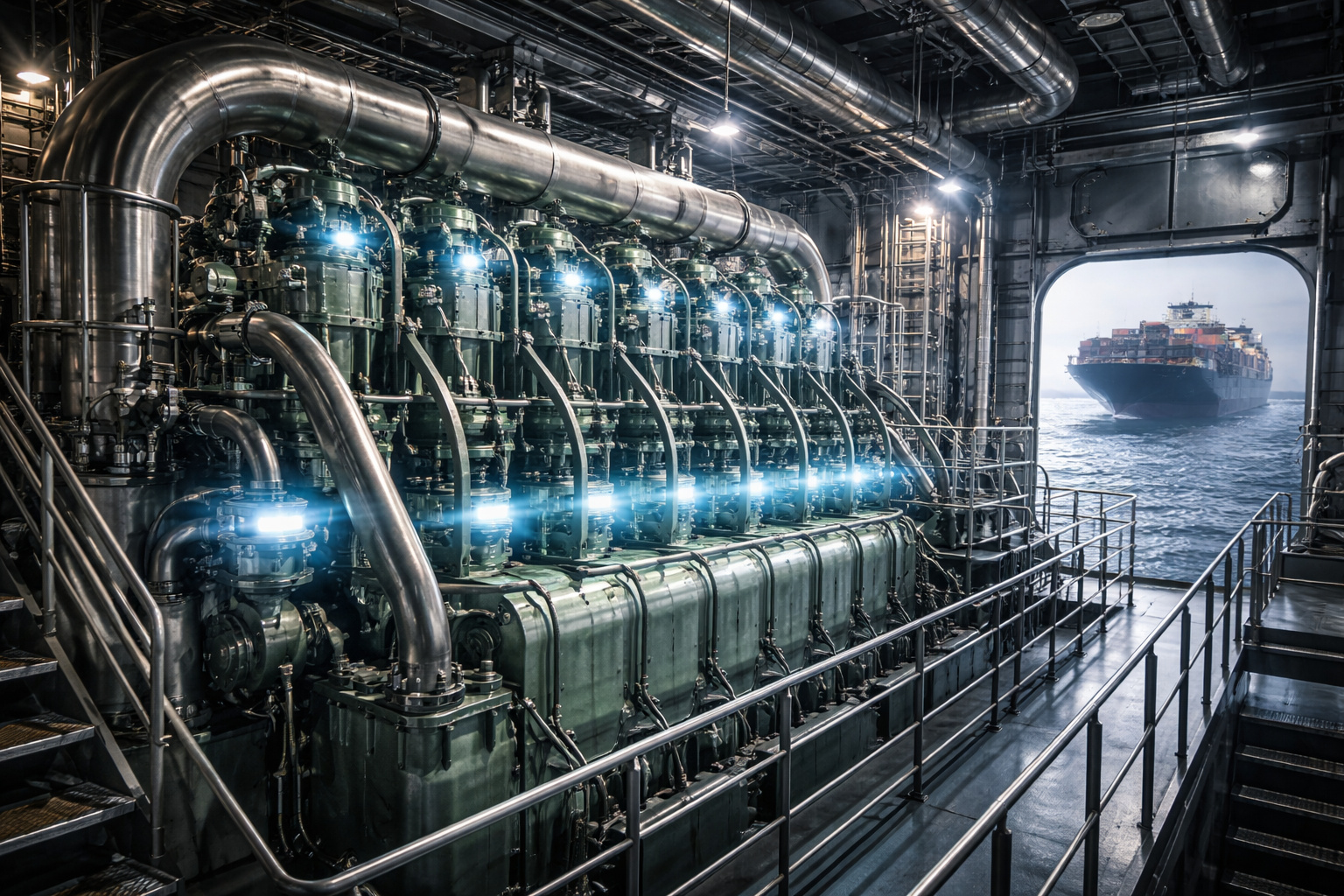
Europe is trying to create an ammonia-powered marine engine without auxiliary fuel, which could unlock the race for giant emission-free ships. The technology aims to eliminate one of the biggest obstacles to clean maritime propulsion.
-
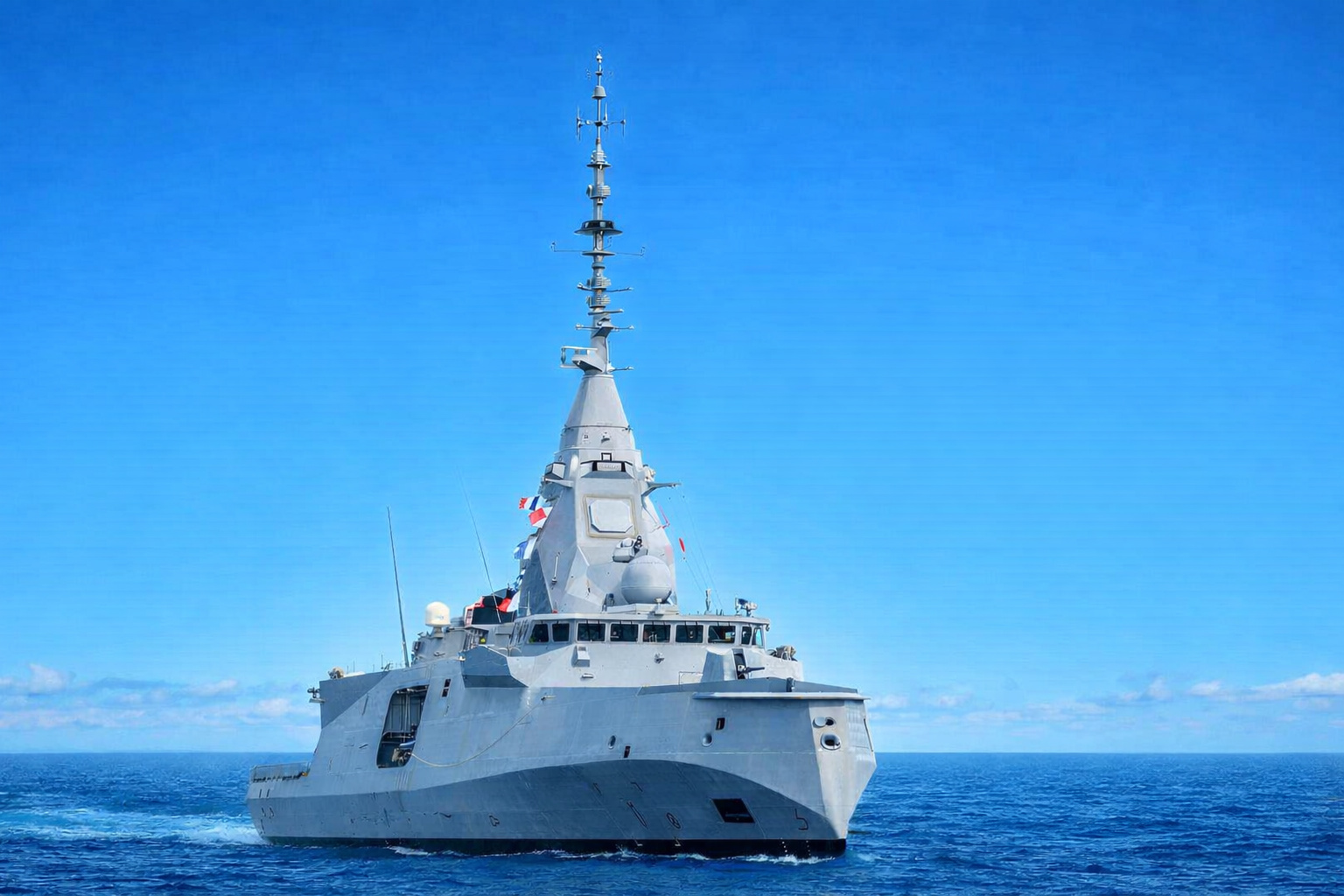
A 4,500-ton frigate with just over 100 crew members, state-of-the-art radar, and cruise missiles is being touted as the new standard of naval warfare in the 21st century.
-
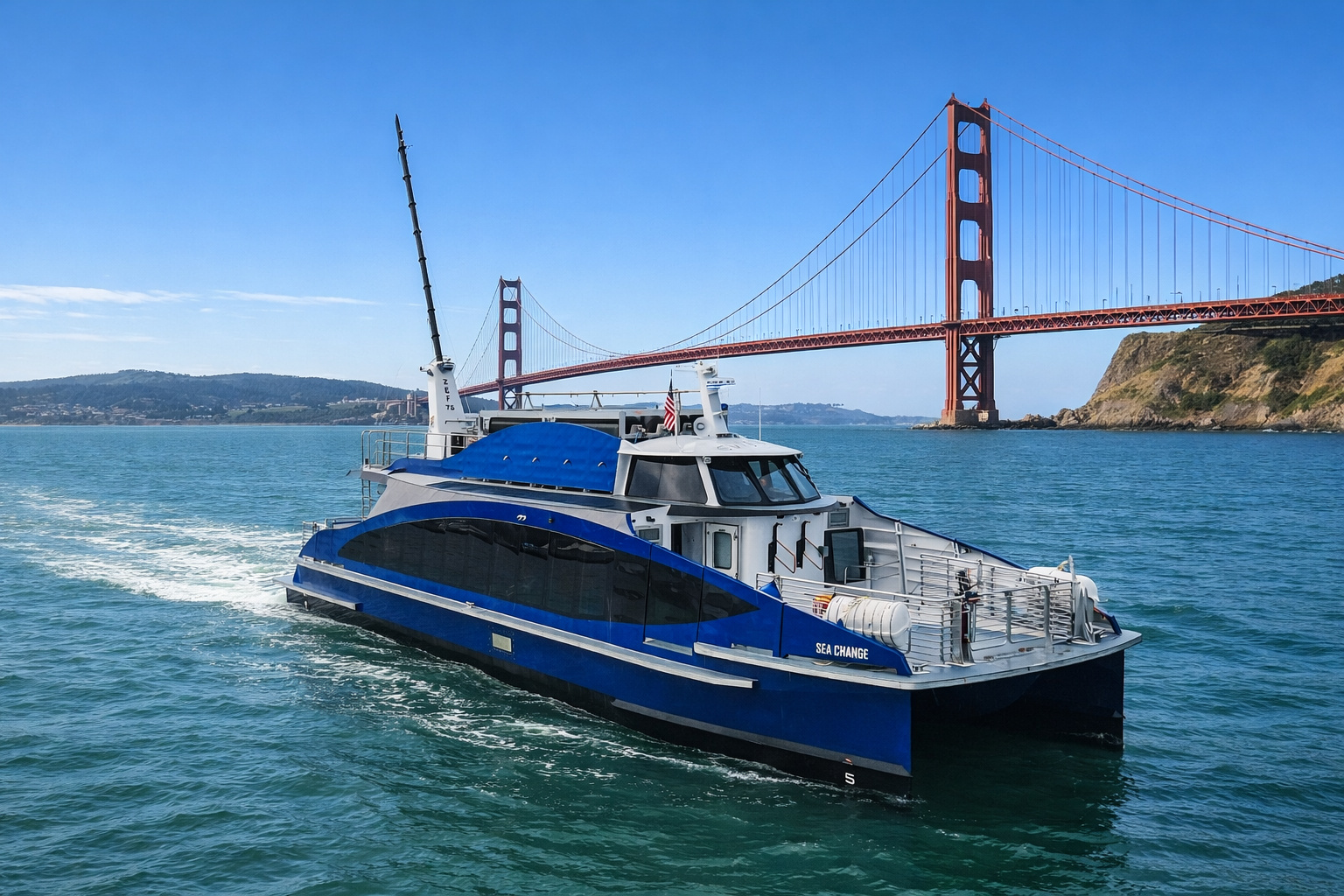
The first commercial hydrogen-powered ferry enters operation in the U.S., eliminates the use of diesel, uses fuel cells to generate clean energy on board, and transforms San Francisco Bay into a landmark of the new era of emission-free navigation.
-
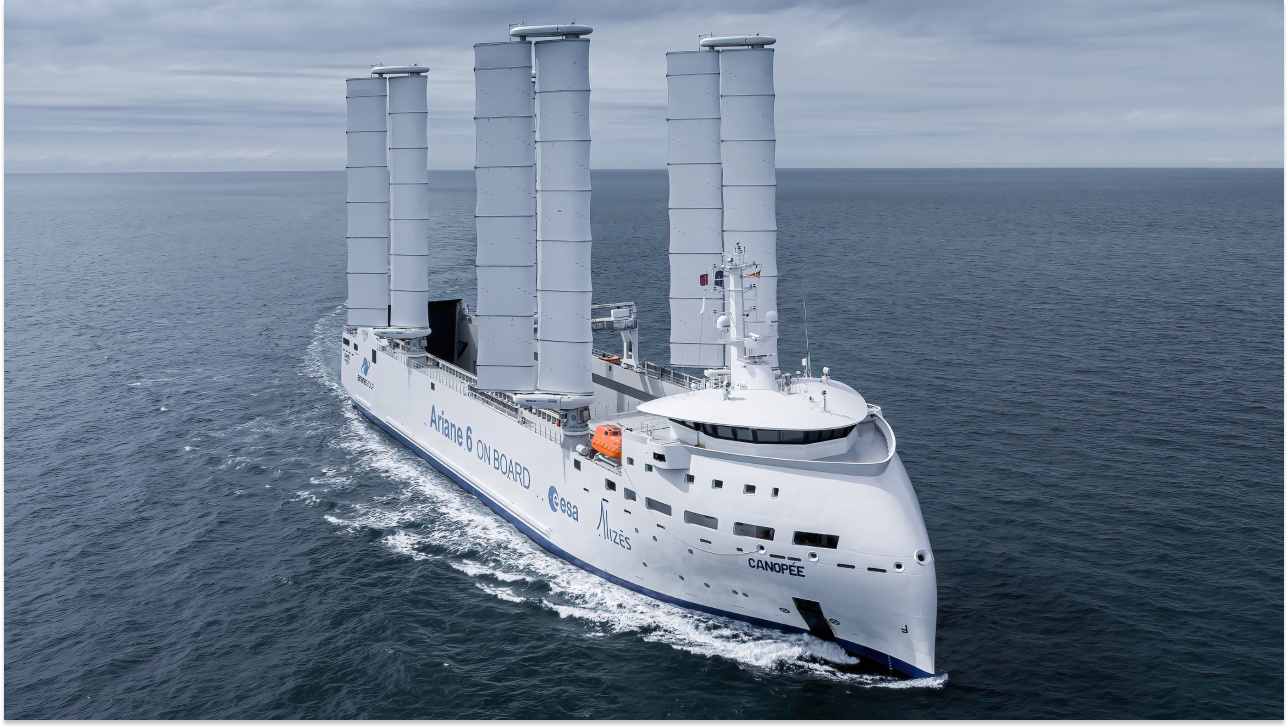
With a length of 121 meters and four rigid sails of 36 meters that automatically rotate to capture the wind, Canopée is the world’s first hybrid industrial cargo ship powered by wind, used to transport rockets and reduce fuel consumption by up to 30% on transoceanic routes.



Ships of this type are common in industrial fishing operations for species such as cod, hake, mackerel, herring, and krill. With the capability to remain at sea for weeks—or even months—they are true floating colossi, with infrastructure that includes sorting conveyors, cutting machines, refrigeration chambers, quick freezing tanks, and controlled atmosphere storage.
How Factory Ships Work
The routine inside a factory ship involves a production line that starts with the arrival of fish caught by auxiliary vessels (or by the vessel itself if it is autonomous). The fish is unloaded directly onto the deck and transported by conveyors to the processing area.
There, workers carry out cleaning, cutting, and sorting by species and sizes. Part of the process can be automated with machines that handle filleting and bone removal. The resulting material is sent for quick freezing or to refrigerated chambers. In some cases, byproducts such as fish oil and fish meal are produced.
The crew consists of sailors, machine operators, refrigeration technicians, onboard engineers, and maintenance personnel. The largest factory ships also have industrial kitchens, infirmaries, accommodations, laundries, and leisure areas to support long journeys at sea.
Advantages of the Industrial Model at Sea
The main advantage of factory ships is autonomy. By processing the fish immediately after capture, there is a reduction in loss, improvement in preservation, and gain in quality for the consumer market. This also makes operations more efficient, avoiding frequent returns to port to unload production.
Another advantage lies in logistics: the final product is already packaged and frozen, ready to be marketed or transported to distribution centers. This reduces the time between capture and the supermarket shelf.
From the perspective of the maritime industry, factory ships represent a strategic solution that combines technology, mobility, and economies of scale, while also reducing pressure on port infrastructure.
Sustainability and Regulatory Challenges
Despite the operational advantages, the operations of factory ships raise environmental concerns. The fact that they remain at sea for prolonged periods and operate on a large scale can contribute to overfishing, especially in poorly monitored regions.
To mitigate this risk, international organizations and governments impose specific rules, such as catch quotas, satellite tracking systems, and exclusion zones. Additionally, some fleets are required to operate with independent observers on board, who monitor compliance with environmental regulations.
Another important discussion involves the disposal of waste at sea. Vessels must comply with strict protocols regarding water treatment, disposal of organic waste, and use of low-sulfur fuels.
Example of International Operations
Countries such as Russia, Norway, Japan, China, and Chile maintain large fleets of factory ships, primarily to operate in cold waters where commercial species fishing is more abundant. In some cases, these vessels remain anchored in the open sea for weeks, receiving fish from smaller boats, functioning as sorting and conservation centers.
In regions such as the South Atlantic, the use of factory ships is also linked to krill fishing, used in the feed, cosmetics, and dietary supplement industries. The efficiency of these ships allows for exploration of remote areas without the need for infrastructure on solid ground.
Strategic Role in the Maritime Industry
The construction of factory ships requires specialized naval engineering. These vessels must comply with international health standards, incorporate modern processing systems, and withstand extreme weather conditions. Therefore, their manufacturing is considered a strategic part of the maritime industry in countries that invest in the blue economy.
Besides their fishing function, the factory ship model has already been adapted for other purposes, such as logistics support vessels, floating hospitals, and even decommissioning platforms at sea. This reinforces its importance as a versatile model within global maritime engineering.






Seja o primeiro a reagir!