





 Portuguese
  English
  Spanish
  5 min of reading
  0 comments


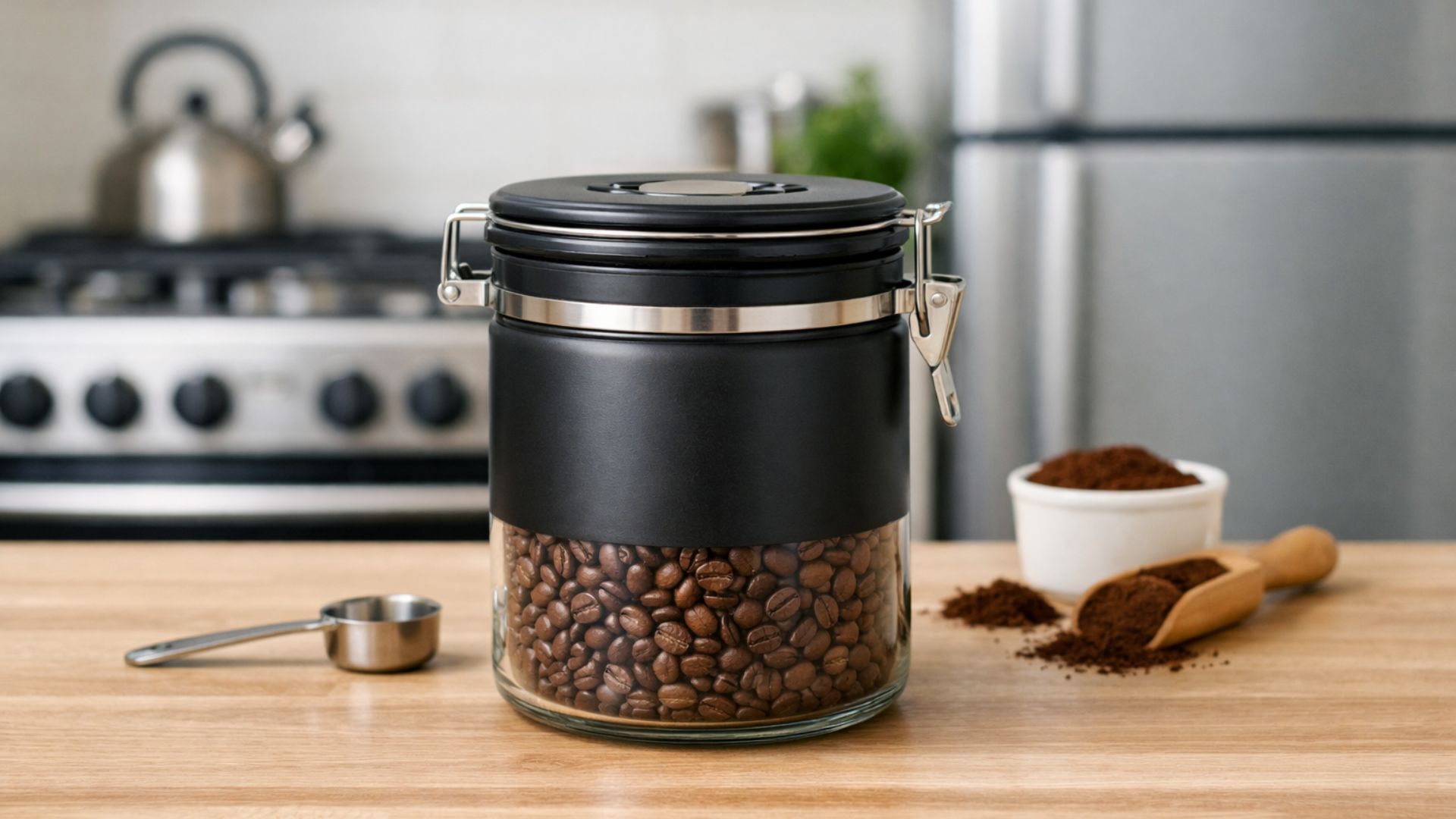
Proper storage preserves coffee aroma and flavor for longer, avoiding common kitchen mistakes that compromise drink quality and accelerate freshness loss in daily consumption.
Storing coffee in the refrigerator is usually not the best choice for preserving aroma and flavor in home use, while keeping it in the cabinet above the stove also tends to harm quality due to inadequate temperature and humidity conditions.
In general, technical recommendations indicate a more efficient path: the product should be kept in a hermetically sealed and opaque container, stored in a cool, dry, and dark place, away from heat sources, direct light, and humidity variations.
This care applies to both whole beans and ground coffee, although the latter requires extra attention, as its more exposed structure accelerates freshness loss and intensifies aroma changes over time.
-
While Brazil gains ground among NATO forces with the KC-390, Argentina attempts to monitor the South Atlantic with P-3 Orion aircraft retired by Norway.

-
With over 300 million coins produced every day, the mining factory extracts copper from tons of rock, using giant machines, metal alloys, and an inspection system that completes an impressive production process.
-
Why do supermarkets place flowers right at the entrance even with low turnover, high waste, and little direct purchase?

-
A study with a laser sensor reveals up to 23,000 hidden structures beneath the Amazon, pre-Columbian constructions invisible under the forest emerge in mapped areas and indicate a much broader occupation than previously thought.

What else damages coffee at home
When observing the behavior of coffee after opening the package, it becomes evident that environmental factors directly influence its quality, especially since the product is sensitive to changes that affect its chemical and sensory composition.
According to the National Coffee Association, the main enemies of coffee are air, moisture, heat, and light, elements that, when present uncontrollably, accelerate oxidation processes and significantly reduce the compounds responsible for aroma and flavor.
With continuous exposure to these conditions, coffee tends to lose aromatic intensity, present less defined notes, and develop undesirable characteristics that compromise the final experience in the cup over the days.
Besides storage time, the environment where the product remains after opening plays a decisive role, as small variations in temperature and humidity can significantly alter the degradation rate of roasted coffee.


Research from the Specialty Coffee Association indicates that aging involves the release of volatile compounds, loss of carbon dioxide, and oxidation reactions, phenomena that intensify especially after grinding and in less controlled environments.
Why the refrigerator is not the best option
Despite the common association between refrigeration and food preservation, the roasted coffee used in daily home life does not usually benefit from this type of storage due to the specific characteristics of the product.
Inside the refrigerator, coffee can absorb moisture and odors from other foods, which directly interferes with its sensory profile and compromises the fidelity of the originally expected flavor.
Refrigerated environments also favor condensation, especially when the container is not completely sealed, which can result in contact with water and accelerate undesirable degradation processes.
Although there is debate about the use of refrigeration or freezing in specific situations, technical recommendations emphasize that these practices require truly hermetic containers and careful handling to avoid sharp temperature variations.
In these exceptional conditions, the removal of coffee should occur quickly and controlled, minimizing the risk of condensation and reducing exposure to external air during the process.
The problem of the cabinet above the stove
On the other hand, storing coffee in cabinets located above the stove combines factors that also harm preservation, mainly due to frequent exposure to heat generated during food preparation.
Even if the space seems protected, the proximity to heat sources creates an unstable microenvironment, where the temperature tends to rise repeatedly throughout the day, accelerating chemical reactions in the coffee.
According to guidelines from the National Coffee Association, the ideal is to keep the product away from areas close to the oven, dishwasher, or areas that receive direct sunlight.
Studies from the Specialty Coffee Association reinforce that higher temperatures increase the speed of aging reactions, intensifying the loss of aromatic compounds and reducing the sensory quality of the drink.
Thus, a seemingly functional cabinet can, in practice, contribute to the faster deterioration of coffee stored under inadequate conditions.
Where to store coffee correctly in daily life
In the home context, applying these guidelines does not require complex changes, but rather attention to the choice of container and the storage location within the kitchen.
The most recommended is to transfer coffee to a well-sealed container, preferably opaque, and keep it in a pantry or internal cabinet, away from direct light and heat sources.
Although transparent containers are common for aesthetic reasons, they allow light to enter, which can interfere with the quality of the product over time.
Recommendations from Ohio State University indicate that, for consumption within 10 to 12 days, coffee can remain on the countertop as long as it is protected from air and light.
For longer periods, freezing can be considered as a specific alternative, especially in the case of whole beans, provided that storage is done properly.

Difference between whole bean and ground coffee
When comparing whole bean coffee with ground coffee, the main difference lies in how each interacts with the environment after the package is opened.
Grinding significantly increases the surface area in contact with air, which accelerates the release of gases and intensifies the aging process of the product.
As a result, ground coffee tends to lose aroma and freshness more quickly, especially when stored in conditions that favor oxidation.
For this reason, it is recommended to grind only the necessary amount just before preparation, better preserving the sensory compounds until consumption.
In comparison, whole beans maintain their characteristics for longer, provided they are stored correctly in a controlled environment.
Buying less also helps to preserve
Besides storage conditions, the quantity purchased also directly influences the quality of coffee consumed over time.
Buying smaller batches, sufficient for one or two weeks, reduces exposure time to oxygen and decreases the frequency of opening the container.
This practice helps avoid makeshift solutions, such as using the refrigerator or storing in inadequate places, which end up compromising freshness.
Thus, keeping coffee well sealed and protected from light, heat, air, and moisture remains the most effective strategy for preserving its original characteristics in daily use.
When these conditions are respected, the differences appear first in the aroma released upon opening the container and then in the flavor perceived in the brewed drink.






Seja o primeiro a reagir!