





 Portuguese
  English
  Spanish
  6 min of reading
  0 comments


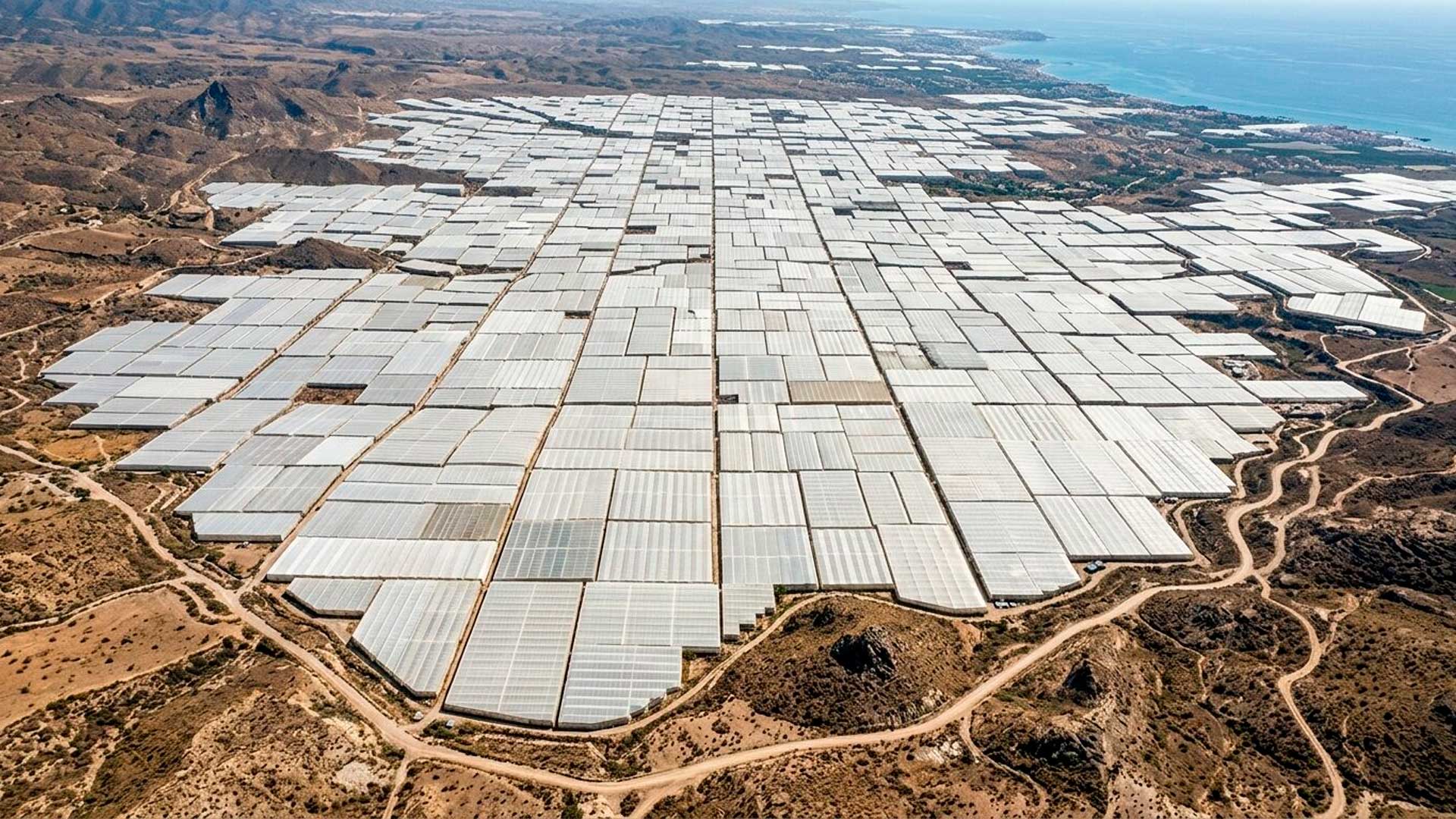
A huge area of greenhouses in Almería, in southern Spain, gained worldwide fame for appearing clearly in satellite images and for sustaining an important part of Europe’s food production.
For years, popular imagination repeated that ancient constructions, such as the Pyramids of Egypt or the Great Wall of China, would be the great human works visible from space. In practice, one of the structures that stands out today is located in the province of Almería, in southern Spain, and has a completely different profile.
This is the so-called sea of plastic, also known as the ocean of plastic, a practically continuous set of agricultural greenhouses covering about 40,000 hectares. The area has become a symbol of modern intensive agriculture and one of the clearest examples of how human action alters the landscape on a large scale.
The site draws attention for two central reasons. The first is its visibility in satellite images, favored by the brightness of the plastic covers; the second is its economic weight, as the region supplies markets with tomatoes, cucumbers, peppers, and berries for almost the entire year.
-
Surrounded by cliffs, mist, and chilling stories, the ancient Hotel del Salto has been reborn as a museum while still unable to shake off its reputation as a haunted place.

-
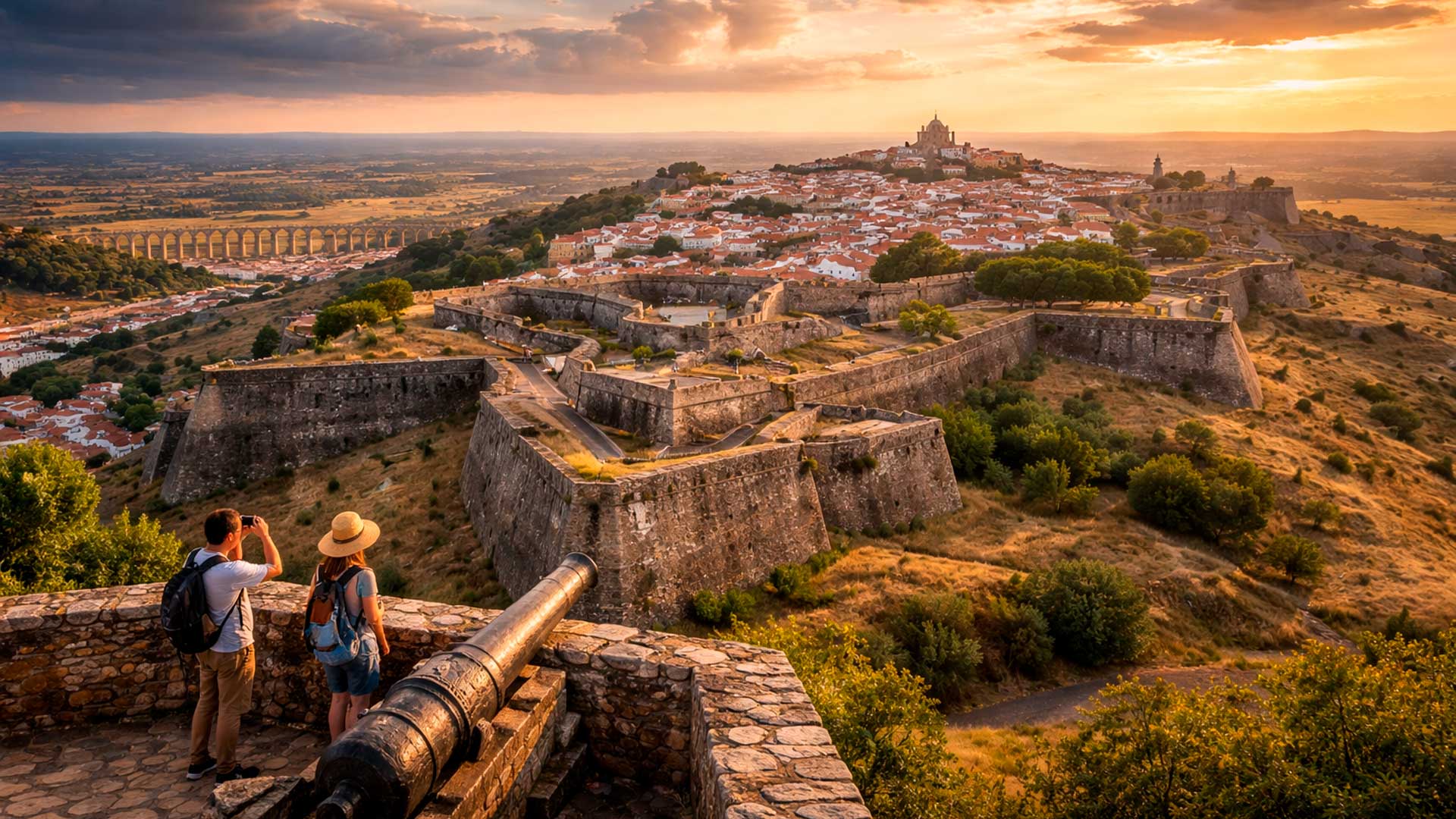
This star-shaped fortified construction, hidden near the border of Spain, may be the largest fortress on the planet.
-
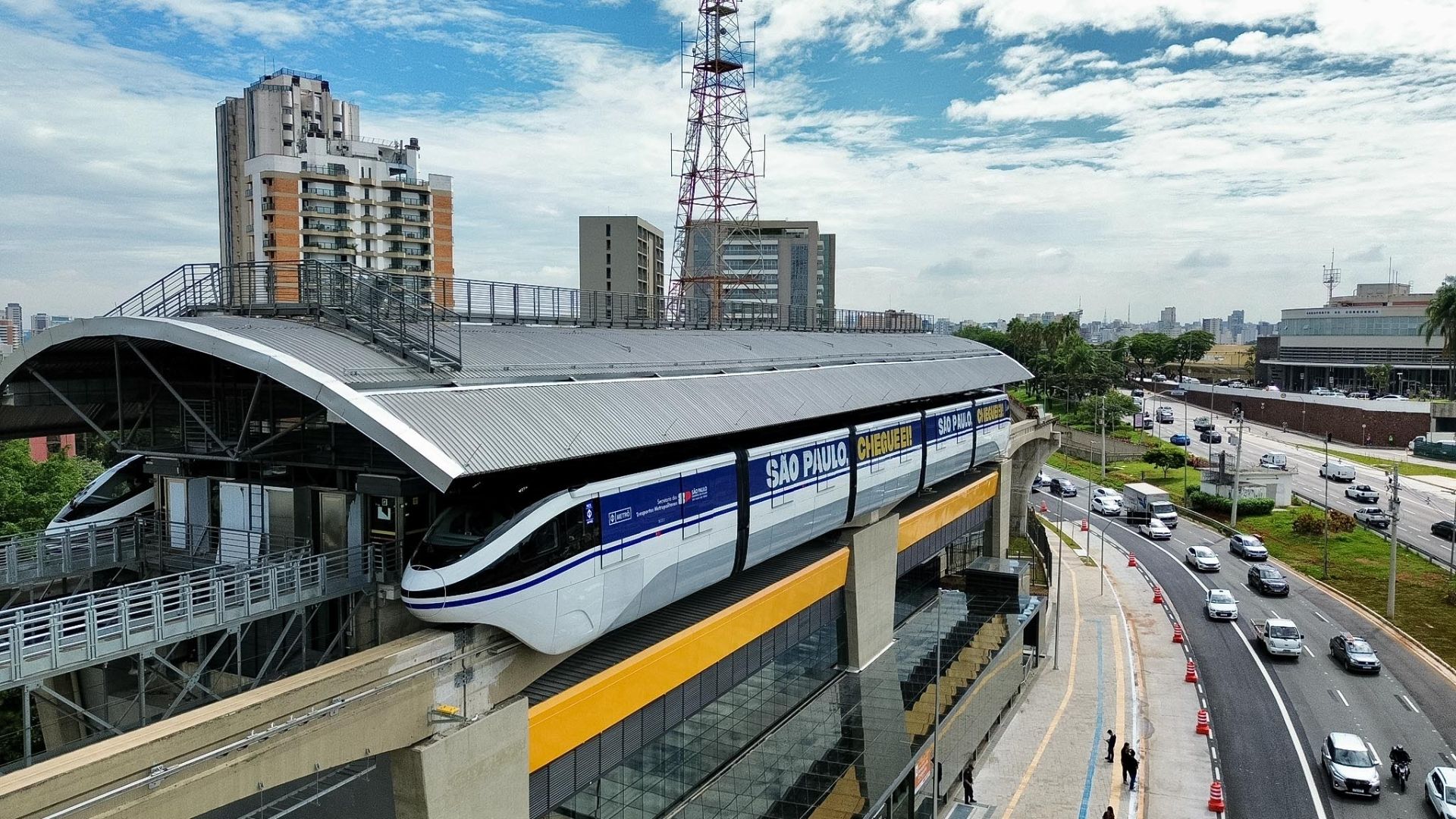
Congonhas receives the monorail promised for the 2014 World Cup after more than a decade of delays and becomes the first airport in Brazil with integrated subway.
-
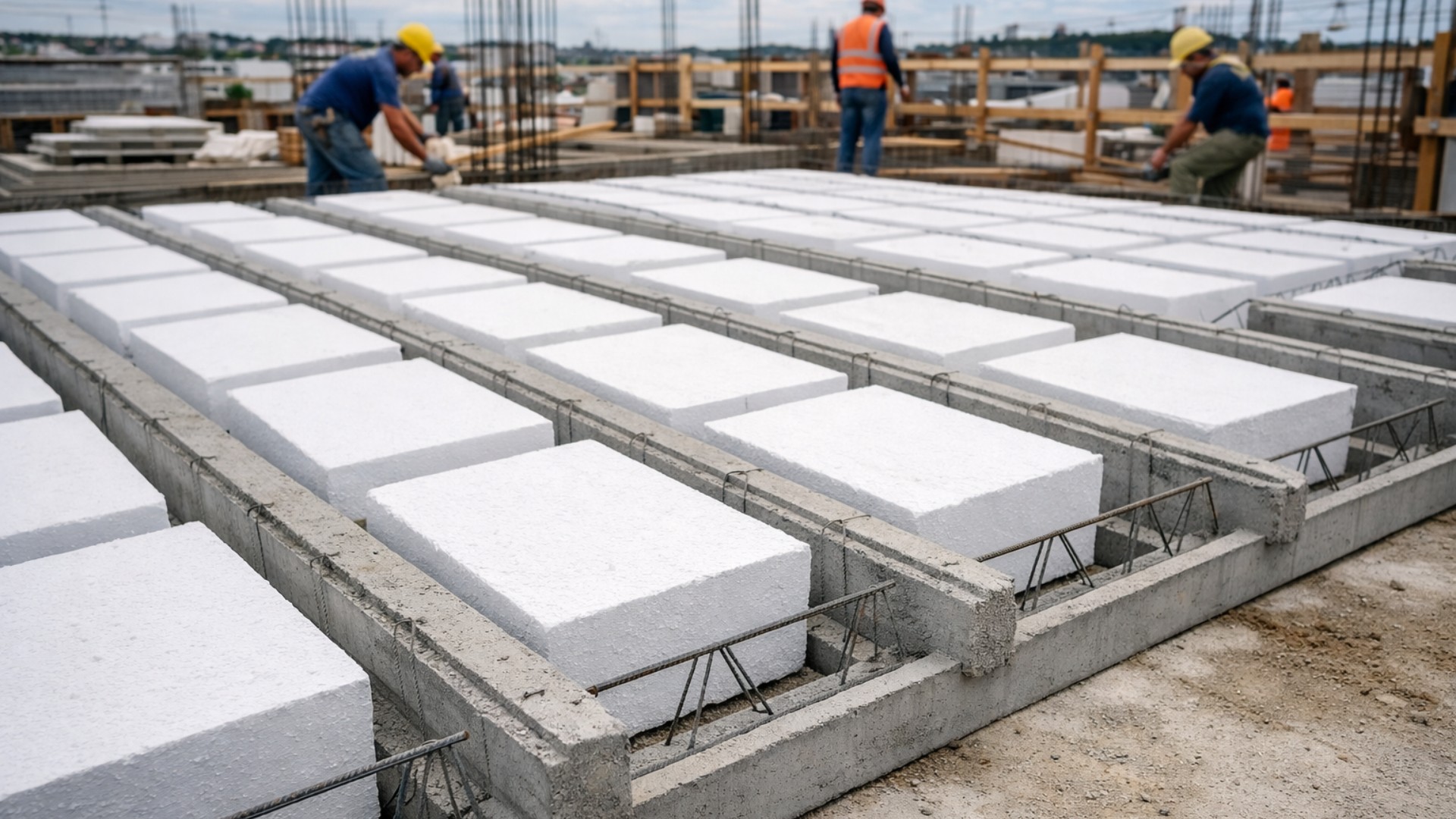
Goodbye, concrete: a new trend in civil construction reduces the weight of the structure by up to 30%, accelerates projects by up to 40%, cuts costs on steel and labor, and improves thermal insulation with EPS.

On March 31, 2026, the topic circulated strongly again, reigniting the debate about which human structures can actually be identified from space. More than curiosity, the case of Almería helps explain the advancement of protected agriculture in arid areas and the environmental challenges that accompany this model.
What is the sea of plastic in Almería and how an arid region became a strategic agricultural pole in Europe
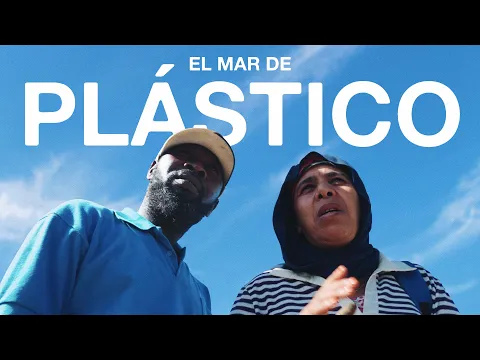

The sea of plastic is a vast complex of greenhouses formed by metal or wooden frames covered by plastic films, generally white or translucent. These structures allow for controlled cultivation of fruits and vegetables in a dry climate region, where traditional agriculture would face severe limitations.
Over time, this strip of greenhouses has grown to form a large light-colored carpet over the landscape of Almería. The result has been the transformation of an originally arid area into one of the most relevant agricultural centers in Europe, with a strong presence in the fresh food export chains.
Local production has gained scale and regularity, making the province a reference for supermarket supply throughout almost the entire year. Among the products most associated with the region are tomatoes, cucumbers, peppers, and berries, items with constant demand in the European market.
Why do these greenhouses appear in satellite images and disprove old beliefs about human works visible from space
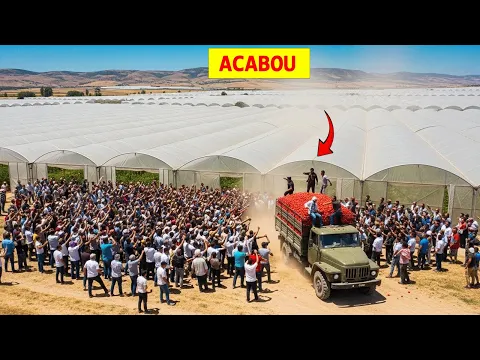
The visibility of the sea of plastic has a technical explanation. The plastic used in the greenhouse covers has high reflectance, meaning it reflects a large part of solar radiation and creates a strong contrast with the darker soil and less occupied neighboring areas.
Another decisive factor is the scale of the occupation itself. Instead of small isolated structures, Almería displays an extensive and almost continuous surface, which facilitates identification in maps, environmental surveys, and orbital images.
This organized visual pattern, with straight lines and large light blocks, makes the area stand out especially in a landscape with semi-arid characteristics. It is this combination of brightness, contrast, and extent that has solidified the site’s fame as one of the most easily recognizable human interventions from space.
In common sense, the idea that ancient monuments would be the only visible landmarks from space remains strong. But the case of Almería shows that when it comes to satellite images and orbital observation, what matters is not just historical value, but rather the combination of size, territorial continuity, and the ability to reflect light.
How does production work inside the greenhouses and why did Almería become a key piece in European supply
The complex plays a central role in supplying fresh food to different countries. In addition to generating thousands of direct and indirect jobs, it supports a high productivity agriculture based on precise control of the cultivation environment.

Among the most common practices is temperature control, using ventilation, shading, and in some cases, heating. The goal is to maintain the appropriate range for each crop and reduce losses caused by excessive heat or sudden variations.
Moisture management is also crucial. Systems such as drip irrigation and misting help save water and prevent water stress in plants, something especially important in an area marked by water scarcity.
The plastic covers also serve as a physical barrier against pests, making it difficult for insects and other unwanted organisms to enter. This allows for more controlled management and reduces dependence on broad applications of pesticides.
Another relevant point is the rational use of inputs, with fertilizers and pesticides applied in a localized manner and in controlled doses. The system follows European food quality standards and seeks to extract the maximum from each cultivated square meter.
The production numbers are impressive, but water consumption and the volume of plastic put the model under pressure
The economic strength of Almería is undeniable. Estimates associated with the region indicate that about 80% of the tomatoes and 60% of the cucumbers produced in Spain come from there, numbers that help explain why the sea of plastic has become so strategic for national agriculture and exports.
At the same time, the model faces criticisms and challenges that have grown alongside its expansion. The main one is the need for a large volume of water for irrigation in a dry climate zone, which pressures aquifers and requires rigorous planning of water resources.
The disposal of plastic waste and the working conditions in an industrial-scale production chain are also part of this equation. The concentration of greenhouses brings efficiency gains but amplifies the environmental and social impact when growth is not accompanied by oversight and innovation.
Recycling, desalination, and satellite monitoring are at the center of solutions to reduce environmental impact
To address these issues, the region has begun to discuss and adopt measures aimed at sustainability. One of the most important fronts involves agricultural plastic recycling programs, created to collect and reuse the material used in greenhouse covers.
Another focus is on promoting more efficient irrigation technologies, capable of reducing water consumption per hectare without compromising productivity. In areas of water scarcity, efficiency has ceased to be a differential and has become a basic condition for the survival of the model.
Constant monitoring through satellite images has also gained importance, both to track the territorial expansion of greenhouses and to measure their effects on the environment. This monitoring aids in agricultural planning, in territorial control, and in assessing water use.
Additionally, studies on alternative materials, with greater durability or lower environmental impact, and investments in water reuse and desalination are still under analysis. The future of the sea of plastic depends precisely on this balance between high production, environmental pressure, and adaptability.
The case of Almería goes far beyond curiosity about what can be seen from space. It summarizes an urgent debate about productivity, technology, and sustainability. Whether this model represents progress or excess, feel free to leave your opinion in the comments and join this discussion that is far from being a consensus.







Seja o primeiro a reagir!