





 Portuguese
  English
  Spanish
  4 min of reading
  0 comments


They Asked ChatGPT Which Nation Could Start World War III and the Answer Surprised. The Analysis Places a Specific Country as a Probable Catalyst for a Global Conflict, Even Without Firing the First Shot.
Artificial intelligence has also entered the debate on geopolitics.
When asked about who could start World War III, ChatGPT gave a clear answer: it would not be the United States or China, but rather Russia, seen as the country with the highest chance of igniting the fuse of a global conflict — even without firing the first shot.
The issue has been at the center of international analyses since the invasion of Ukraine in February 2022, an episode that reignited discussions on collective security and increased the prominence of NATO.
-
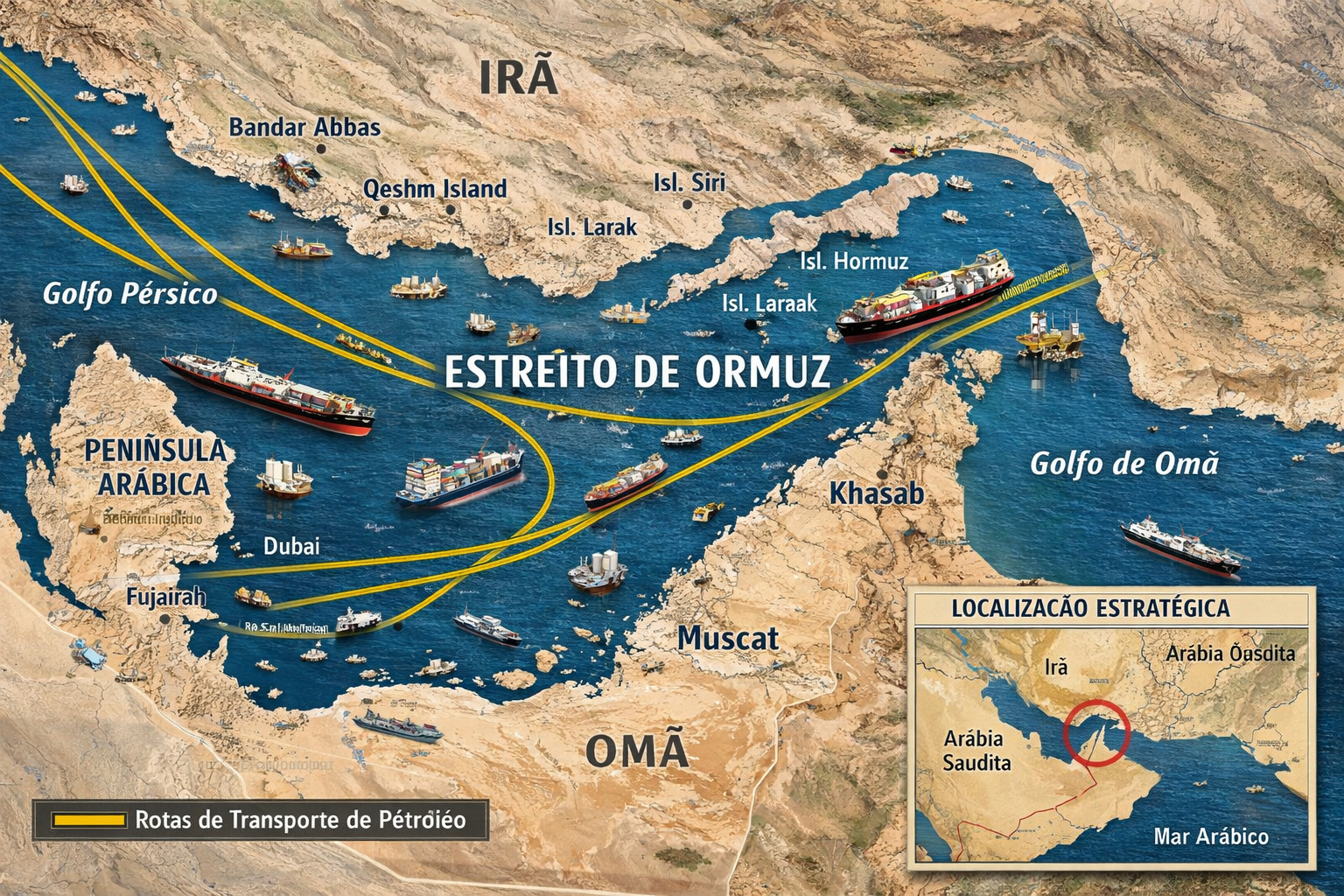
Global summit with over 40 countries pressures Iran for a blockade in the Strait of Hormuz and warns of direct impact on oil, food, and the global economy.
-
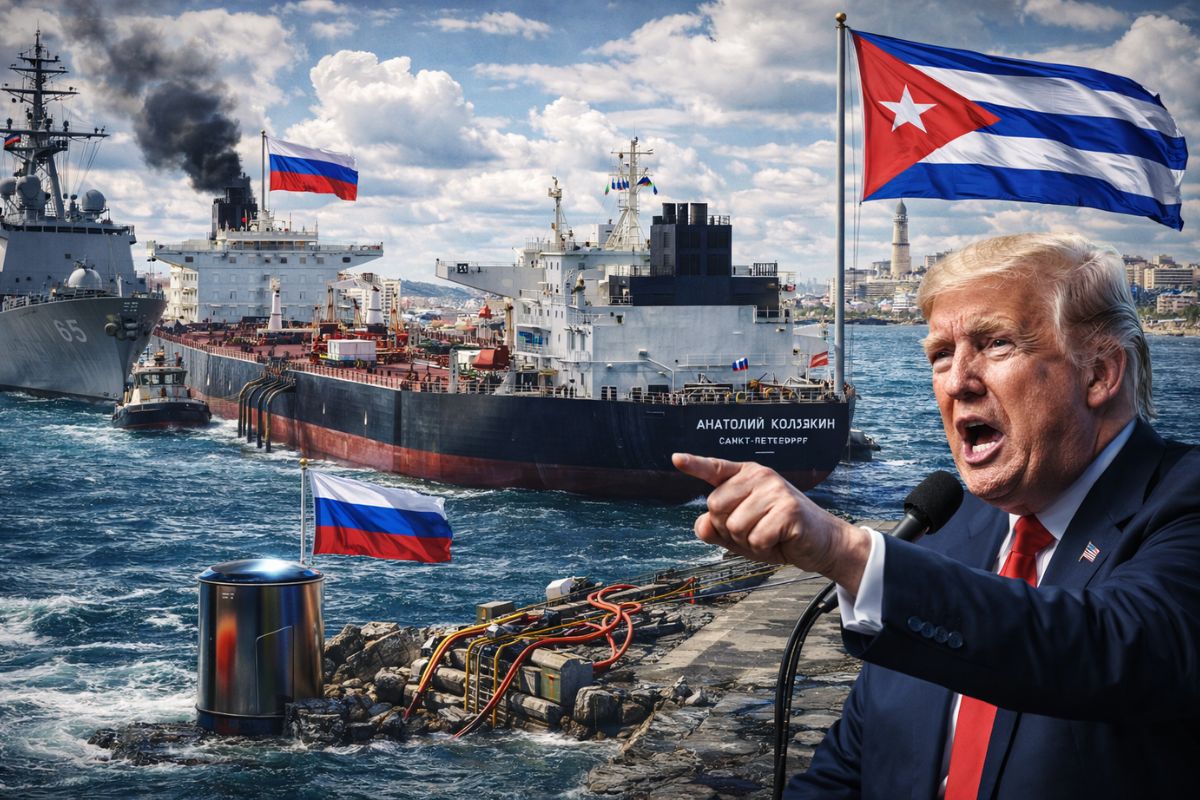
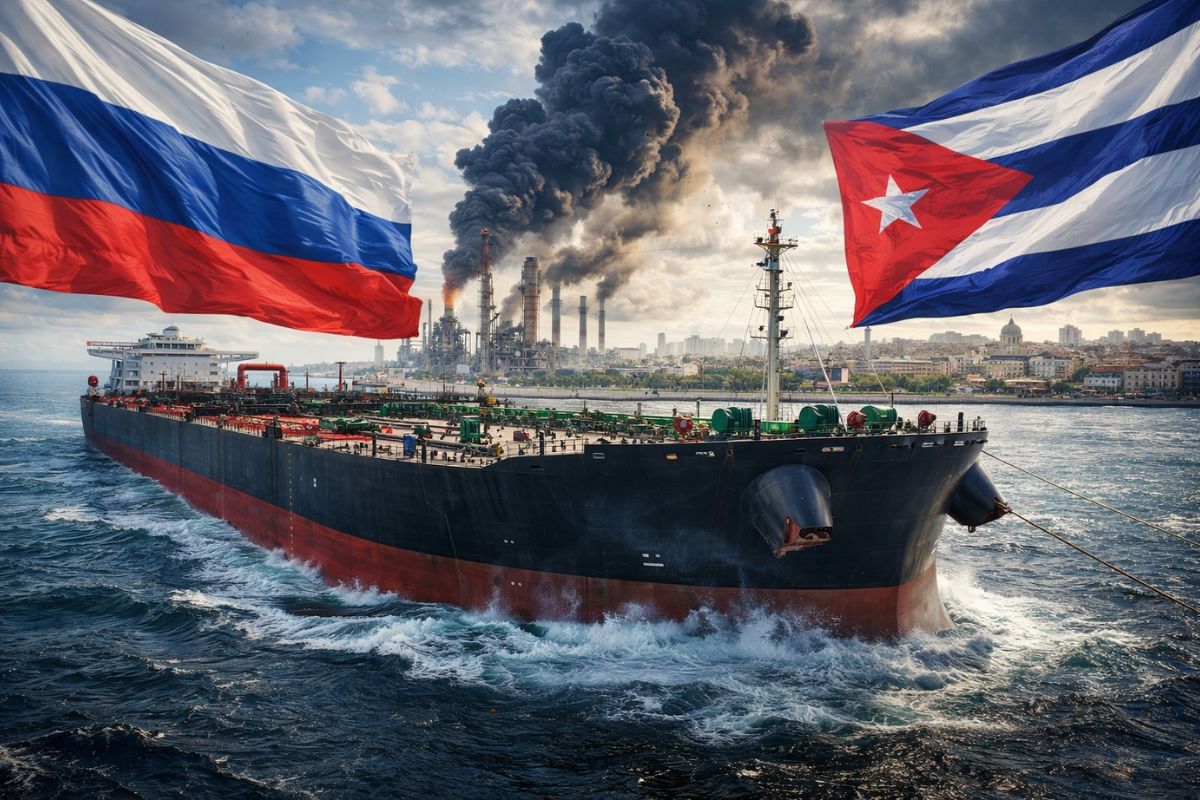
Russia has broken the U.S. maritime blockade to send oil to Cuba and is now loading a second ship while Trump says that “Cuba is next” in a possible military action against the island.
-
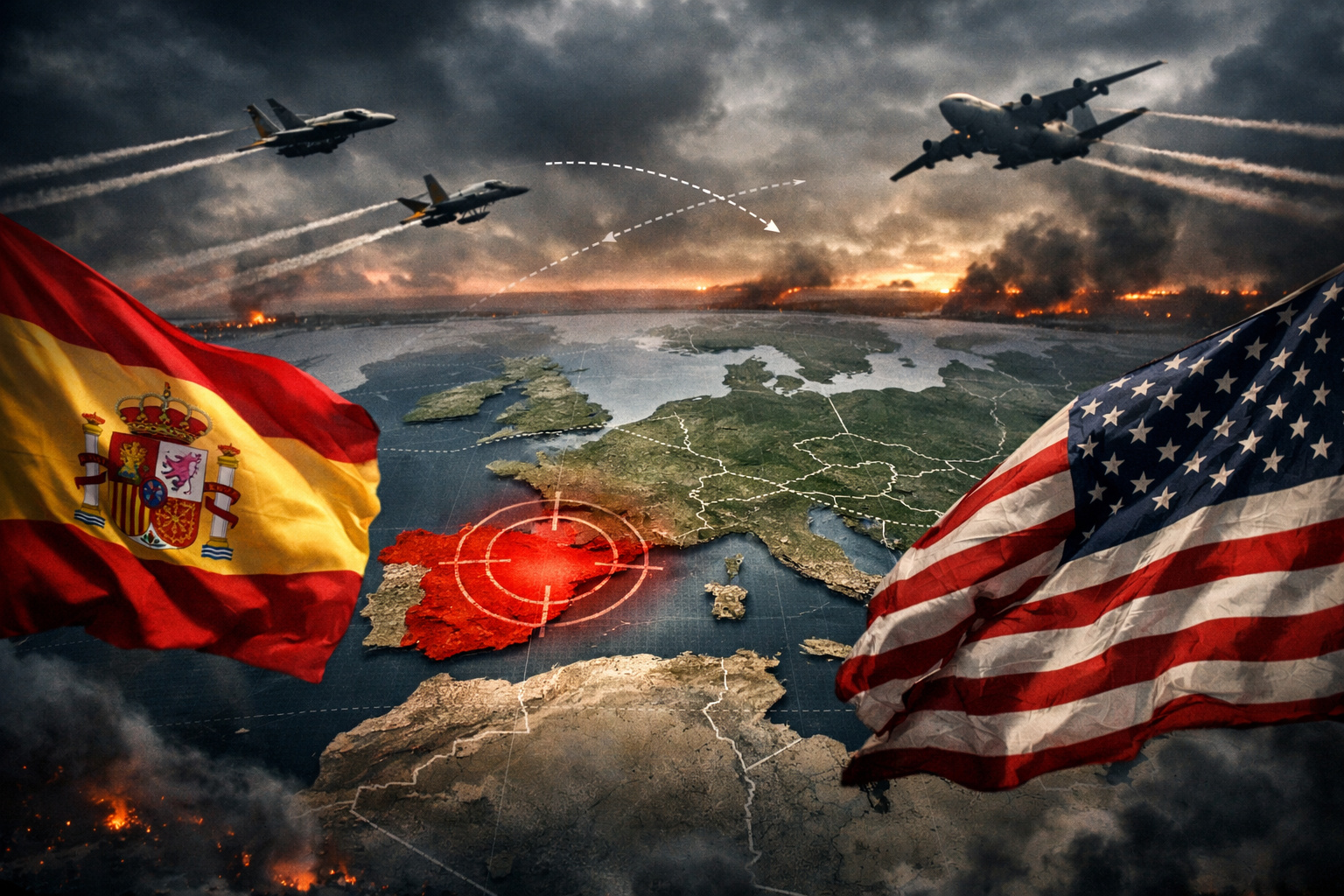
Spain challenges the USA and closes its airspace for operations against Iran, raising global tension and provoking the threat of a trade rupture.
-
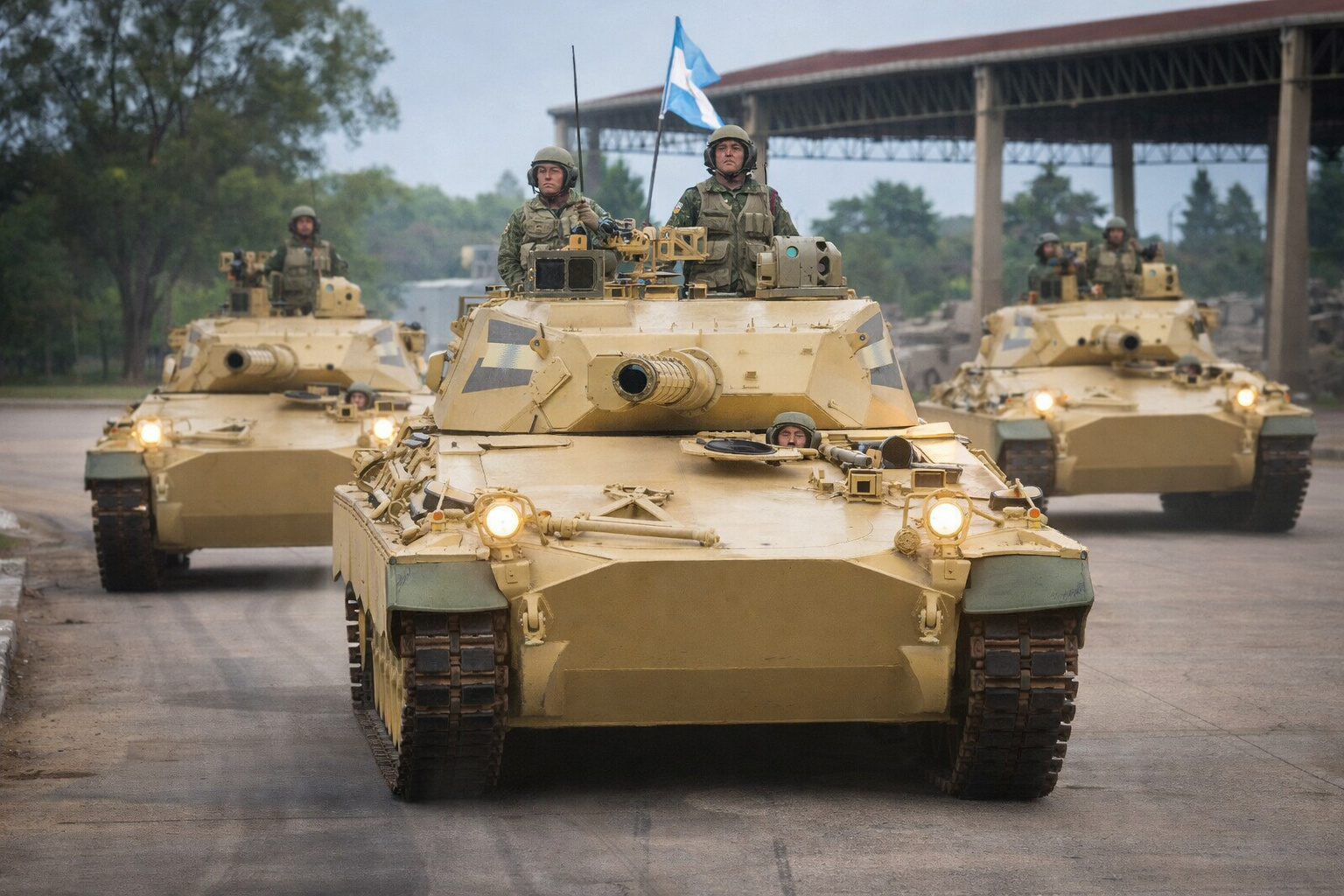
While no other country manufactures tanks in Latin America, Argentina activates the TAM 2C-A2 and raises a curiosity about the technological lag in the region.

The AI’s answer reflects a frequent consensus among experts: major wars rarely begin with direct attacks between superpowers, but rather from regional crises that expand.
Russia and the Risk of Escalation
The Russian military involvement in Ukraine has exposed its willingness to alter borders by force and reorder the European balance.
The offensive resulted in severe sanctions, mobilized around 50 countries in support of Kiev, and led NATO to intensify operations in the eastern part of the continent.
In addition to the ongoing war, Kremlin rhetoric and joint exercises with Belarus have increased the perception of threat.
Analysts suggest that if an attack were made on a NATO member, the application of Article 5, which provides for collective defense, would be inevitable.
Such an escalation would quickly transform a regional conflict into a global clash.
The Alliances at Play
Russia maintains political and economic proximity with Belarus and cooperates at different levels with China, North Korea, and Iran.
Although the interests of each country do not fully align, all have reinforced investments in military modernization, a scenario that would increase risks in the event of a large-scale war.
Experts consulted in academic publications and research centers point out that the combination of formal alliances in the West and strategic ties between Russia and allied regimes increases the potential for a domino effect.
This would explain why artificial intelligence highlighted Moscow as the most likely ignition point.
The China Factor and the Indo-Pacific Dispute
On the Asian chessboard, the focus falls on Taiwan.
A Chinese offensive against the island would involve the United States and regional partners such as Japan, Australia, and the Philippines.
Washington does not have a mutual defense treaty with Taipei, but the Taiwan Relations Act provides for military support to ensure its defensive capability.
If crises were to occur simultaneously in Europe and the Indo-Pacific, experts believe that the West could face operational difficulties in responding on two fronts, which would give rise to perceptions of vulnerability.
Still, the most immediate escalation is likely to remain at the Russian border, considered the epicenter of greater instability.
Global Impacts and a Sense of Relative Security
Amid speculations, the idea emerges that certain countries might be more protected in a scenario of global war, whether through diplomatic neutrality, geographic isolation, or energy self-sufficiency.
However, recent experience shows that no territory is immune to indirect effects.
The conflict in Ukraine has caused shocks in supply chains, energy markets, and food security, impacting nations with no direct involvement.
The perception of “security” tends to be relative, as economic and social impacts cross borders quickly.
The Role of Diplomacy
Even in the face of tensions, diplomatic mechanisms remain central instruments for reducing risks.
Limited negotiations, such as those that allowed agreements on grain exports across the Black Sea, act as pressure valves.
Similarly, military communication channels, observation missions, and commitments to transparency in exercises help reduce the likelihood of fatal incidents.
The prevailing assessment is that while powers have the means to destroy each other, they also have an interest in avoiding miscalculations.
Diplomacy, therefore, continues to be the main barrier between a localized crisis and a conflict of global reach.
The Possible Trigger
The response provided by ChatGPT condenses a plausible scenario: Russia could be the actor that, by acting locally, would trigger a chain reaction capable of dragging multiple powers into the battlefield.
It would be less a case of a unilateral decision to start a total war and more the risk of an unrestrained escalation.
The question remains: what warning signs can the international community still recognize in time to prevent a regional crisis from turning into a global war?





Seja o primeiro a reagir!