





 Portuguese
  English
  Spanish
  4 min of reading
  0 comments


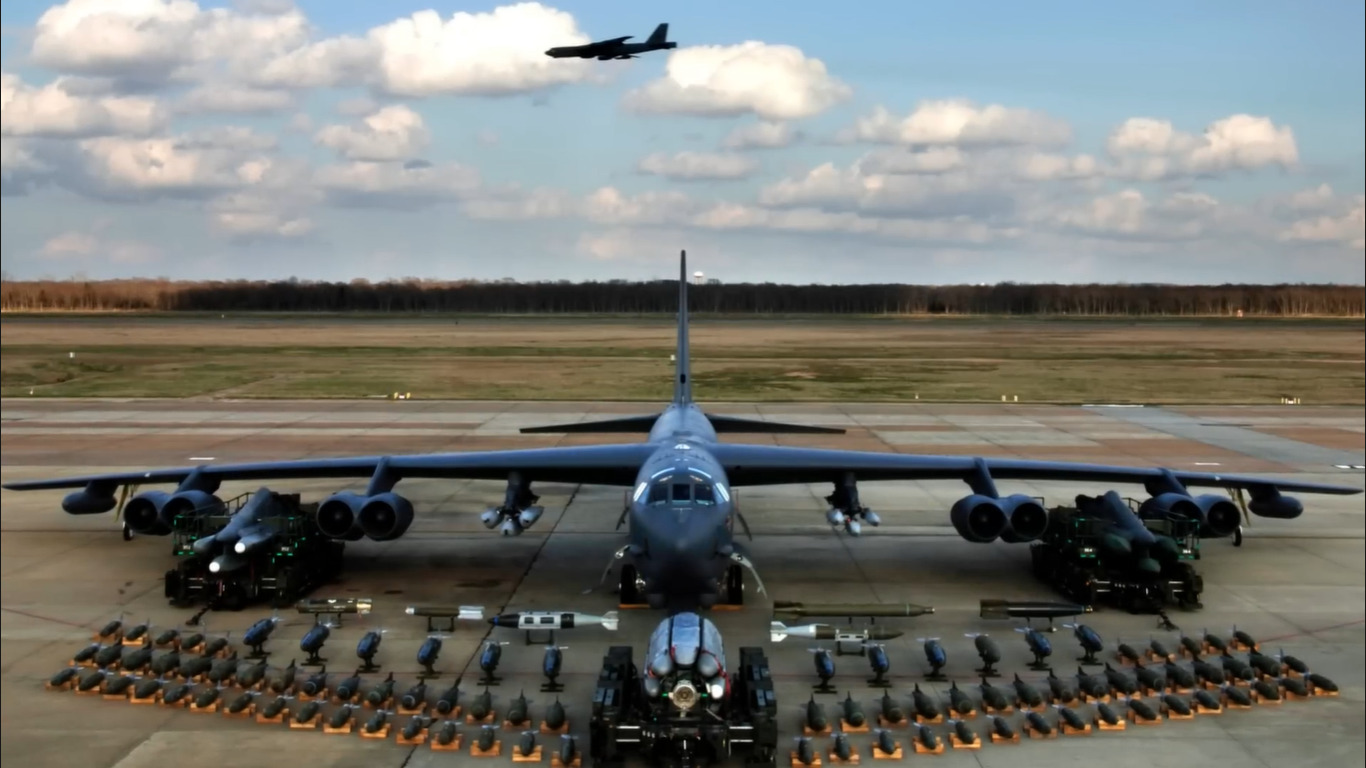
PLA Academy Study in Wuhan Points to B-52H Bomber, Over 70 Years Old, as the Biggest Nuclear Threat to the U.S. in Counterattack Campaign Simulation, Surpassing F-35A, B-2, F-22, and Citing a Range of 400 km and Interceptions Beyond 1,000 km
In March 2025, the United States announced the F-47 to replace the F-22, but a Chinese analysis concluded that the B-52 Stratofortress is currently the main nuclear threat, highlighting its capability to carry up to four B61-12 bombs and its role in simulations against targets in China.
The announcement of the F-47 was presented as a strategic shift for Boeing’s military arm, with the goal of repositioning Washington at the top of the military technology hierarchy.
The new aircraft was described as the successor to the F-22, with superior range and a central role in future confrontations.
-
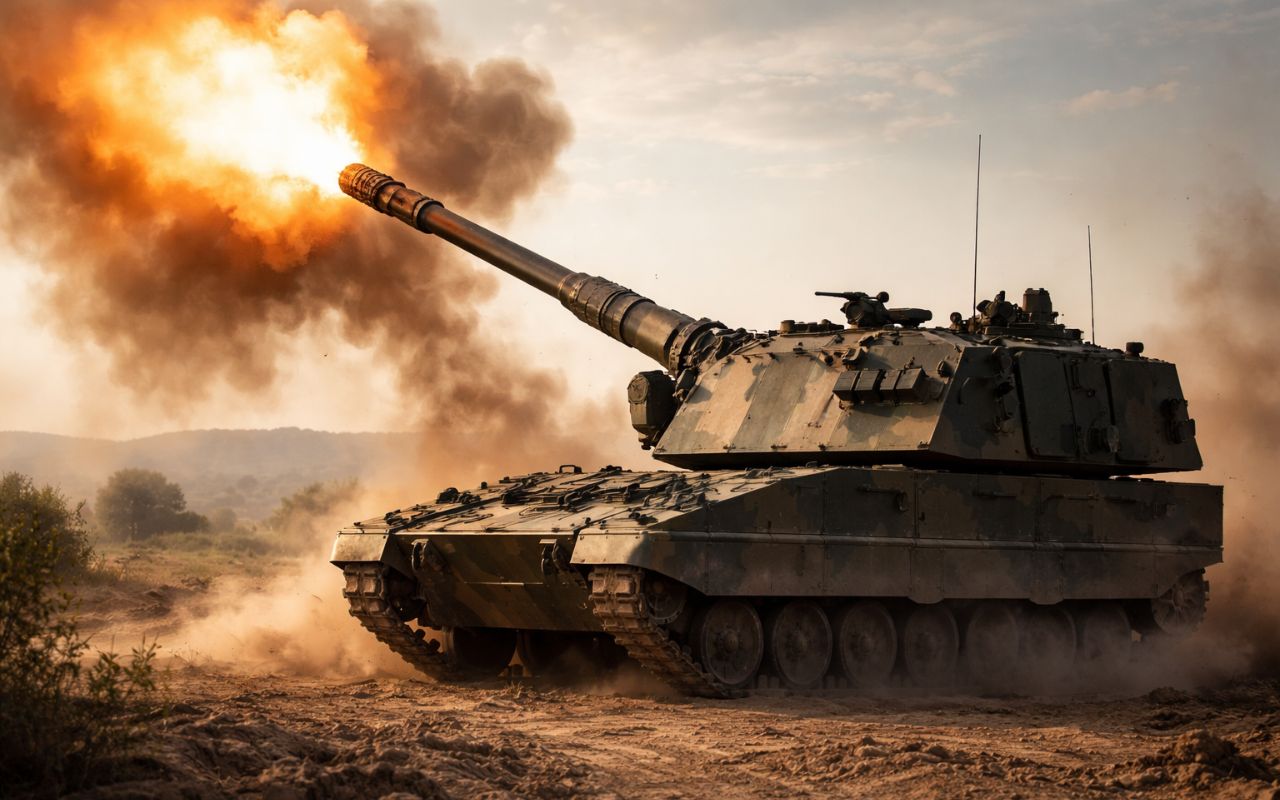
The German “steel monster” weighing 55 tons fires up to 10 projectiles per minute at over 40 km and avoids counterattacks on the battlefield by moving quickly to escape enemy attacks; meet the Panzerhaubitze 2000.
-
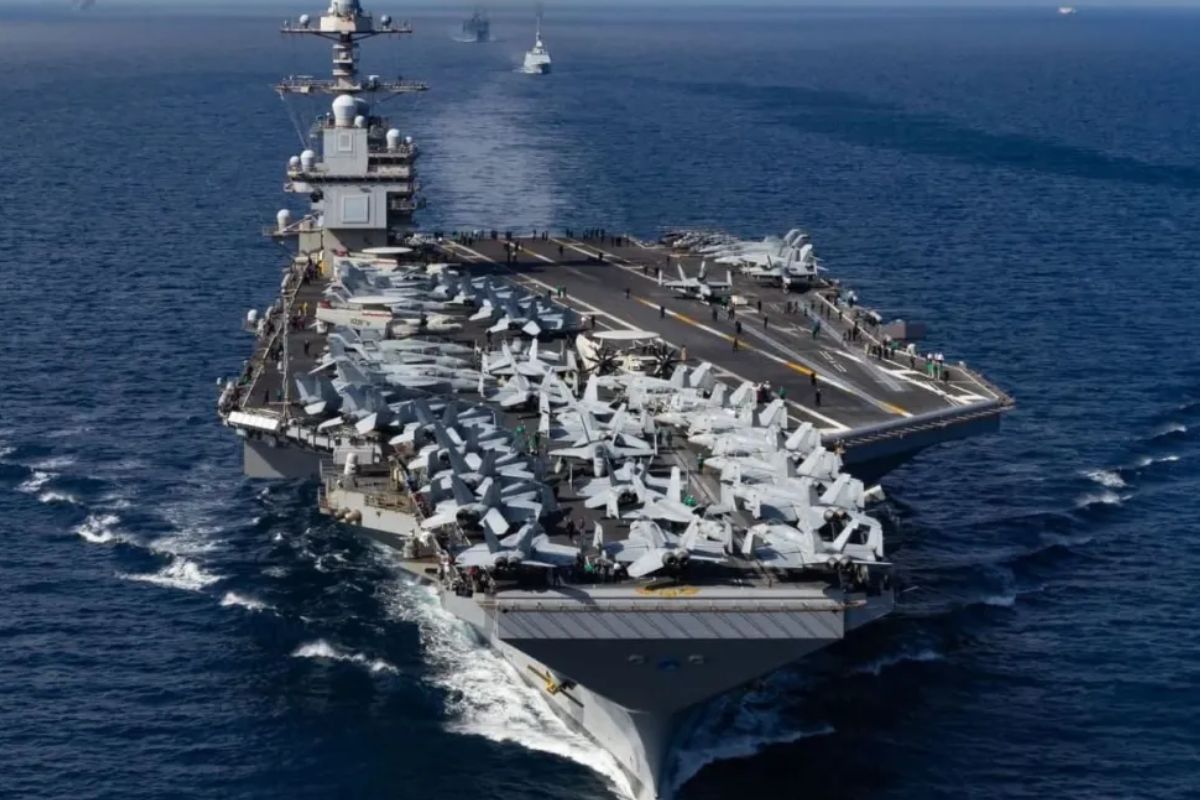
USS Gerald R. Ford, the largest aircraft carrier in the world, returns to sea after a fire in the laundry in the Red Sea; repaired in Crete, it resumes missions of Operation Epic Fury against Iran.
-
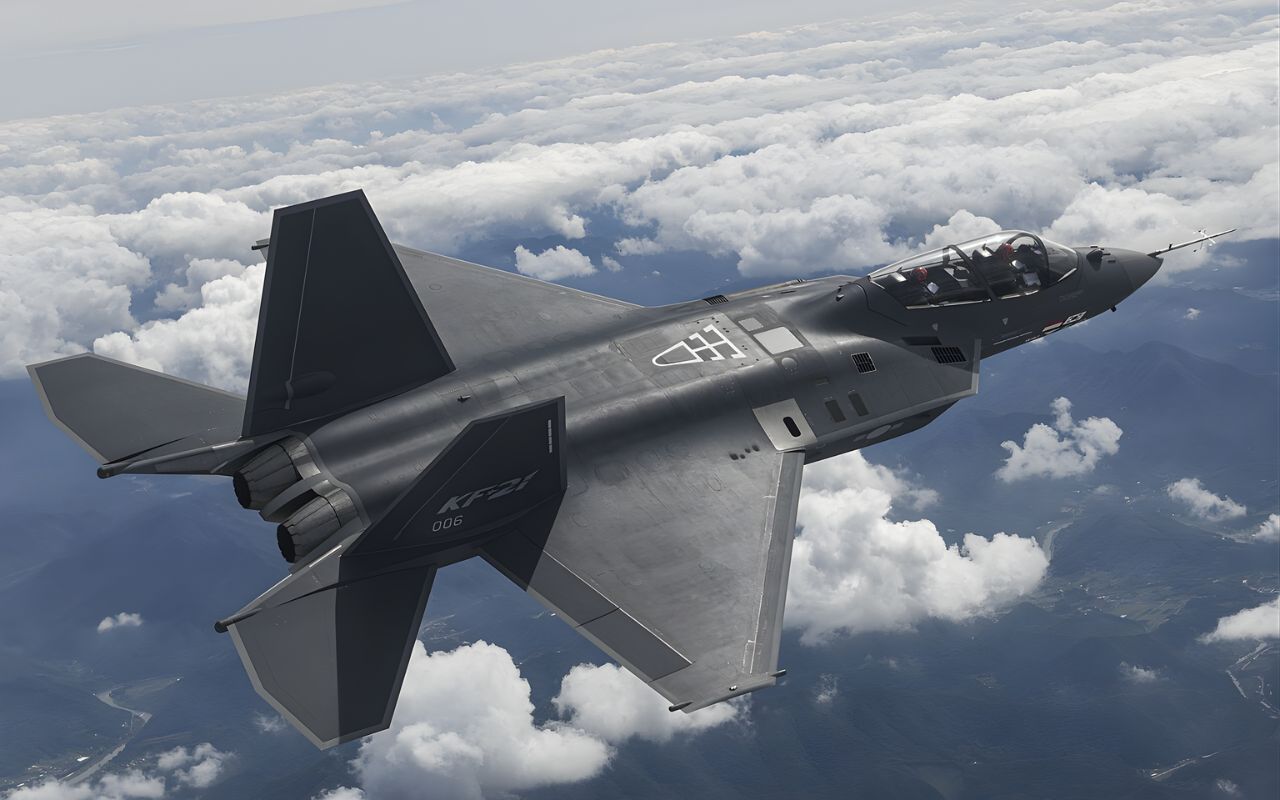
Military power: South Korea’s new KF-21 fighter jet will be a key component in replacing the aging aircraft of the air force, placing the country on the map of air military powers.
-
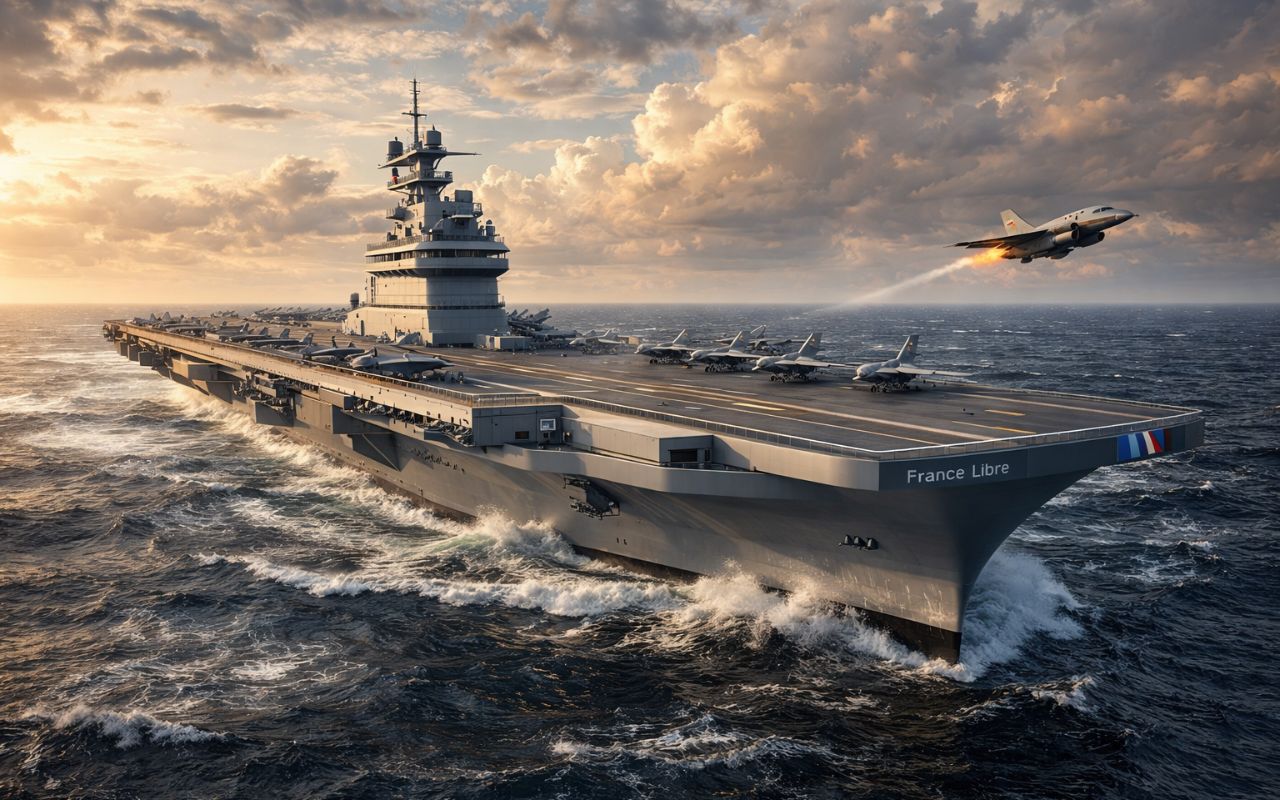
With 310 meters, 80 thousand tons, and capable of operating for 45 years, the new nuclear aircraft carrier France Libre will be the largest in France and will enter service in 2038.

Despite this, researchers from the People’s Liberation Army Early Warning Academy in Wuhan identified another vector as more relevant in the current nuclear threat scenario.
B-52 Stratofortress Leads Nuclear Threat Assessment in Chinese Study
The analysis was published in the journal Modern Defense Technology and evaluated an air operation of penetration against naval or land targets in China, within the concept of the United States’ counterattack campaign.
The study concluded that the B-52H, with over 70 years of service, poses the greatest danger during deployment, penetration, and attack phases, surpassing modern stealth platforms like the F-35A and B-2 Spirit.
According to the researchers, its capability to carry up to four tactical nuclear B61-12 bombs and continuous upgrades in radar and electronic warfare explain its relevance as the main nuclear threat in the simulated scenario.
B61-12 Bombs and Operational Capability Increase Strategic Risk
The B61-12 bombs have a yield equivalent to 300 tons of TNT and are described as deterrent instruments, with the ability to neutralize critical nodes and A2-AD denial systems.
Even being a Cold War aircraft, the B-52H stood out for its payload capacity, operational range, and robustness of updated systems. In the analyzed limited nuclear attack scenario, it would provide the greatest strategic value to Washington.
The report also mentions a motion by the U.S. Congress to restore the nuclear capability of about 30 units of the B-52H, reinforcing its tactical relevance in assessing the nuclear threat.
Proposed Responses Include Enhanced Surveillance and Electronic Warfare
The PLA team proposed measures to address the described scenario. Among them, strengthening surveillance, interception, and air defense capabilities along strategic routes.
The researchers emphasized the need to improve military intelligence to distinguish between conventional and nuclear attacks, considering the dual nature of various platforms from the United States.
Against stealth aircraft like the F-35A and B-2, they recommended intensive use of electronic warfare and cyberattacks to disrupt navigation and communications, reducing their operational effectiveness.
A priority target list was developed based on relative threat. The early warning aircraft E-3 Sentry was deemed essential in conventional scenarios, while the C-17 and the B-1B strategic bomber were classified as lower threats due to limited functions and outdated systems.
Methods Without Artificial Intelligence and Confidential Technical Data
The article reported that it avoided predictive models based on artificial intelligence, citing concerns about the opacity of “black box” systems. The authors opted for methods grounded in game theory and human judgment supported by objective data.
The assessment used confidential technical information about systems from the United States and China, without specifying the sources. The text mentions that stealth aircraft like the B-2 and F-22 have a radar cross-section of 0.1 m².
With this parameter, Chinese radars could detect such aircraft at ranges of up to 400 km. The study contextualizes this data with the development of hypersonic anti-aircraft missiles capable of intercepting targets beyond 1,000 km.
The described regional denial strategy encompasses sensitive areas such as Taiwan and the South China Sea, where bilateral tensions have intensified.
In a recent essay, former U.S. Deputy Secretary of Defense James Anderson warned that a future crisis in Taiwan could involve implicit or explicit nuclear threats from China, despite the official policy of no first use.
In this context, the recognition of the B-52H as the primary vector of nuclear threat redefines strategic perceptions of the military balance between great powers and highlights how a veteran bomber remains central in current assessments.
With information from Xataka.








-

-

4 pessoas reagiram a isso.