





 English
  Francês
  Alemão
  Italiano
  Japonês
  Norueguês
  Portuguese
  Spanish
  5 min of reading
  0 comments


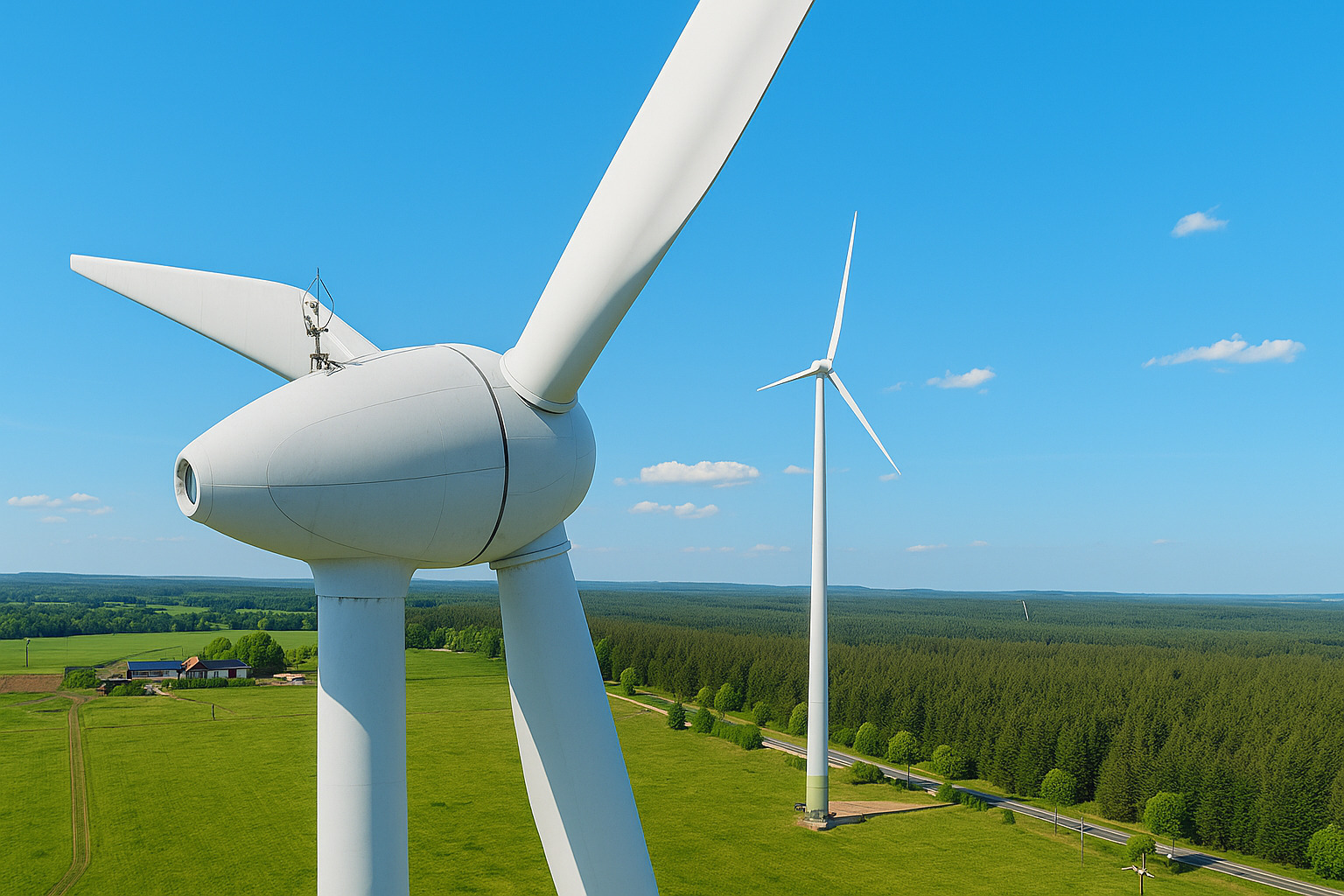
Partnership Strengthens The Self-Generation Of Wind Energy And Boosts Sustainable Energy Transition Focusing On Emission Reduction And Cost Predictability
Over the past few decades, the world has witnessed a growing concern for the environment and the effects of climate change. Therefore, the search for renewable energy sources has intensified globally.
In Brazil, this movement gains strength with the expansion of wind energy, which has become a sustainable and strategic alternative to reduce dependence on fossil fuels.
In this way, the recent agreement between Neoenergia and Nexus Ligas marks an important step in consolidating self-generation of wind energy as an energy model. Valid for ten years, the contract guarantees Nexus Ligas, the largest producer of manganese alloys in the country, a stake in the Canoas 3 unit — belonging to the Neoenergia Chafariz Wind Complex in Paraíba.
-
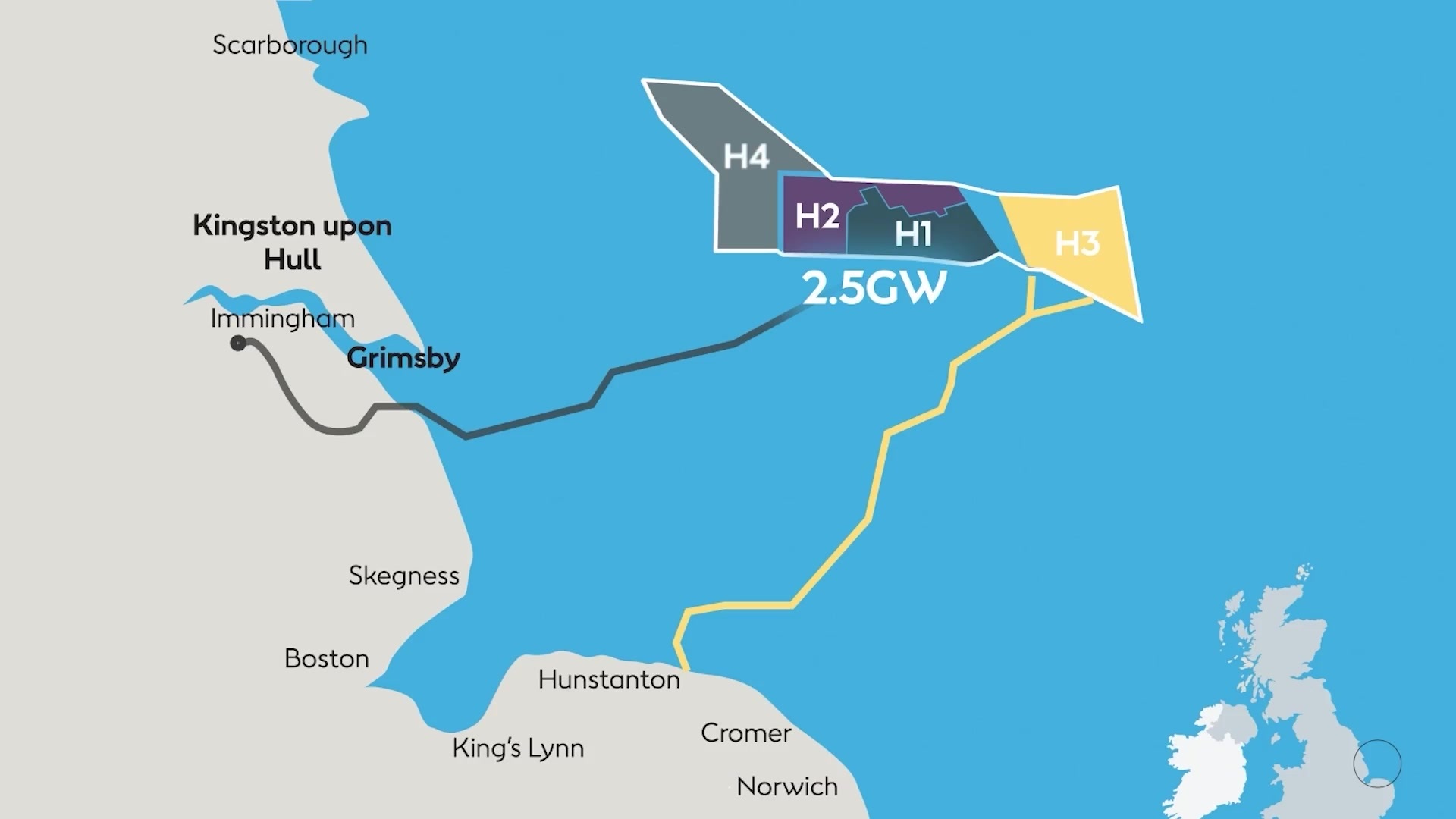
231 turbines of 260 meters at 160 km from the coast, monopiles weighing as much as nine blue whales embedded in the North Sea, and a crane ship taller than the Eiffel Tower: Hornsea 3 will be the largest offshore wind farm on the planet by 2027, and its first components have already arrived in England.
-
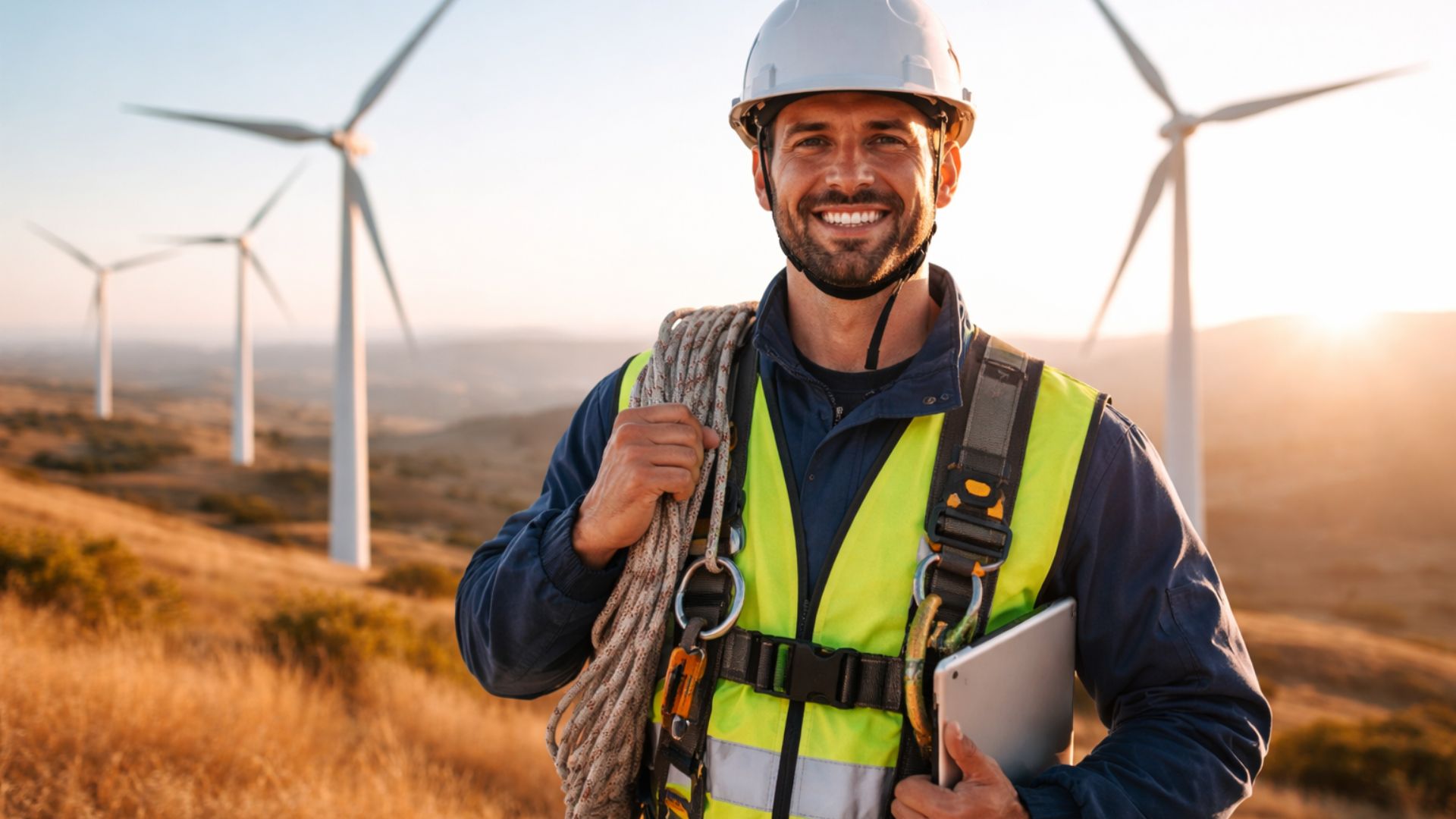
International Certification Puts Senai Norte on the Renewable Energy Map and Expands Access to Essential Training for Qualified Wind Power Professionals
-
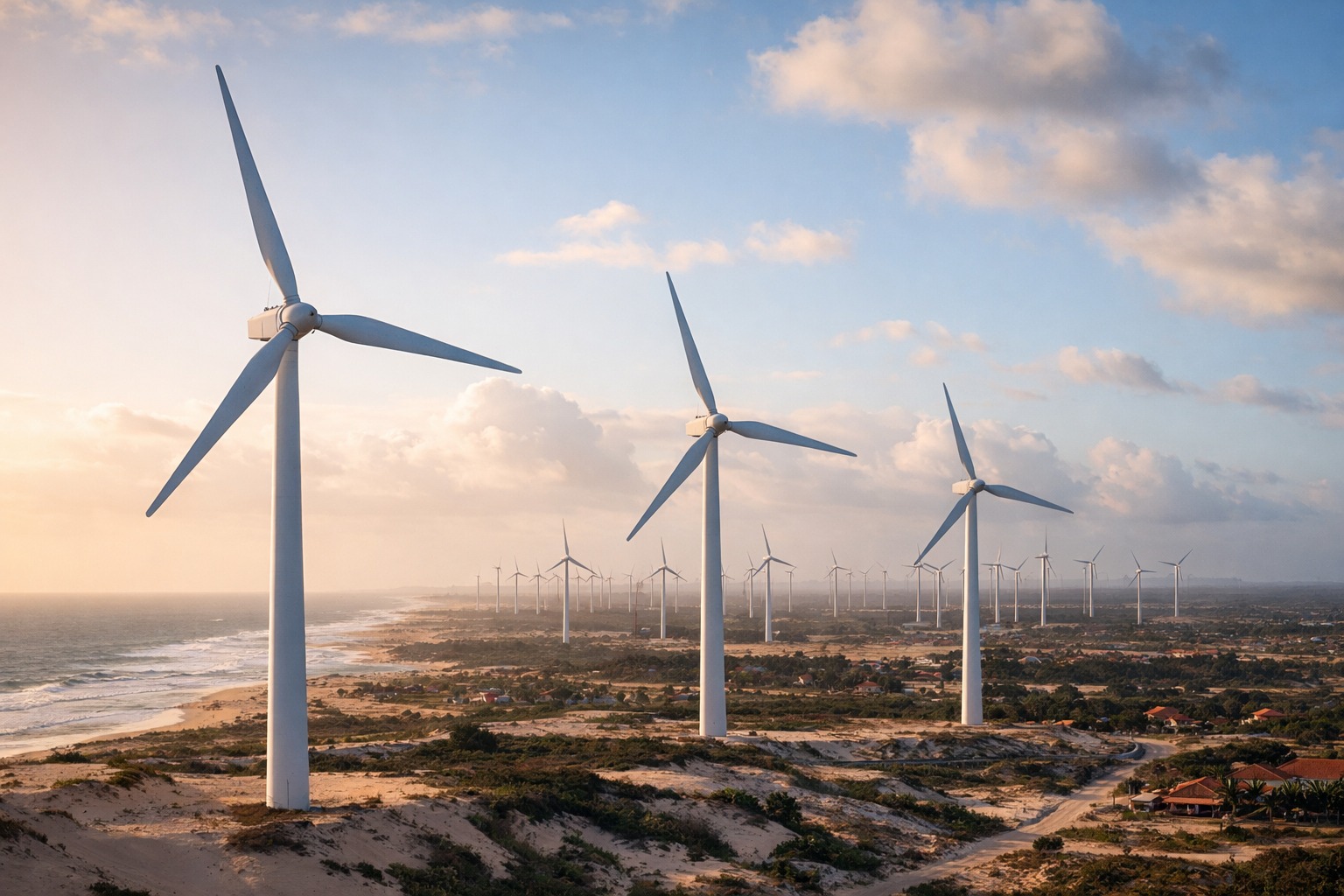
The Winds of the Northeast Are in Foreign Hands: Nearly 70% of the Region’s Wind Farms Are Owned by International Companies, with France, China, and Italy Leading Investments in Wind Energy in Brazil
-
Echoenergia’s Wind Farms Receive Diamond and Platinum Seals and Boost Carbon Credits with Projects that Prevent Large Volumes of Annual Emissions
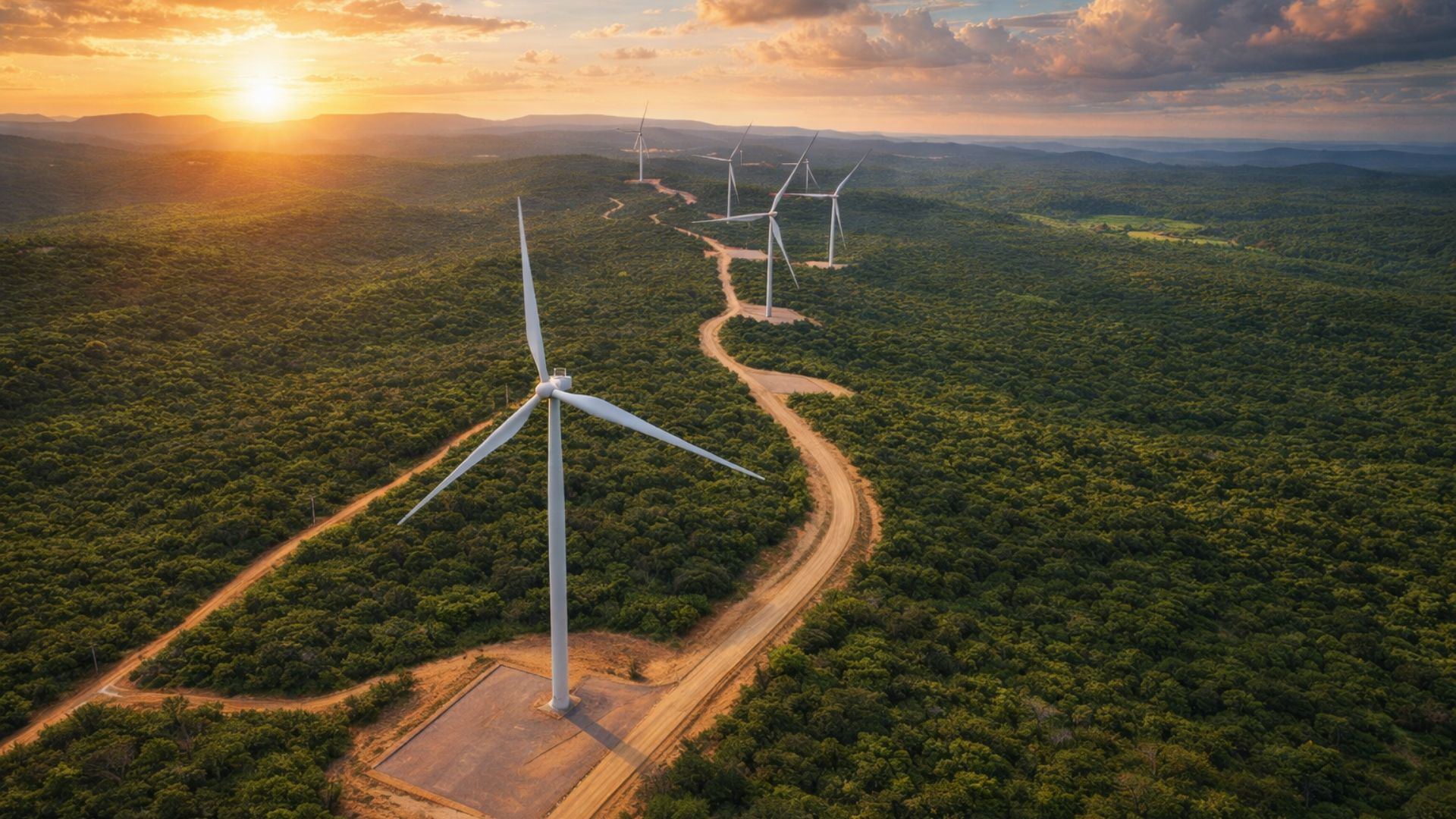

Thus, Nexus will have direct access to 15 average megawatts of energy generated from the wind. This represents 27% of its current electrical demand.
As a result, the company advances its commitment to sustainability, while securing a clean and economical energy source for its operations.
The Evolution Of Energy Self-Generation In Brazil
Since the 1990s, when Brazil began the opening of the electricity market, energy self-generation started to gain relevance among large consumers.
Initially, many opted for conventional sources. However, as environmental concerns increased, the search for clean energies intensified, especially with the growth of global discussions about the climate crisis.
From 2009 onwards, energy auctions dedicated to renewable sources propelled the national wind sector. Consequently, the Northeast emerged as a strategic region, thanks to its favorable geography and wind consistency.
The region began to attract robust investments, consolidating itself as a hub of Brazilian wind energy.
Moreover, the combination of government incentives, technological advancements, and regulatory stability further strengthened trust in the sector.
For these reasons, companies began to see widely self-generated wind energy as an efficient, economic, and aligned with current environmental requirements solution.
The Strategic Role Of The Chafariz Wind Complex
Located in Paraíba, the Neoenergia Chafariz Wind Complex has more than 470 megawatts of installed capacity. This is equivalent to the energy needed to supply approximately 1.3 million homes over a year.
Nexus entering as a partner in the Canoas 3 unit represents, therefore, a strategic choice.
Through this partnership, Nexus Ligas ensures clean energy for a significant part of its operation. But not only that: it also reinforces its positioning as a company committed to the future.
The self-generation of wind energy stands out, in this case, as a solution that combines operational efficiency and environmental responsibility.
Consequently, this partnership strengthens Brazil’s energy security, diversifies the national electric matrix, and serves as an example of cooperation between the productive sector and the energy infrastructure sector.
Neoenergia, in turn, clearly demonstrates that the model can be replicated by other industries wishing to reduce their carbon footprint.
Economic And Environmental Benefits Of Self-Generation
Among the main advantages of energy self-generation, cost predictability stands out.
Considering that the Brazilian electrical system faces tariff fluctuations, especially during drought periods, self-generation proves to be an effective strategy.
Thus, Nexus ensures a continuous supply and protection against sudden price variations of energy.
Additionally, the model contributes to the decarbonization of the economy, one of Neoenergia’s strategic pillars.
Through long-term contracts and investments in renewable sources, the company reaffirms its commitment to sustainable development.
It is also worth highlighting that the contract received approval from CADE, which demonstrates the solidity and legal compliance of the agreement.
From a sectoral perspective, Nexus Ligas’ experience may pave the way for other companies.
Industries such as mining, cement, paper, and cellulose still show great dependence on traditional sources.
By following the same model, they may reduce their environmental impacts and increase their competitiveness in the medium and long term.
Long-Term Commitments To Sustainability
Upon announcing the agreement, Nexus reaffirmed its commitment to reducing or neutralizing greenhouse gas emissions by 2035.
In this context, the investment in self-generation of wind energy represents a concrete step towards achieving this goal.
The company, therefore, takes an important step towards a greener and more resilient operation.
Furthermore, the choice for clean energy positively influences the business environment.
By reducing pressure on the national electrical grid, initiatives like this contribute to greater stability of the system.
In the long run, this may result in greater energy efficiency and even more balanced tariffs for the population.
The wind energy, in turn, presents additional benefits.
It does not generate pollutants, has wide natural availability in Brazil, and reduces dependence on water sources.
Moreover, the installation of wind farms stimulates the development of remote regions, creating local jobs and promoting technical training.
It is also important to remember that the strengthening of the wind energy supply chain generates positive effects across various sectors.
The manufacturing and maintenance of wind turbines, for instance, boosts the national industry and stimulates technological innovation.
A Model For The Future Of Energy In Brazil
Therefore, the contract between Neoenergia and Nexus Ligas goes beyond a simple commercial negotiation.
It is an inspiring model that shows how the self-generation of wind energy can transform the industrial sector.
By investing in self-generation from renewable sources, companies show that it is possible to grow responsibly and sustainably.
Consequently, this type of partnership strengthens Brazil’s position as a leader in clean energies on the international stage.
The combination of long-term vision, socio-environmental responsibility, and commitment to energy efficiency makes the country an example to follow.
The transition to a low-carbon economy depends on actions like this.
When the private sector leads with sustainable practices, the entire society reaps the benefits.
Thus, the agreement between Neoenergia and Nexus Ligas consolidates as a reference for the future of energy in the country.







Seja o primeiro a reagir!