





 Portuguese
  English
  Spanish
 5 min of reading
  0 comments


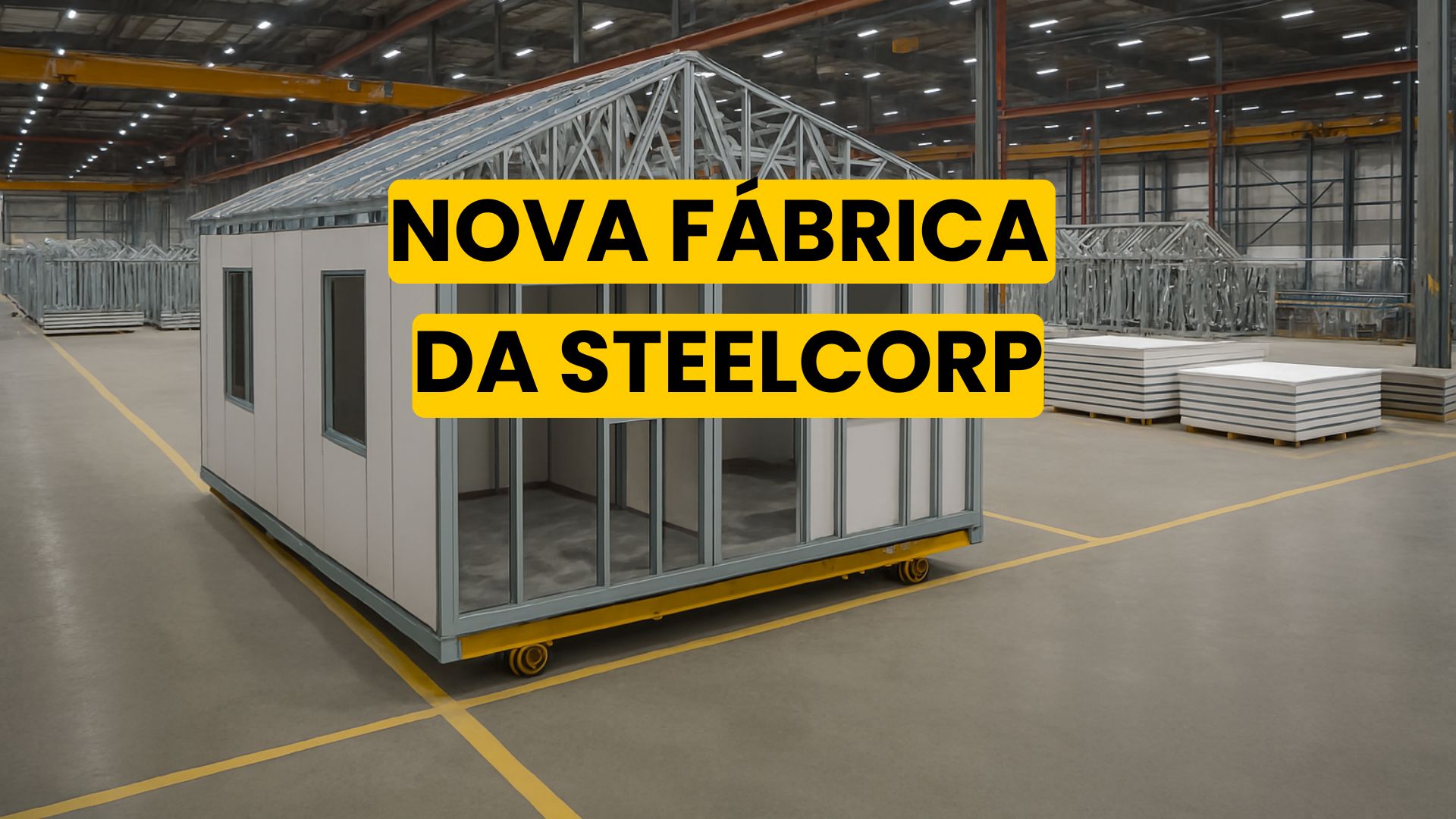
With Support from CBIC, SteelCorp Opens New Factory in Cajamar Capable of Producing 37 Houses Per Day, Accelerating the Industrialization of Civil Construction with Technology and Sustainable Solutions
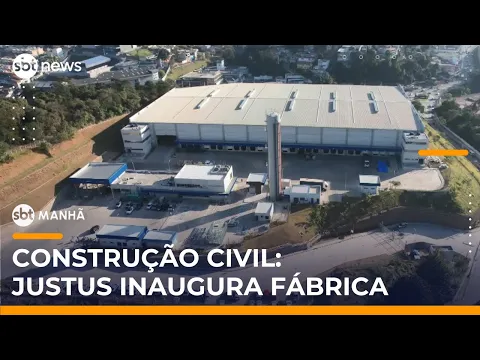
This Wednesday (10), SteelCorp inaugurated its new factory in Cajamar (SP), marking a significant advance in the industrialization of Brazilian civil construction. With the capacity to produce up to 37 houses per day, the unit represents a technological and sustainable milestone for the sector. The event was attended by authorities, business leaders, and representatives from CBIC (Brazilian Chamber of Construction Industry), reinforcing the strategic impact of the initiative.
The new SteelCorp factory is considered by the company to be one of the largest and most modern in Latin America focused on industrialized construction. With 16,000 m² of built area and 4.0 technology, the unit is designed to meet large demands with agility, quality, and sustainability. The daily production capacity allows the company to reach up to 10,000 units per year, contributing to address the Brazilian housing deficit.
Innovation in Civil Construction: SteelCorp Invests in Technology and Scale
The new SteelCorp factory adopts the Light Steel Frame system, which uses lightweight and prefabricated metal structures. This technology allows for the optimization of time, resources, and logistics, reducing waste and improving the thermal and acoustic performance of the buildings. The use of automated processes, such as CNC cutting, robotic painting, and paneling systems, ensures precision and efficiency at every stage of production.
-
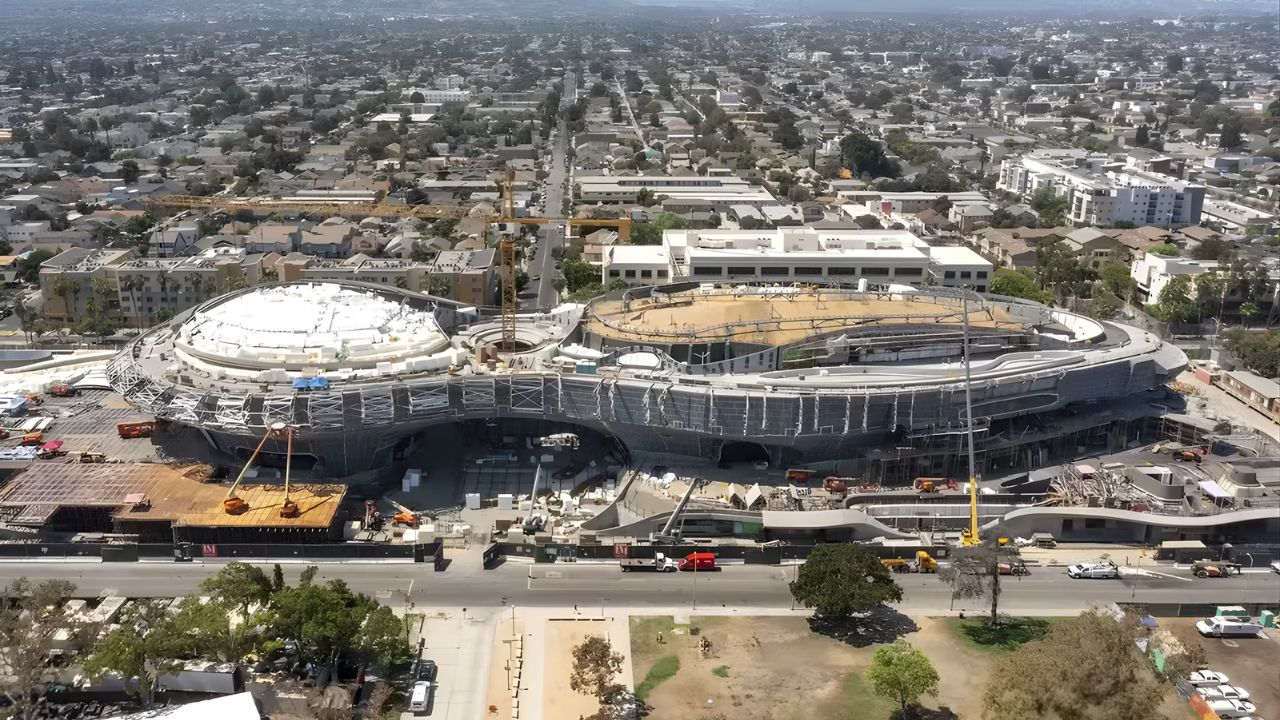
Created by George Lucas with over $1 billion, a futuristic museum in the shape of a spaceship with 1,500 curved panels is about to open in Los Angeles and will house one of the largest private collections of narrative art in the world.
-
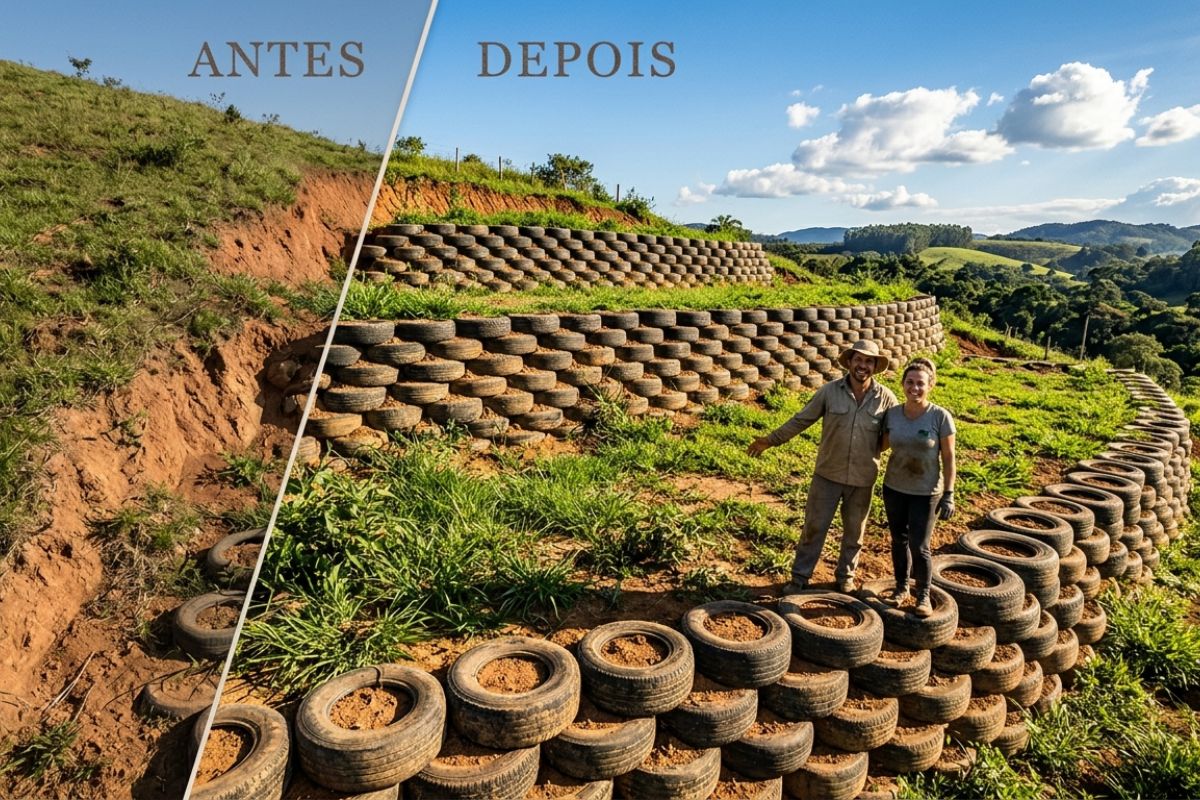
Couple shows how they built a retaining wall on their property using 400 old tires: sloped land turned into plateaus, tires are aligned, filled, and compacted with layers of soil, with grass helping in support and at almost zero cost.
-
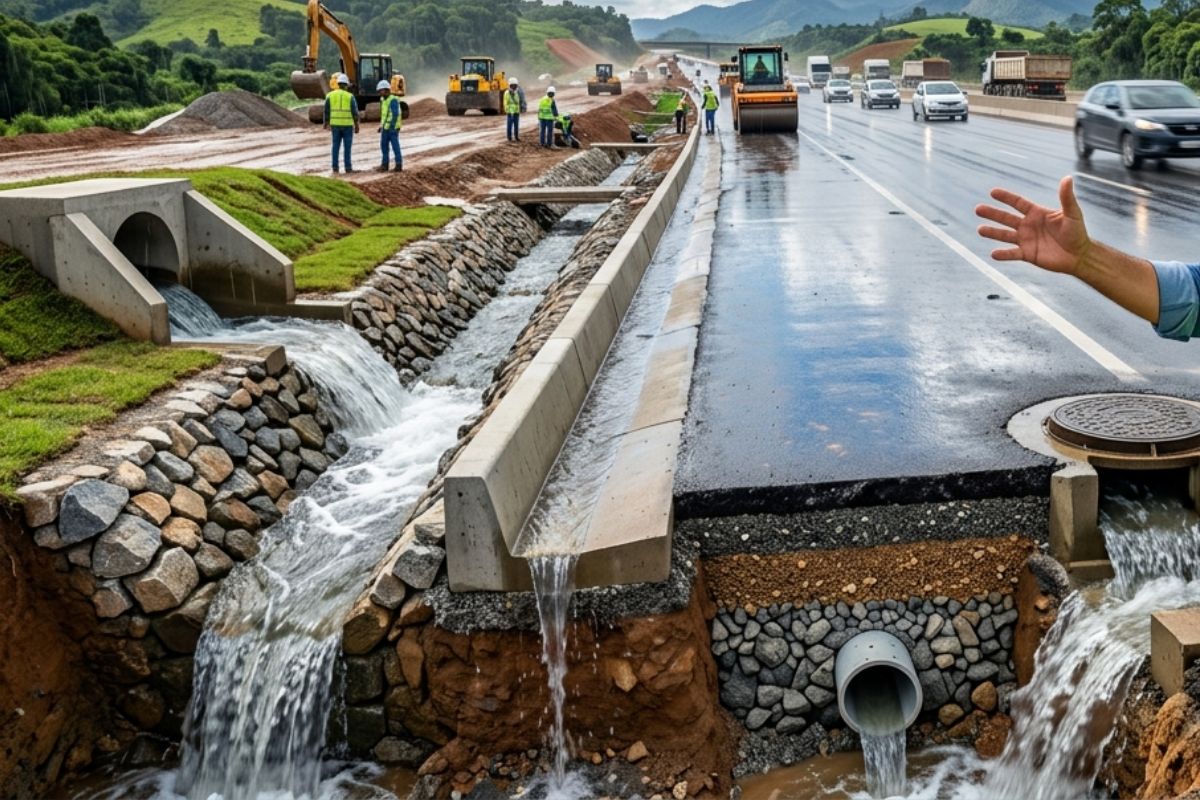
Engineer explains drainage during the rainy season: the difference between surface water and deep water, ditches, gutters, and water outlets on the road, as well as drains and drainage mattresses, to prevent erosion, aquaplaning, and flooding at the construction site today.
-
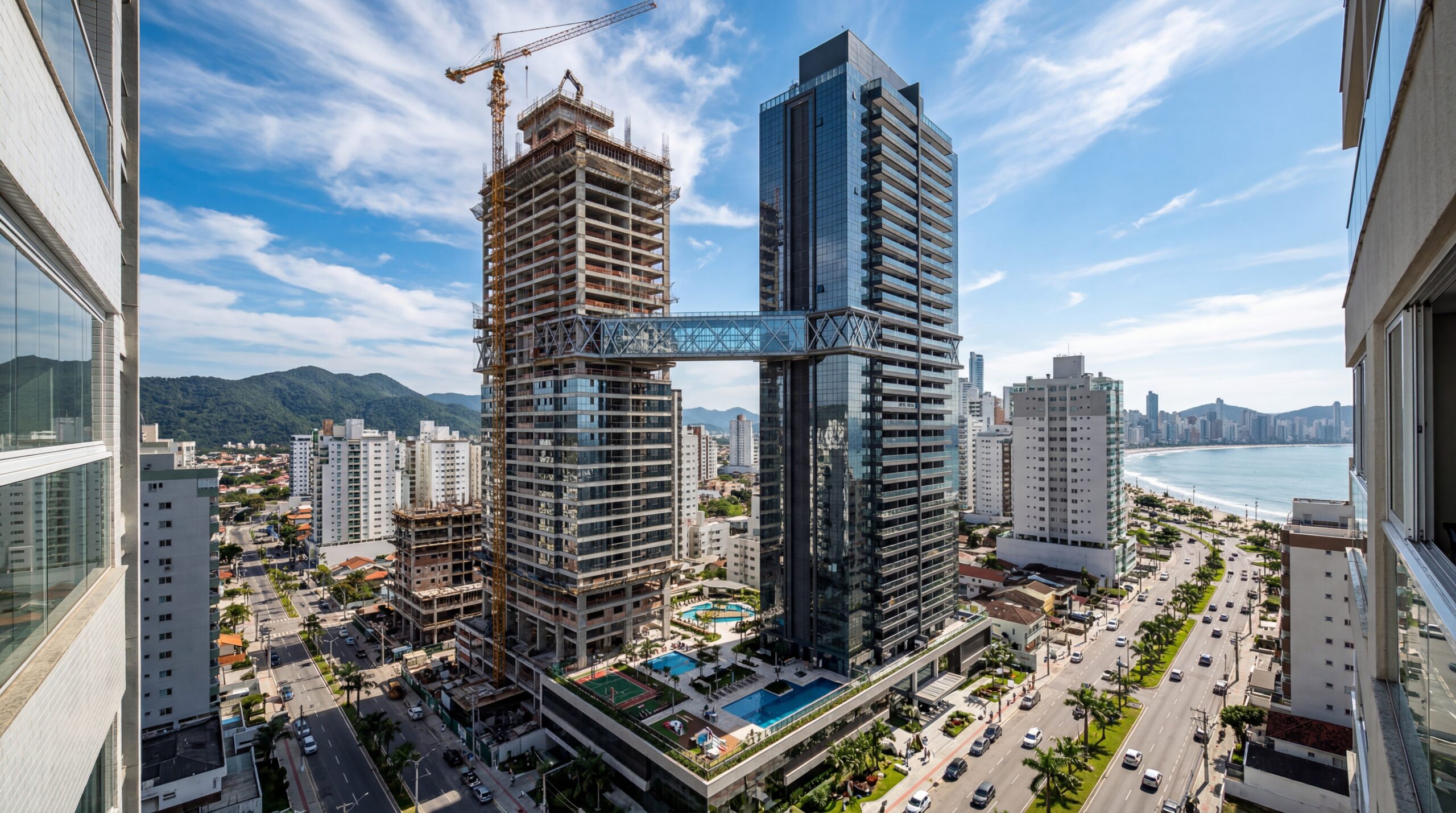
With 55 floors, 177 meters in height, a 15-meter walkway between the twin towers, ventilated facade, and 6,300 m² of leisure space, Ápice Towers already has one tower completed and another nearly at the top.

The capacity to produce 37 houses per day is the result of a highly integrated assembly line, which allows for standardization and cost reduction. This industrialized approach represents a break from traditional civil construction methods, offering faster and more sustainable solutions.
During the inauguration, visitors explored the Villa Steel, a full-scale showroom that presents the available residential and commercial models. Among the highlights are the Popular Casa Lumina, aimed at the reconstruction of Rio Grande do Sul, and projects such as Casa Zen and Casa Cora. The Villa Steel also houses the Laboratory House, dedicated to testing and researching construction solutions, reinforcing the company’s commitment to continuous innovation.
Sustainability at SteelCorp’s New Factory
The new factory received the LEED international certification, a global reference in sustainable constructions. Among the measures adopted are:
- Use of photovoltaic panels for energy self-sufficiency
- Collection and reuse of rainwater
- Optimized energy consumption
- Tensioned tarps capable of generating energy
These practices not only reduce environmental impact but also position SteelCorp as a benchmark in social and environmental responsibility in civil construction. The adoption of sustainable solutions is a competitive advantage that meets market demands and global emission reduction goals.
Additionally, the Light Steel Frame system used in the production of houses contributes to sustainability by reducing the use of conventional materials such as cement and bricks, which have a high environmental impact. The energy efficiency of the buildings also ensures lower electricity consumption and greater thermal comfort for residents.
CBIC Highlights the Importance of the New Factory for the Sector
The inauguration ceremony was attended by Renato Correia, president of CBIC, who highlighted the role of the new factory as an example of modernization and efficiency in the sector.
The partnership between SteelCorp and CBIC reinforces the importance of initiatives that promote innovation, job creation, and large-scale housing solutions.
The new factory represents a model that can be replicated in other regions of the country, contributing to the reduction of the housing deficit and economic development.
CBIC also sees industrialized construction as an opportunity to improve the sector’s productivity, which has historically faced challenges such as low-skilled labor, waste of materials, and long timelines. By adopting technologies like those of SteelCorp, it is possible to turn these bottlenecks into competitive advantages.
Economic Impact and Projections of SteelCorp’s New Factory
The investment in the new factory is part of SteelCorp’s goal to reach R$ 1 billion in revenue by 2026. With the capacity to produce 37 houses per day, the company triples its business volume and expands its operations in public and private projects. The expectation is that the unit will significantly contribute to the company’s growth in the coming years.
Furthermore, the factory has the potential to generate hundreds of direct and indirect jobs, moving the productive chain of civil construction and contributing to regional development. The strategic location in Cajamar, close to major urban centers and highways, facilitates logistics and distribution of housing units.
SteelCorp also plans to expand its operations to other states, bringing the modular construction model to regions with high housing demand. The flexibility of the projects allows catering to both popular housing programs and commercial and corporate developments.

Customer Experience and Differentiation in the Real Estate Market
SteelCorp’s strategy goes beyond mass production. The company invests in customer experience, offering immersive visits to Villa Steel, where it is possible to experience the thermal and acoustic comfort of the houses, understand the materials used, and visualize the projects in full scale.
This approach generates trust, engagement, and strengthens the connection between brand and consumer, creating a competitive advantage in the real estate market. Transparency in processes and the possibility of project customization are factors that increase customer satisfaction and loyalty.
SteelCorp also invests in digital channels to facilitate the customer journey, offering simulations, visit scheduling, and real-time production tracking. This integration of technology and service reinforces the company’s image as innovative and user-centered.
SteelCorp’s New Factory and the Future of Civil Construction in Brazil
The inauguration of SteelCorp’s new factory represents a turning point for Brazilian civil construction. With the capacity to produce 37 houses per day, cutting-edge technology, and sustainable practices, the unit positions the country as a reference in industrialized construction in Latin America.
The support from CBIC, the adoption of automated processes, and the focus on customer experience demonstrate that the sector is prepared to face housing challenges with innovation and efficiency. SteelCorp’s new factory not only expands the availability of housing but also redefines quality, speed, and sustainability standards in construction.
For professionals, investors, and consumers, this initiative is an invitation to rethink the future of housing in Brazil — and to actively participate in this transformation. The civil construction sector is experiencing a moment of renewal, and SteelCorp is at the forefront of this movement, offering solutions that combine technology, scale, and environmental responsibility.








-

Uma pessoa reagiu a isso.