





 Portuguese
  English
  Spanish
  4 min of reading
  0 comments


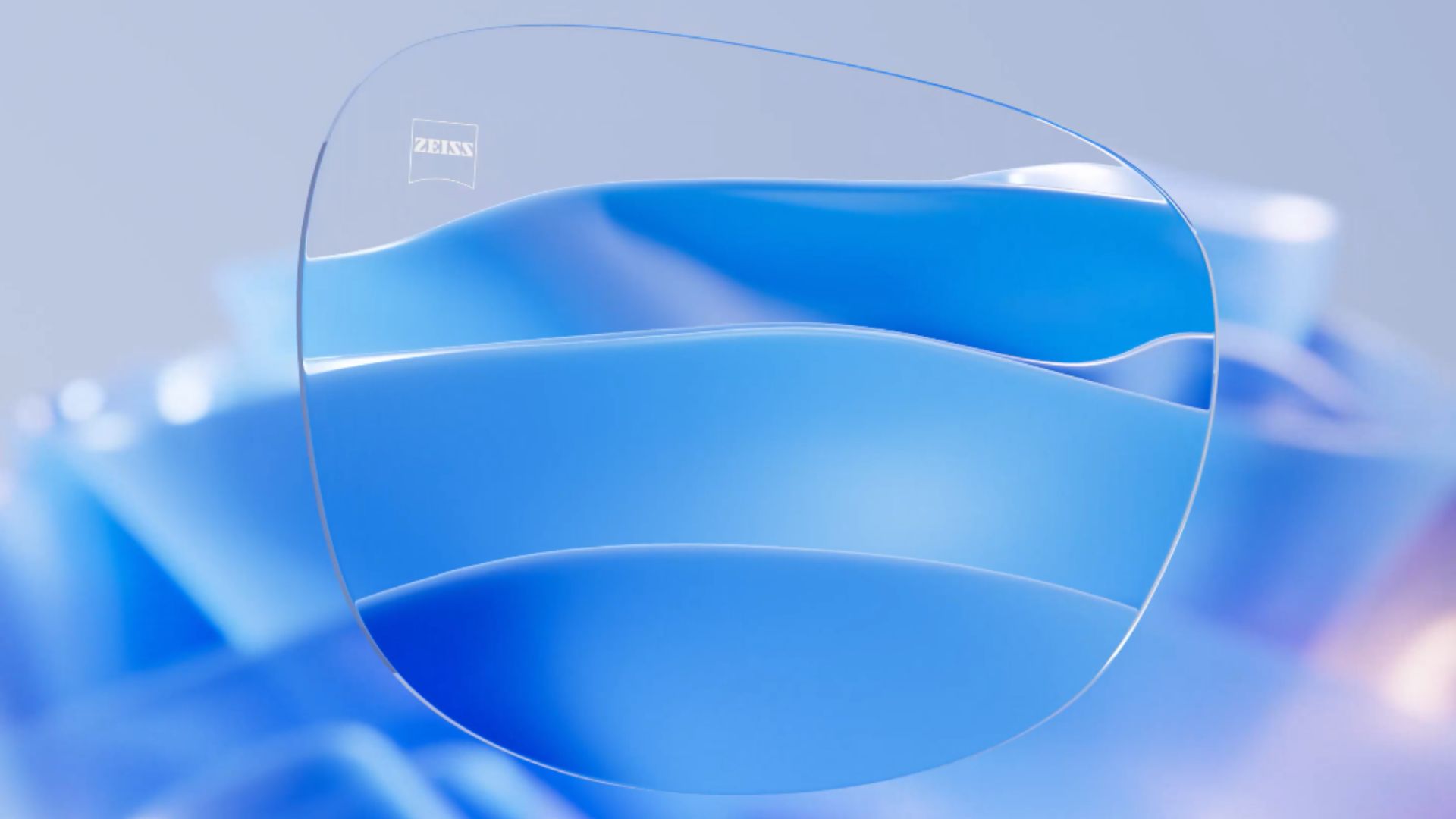
Unprecedented technology developed in Germany emerges as a solution for visual fatigue and mental overload caused by the intense use of cell phones, computers, and multiple digital stimuli
In an increasingly screen-dominated environment with constant visual stimuli, a technological innovation promises to completely transform the way we see the world — and, mainly, how the brain processes this information. The information was disclosed by “Veja Saúde”, based on data from the manufacturer and studies conducted in Europe, revealing a significant advancement in the field of visual health.
The new generation of ClearMind lenses, developed by the German company Zeiss, arrives in Brazil with a proposal that goes far beyond simply correcting issues like myopia, hyperopia, or astigmatism. Instead, the focus is on reducing the so-called cognitive load — that is, the mental effort the brain needs to make to interpret images when there are imperfections in vision.
Moreover, in a world where attention is constantly divided between cell phones, tablets, and computers, this type of innovation emerges as a direct response to a silent yet increasingly common problem: mental fatigue caused by vision.
-
Scientific study identifies unique blood patterns that reveal the secret of individuals who surpass 100 years of age.

-
Princeton engineers create a flexible 3D-printed robot that eliminates motors and uses heat to perform complex movements.

-
Security alert: The proliferation of fake QR codes in public places facilitates financial scams and personal data theft.

-
New AI models can detect problems in craters and predict underground collapses with high accuracy.



How the NeurOptix technology reduces cognitive load and improves concentration
To understand the impact of this innovation, it is essential to grasp the concept of cognitive load. Basically, it refers to the additional effort the brain makes when trying to compensate for unfocused areas in traditional lenses — something that occurs even without the user noticing.
In this context, the NeurOptix technology, developed by Zeiss laboratories in partnership with the University of Tübingen in Germany, emerges as a game changer. This is because it reorganizes the sharpness zones of the lenses according to the natural behavior of the eyes.
In other words, while conventional lenses have areas of blur that require constant adaptation, the new lenses align the sharpest regions with the points of greatest visual use in daily life. Consequently, the brain needs to work less to interpret the images.
According to Paula Queiroz, Marketing and Product Director at Zeiss Vision Brazil, the benefit is direct and measurable. According to her, the clearer the image from the start, the less effort is needed to understand it. Thus, visual processing becomes more efficient, significantly reducing mental fatigue.
Furthermore, this technology also strategically shifts the unfocused areas to regions that do not interfere with functional vision, creating a more fluid and comfortable visual experience.
Impressive results: up to 90% of users report less mental effort
The impacts of this innovation are not limited to the theoretical realm. To validate the effectiveness of the ClearMind lenses, Zeiss conducted a study with users in Germany — and the results were striking.
More than 90% of participants reported a significant reduction in cognitive load after using the lenses. At the same time, 85% stated they noticed improvements in well-being by the end of the day, while nearly 70% said they felt their eyes more “revitalized” during their daily activities.
These numbers gain even more relevance when analyzed from the perspective of neuroscience. This is because seeing is not just a physical process, but also a neural one. That is, when the image reaches the brain in a blurred form, it needs to complete this information, demanding more from working memory and increasing brain activity.
On the other hand, by offering clearer images from the outset, the new lenses reduce the need for visual compensation. As a result, the user experiences less fatigue, greater comfort, and a significant improvement in concentration throughout the day.
Launch in Brazil, prices, and who the lenses are recommended for

Given these advancements, it is no surprise that the launch of the ClearMind lenses is generating great expectations in the Brazilian market. The product has already started to arrive at optical stores in the country and will be officially presented during ExpoVisão in São Paulo on April 8.
However, it is important to highlight that prices vary significantly depending on the prescription, type of treatment, and specific needs of each user. Currently, prices start at R$ 1,987.00 and can go up to R$ 16,619.00.
In terms of recommendation, the lenses are suggested for people with refractive errors in general, such as myopia, hyperopia, and astigmatism. However, they stand out especially among those who spend long hours in front of screens, as they help maintain focus with less visual and mental effort.
Therefore, in an increasingly digital and demanding world, the arrival of this technology may represent not only an evolution in the way we see but also a real improvement in quality of life.




Seja o primeiro a reagir!