





 Portuguese
  English
  Spanish
  2 min of reading


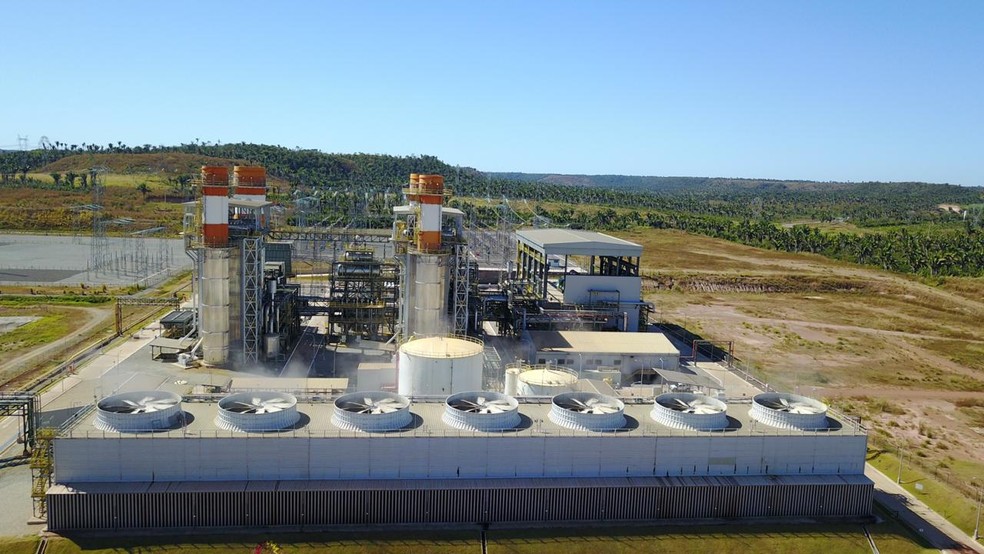
The Plant is Located in Nova Iguaçu, but Seropédica, Home to the Largest Landfill in Latin America, Also Gets a Biogas Plant That Will Be Used in Industries and Vehicles.
The municipalities of the state of Rio de Janeiro, Seropédica and Nova Iguaçu, have received two new plants that will use biogas as fuel to power thermoelectric plants and in industries and vehicles.
The plants were inaugurated yesterday (07/04), belong to Gás Verde S.A, and will produce biogas and gas from landfill waste, which is much purer and less polluting than gas from petroleum.
Gás Verde S.A stated that biogas, once refined, is sold as fuel in industries and vehicles, while the gas extracted from waste will supply the company’s thermal plant.
-
While Brazil wants to end the 6×1 work shift, the president of Argentina wants 12 hours for his workers, increasing political tension in the country.

-
The village where two rivers run side by side without mixing in Santarém and Alter do Chão reveals some of the most beautiful freshwater beaches on the planet.
-
Mars is accelerating, and scientists have discovered that the planet’s day is getting shorter, revealing surprising signs of internal activity.

-
Artemis 2 is set to launch on April 1 at 7:24 PM to orbit the Moon with four astronauts, but a class X solar flare and coronal mass ejection could interfere with communications and threaten the launch.


Seropédica Landfill
Both plants were installed in the state of Rio de Janeiro, and one of them is located in the municipality of Seropédica, where the largest landfill in Latin America is situated.
The landfill receives approximately 10,000 tons of waste per day from other municipalities in the state, and the new plant will have the capacity to produce 200,000 cubic meters daily.
To give an idea, this volume is enough to fill the tanks of 13,000 vehicles, and when fully operational, the unit will produce 73 million cubic meters of renewable natural gas (GNR) per year.
Nova Iguaçu Landfill
The other plant was installed in Nova Iguaçu, a municipality in the lowlands of the state of Rio de Janeiro, whose landfill is managed by Foxx Haztec.
The gas is purchased by Gás Verde and is used to fuel a thermoelectric plant owned by it that utilizes 9,500 cubic meters of biogas per hour and produces 150,000 megawatt-hours (MWh) of energy annually, which meets the consumption of 70,000 households.
Gás Verde is very proud of the startup of the two new plants, which will produce cleaner energy compared to those powered by coal, oil, and natural gas.
In addition to contributing to the environment by reducing greenhouse gases, the plants will also serve as an additional source of income for the landfills.








Seja o primeiro a reagir!