





 Portuguese
  English
  Spanish
  4 min of reading


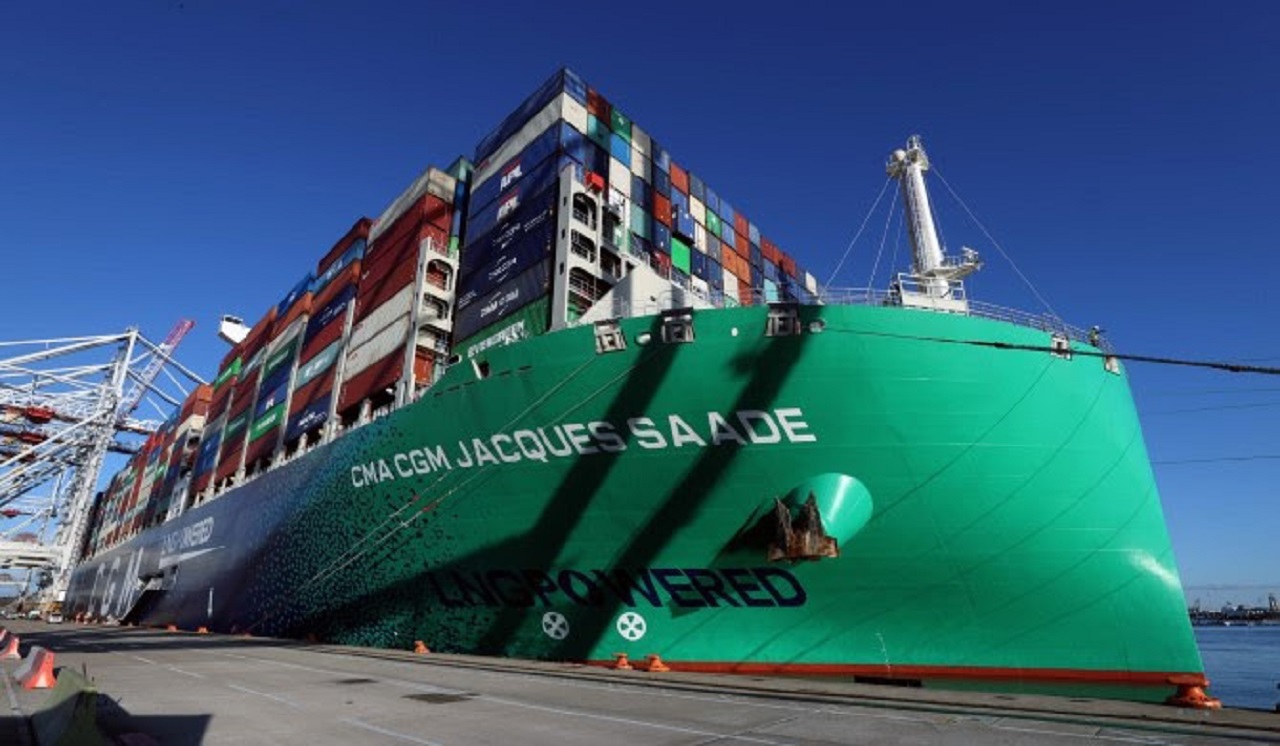
Nowadays, LNG Is the Perfect Choice Available to Reduce the Carbon Footprint of Transportation and Preserve Air Quality
In order to help reduce carbon dioxide, CMA CGM is bringing a new option to the maritime transport market and other logistics modalities. Biomethane, which is a gas derived from biogas, is achieved by removing water vapor, carbon dioxide, hydrogen sulfide and has a higher combustion capacity than biogas. This non-fossil energy is the best option for carbon-free shipping.

With significant influence in the UN global pact, Rodolphe Saadé, president and CEO of CMA CGM Group, which is a world leader in transport and logistics, has demonstrated results that will instantaneously contribute to the COP26 goals of being carbon neutral by 2050.
-
With 74% of companies facing difficulties in hiring, technicians and engineers in renewable energy are becoming scarce in Brazil and are essential to support the expansion of solar, wind, and green hydrogen projects.

-
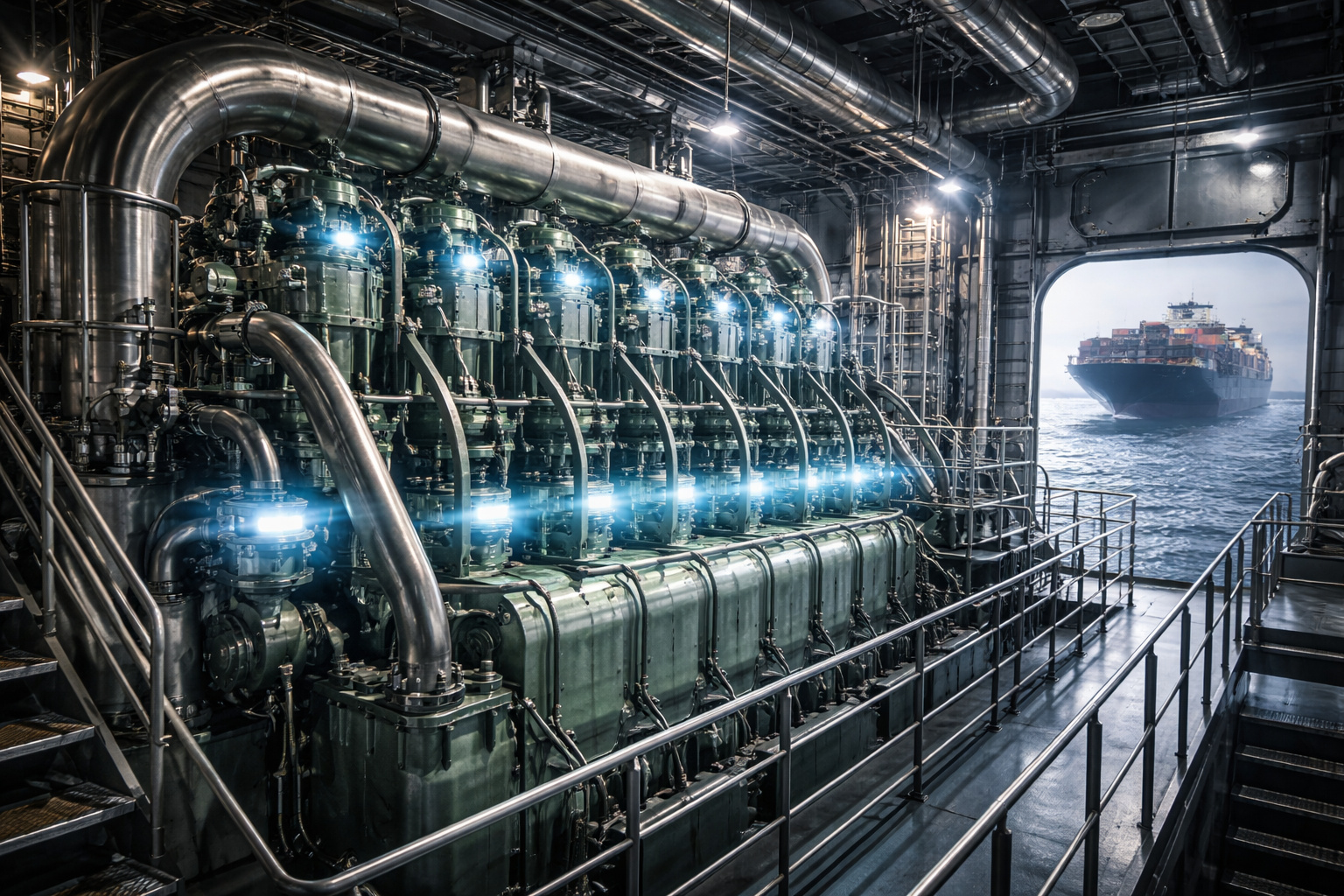
Europe is trying to create an ammonia-powered marine engine without auxiliary fuel, which could unlock the race for giant emission-free ships. The technology aims to eliminate one of the biggest obstacles to clean maritime propulsion.
-
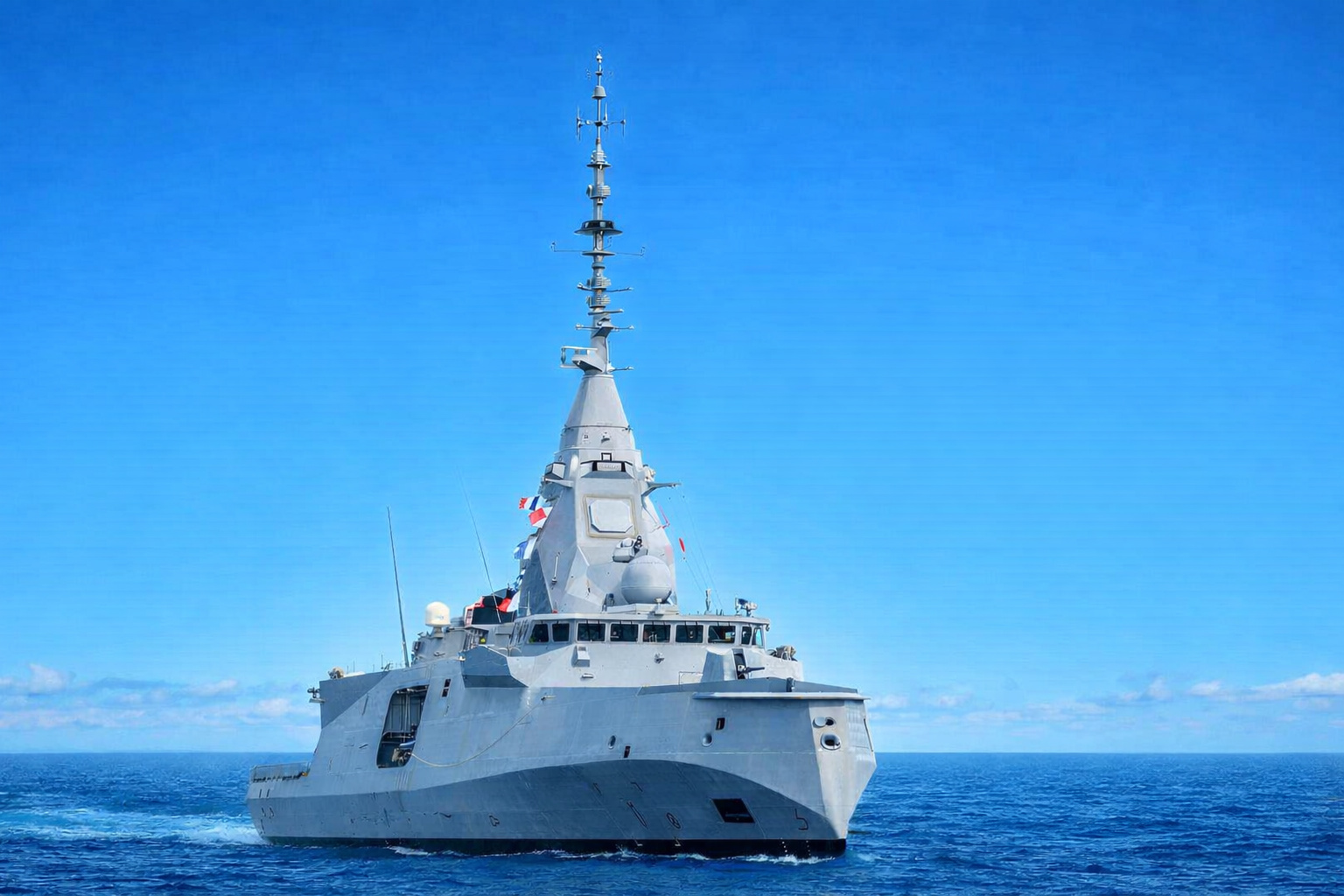
A 4,500-ton frigate with just over 100 crew members, state-of-the-art radar, and cruise missiles is being touted as the new standard of naval warfare in the 21st century.
-
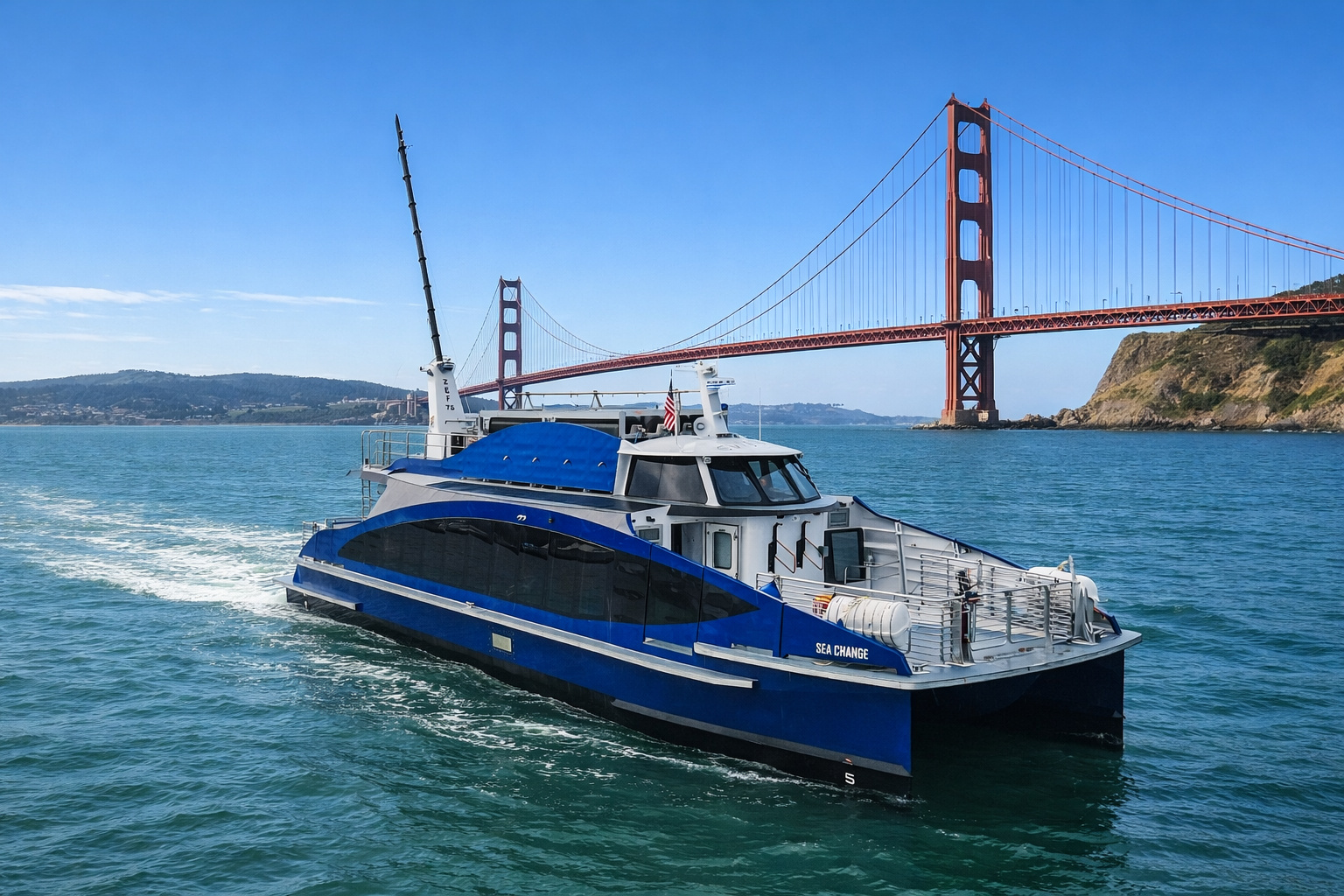
The first commercial hydrogen-powered ferry enters operation in the U.S., eliminates the use of diesel, uses fuel cells to generate clean energy on board, and transforms San Francisco Bay into a landmark of the new era of emission-free navigation.

What Is Biomethane in the Mission to Reduce CO2?
Biomethane is the closest step to the idealization of CO2-free maritime transport. With the support of the CMA CGM group in producing 12,000 tons of biomethane, the group has achieved a milestone in its effort to be carbon-free. This amount of fuel is equivalent to the consumption of two 14,000 TEU vessels for an entire year.
Biomethane is an energy source that reflects a great model of a circular economy operating in harmony with the agricultural sector. Investing in equipment to produce biomethane and understanding the feasibility of liquefaction processes to utilize it as navigation fuel is CMA CGM’s goal.
How Can Biomethane Production Assist Ships in the Maritime Transport Sector?
CMA CGM is advancing its commitment to lead the energy transition in the maritime transport sector by supporting biomethane production. In 2020, the group achieved a 4% reduction in its global carbon dioxide emissions, and in 2019, the reduction was 6%.
To supply two LNG-powered vessels of 1,400 TEU, 12,000 tons of guaranteed-origin biomethane are needed, allowing these vessels to operate on the route between St. Petersburg and Rotterdam for one year.
The CMA CGM dual-fuel gas energy technology combined with guaranteed-origin biomethane can reduce greenhouse gas emissions by at least 67%.
CMA CGM’s Proposal for Low Carbon Emissions
Starting in May 2021, CMA CGM Group will offer customers the possibility to choose biomethane through its range of services ACT with CMA CGM+. This action will surely be a significant step in reducing the environmental impact of these customers’ maritime transport of goods.
The services offered by ACT with CMA CGM+ are designed to promote environmental stewardship; they can provide analysis, reduction, and offset of the customers’ environmental footprint so they can act with awareness and responsibility in favor of sustainability.
The technology in support of CMA CGM Group’s commitment to reducing carbon dioxide emissions
The major technological innovations that are effective and available in the market to accelerate the energy transition in the maritime transport and logistics industry are among the tools used by CMA CGM Group.
Nowadays, LNG is the perfect choice available to reduce the carbon footprint of transportation and preserve air quality. It can reduce sulfur dioxide emissions by 99%, particulate emissions by 91%, and nitrogen oxide emissions by 92%, far exceeding existing standards. By 2022, it is forecast that around 30 of the group’s vessels will be LNG-powered.
The group’s research and its partners are in full swing to develop and identify future energy sources with the intention of finding a way to positively impact environmental preservation.
About CMA CGM Group
Led by Rodolphe Saadé, CMA CGM Group is a world leader in shipping and logistics. With 500 ships serving over 420 ports across five continents, they transported around 22 million TEUs (twenty-foot equivalent units) in 2019. With CEVA Logistics, a global leader in logistics services, CMA CGM handles over 500,000 tons of air freight and 1.9 million tons of land freight every year. Learn more about the group on the official website here.








Seja o primeiro a reagir!