





 Portuguese
  English
  Spanish
  4 min of reading
  0 comments


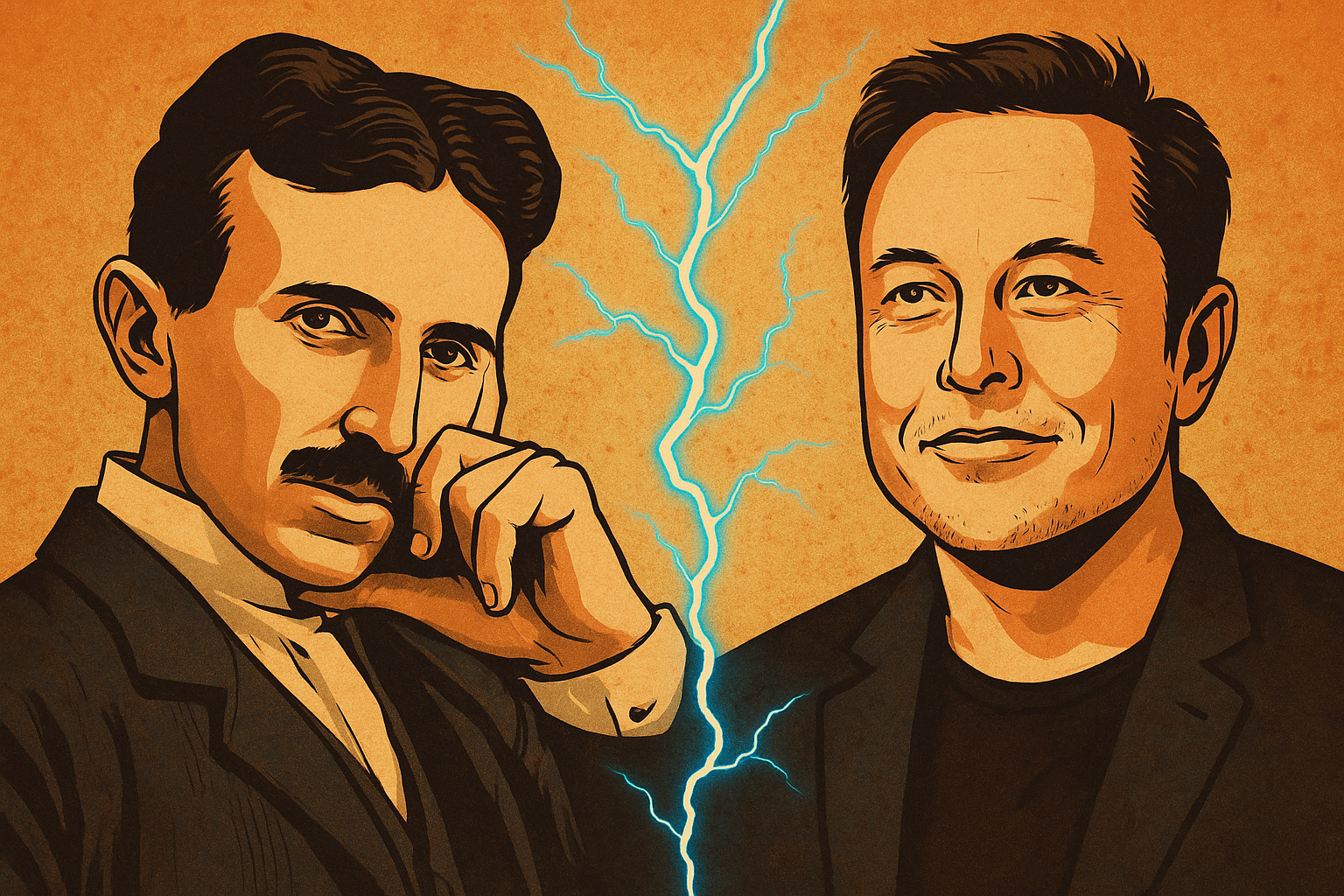
Nikola Tesla Would Probably Say He Invented The Modern Electric Car. Historian Explains Why He Would Be Delighted With Elon Musk’s Company.
When it comes to “Tesla,” many immediately think of electric cars and Elon Musk. The most common image today is not that of the inventor Nikola Tesla, but rather that of modern vehicles and the South African billionaire.
However, a historian decided to imagine what Tesla himself would think of the company that bears his name — and the answer is surprising.
Tesla Would Say He Invented Musk’s Cars
Historian Professor Iwan Morus, in an interview with the podcast HistoryExtra, stated that Tesla would have been thrilled with the idea of a car manufacturing company named after him. More than that: he would likely assert that he was the original creator of that technology.
-
The village where two rivers run side by side without mixing in Santarém and Alter do Chão reveals some of the most beautiful freshwater beaches on the planet.

-
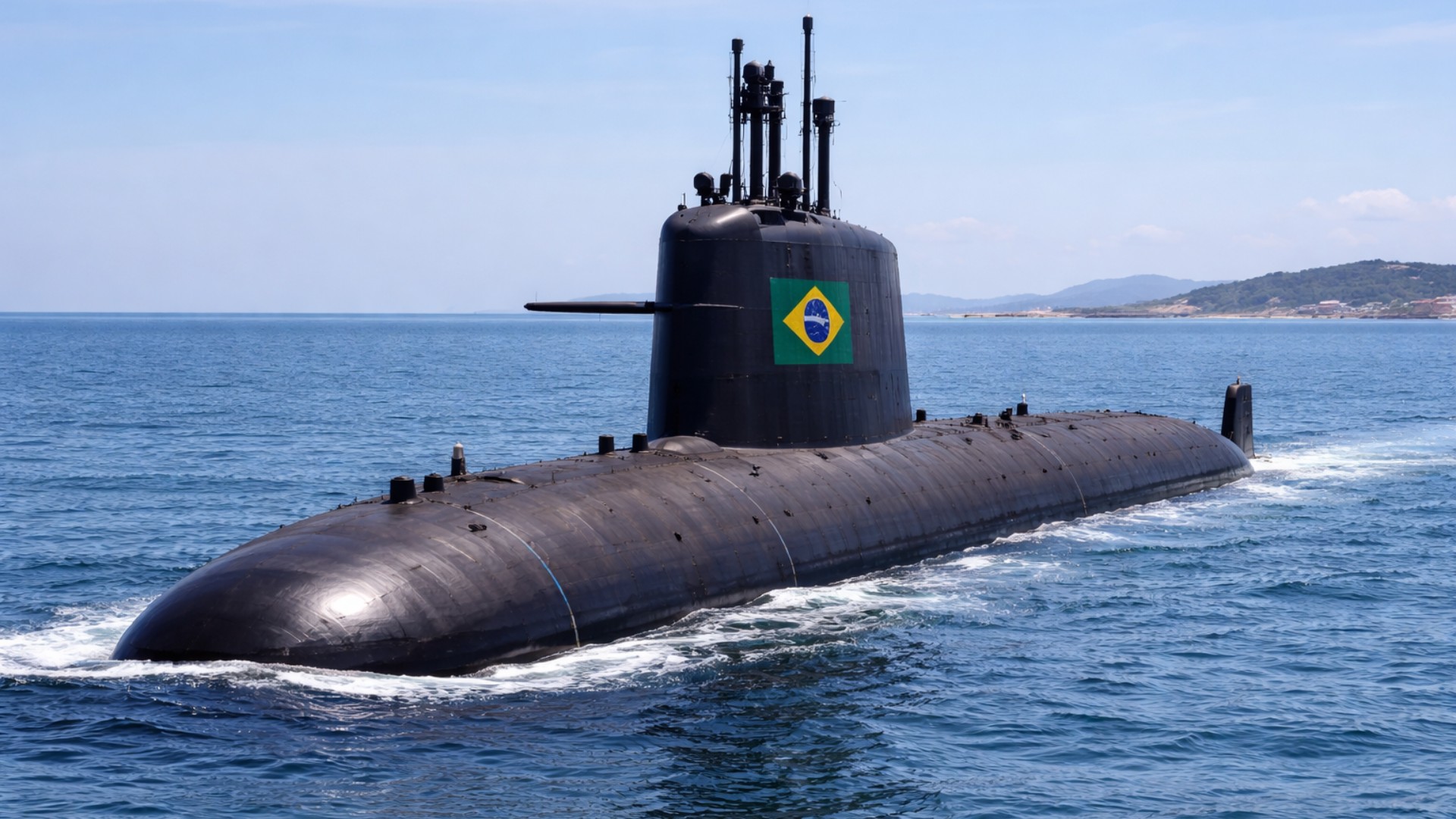
Brazil’s nuclear submarine with a speed 5 times greater than normal advances after nearly 50 years and R$ 40 billion spent.
-
A Brazilian island charges R$ 0.50 to receive visitors and prohibits any new residents.

-
Why was the Great Wall of China built? The truth that many are unaware of!


“He would have been delighted and claimed to have invented the electric car,” said Morus. According to the historian, this attitude would come as no surprise. Tesla was known for making bold claims about inventions that were being developed around him.
A Brilliant And Eccentric Inventor
Nikola Tesla was born in 1856 and became one of the most fascinating figures in science in the 19th century. After moving to the United States in 1884, he became involved in the dispute known as the “War of Currents,” where he advocated for alternating current, in opposition to the direct current promoted by Thomas Edison.
With the support of George Westinghouse, Tesla helped establish alternating current as the standard in the United States. His work with polyphase motors was essential for the advancement of the modern electrical industry. But Tesla was also known for exaggerating. He often claimed that he had created things like X-rays and radio waves, even without being the sole responsible for them.
Therefore, Morus believes he would not hesitate to claim that the electric car was one of his creations. “He claimed to have invented everything that [was] already in the works,” he explains.
Electric Cars Already Existed In Tesla’s Time
By the end of the 19th century, while Tesla was still active, electric taxis were already operating in cities like New York and London. These vehicles circulated before the dominance of combustion engines.
Even so, Tesla showed more interest in visionary ideas than in market-ready products. He wanted to change the world with great concepts, even if that did not translate into immediate financial returns.
Musk And Tesla: More Alike Than They Seem
Although Elon Musk did not found Tesla Motors or choose the name, he became the public face of the company. For the historian, Musk sees himself as an heir to Tesla’s innovative spirit.
“Musk, I think quite clearly and in many ways, sees himself as a figure similar to Tesla,” states Morus. “Someone who has this ability to innovate, supposedly, to break patterns, to change the world alone.”
This image fits the myth of the “lonely genius.” Both Tesla and Musk stood out for their bold attitudes, disruptive ideas, and desire to transform the future through innovation.
Tesla Was Also A Theatrical Public Figure
Nikola Tesla knew how to use the media of his time. He conducted public demonstrations, lit lamps wirelessly, and passed electricity through his body. These presentations transformed him into a scientific celebrity. He was called “The Wizard of Electricity.”
But, according to Morus, this fame masked the collective effort of the science of his time. “It is profoundly ironic that Tesla is inventing this myth of a single genius inventor, iconoclastic and disruptive, at the time when the true triumphs of late Victorian engineering reside in a vast collective effort,” he assesses.
The Myth Of The Individual Who Changes Everything
For the historian, the idea that a single person can change the world is a seductive illusion. It is easy to believe that innovation comes from isolated geniuses, but the reality is more complex. Real changes in science and technology take decades, even centuries.
“Often, [this narrative] makes it seem like everything can change tomorrow. But that’s not how it happens,” explains Morus.
Tesla Died Forgotten, But His Name Lives On
At the end of his life, Nikola Tesla was living alone in a hotel in New York. He died in 1943, broke and largely forgotten. Nevertheless, he made speeches about grand ideas, such as death ray weapons and wireless energy.
Despite this, his name remained alive, to the point of being used by one of the largest electric car manufacturers in the world.
According to Morus, Tesla would certainly feel proud to see his name on modern cars. And, unsurprisingly, he might say that he created them before anyone else.
The vision of Nikola Tesla, amidst exaggerations and genius, helped shape the imagination of innovation. Today, his name moves through the streets of the world — in silence, with batteries and electric motors.






Seja o primeiro a reagir!