





 Portuguese
  English
  Spanish
  5 min of reading
  8 comments


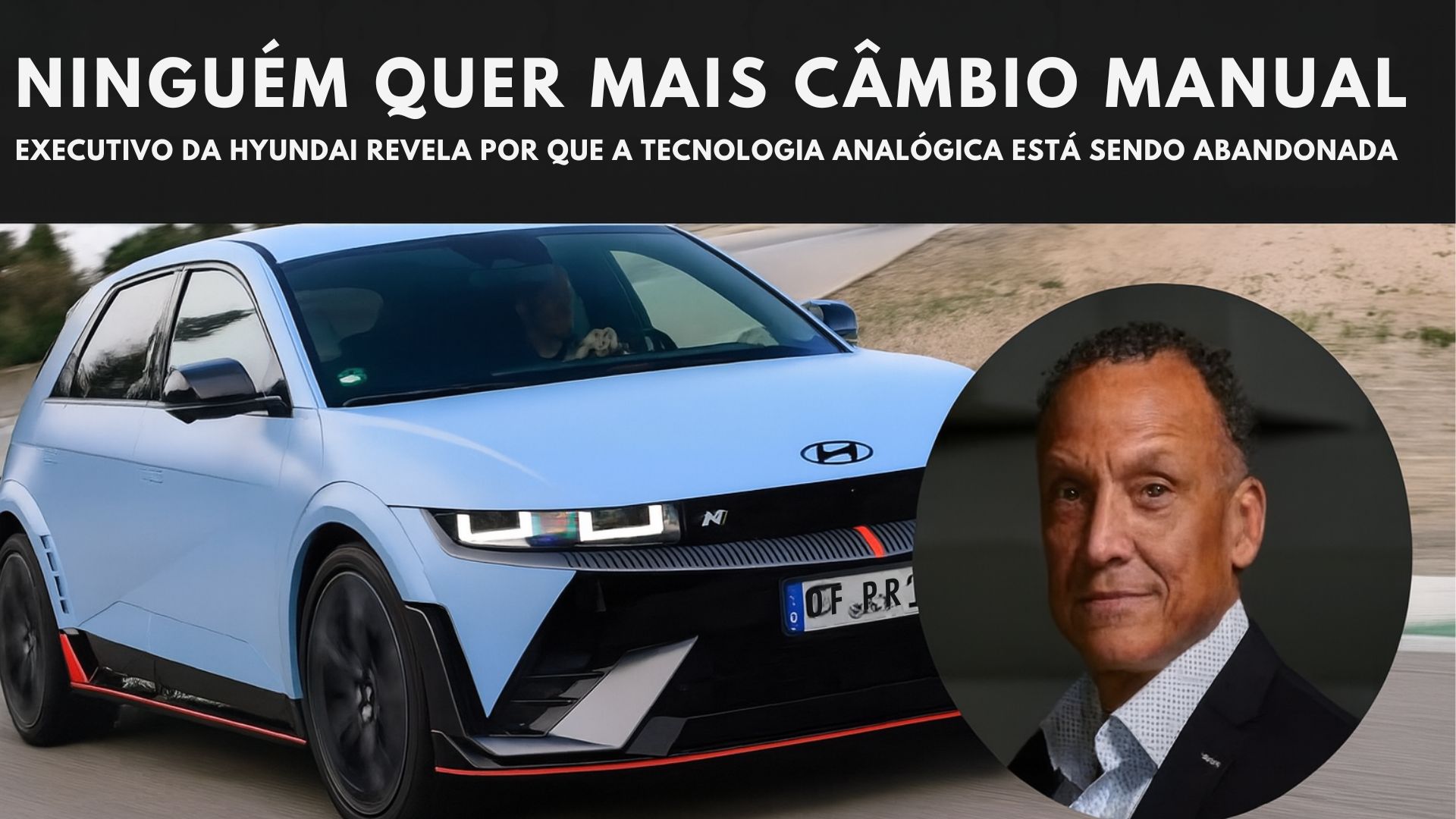


Hyundai Executive Explains The Decline Of The Manual Transmission And How The Rise Of Electric Cars Accelerates The End Of The Manual Transmission. Discover The Trend Of Automatic Transmissions And The Strategies Of The Automaker For The Future Of Mobility
The recent statements from Hyundai executives have made it clear that the traditional Hyundai manual transmission is rapidly losing ground in the market. Tyrone Johnson, the chief technical officer of Hyundai Motor Europe, stated unequivocally that “no one wants a manual transmission anymore.” For him, technologies like mechanical hand brakes and analog instruments are being replaced by digital and automated solutions, signaling what many experts are already pointing to as the end of the manual transmission.
This movement, driven primarily by the revolution of electric vehicles, is changing not only how cars are manufactured but also the driving experience itself. The transition to the automatic transmission trend has direct impacts on consumers, the industry, and the future of mobility.
The Decline Of The Manual Transmission: Why Analog Technology Is Being Left Behind
According to Tyrone Johnson, the manual transmission is in decline because the public simply no longer desires it.
-
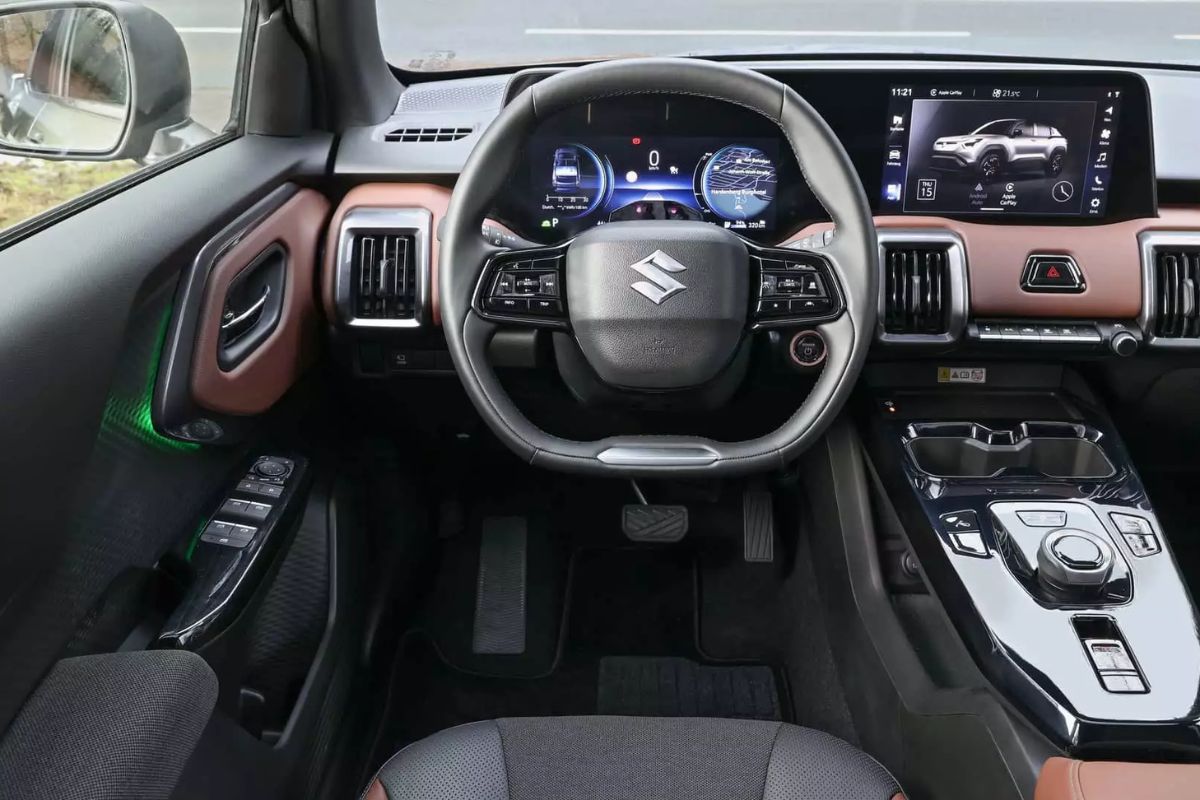
The 2026 electric Vitara arrives in Brazil and proves that Suzuki is not leaving: 4×4 traction, 184 hp, 61 kWh LFP battery, 293 km range, R$ 259,000, and a trunk capacity of 224 L.
-
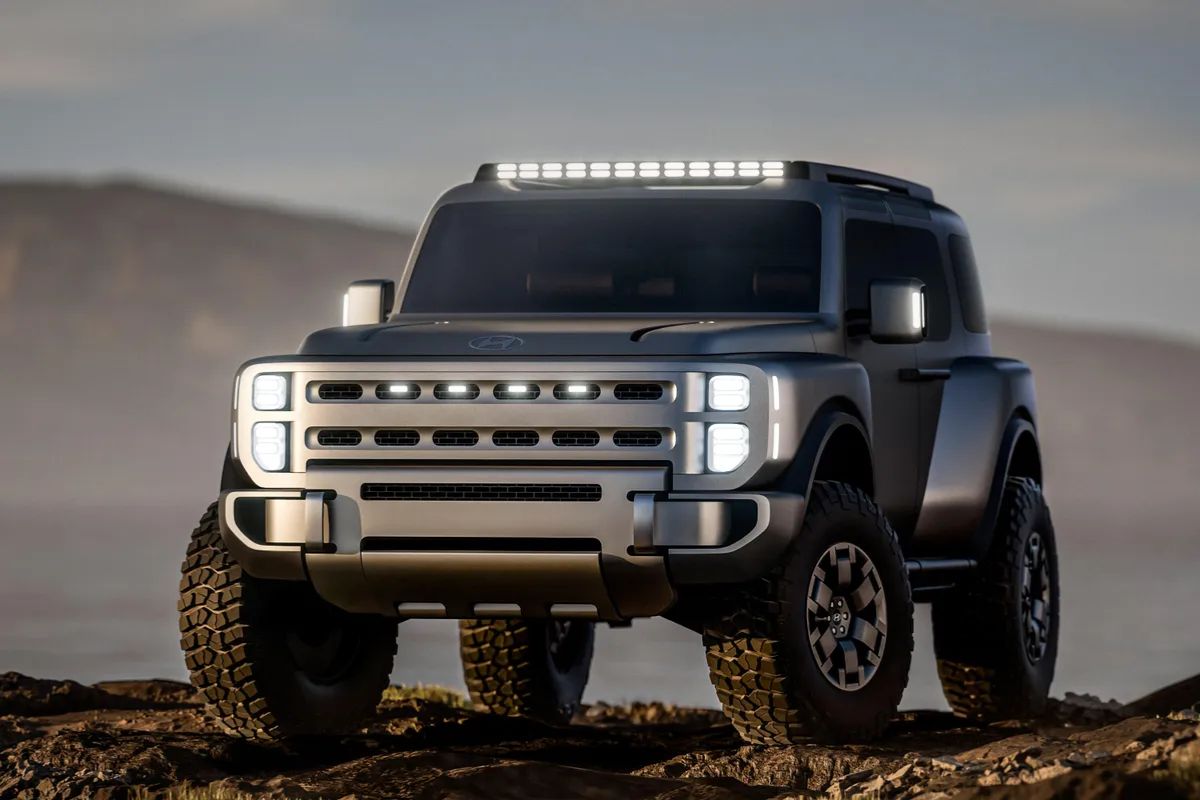
Hyundai has unveiled the Boulder, a square SUV with a body-on-frame design, 37-inch mud tires, and carriage-style doors that seems to be made to take on the Ford Bronco and the Scout Traveller in the United States.
-
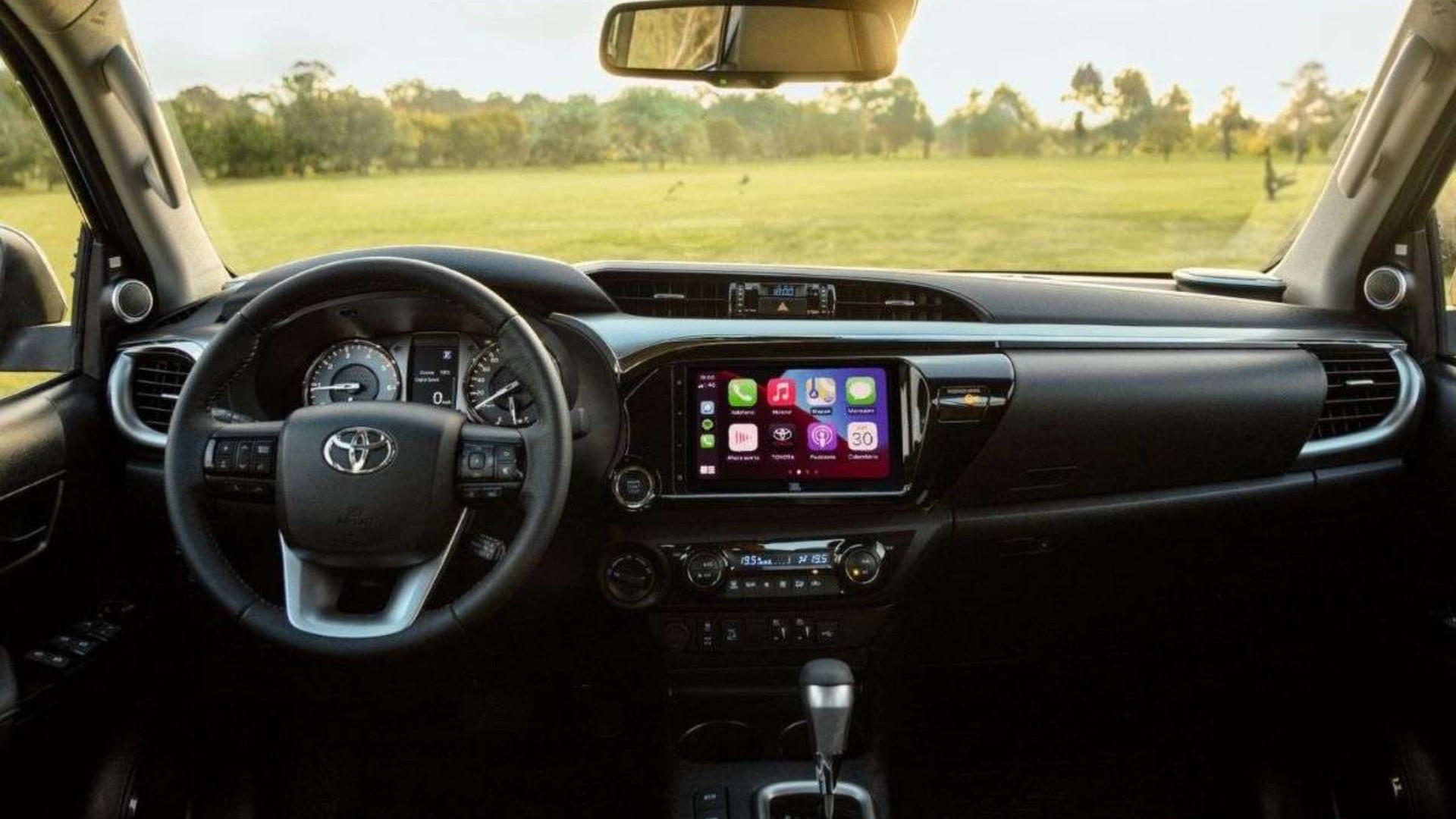
The Toyota Hilux is R$ 75.5 thousand cheaper and bets on the 2.8 turbodiesel engine with up to 204 hp and 50.9 kgfm to catch up with the VW Saveiro, which leads with 4,472 sales.
-
The new Renault Koleos has a screen exclusively for the passenger that is invisible to the driver, heated rear seats, and 29 assistance systems, but its Chinese competitors cost R$ 40,000 less and deliver more power.

In a recent interview, the executive reiterated that people no longer want analog devices in their cars, including manual transmissions and traditional hand brakes. For him, this is not just a preference, but a technological revolution: the modern consumer wants digital, intuitive, and automated technology.
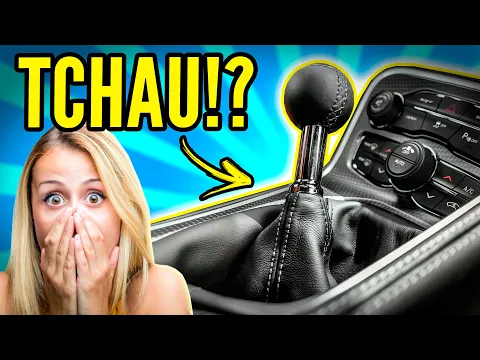

This scenario is a global reality, not exclusive to Hyundai. Although some enthusiasts still advocate for the manual transmission for driving feel, the market indicates a growing rejection, especially among younger age groups. According to automotive industry data, the share of buyers opting for manual transmissions has been continuously declining in recent years, reaching practically residual numbers in several regions.
The Role Of Electric Vehicles In The End Of The Manual Transmission
One of the biggest drivers of this transformation is the advancement of electric vehicles. Tyrone Johnson highlights that electric cars have accelerated in 10 years what combustion cars took 100 years to evolve. This speed is due to the mechanical simplicity of electric vehicles, which do not require traditional multi-speed transmissions, practically eliminating the need for manual transmissions.
Electric cars, by adopting continuous traction systems, also allow for the introduction of advanced digital features, such as simulated gear shifts via software and programmed tactile responses, as seen in the Hyundai Ioniq 5 N.
This model features a kind of “virtual transmission” that simulates the experience of driving a sports car with a DCT (dual-clutch transmission), but without traditional mechanical components.
This technological innovation shows how the automatic transmission trend goes beyond comfort: it represents a qualitative leap in how we drive and feel the vehicle.
Hyundai – Executive Statements Reinforce The End Of The Manual Transmission
The global strategy of Hyundai follows the logic of electrification and digitalization. With the inauguration of a technical center dedicated solely to electric vehicles in Rüsselsheim, Germany, the company consolidates its focus on developing technologies for the future. This unit will work with the Magma line, dedicated to sports cars and high performance, all electric and with advanced digital systems.
In Johnson’s words, digitalization is already an irreversible reality: “The mechanical hand brake, the manual transmission, the analog displays, all of that is numbered.” He also compares the current situation to the time when the automotive industry began adopting ABS and ESP, features that were initially considered optional but are now global standards.
These statements indicate that the end of the manual transmission is not a mere passing trend, but a structural change in the sector, aligned with environmental, regulatory, and technological demands.
Impacts Of The Automatic Transmission Trend On The Market And The Consumer
The gradual elimination of the manual transmission brings significant impacts for the automotive industry. From a productivity standpoint, simplifying assembly lines and focusing on automatic or fully digital transmissions reduces costs, increases efficiency, and facilitates integration with advanced electronic systems.
For consumers, the driving experience transforms into a more comfortable and connected experience. Modern automatic transmissions offer smoother gear shifts, adapt to driving styles, and can even optimize energy consumption.
Additionally, they eliminate the complexity of manual shifting for beginner drivers or those who prefer a more practical driving experience, especially in urban environments with heavy traffic.
Data shows that, in recent years, the preference for automatic transmissions has significantly increased, while the demand for manual transmissions has dropped sharply. In models like the Hyundai Elantra N in the United States, only about 30% of buyers opt for versions with manual transmission, directly reflecting the change in consumer expectations.
The Future Of Digital Driving And The Role Of Hyundai
Based on the statements from Hyundai executives and the strategic positioning of the brand, it is clear that the future of driving lies in the complete digitalization of vehicles. Features such as virtual assistants, customizable interfaces, augmented reality on the dashboard, and programmed tactile feedback are part of what the automaker calls the “new era of mobility.”
The advanced technology used in the Hyundai Ioniq 5 N, for example, anticipates a scenario where the driver’s experience is guided by software, with sensory simulations that reproduce analog sensations but with greater precision and personalization.
These innovations ensure that the Hyundai manual transmission increasingly becomes a collector’s item, intended for market niches, while the rest of the industry and consumers adapt to the convenience, performance, and sustainability of the automatic transmission.
Relevance For The Consumer
What does this change represent for the consumer? Basically, more comfort, safety, and embedded technology. The rejection of the manual transmission shows that the user experience is paramount, with vehicles designed to be intuitive, efficient, and enjoyable.
Moreover, the elimination of the manual transmission accompanies a broader transformation: the electrification of the global fleet and increasing environmental demands. Hyundai, by anticipating and leading these changes with its statements and investments in technology, demonstrates a strategic vision aligned with global expectations.
In conclusion, the end of the manual transmission is not just a passing novelty but a historic milestone in the automotive industry, redefining how we relate to vehicles. For those seeking to stay updated, understanding these trends is essential.
Whether you are an enthusiast, consumer, or industry professional, following Hyundai’s executive statements and the advancement of digital technology in cars is crucial to understand the future of mobility. The manual transmission has become history — and the future is automatic.






Câmbio automático é propaganda subliminar. É palhaçada dizer isso que ninguém quer mais.
Faz parte da mídia pró obsolescência programada.
Dura muito menos, quebra muito mais e o povo adora ser enganado.
Baita sacanagem, para dar mais lucro aos grandes fabricantes.
Todos o **** né, melhor coisa que tem é embrear a marcha, e da menos problema que o automático.
Nada disso, eu amo a sensação de estar no controle da mudança de marchas e tenho certeza que milhares tambem, cambio automático é para preguiçosos !